


Introduction
Air pollution refers to the presence of harmful substances in the air that we breathe. These substances can be in the form of gases, particles, or biological molecules and can cause harm to human health, the environment, and the climate.
Examples of common air pollutants include carbon monoxide, sulfur dioxide, nitrogen oxides, ozone, particulate matter, and volatile organic compounds. These pollutants can come from various sources such as transportation, industrial activities, power generation, agriculture, and natural sources.
Air pollution can have serious negative impacts on human health, including respiratory problems, heart disease, and cancer. It can also harm plants and wildlife and contribute to climate change. Therefore, reducing air pollution is essential for protecting public health and the environment.
Cause of Air pollution
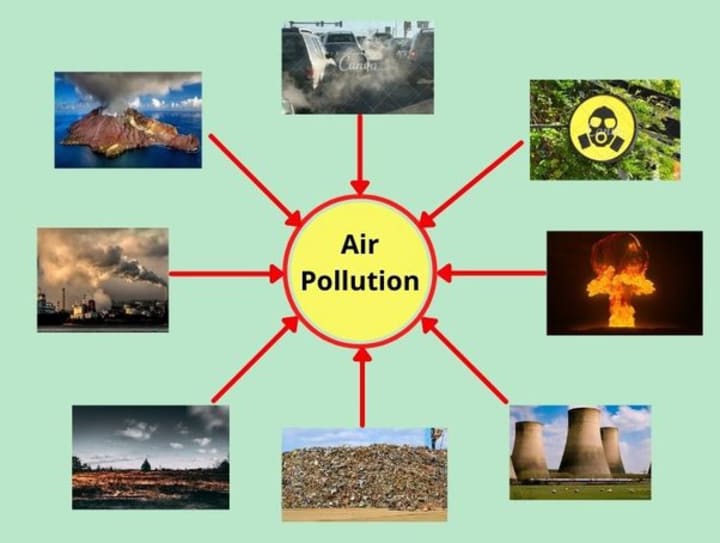
Air pollution is caused by a wide range of human activities and natural phenomena. The main causes of air pollution are:
1. Industrial activities: Many industries release pollutants into the air, including chemicals, dust, and gases.
2. Transportation: Vehicles, including cars, trucks, and airplanes, are a major source of air pollution. Exhaust fumes and other emissions from vehicles release harmful particles and gases into the air.
3. Energy production: The production of energy, such as electricity and heat, is a significant source of air pollution. Burning fossil fuels like coal and oil releases pollutants into the air.
4. Agricultural activities: Agricultural activities such as livestock production, crop spraying, and fertilizer use contribute to air pollution through the release of pollutants like ammonia and pesticides.
5. Natural phenomena: Natural phenomena such as wildfires, volcanic eruptions, and dust storms can also cause air pollution.
Overall, air pollution is a complex issue with multiple causes, and reducing air pollution requires a concerted effort from individuals, governments, and industries alike.
Effect of the Air Pollution
Air pollution has a wide range of harmful effects on human health, the environment, and the climate. Here are some of the main effects of air pollution:
1. Respiratory problems: Air pollution can cause respiratory problems such as asthma, bronchitis, and emphysema, as well as aggravate existing respiratory conditions.
2. Cardiovascular disease: Air pollution has been linked to an increased risk of heart disease, stroke, and other cardiovascular conditions.
3. Cancer: Exposure to air pollution has been linked to an increased risk of lung cancer and other types of cancer.
4. Reduced lung function: Prolonged exposure to air pollution can lead to reduced lung function, particularly in children and the elderly.
5. Birth defects and developmental issues: Exposure to air pollution during pregnancy has been linked to birth defects and developmental issues in children.
6. Environmental damage: Air pollution can harm plants and wildlife, leading to ecosystem damage.
7. Climate change: Many air pollutants, such as carbon dioxide and methane, are greenhouse gases that contribute to climate change.
Overall, air pollution has a significant impact on human health, the environment, and the climate. Reducing air pollution is essential for protecting public health and the planet.
How we can Reduce the Air pollution
Reducing air pollution is a complex issue that requires a concerted effort from individuals, businesses, and governments. Here are some ways to reduce air pollution:
Use public transportation, bike, or walk instead of driving: Vehicles are a major source of air pollution, and reducing the number of cars on the road can help reduce emissions.
Use energy-efficient appliances and light bulbs: Reducing energy consumption can help reduce the amount of pollution produced by power plants.
Use environmentally friendly products: Choose products that have low emissions or are made from natural, non-toxic materials.
Properly maintain vehicles: Regular maintenance of vehicles can help ensure that they are running efficiently and producing fewer emissions.
Reduce, reuse, and recycle: Reducing the amount of waste produced can help reduce emissions from landfills.
Use renewable energy sources: Using renewable energy sources such as wind and solar power can help reduce the amount of pollution produced by power plants.
Support policies that reduce air pollution: Governments can implement policies such as emissions standards, carbon taxes, and incentives for renewable energy that can help reduce air pollution.
Overall, reducing air pollution requires a concerted effort from all sectors of society. By taking individual actions and supporting policies that reduce pollution, we can work together to create a cleaner, healthier environment.
About the Creator
Love The Green
Welcome to my page,I hope to share my experiences, insights, and knowledge with fellow nature enthusiasts.Together, we can celebrate the wonders of the natural world, and work to protect and preserve it for future generations to enjoy🌿🌲
Keep reading
More stories from Love The Green and writers in Earth and other communities.
Ozone Layer Depletion
Introduction The ozone layer is a thin layer in Earth's atmosphere that contains a high concentration of ozone (O3) molecules. It is located in the stratosphere, at an altitude of about 10 to 50 kilometers (6 to 30 miles) above the Earth's surface.
By Love The Green3 years ago in Earth
Planning a Vegetable Garden Layout: Sun, Space, and Succession
You've decided to grow your own food. You've cleared a space, bought seeds, and imagined baskets overflowing with tomatoes and zucchini. Then reality intervenes. The tomatoes shade the basil. The zucchini engulfs the carrots. By midsummer, you have more lettuce than you can eat, followed by a gap of nothing until frost.
By Emma Wallace2 days ago in Earth
The BAFTA Awards
By now, in a stunning departure from recent years, most of the world is aware of what happened at the BAFTA film awards. Social Media Headlines will tell you the bare bones: that John Davidson, a Tourette's Syndrome advocate, shouted a racial slur at two Actors of Colour, Michael B Jordan and Delroy Lindo.
By Natasja Rose4 days ago in Psyche




Comments
There are no comments for this story
Be the first to respond and start the conversation.