
Advancing Climate Justice and Equity in African Climate Action
Paving the Way for a Sustainable Future


Unveiling the Intersection of Climate Crisis and Social Justice
When we think of the climate crisis, images of wildfires, floods, and extreme weather events immediately come to mind. However, the voices of youth climate activists have reminded us that there is an equally critical aspect of this conversation: social justice. Climate justice, a concept that has taken center stage, goes beyond environmental impacts. It calls for addressing historical responsibilities and recognizing that those most affected by climate change are often the least responsible for causing it. In the realm of African climate action, the pursuit of climate justice and equity becomes paramount in shaping a fair and sustainable future for all. In this article, we delve into the essence of climate justice and its application in African climate action, drawing insights from recent studies and reports.
Understanding Climate Justice: Unveiling the Injustices of the Past
Climate justice compels us to confront historical injustices that have contributed to the current climate crisis. Centuries of economic systems rooted in colonial models and the exploitation of resources from Africa, South America, and Asia have perpetuated power imbalances and fueled global inequality. These economic models were designed to concentrate power and maximize profits for the wealthy, leaving marginalized communities to bear the brunt of the consequences. Industrialization and the relentless burning of fossil fuels have disproportionately impacted these communities, intensifying their vulnerability to climate change.
Impacts on African Communities: Navigating the Frontlines of Climate Change
Within the vast tapestry of climate change impacts, African nations and communities find themselves at the forefront. Rising sea levels and floods threaten coastal regions, while droughts and desertification ravage agricultural productivity and food security across the continent. Indigenous communities, whose lives revolve around the land, forests, and rivers, face formidable challenges posed by destructive industries and governments driven by profit rather than sustainability.
Promoting Equity in African Climate Action: Forging a Path to Lasting Change
To drive climate justice forward in African climate action, we must anchor our efforts in equity throughout planning and implementation. This necessitates addressing the unique needs and vulnerabilities of marginalized communities and ensuring their active participation in decision-making processes.
Here are key strategies to promote equity:
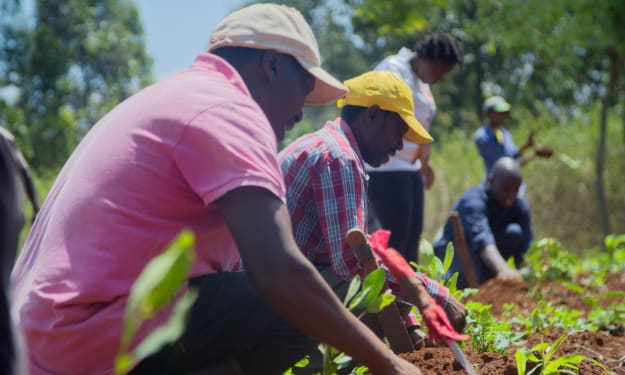
- Empowering Local Communities: Recognizing the wisdom and expertise held by local communities, their involvement in climate action planning becomes imperative. By engaging them in decision-making processes and integrating their traditional practices and ecological knowledge, we unlock the potential for more effective and sustainable solutions.
- Prioritizing Vulnerable Groups: Climate action plans must prioritize the needs of vulnerable groups, including women, children, indigenous peoples, and the economically disadvantaged. This includes providing access to climate information, resources, and services that enhance their resilience and adaptive capacity.
- Supporting Green Jobs and Sustainable Livelihoods: The transition to a low-carbon economy presents opportunities for creating green jobs and sustainable livelihoods. African climate action plans should prioritize investments in renewable energy, sustainable agriculture, and nature-based solutions. Such investments not only reduce greenhouse gas emissions but also contribute to poverty alleviation and economic development.
- Strengthening Resilience and Adaptation: Building resilience within communities through climate adaptation measures becomes critical. This involves investing in climate-resilient infrastructure, promoting climate-smart agriculture, enhancing water resource management, and establishing early warning systems for extreme weather events.
- Enhancing Climate Finance and Technology Transfer: Developed nations bear the responsibility of providing financial and technological support to developing countries for climate mitigation and adaptation efforts. Ensuring the fair and equitable distribution of climate finance becomes paramount in bridging the gap between those most affected by climate change and those historically responsible for global emissions.
Collaborative Transformation Towards a Sustainable and Just Future
Achieving climate justice and equity in African climate action requires a comprehensive approach that addresses historical injustices, empowers marginalized communities, and fosters inclusive and participatory decision-making processes. By centering equity in planning and implementation, African countries can develop climate action plans that not only mitigate greenhouse gas emissions but also prioritize the needs and rights of the most vulnerable. Collaboration between governments, civil society organizations, and international partners serves as the cornerstone of creating a sustainable and just future for all Africans. Only by working together can we forge a transformative path that leaves no one behind and ensures a harmonious coexistence between humanity and our precious planet.
About the Creator
Chela Kikwai
Passionate about climate action and sustainability, I raise awareness and promote climate education through my articles. Read, Learn, Follow, Tip and Share
Keep reading
More stories from Chela Kikwai and writers in Earth and other communities.
Navigating Climate-Smart Agriculture in Africa: Progress, Challenges, and the Path Ahead
Climate change has emerged as one of the most pressing challenges of our time, and its impact on agriculture is particularly pronounced. In Africa, a continent highly dependent on agriculture for livelihoods and food security, the need to adopt climate-smart agriculture practices has become increasingly urgent. This article delves into the progress made and the challenges faced in implementing climate-smart agriculture in Africa, drawing insights from recent research and reports.
By Chela Kikwai3 years ago in Earth
georgia power outage map
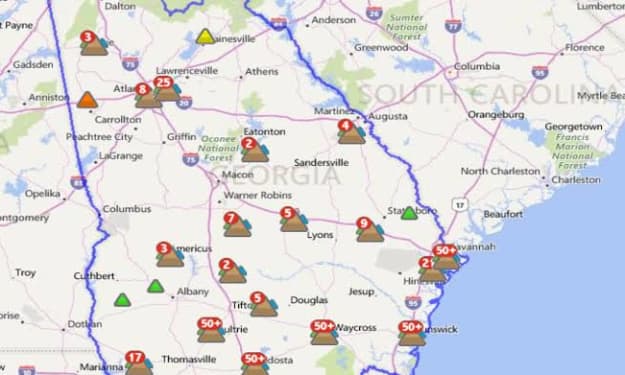
Power outages can be stressful, especially when they happen unexpectedly during severe weather. In Georgia, where storms, heavy rain, and strong winds are common, residents rely on accurate and timely information to stay prepared. One of the most trusted tools during these moments is the Georgia Power outage map, which provides real-time updates about electricity disruptions across the state. As Georgia weather continues to grow more unpredictable, understanding how to use this resource — and how it connects with local news coverage — has become increasingly important for households, businesses, and travelers alike. What Is the Georgia Power Outage Map? The Georgia Power outage map is an online platform that shows active power outages throughout Georgia. It allows users to view affected areas, the number of customers without power, and estimated restoration times. The map updates regularly, making it a reliable source during fast-changing situations such as thunderstorms or widespread weather events. During major storms, residents often check the outage map alongside local Atlanta news broadcasts to confirm whether power interruptions are isolated or part of a larger issue. This combination of real-time data and trusted reporting helps people make informed decisions. The Role of Weather in Atlanta Power Outages Weather in Atlanta can shift rapidly, particularly during spring and summer storm seasons. Thunderstorms, lightning strikes, falling trees, and high winds frequently contribute to power disruptions. Even during winter, ice accumulation and strong gusts can damage power lines and equipment. Meteorologists covering weather Atlanta events often explain how certain conditions increase the risk of outages. When these forecasts are paired with updates from Georgia Power, residents gain a clearer picture of what to expect before, during, and after a storm. Local outlets like WSBTV and Channel 2 News regularly provide storm coverage that includes outage information. Their reporting often highlights which counties or neighborhoods are most affected, offering context that goes beyond the map alone. Why Local News Coverage Matters While the outage map shows where electricity is down, local journalism adds depth and explanation. Atlanta news stations frequently interview GA Power representatives, emergency officials, and meteorologists to explain restoration efforts and safety concerns. For example, WSBTV may report on how many repair crews are deployed or whether road closures are slowing response times. Channel 2 News often shares safety reminders, such as avoiding downed power lines or using generators responsibly. This type of coverage is especially valuable during large-scale outages caused by severe Georgia weather, when thousands of customers may be affected at once. Impact on Travel and Critical Infrastructure Power outages don’t only affect homes. Transportation hubs, hospitals, and businesses must also prepare for potential disruptions. The Atlanta airport, one of the busiest in the world, closely monitors regional power conditions. Although the airport has backup power systems, widespread outages in surrounding areas can still cause delays or operational challenges. That’s why outage updates are often mentioned during breaking Atlanta news, especially when storms impact travel schedules. Businesses across metro Atlanta also rely on timely updates to decide whether to close early, switch to backup systems, or allow employees to work remotely. How Georgia Power Responds to Outages When outages occur, Georgia Power dispatches crews to assess damage and begin repairs as quickly as possible. Restoration times can vary depending on the severity of the damage and the number of customers affected. During major storms, GA Power often prioritizes critical facilities such as hospitals and emergency services. Local news outlets frequently explain this process so customers understand why some areas regain power sooner than others. By checking the outage map and following updates from Atlanta news sources, residents can track progress without relying on rumors or unverified social media posts. Staying Prepared During Georgia Weather Events Preparation is key when it comes to power outages. Experts recommend keeping emergency supplies on hand, including flashlights, batteries, and portable phone chargers. Staying informed through trusted sources like WSBTV, Channel 2 News, and official Georgia Power updates can reduce uncertainty during stressful situations. Understanding both weather in Atlanta forecasts and outage data allows residents to plan ahead — whether that means charging devices early, adjusting travel plans, or checking on vulnerable neighbors. Final Thoughts The Georgia Power outage map has become an essential tool for navigating power disruptions across the state. When combined with accurate reporting from Atlanta news outlets and up-to-date Georgia weather forecasts, it provides a clear and reliable picture during uncertain times. In a region where storms can develop quickly, staying informed isn’t just convenient — it’s necessary. By using the outage map and following trusted local coverage, Georgians can remain prepared, connected, and safer when the power goes out.
By Saboor Brohi about 5 hours ago in Earth
Trump’s Greenland Threats Push Europe Toward Divorcing America
When you think of Greenland, the first things that probably come to mind are icebergs, polar bears, and maybe some adventurous explorers. But lately, Greenland has become the center of a major diplomatic drama — one that’s forcing Europe to question its long-standing relationship with the United States. And the spark? Donald Trump’s threats over Greenland. The Controversy: Trump’s Unusual Move Back in January 2026, Trump shocked the world again, not with an election campaign but with a bold — and many would say bizarre — plan to acquire Greenland. But he didn’t stop at just “expressing interest.” He threatened eight European nations with tariffs — starting at 10% and potentially climbing to 25% — unless Denmark agreed to sell Greenland to the U.S. Yes, you read that right: tariffs on allies to buy a remote Arctic island. For Europe, this was more than shocking — it felt like a betrayal from a partner they’ve relied on for decades. Europe’s Response: Outrage and Solidarity European leaders didn’t hold back. Germany, France, Norway, the UK, and others banded together to condemn Trump’s approach. The message was clear: Europe won’t be blackmailed. Even usually cautious leaders spoke up. Norway’s Prime Minister bluntly said, “Threats have no place among allies.” Meanwhile, European Commission President Ursula von der Leyen emphasized that tariffs between allies “have no place” and could undermine decades of cooperation. This isn’t just a political disagreement. Europe sees this as a test of trust, sovereignty, and alliance reliability. Why Greenland Matters At first glance, Greenland might seem like just a frozen island. But strategically, it’s a big deal: Location: Greenland sits between North America and Europe, controlling key air and sea routes. Military Importance: It hosts radar and U.S. military infrastructure critical to early-warning systems. Resources: Beneath the ice lie minerals and rare earth elements that the world desperately needs. For Europe, Greenland is also about principle. The island belongs to Denmark and the Greenlandic people, not Washington. Europe’s support for Denmark shows a broader commitment to respecting sovereignty — a principle that Trump’s threats directly challenged. The Bigger Picture: A Crisis of Trust Greenland may just be the tip of the iceberg. For years, European nations have felt frustrated by U.S. policies that seemed unpredictable — whether it’s climate agreements, trade deals, or security commitments. Trump’s Greenland threats amplified these frustrations. Suddenly, Europe is questioning something fundamental: Can the U.S. be trusted as a long-term partner? Some European leaders have even started talking about a kind of “divorce” from the U.S. — not literally leaving NATO, but rethinking how dependent they should be on America for security and strategic decisions. Europe’s Path Toward Strategic Independence This Greenland drama is accelerating discussions about European strategic autonomy. Basically, Europe is asking: Should we be able to protect our own interests without always relying on the U.S.? The EU has long talked about building stronger defense capabilities and investing more in its own military, but progress has been slow. Greenland might just be the wake-up call that finally pushes Europe to act. What’s Next? So, what happens from here? Europe isn’t just going to sit quietly. Leaders are looking at: Economic counter-measures like tariffs on U.S. goods Strengthening European defense and security collaboration Reasserting Europe’s role on the global stage, with less reliance on Washington Even if Europe doesn’t fully “divorce” America, Greenland is changing the terms of the transatlantic partnership. Europe will now demand more respect, clearer rules, and recognition of its sovereignty — and they’re not afraid to make that clear. Why This Matters to All of Us You might wonder why this matters if you’re not in Europe or the U.S. Greenland may seem remote, but this story is about alliances, trust, and how global power is shifting. The way Europe responds could reshape the world order, affect trade, military cooperation, and even the global economy. And for anyone following U.S.-European relations, it’s a reminder that sometimes the smallest places — even a frozen island — can have huge global consequences. Bottom line: Trump’s Greenland threats aren’t just a bizarre footnote in history. They’re a wake-up call for Europe, forcing the continent to rethink its ties with America and consider a future where it can act independently — strategically, economically, and politically. Greenland, icy as it is, might just melt the old rules of alliance forever.
By Muhammad Hassan6 days ago in Earth


Comments
There are no comments for this story
Be the first to respond and start the conversation.