
Navigating Climate-Smart Agriculture in Africa: Progress, Challenges, and the Path Ahead
Building Resilient Food Systems and Sustainable Futures for Africa's Agricultural Sector

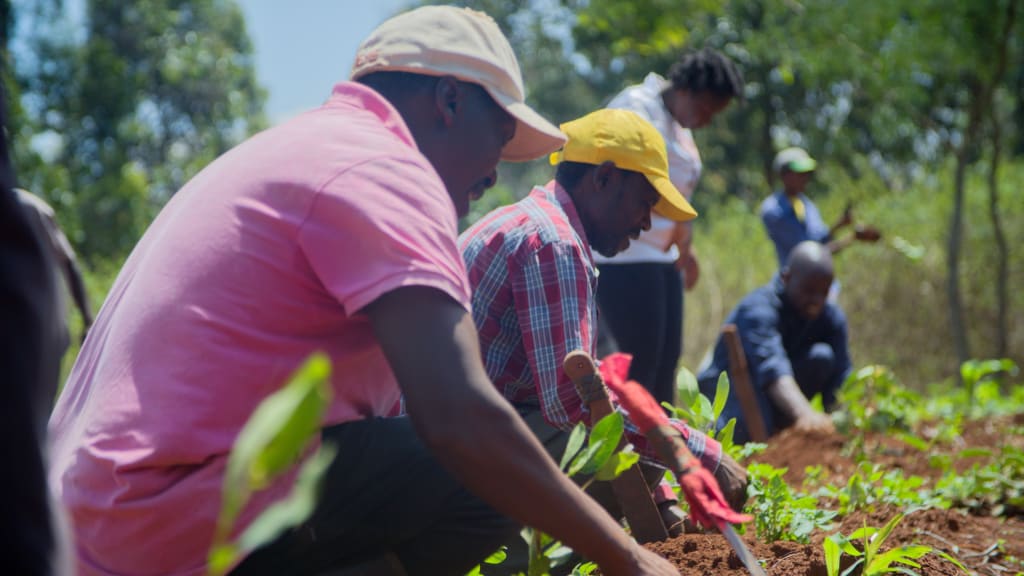
Climate change has emerged as one of the most pressing challenges of our time, and its impact on agriculture is particularly pronounced. In Africa, a continent highly dependent on agriculture for livelihoods and food security, the need to adopt climate-smart agriculture practices has become increasingly urgent. This article delves into the progress made and the challenges faced in implementing climate-smart agriculture in Africa, drawing insights from recent research and reports.
Progress in Climate-Smart Agriculture:
A growing body of evidence highlights the progress and potential of climate-smart agriculture practices in Africa. One study published in the Journal of Environmental Management emphasizes the role of climate-smart agricultural practices in enhancing resilience and reducing vulnerability to climate change impacts. These practices include conservation agriculture, agroforestry, and sustainable water management techniques. Implementing these strategies has shown promising results, such as improved soil health, increased crop yields, and enhanced adaptive capacity for farmers.
Furthermore, a report by the International Fund for Agricultural Development (IFAD) focuses on the case of Egypt. It highlights the opportunities and benefits of climate-smart agriculture, such as resource-use efficiency, improved productivity, and income generation. The report underscores the successful adoption of innovative techniques, including drip irrigation and precision farming, which have helped Egyptian farmers adapt to changing climatic conditions while ensuring sustainable agricultural production.
Challenges and Limitations:
Despite the progress, numerous challenges persist in the widespread adoption of climate-smart agriculture practices in Africa. The challenge is intensified by the continent's exposure to prolonged droughts, erratic rainfall patterns, and more frequent extreme weather events. These climate change impacts severely affect agricultural systems, threatening food production and farmers' livelihoods. Smallholder farmers, who constitute a significant proportion of Africa's agricultural workforce, often lack access to resources, technology, and knowledge required for climate-smart practices. Insufficient access to finance, limited extension services, and inadequate infrastructure pose barriers to implementation.
Furthermore, policy and institutional constraints hinder the scaling up of climate-smart agriculture initiatives. Inconsistent policies, bureaucratic hurdles, and limited coordination among stakeholders impede the mainstreaming of climate-smart practices. Strengthening policy frameworks, enhancing institutional capacity, and fostering multi-stakeholder collaboration are critical to overcoming these challenges.
The Path Ahead:
Addressing the challenges faced in implementing climate-smart agriculture requires a comprehensive approach. First and foremost, increased investment in agricultural research and development is crucial. Research institutions need to collaborate with farmers to develop and adapt context-specific climate-smart practices that suit different agro-ecological zones in Africa.
Additionally, supporting smallholder farmers through access to finance, affordable technology, and training is vital. Governments, development organizations, and financial institutions should work together to provide innovative financing mechanisms, such as climate-smart agriculture funds and microcredit schemes, tailored to the needs of farmers.
Policy reforms are equally important. Governments must prioritize climate-smart agriculture in national development plans, promote favorable policies, and streamline regulatory procedures. Moreover, it is essential to strengthen extension services and farmer training programs, ensuring that knowledge on climate-smart practices reaches the grassroots level.
Furthermore, fostering partnerships and collaborations among stakeholders is crucial for scaling up climate-smart agriculture. Governments, international organizations, research institutions, and the private sector should join forces to share knowledge, expertise, and resources. By creating inclusive platforms for dialogue and knowledge exchange, we can accelerate the adoption and dissemination of climate-smart agriculture practices across Africa.
Climate-smart agriculture holds immense potential in mitigating the adverse effects of climate change on Africa's agricultural sector. While progress has been made, challenges remain in ensuring widespread adoption and implementation. By addressing barriers such as limited access to resources, inadequate infrastructure, and policy constraints, Africa can unlock the transformative power of climate-smart agriculture. It is imperative that governments, organizations, and stakeholders across sectors collaborate and take decisive action to create a resilient agricultural sector that nourishes communities, safeguards resources, and ensures a sustainability for generations to come.
About the Creator
Chela Kikwai
Passionate about climate action and sustainability, I raise awareness and promote climate education through my articles. Read, Learn, Follow, Tip and Share
Keep reading
More stories from Chela Kikwai and writers in Earth and other communities.
Climate Smart Agriculture in Africa
Climate change is an imminent threat that demands our attention. Its impact extends far beyond environmental concerns, affecting various aspects of our lives, including food production and prices. The urgency to address climate change becomes evident when we observe unusual weather patterns, such as unexpected rains during traditionally dry months. These climate fluctuations can disrupt agricultural activities and ultimately impact the availability and affordability of the food we consume.
By Chela Kikwai3 years ago in Earth
When Immigration Enforcement Crosses the Threshold: ICE’s Controversial 2025 Memo
In 2025, the U.S. Immigration and Customs Enforcement (ICE) agency released a new internal memo outlining updated guidelines for immigration enforcement. The memo, which has since become highly controversial, addresses the use of force, detention practices, and enforcement priorities, and has drawn scrutiny from lawmakers, human rights advocates, and legal experts alike.
By Aarif Lashari3 days ago in Earth
What We Know About the Winter Storm About to Hit the US—and What We Don’t
A major winter storm is barreling toward the United States, raising concerns from meteorologists, emergency officials, and residents alike. Across large portions of the country, from the southern plains to the Northeast, communities are preparing for heavy snow, ice, and gusty winds. Yet despite advanced forecasting technology, uncertainty remains about the storm’s timing, intensity, and ultimate impact. Understanding what we know—and what we don’t—can help families and local governments make better preparations for the potentially disruptive weather ahead.
By Muhammad Hassan3 days ago in Earth


Comments
There are no comments for this story
Be the first to respond and start the conversation.