
Trump’s Greenland Threats Push Europe Toward Divorcing America
Why a remote Arctic island is shaking up global alliances and forcing Europe to rethink its ties with the U.S

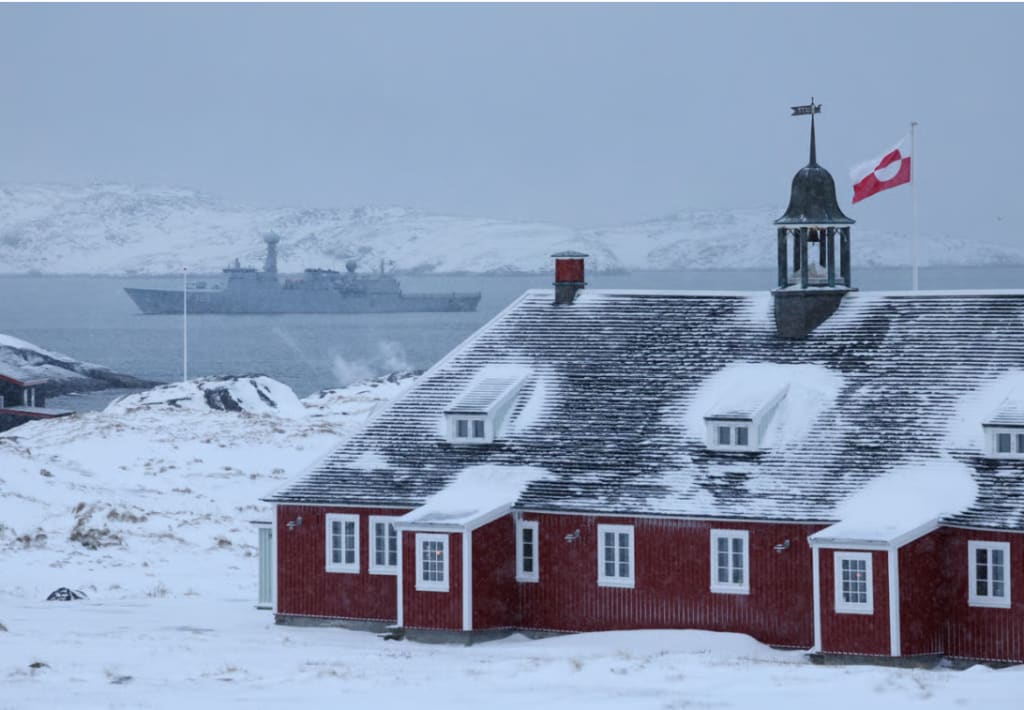
When you think of Greenland, the first things that probably come to mind are icebergs, polar bears, and maybe some adventurous explorers. But lately, Greenland has become the center of a major diplomatic drama — one that’s forcing Europe to question its long-standing relationship with the United States.
And the spark? Donald Trump’s threats over Greenland.
The Controversy: Trump’s Unusual Move
Back in January 2026, Trump shocked the world again, not with an election campaign but with a bold — and many would say bizarre — plan to acquire Greenland. But he didn’t stop at just “expressing interest.” He threatened eight European nations with tariffs — starting at 10% and potentially climbing to 25% — unless Denmark agreed to sell Greenland to the U.S.
Yes, you read that right: tariffs on allies to buy a remote Arctic island. For Europe, this was more than shocking — it felt like a betrayal from a partner they’ve relied on for decades.
Europe’s Response: Outrage and Solidarity
European leaders didn’t hold back. Germany, France, Norway, the UK, and others banded together to condemn Trump’s approach. The message was clear: Europe won’t be blackmailed.
Even usually cautious leaders spoke up. Norway’s Prime Minister bluntly said, “Threats have no place among allies.” Meanwhile, European Commission President Ursula von der Leyen emphasized that tariffs between allies “have no place” and could undermine decades of cooperation.
This isn’t just a political disagreement. Europe sees this as a test of trust, sovereignty, and alliance reliability.
Why Greenland Matters
At first glance, Greenland might seem like just a frozen island. But strategically, it’s a big deal:
Location: Greenland sits between North America and Europe, controlling key air and sea routes.
Military Importance: It hosts radar and U.S. military infrastructure critical to early-warning systems.
Resources: Beneath the ice lie minerals and rare earth elements that the world desperately needs.
For Europe, Greenland is also about principle. The island belongs to Denmark and the Greenlandic people, not Washington. Europe’s support for Denmark shows a broader commitment to respecting sovereignty — a principle that Trump’s threats directly challenged.
The Bigger Picture: A Crisis of Trust
Greenland may just be the tip of the iceberg. For years, European nations have felt frustrated by U.S. policies that seemed unpredictable — whether it’s climate agreements, trade deals, or security commitments.
Trump’s Greenland threats amplified these frustrations. Suddenly, Europe is questioning something fundamental: Can the U.S. be trusted as a long-term partner?
Some European leaders have even started talking about a kind of “divorce” from the U.S. — not literally leaving NATO, but rethinking how dependent they should be on America for security and strategic decisions.
Europe’s Path Toward Strategic Independence
This Greenland drama is accelerating discussions about European strategic autonomy. Basically, Europe is asking: Should we be able to protect our own interests without always relying on the U.S.?
The EU has long talked about building stronger defense capabilities and investing more in its own military, but progress has been slow. Greenland might just be the wake-up call that finally pushes Europe to act.
What’s Next?
So, what happens from here? Europe isn’t just going to sit quietly. Leaders are looking at:
Economic counter-measures like tariffs on U.S. goods
Strengthening European defense and security collaboration
Reasserting Europe’s role on the global stage, with less reliance on Washington
Even if Europe doesn’t fully “divorce” America, Greenland is changing the terms of the transatlantic partnership. Europe will now demand more respect, clearer rules, and recognition of its sovereignty — and they’re not afraid to make that clear.
Why This Matters to All of Us
You might wonder why this matters if you’re not in Europe or the U.S. Greenland may seem remote, but this story is about alliances, trust, and how global power is shifting. The way Europe responds could reshape the world order, affect trade, military cooperation, and even the global economy.
And for anyone following U.S.-European relations, it’s a reminder that sometimes the smallest places — even a frozen island — can have huge global consequences.
Bottom line: Trump’s Greenland threats aren’t just a bizarre footnote in history. They’re a wake-up call for Europe, forcing the continent to rethink its ties with America and consider a future where it can act independently — strategically, economically, and politically. Greenland, icy as it is, might just melt the old rules of alliance forever.
About the Creator
Muhammad Hassan
Muhammad Hassan | Content writer with 2 years of experience crafting engaging articles on world news, current affairs, and trending topics. I simplify complex stories to keep readers informed and connected.
Keep reading
More stories from Muhammad Hassan and writers in Earth and other communities.
15 Years After Fukushima, Japan Prepares to Restart the World’s Biggest Nuclear Plant
Fifteen years after the catastrophic Fukushima disaster, Japan is preparing to restart the world’s largest nuclear power plant. The decision marks a significant turning point in the country’s energy policy, reflecting both the urgent need for stable energy sources and the ongoing concerns about safety, environmental impact, and public trust. The move underscores Japan’s complex relationship with nuclear energy—a technology that has fueled the nation’s economic growth but also caused one of the worst nuclear disasters in history. The Fukushima Legacy In March 2011, a massive earthquake and tsunami triggered a meltdown at the Fukushima Daiichi Nuclear Power Plant, releasing radioactive material and forcing the evacuation of tens of thousands of residents. The disaster exposed flaws in safety regulations and emergency preparedness, reshaping public perception of nuclear energy in Japan and around the world. Following the incident, Japan shut down nearly all its nuclear reactors, relying heavily on imported fossil fuels to meet energy demand. The decision led to increased energy costs and heightened greenhouse gas emissions, creating pressure to diversify energy sources. Why Japan is Restarting Nuclear Reactors The restart of nuclear plants, including the world’s largest facility, is driven by several factors: Energy Security: Japan imports over 90% of its energy needs. Restarting nuclear plants reduces dependence on foreign fossil fuels and helps stabilize electricity supply. Climate Goals: Nuclear power generates electricity with minimal carbon emissions. As Japan commits to reducing greenhouse gases, nuclear energy offers a low-carbon alternative to coal and natural gas. Economic Considerations: Importing fossil fuels is expensive. Nuclear energy provides a relatively cheaper source of electricity in the long term, helping households and industries manage costs. The government emphasizes that advanced safety measures and rigorous inspections are in place, aiming to restore public confidence and prevent another disaster. Safety Measures and Upgrades Since 2011, Japan has invested heavily in upgrading nuclear infrastructure. Lessons from Fukushima have led to stricter regulations and improved disaster preparedness: Reinforced Reactor Buildings: Structures are now designed to withstand larger earthquakes and tsunamis. Advanced Cooling Systems: Redundant and automated cooling systems reduce the risk of overheating. Emergency Response Planning: Local governments and plant operators coordinate evacuation drills and disaster simulations. Regulatory Oversight: Japan’s Nuclear Regulation Authority (NRA) conducts independent inspections to ensure compliance with safety standards. Despite these measures, skepticism remains. Many citizens fear that no system can fully eliminate the risks associated with nuclear power, especially given the unpredictable nature of natural disasters in Japan. Public Opinion and Controversy The decision to restart the world’s biggest nuclear plant has sparked debate across Japanese society. Supporters argue that nuclear energy is essential for economic stability, energy security, and climate goals. They point out that without nuclear power, Japan would struggle to meet rising electricity demand and climate commitments. Opponents, however, raise concerns about safety, environmental impact, and long-term waste management. Memories of Fukushima remain vivid, and surveys indicate that a significant portion of the population is uneasy about returning to nuclear energy. Local communities near nuclear plants have voiced particular concern, fearing potential accidents and contamination. Economic and Energy Implications Restarting nuclear plants could have broad economic benefits. Stable electricity supply reduces the risk of blackouts, supports industrial activity, and helps control electricity prices for households. From an energy policy perspective, nuclear power allows Japan to balance its energy mix more sustainably. It complements renewable sources like solar and wind, which can fluctuate depending on weather conditions. Nuclear plants provide a steady “baseload” supply that renewables alone cannot guarantee. However, challenges remain: the disposal of radioactive waste, decommissioning older plants, and ensuring consistent regulatory oversight are all long-term concerns that Japan must address to maintain credibility and safety. Global Perspective Japan’s decision is being watched closely worldwide. The Fukushima disaster reshaped global nuclear policy, leading countries like Germany to phase out nuclear energy while others, including China and South Korea, continue to invest in it. Restarting the world’s largest nuclear plant sends a signal about Japan’s commitment to energy self-sufficiency and low-carbon power. It also raises questions about how other nations handle the balance between energy security and safety, especially as climate change increases the urgency for reliable, low-emission energy sources. Lessons Learned Fifteen years after Fukushima, Japan’s experience provides key lessons for the global community: Preparedness is Crucial: Robust safety standards and disaster response systems are essential for operating nuclear plants in seismically active regions. Public Trust Matters: Long-term energy policy must consider public perception and involve communities in decision-making. Diversified Energy Strategy: Nuclear power should be part of a broader energy mix, complemented by renewables to reduce risk and emissions. Continuous Oversight: Independent regulatory bodies and transparent operations are critical for maintaining safety and credibility. These lessons are not only relevant for Japan but also for any country considering nuclear power as part of its energy transition strategy. Conclusion The restart of Japan’s largest nuclear plant, fifteen years after the Fukushima disaster, represents both hope and caution. It promises more stable energy, lower carbon emissions, and economic benefits. At the same time, it reminds the world of the inherent risks of nuclear power and the need for rigorous safety, transparent governance, and public engagement. Japan’s journey reflects a broader challenge faced by many nations: how to meet growing energy demand and climate goals while ensuring safety, sustainability, and public trust. The coming years will reveal whether this bold step strengthens Japan’s energy future or reignites debate over the role of nuclear power in a post-Fukushima era.
By Muhammad Hassan2 months ago in Earth
The Day the Forest Spoke
A Walk Into the Unknown It began as an ordinary hike, a chance to escape the chaos of the city and immerse myself in the green stillness of the old Redwood Forest at the edge of my town. The sun filtered through the towering trees in long golden beams, the leaves rustling faintly with a whisper of wind, and for a moment, I felt at peace — detached from deadlines, notifications, and the endless noise of human life. I hadn’t planned for anything extraordinary, just a few hours of solitude surrounded by the ancient giants that had stood for centuries, quietly observing the world.
By The Curious Writer4 days ago in Earth


Comments
There are no comments for this story
Be the first to respond and start the conversation.