
Dozens of Flood Warnings Issued in England After Days of Relentless Rain
Heavy Rain Causes Widespread Disruption as Authorities Struggle to Manage Rising Rivers and Flooded Roads
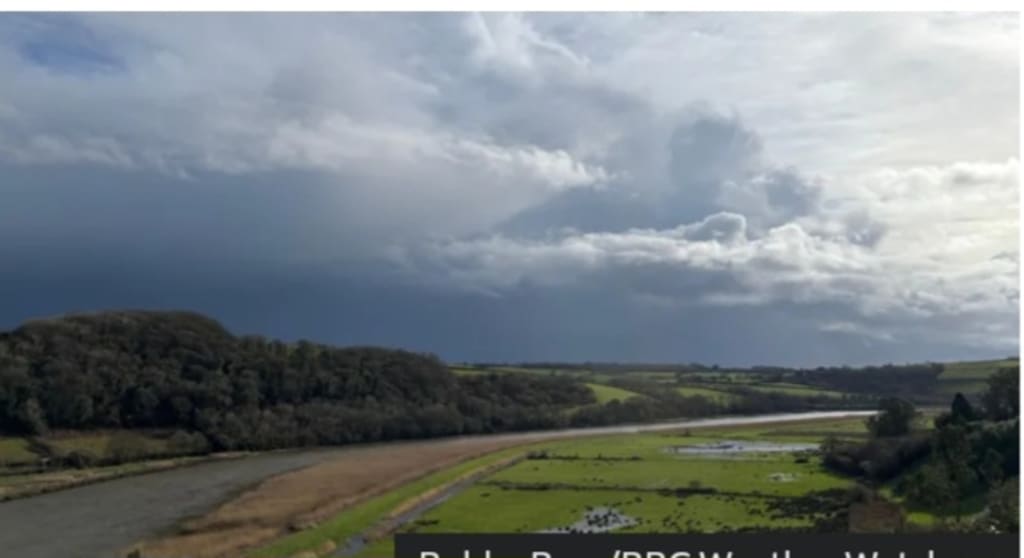
England is grappling with widespread flooding after several days of continuous heavy rain, prompting the Environment Agency to issue dozens of flood warnings across multiple regions. The intense rainfall has overwhelmed rivers and drainage systems, causing water levels to rise dangerously in both urban and rural areas. Emergency services are on high alert, assisting communities affected by the deluge.
Persistent Rain Leads to Flooding Across the Country
Over the past week, many parts of England have experienced non-stop rainfall, with meteorologists warning that the wet weather is likely to continue for several more days. Rivers including the Thames, Severn, and Trent are reported to be at or near record levels in some locations. Low-lying areas and flood plains are particularly vulnerable, and residents in these regions have been advised to remain vigilant.
Authorities have issued dozens of flood warnings and alerts, particularly in the Midlands, South West, and Northern England, where water levels have risen dramatically. These warnings advise people to prepare for potential evacuations and to avoid unnecessary travel, as many roads have become impassable.
Impact on Communities and Infrastructure
The flooding has already caused significant disruption to daily life. Homes, businesses, and local infrastructure have been affected, with some residents forced to evacuate their homes. Emergency services are assisting with rescues and providing support to those displaced by rising waters.
In urban areas, flooding has led to road closures, disrupted public transport, and traffic delays. Commuters and travelers are being urged to check local travel advisories before setting out. Additionally, power outages have been reported in some areas as floodwaters affect electrical substations and underground cables.
Rural communities have faced similar challenges. Agricultural land has been submerged, and livestock farms are at risk as fields are flooded. Local authorities are working to safeguard animals and prevent long-term damage to crops and farmland.
Authorities Respond to the Crisis
The Environment Agency has been monitoring river levels closely, deploying staff to vulnerable areas and issuing real-time flood warnings. Local councils and emergency services are coordinating to ensure rapid response to affected communities. Temporary flood barriers and sandbags are being used to protect homes and businesses where possible.
The Met Office has warned that rainfall is expected to continue in some regions, raising concerns about further flooding. Residents have been advised to remain alert, particularly near rivers and in low-lying areas, and to follow official advice regarding evacuations and road closures.
Historical Context: Flooding in England
Flooding is not uncommon in England, particularly during periods of heavy rain in winter. However, recent years have seen an increase in the frequency and severity of floods, which experts attribute to a combination of climate change, urban development, and pressure on river and drainage systems.
Communities that have previously experienced flooding are particularly vulnerable, as waterlogged ground and weakened defenses make it harder to cope with additional rainfall. In some areas, homes that were flooded last year are at risk once again, highlighting ongoing challenges in flood prevention and infrastructure resilience.
Personal Stories from the Ground
Residents affected by the flooding have shared their experiences, describing the stress and disruption caused by rising waters. Many have been forced to move to temporary accommodation, while others are attempting to protect their properties using sandbags and temporary barriers.
One local resident said, “The rain just hasn’t stopped. Our garden is completely under water, and we’re worried about the house. We’ve packed our essentials in case we need to leave quickly.”
Emergency volunteers have also played a crucial role, helping to evacuate residents, deliver essential supplies, and assist with sandbagging efforts. Community organizations are coordinating to provide food, water, and shelter for those affected.
The Role of Climate Change
Experts warn that climate change is increasing the likelihood of extreme weather events, including prolonged heavy rainfall and flooding. Rising global temperatures lead to more moisture in the atmosphere, which can result in intense downpours over short periods.
Government agencies and scientists are emphasizing the need for long-term planning and investment in flood defenses, including improved drainage systems, river management, and sustainable urban planning. Without these measures, communities may face increasingly severe flooding events in the future.
Advice for Residents During Floods
Authorities have issued practical guidance for residents in affected areas:
Avoid driving or walking through floodwaters, as currents can be deceptively strong.
Follow official flood warnings and evacuation orders.
Protect valuable possessions by moving them to higher ground if safe to do so.
Stay informed through local news, government alerts, and the Environment Agency’s updates.
Check on neighbors, especially the elderly or vulnerable, to ensure their safety.
By following these guidelines, residents can minimize the risks associated with flooding and help emergency services focus on the most urgent situations.
Looking Ahead: Rain and Recovery
Meteorologists predict that heavy rain will continue in certain parts of England over the coming days, keeping rivers at high levels and maintaining the risk of further flooding. Authorities are preparing for additional emergencies, including potential road closures, evacuations, and support for displaced residents.
Recovery efforts will take longer in severely affected areas, as water recedes and communities work to repair homes, businesses, and infrastructure. Lessons learned from this event will likely inform future flood prevention strategies, highlighting the importance of resilient urban planning and investment in protective measures.
Conclusion
The recent floods in England serve as a stark reminder of the destructive power of extreme weather. With dozens of flood warnings issued and communities affected, authorities are urging residents to remain alert and take all necessary precautions. While emergency services and volunteers work tirelessly to mitigate the impact, the floods underscore the urgent need for long-term strategies to cope with increasingly severe weather events in a changing climate.
About the Creator
Keep reading
More stories from Ayesha Lashari and writers in Earth and other communities.
Two Miles Beneath the Ocean: A Hidden World Thriving Near a Volcano
Two miles beneath the surface of the ocean, in complete darkness and under crushing pressure, lies a world so vast and alive that it challenges everything we thought we knew about life on Earth. Hidden close to an active underwater volcano, this extraordinary ecosystem spans an area roughly equal to 233 soccer fields and is home to an estimated 20,000 living creatures.
By Ayesha Lasharia day ago in Earth
Laura Dern Names Adam Sandler as Her Favorite On-Screen Kissing Partner
In a recent interview that has fans buzzing, Oscar-winning actress Laura Dern revealed that her favorite on-screen kissing partner is none other than Adam Sandler. Known for her impressive body of work across drama and comedy, Dern’s revelation adds a playful, humanizing touch to the glitz of Hollywood life.
By Aarif Lashari8 days ago in Earth
The Angry Man in Your House
"If you grow up with an angry man in your house, there will always be an angry man in your house" This statement has caused plenty of controversy online, people say its a statement that blames victims while also undermining those who break traumatic cycles to form health relationships... but if I'm honest now that I'm in my 30s it makes more sense to me than ever, and I'd argue that its not just about fathers and uncles.
By S. A. Crawforda day ago in Humans




Comments
There are no comments for this story
Be the first to respond and start the conversation.