
Waste Treatment: Essential Tips and Techniques
Effective waste treatment is essential for protecting the environment and promoting public health.
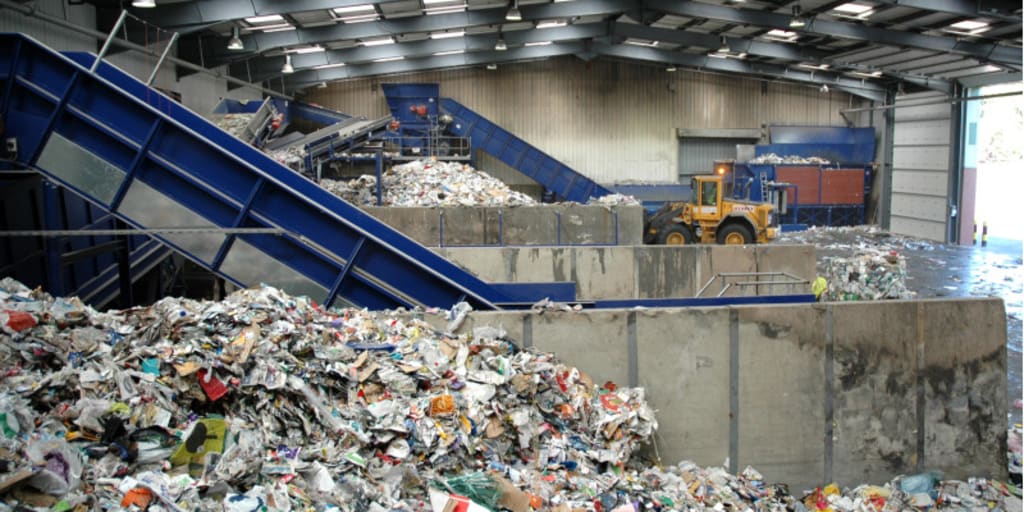
The protection of the environment relies heavily on efficient waste treatment and controlled medications treatment. Effective waste management is more important than ever due to increased consumption habits and an expanding global population. By lowering pollutants and preserving resources, proper waste management reduces its negative effects on the environment.
In addition to its positive effects on the environment, it protects public health and safety by stopping the spread of pollutants and illnesses. Societies may reduce environmental deterioration, improve resource efficiency, and create healthier communities for current and future generations by putting into practice sustainable waste treatment procedures.
In this comprehensive guide, we will explore essential tips and techniques for effective waste treatment.
Understanding Waste Treatment
Waste treatment involves a series of processes aimed at managing and reducing the volume of waste. The primary goal is to minimize the environmental impact and potential health risks associated with waste. There are various methods for waste treatment, each suitable for different types of waste and disposal needs.
Types of Waste
Before diving into treatment techniques, it’s essential to understand the different types of waste:
Municipal Solid Waste (MSW): includes common home waste, including leftover food, paper, and plastics.
Industrial Waste: Generated from manufacturing processes and includes materials like metals, chemicals, and oils.
Hazardous Waste: Waste that poses significant risks to health and the environment, including chemicals, batteries, and medical waste.
Organic Waste: Biodegradable waste like food scraps and yard waste.
The Waste Hierarchy
The waste hierarchy is a framework used to prioritize waste management practices. It emphasizes reducing waste generation and managing waste in a manner that minimizes environmental impact. The hierarchy includes:
Prevention: Avoiding waste creation in the first place.
Reduction: Minimizing the amount of waste produced.
Reuse: Finding ways to use items again.
Recycling: Processing waste materials into new products.
Recovery: Extracting energy or materials from waste.
Disposal: Safely discarding waste that cannot be otherwise managed.
Effective Waste Treatment Techniques
1. Landfilling
Landfilling is one of the most common methods of waste disposal. It involves burying waste in designated areas. While effective, landfills can have significant environmental impacts, such as soil and water contamination. Also, modern landfills use liners and leachate collection systems to mitigate these risks.
2. Incineration
To minimize trash volume, incinerators burn garbage at high temperatures. This method helps to minimize the amount of waste that ends up in landfills and can generate energy in the form of electricity or heat. However, it requires advanced technology to control emissions and minimize air pollution.
3. Composting
Organic waste is naturally broken down into nutrient-rich compost through the process of composting. This technique is highly effective for managing food scraps, yard waste, and other biodegradable materials. Moreover, not only does compost lower trash, but it also yields beneficial soil additives for farming and gardening.
4. Recycling
Recycling involves converting waste materials into reusable resources. Paper, glass, metal, and plastic are among the materials that are recycled often. Effective recycling programs require proper sorting, cleaning, and processing to ensure that materials can be effectively reused.
5. Anaerobic Digestion
Anaerobic digestion is a process that breaks down organic waste in the absence of oxygen, producing biogas and digestate. Digestate may be used as fertilizer and biogas as a sustainable energy source. Therefore, this technique is particularly useful for managing agricultural and food waste.
6. Waste-to-Energy
Waste-to-energy (WtE) technologies convert waste materials into energy. This includes incineration with energy recovery, as well as advanced methods like gasification and pyrolysis. WtE helps reduce landfill use and generates energy but requires careful management to control emissions.
7. Mechanical Biological Treatment
Mechanical biological treatment (MBT) combines mechanical sorting and biological processes to treat waste. It separates recyclables and organic materials from residual waste, which can then be composted or used for energy recovery. Also, MBT helps reduce the volume of waste sent to landfills.
Tips for Effective Waste Management
A list of effective tips includes:-
Educate and Involve the Community: Effective waste management requires participation and awareness. Educate the public about waste reduction and recycling programs.
Implement Waste Segregation: Encourage the separation of waste at the source to facilitate recycling and composting.
Adopt Sustainable Practices: Use products that are recyclable or compostable and support businesses that prioritize sustainability.
Monitor and Evaluate: Regularly assess waste management practices and adjust strategies as needed to improve efficiency.
Final Thoughts
So, effective waste treatment is essential for protecting the environment and promoting public health. By understanding the different types of waste and employing appropriate treatment techniques, we can significantly reduce the impact of waste on our planet. Organizations like CWT (Cleanco Waste Treatment) embrace practices like recycling, composting, and waste-to-energy technologies will help us move toward a more sustainable future.
By following these essential tips and techniques, individuals and communities can contribute to a cleaner, healthier environment and make a positive impact on the world.




Comments
There are no comments for this story
Be the first to respond and start the conversation.