
Why We Still Love Classic Movies in the Age of Streaming
Why We Still Love Classic Movies

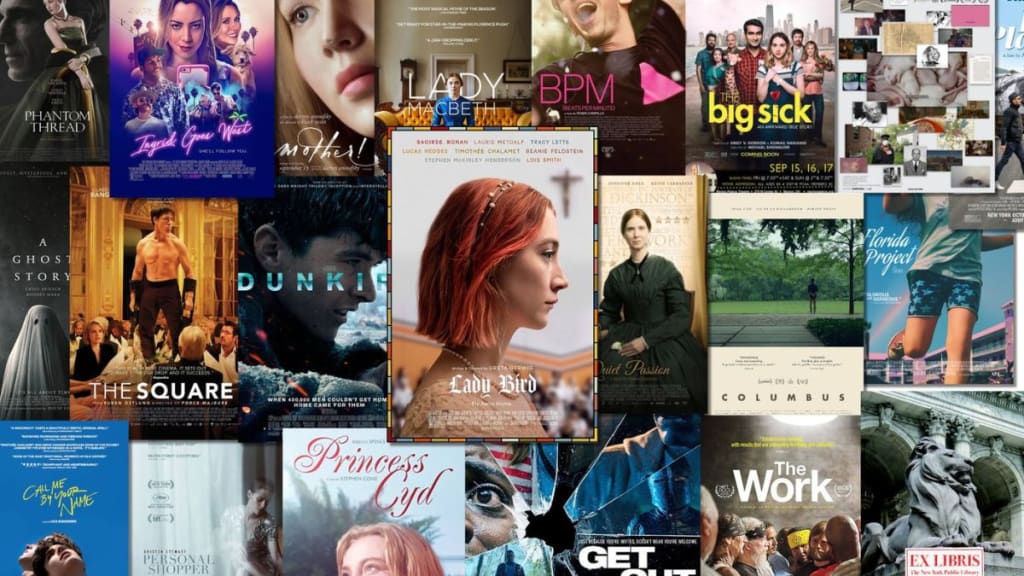
In an era where streaming platforms offer an endless array of new releases and original content, the continued allure of classic movies might seem surprising. Yet, these timeless films remain beloved by audiences, captivating both longtime cinephiles and younger generations discovering them for the first time. But why do classic movies maintain their appeal in an age dominated by convenience and cutting-edge technology? Let’s explore the reasons behind our enduring love for classic cinema.
1. The Timelessness of Great Storytelling
At the heart of every classic movie is a story that resonates. Whether it’s the poignant romance of Casablanca (1942), the adventurous spirit of The Wizard of Oz (1939), or the suspense of Psycho (1960), these films capture universal themes that transcend time.
Emotional Universality
Classic movies often explore emotions and conflicts that are inherently human: love, fear, hope, and loss. These timeless themes create a connection between the film and its audience, no matter when it’s viewed. A modern viewer can still relate to Scarlett O'Hara’s determination in Gone with the Wind (1939) or Atticus Finch’s moral conviction in To Kill a Mockingbird (1962).
Innovative Narratives
Many classic films pioneered storytelling techniques that are still influential today. Citizen Kane (1941), often cited as one of the greatest movies of all time, introduced innovative nonlinear narratives and groundbreaking cinematography that remain a benchmark for filmmakers.
2. The Charm of Iconic Performances
Classic cinema introduced us to some of the most legendary actors and actresses in film history. The charisma of stars like Audrey Hepburn, Humphrey Bogart, James Stewart, and Marilyn Monroe continues to captivate audiences.
Star Power
The “Golden Age” of Hollywood (roughly the 1930s to the 1950s) was defined by larger-than-life stars who brought a unique presence to the screen. These actors embodied a glamour and mystique that remain unmatched. Watching Audrey Hepburn in Breakfast at Tiffany’s (1961) or Cary Grant in North by Northwest (1959) feels like witnessing pure magic.
Enduring Influence
The performances in classic movies set a high standard for acting. Modern actors often cite classic stars as inspirations, and the nuances of their performances are studied in film schools around the world. For example, Marlon Brando’s naturalistic acting in A Streetcar Named Desire (1951) revolutionized performance styles and laid the groundwork for today’s screen acting.
3. A Masterclass in Filmmaking
Classic movies are also celebrated for their technical achievements, many of which laid the foundation for modern filmmaking.
Cinematography and Visuals
Classic films relied on practical effects, striking set designs, and innovative camera work to create memorable visuals. For instance, Metropolis (1927) amazed audiences with its futuristic cityscapes, while Lawrence of Arabia (1962) showcased breathtaking desert vistas.
Music and Scores
The scores of classic films are equally iconic. Composers like Bernard Herrmann (Vertigo, Psycho) and Max Steiner (King Kong, Gone with the Wind) created music that not only complemented the narrative but also became inseparable from the films themselves. Even today, the swelling theme of The Godfather (1972) or the haunting notes of Jaws (1975) instantly evoke the spirit of the films.
4. Nostalgia and Cultural Significance
For many viewers, classic movies are tied to a sense of nostalgia. These films remind us of different eras—not just in cinema but in society.
A Window to the Past
Classic movies offer a snapshot of the cultural, social, and political climates of their time. Watching them allows us to better understand the attitudes, challenges, and triumphs of earlier generations. For example, It’s a Wonderful Life (1946) captures the optimism and resilience of post-World War II America, while Guess Who’s Coming to Dinner (1967) reflects evolving attitudes toward race and relationships.
Shared Family Memories
Classic films often serve as a bridge between generations. Many families pass down their love for movies like The Sound of Music (1965) or Singin' in the Rain (1952), creating shared memories and traditions. Rewatching these films can evoke a comforting sense of familiarity and connection.
5. The Accessibility of Streaming
Ironically, the rise of streaming platforms has made classic movies more accessible than ever before. Services like HBO Max, Criterion Channel, and even Netflix and Amazon Prime host extensive libraries of older films.
Discovering Hidden Gems
Streaming allows younger audiences to discover classic movies with ease. A film like 12 Angry Men (1957), once confined to VHS tapes and niche programming, is now just a click away. This ease of access has introduced a new generation to the timeless brilliance of classic cinema.
Enhanced Viewing Experiences
Many streaming platforms offer restored versions of classic films, enhancing their visual and audio quality. Watching a digitally remastered version of 2001: A Space Odyssey (1968) or The Red Shoes (1948) allows viewers to appreciate these films as they were meant to be seen.
6. Lessons for Modern Filmmaking
Classic movies also hold valuable lessons for today’s filmmakers. They emphasize the importance of storytelling, character development, and emotional resonance—qualities that can sometimes take a backseat to spectacle in modern blockbusters.
Practical Effects and Authenticity
In an age dominated by CGI, the practical effects of classic films feel refreshingly authentic. For instance, the massive sets of Ben-Hur (1959) or the intricate puppetry in The Wizard of Oz (1939) showcase the craftsmanship of an era when filmmakers had to innovate with tangible resources.
The Power of Simplicity
Classic movies often thrived on simplicity, focusing on human emotions and relationships. A film like Roman Holiday (1953) doesn’t rely on flashy effects or convoluted plots—its charm lies in its heartfelt story and endearing characters.
Conclusion: Why Classics Endure
Classic movies endure because they speak to something universal in all of us. They remind us of the power of storytelling, the beauty of artistry, and the importance of preserving our cultural heritage. In the age of streaming, these films are more accessible than ever, allowing new generations to fall in love with them and ensuring their legacy continues.
So next time you’re scrolling through endless streaming options, consider revisiting a classic. Whether it’s a Hitchcock thriller, a Capra tearjerker, or a Wilder comedy, you’ll find stories that resonate just as deeply today as they did decades ago. Classic movies aren’t just relics of the past—they’re timeless treasures that remind us why we fell in love with cinema in the first place.
About the Creator
Decider TV
At Decider TV, we’re more than just a website; we’re your go-to destination for all things entertainment, dedicated to providing you with the latest and greatest in the world of Hollywood movies, and everything in between.
Keep reading
More stories from Decider TV and writers in Critique and other communities.
The Hidden Meanings Behind Your Favorite Movie Tropes
Have you ever watched a movie and found yourself drawn to certain recurring themes or plot devices? These patterns, known as tropes, are the storytelling shortcuts filmmakers use to convey ideas, evoke emotions, and create connections with audiences. But beyond their surface appeal, many movie tropes carry deeper meanings that resonate with our collective psyche and cultural history.
By Decider TVabout a year ago in Critique
Standing While Falling
Quotation from Friedrich Nietzsche "He who wrestles long with monsters should beware lest he himself become a monster. And if you gaze long into an abyss, the abyss also gazes into you. Man is not destroyed by suffering, but by the meaning he makes of it."
By LUCCIAN LAYTH13 days ago in Critique
The African Diaspora and History of Rhetoric: Learning to Learn
When studying the history of rhetoric, many groups were excluded from participating in power and were used, abused, and written off as inferior. Even today African nations have not recovered from being exploited by European powers.
By WILD WAYNE : The Dragon King5 days ago in Critique


Comments
There are no comments for this story
Be the first to respond and start the conversation.