
The Hidden Meanings Behind Your Favorite Movie Tropes
Hidden Meanings Behind Your Favorite Movie

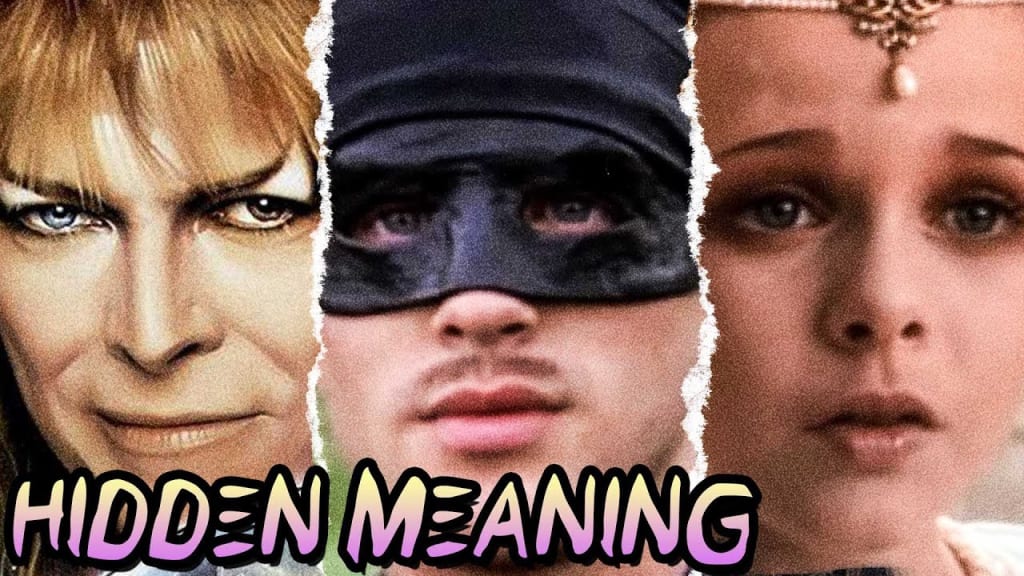
Have you ever watched a movie and found yourself drawn to certain recurring themes or plot devices? These patterns, known as tropes, are the storytelling shortcuts filmmakers use to convey ideas, evoke emotions, and create connections with audiences. But beyond their surface appeal, many movie tropes carry deeper meanings that resonate with our collective psyche and cultural history.
In this article, we’ll uncover the hidden meanings behind some of your favorite movie tropes, exploring why they continue to captivate audiences and how they reflect broader societal trends.
1. The Chosen One
What It Is:
A seemingly ordinary character is revealed to have a unique destiny, often tasked with saving the world or overcoming a monumental challenge. Think Neo in The Matrix, Harry Potter, or Luke Skywalker.
Hidden Meaning:
The Chosen One trope taps into the universal desire to feel special and purposeful. It reflects humanity’s innate search for meaning and the hope that anyone, no matter how ordinary, can achieve greatness. Psychologically, it’s a metaphor for self-actualization—the journey to realizing one’s full potential.
2. The Love Triangle
What It Is:
A character is torn between two romantic interests, creating tension and drama. Examples include Twilight, The Hunger Games, and Casablanca.
Hidden Meaning:
The love triangle trope symbolizes the complexity of human relationships and the internal conflict between passion and stability. It also reflects societal norms around choice and desire, challenging audiences to consider the qualities they value most in relationships.
3. The Mentor’s Sacrifice
What It Is:
A wise mentor guides the protagonist, only to meet an untimely demise. Iconic examples include Obi-Wan Kenobi in Star Wars and Dumbledore in Harry Potter.
Hidden Meaning:
This trope underscores the theme of growth through loss. The mentor’s death often serves as a catalyst for the protagonist to take full ownership of their journey, symbolizing the transition from dependence to self-reliance.
4. The Redemption Arc
What It Is:
A character with a dark past seeks to atone for their sins, ultimately finding redemption. Think of Darth Vader, Severus Snape, or Tony Stark in Avengers: Endgame.
Hidden Meaning:
The redemption arc resonates because it reflects the human capacity for change and forgiveness. It’s a narrative of hope, emphasizing that even those who have strayed far from the path of good can find their way back.
5. The Final Girl
What It Is:
In horror movies, the "final girl" is the last survivor, often defeating the antagonist. Laurie Strode in Halloween and Sidney Prescott in Scream are prime examples.
Hidden Meaning:
The Final Girl represents resilience and empowerment, often subverting traditional gender roles. Her survival can be seen as a critique of societal expectations placed on women, showcasing strength in the face of adversity.
6. The Rags-to-Riches Story
What It Is:
A downtrodden character rises to success through hard work or luck. Films like Cinderella, Slumdog Millionaire, and The Pursuit of Happyness embody this trope.
Hidden Meaning:
This trope appeals to the "American Dream" ethos, symbolizing hope and the belief that perseverance can lead to success. However, it also critiques societal inequalities by highlighting the barriers individuals must overcome.
7. The Fish Out of Water
What It Is:
A character is placed in an unfamiliar setting, leading to comedic or dramatic situations. Examples include Elf, Legally Blonde, and The Princess Diaries.
Hidden Meaning:
The fish-out-of-water trope explores themes of adaptability and identity. It’s a metaphor for personal growth, showing how individuals can thrive even in challenging circumstances.
8. The MacGuffin
What It Is:
An object or goal that drives the plot but may have little intrinsic value. The One Ring in The Lord of the Rings and the briefcase in Pulp Fiction are classic examples.
Hidden Meaning:
The MacGuffin often serves as a narrative device to explore the characters’ motivations and relationships. Its true value lies not in the object itself but in how it influences the story’s dynamics.
9. The Antihero
What It Is:
A protagonist with flaws and morally ambiguous behavior. Characters like Walter White in Breaking Bad and Deadpool embody this trope.
Hidden Meaning:
The antihero reflects the complexities of human nature, challenging the traditional binary of good versus evil. Audiences are drawn to antiheroes because they’re relatable, imperfect, and deeply human.
10. The Happy Ending
What It Is:
The story concludes on a positive note, with the characters finding resolution and happiness. Think of The Sound of Music, La La Land (with a bittersweet twist), or It’s a Wonderful Life.
Hidden Meaning:
The happy ending trope fulfills the human desire for closure and optimism. It reassures viewers that, despite life’s challenges, things can turn out well. However, it can also serve as a critique of our tendency to idealize reality.
Why Tropes Matter
Tropes aren’t just storytelling shortcuts; they’re reflections of the collective human experience. They resonate because they tap into universal emotions, cultural values, and timeless truths. By understanding the hidden meanings behind your favorite movie tropes, you can appreciate films on a deeper level and recognize how storytelling shapes our worldview.
Next time you watch a movie, look beyond the surface. What tropes do you notice, and what might they be saying about you, your culture, and humanity as a whole? Let’s discuss in the comments!
About the Creator
Decider TV
At Decider TV, we’re more than just a website; we’re your go-to destination for all things entertainment, dedicated to providing you with the latest and greatest in the world of Hollywood movies, and everything in between.
Keep reading
More stories from Decider TV and writers in Critique and other communities.
The 10 Most Controversial Movies Ever Made
Cinema has always been a powerful medium for storytelling, capable of inspiring, challenging, and provoking audiences. However, some films push boundaries so far that they ignite widespread controversy. These movies have sparked debates, protests, and even censorship, leaving a lasting impact on both the industry and society. Here are the 10 most controversial movies ever made and why they continue to be talked about today.
By Decider TVabout a year ago in Critique
Who Is Clavicular? The Looksmaxxing Streamer Who Ran Over A Stalker In His Cybertruck
What is so damaging to this current culture is the ant-intellectualism which pervades nearly every element of it. Clavicular, real name, Braden Peters equivocates physical form with getting women, making money, and overall being a strong “man.”
By Skyler Saunders23 days ago in Critique
Catching Up
I know I have not been reading and commenting a lot these past couple weeks, but I have been reading and writing in my old-fashioned composition books and preparing some of those writings for here on Vocal. I have also been researching and writing my study books. I do have one wish for my subscribers here on Vocal.media.com and that is that everyone will have a great year. I do have a request and would like some follow-up on some of my older work and would you guys read or re-read my material and share your thoughts for I am thinking of putting together an anthology.
By Mark Graham5 days ago in Critique
My New Book is Finally Here
My poetry collection Beautiful and Brutal Things is done. It's actually done and finally published over 270 pages. Over a year of my life went into this book. More than a year, really. Long days at my computer, sometimes seven days a week because I couldn't stop even when I probably should have. Then two months of editing that felt harder than the writing itself. But it's finished, and I'm still standing, and the book is real.
By Tim Carmichael2 days ago in BookClub



Comments (1)
Hello, just wanna let you know that if we use AI, then we have to choose the AI-Generated tag before publishing 😊