
Ready Player One: From Page to Screen – A Tale of Nostalgia and Adaptation
How Spielberg’s Vision Transformed Ernest Cline’s Cult Classic

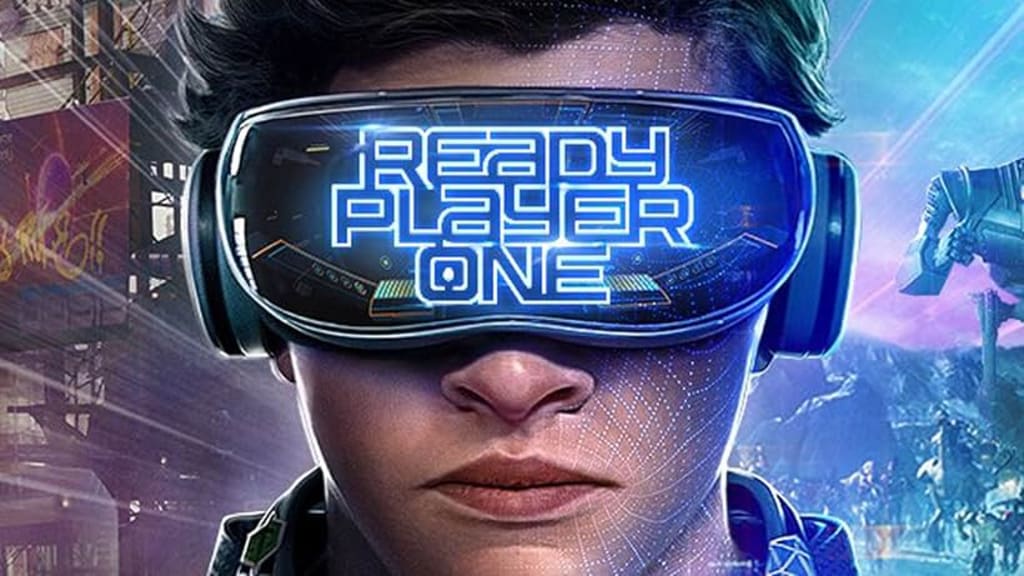
Few stories embody the essence of pop culture nostalgia as effectively as Ready Player One. Ernest Cline’s novel, published in 2011, became an instant hit among gamers and geeks, offering a treasure trove of 1980s references wrapped in a fast-paced virtual adventure. The 2018 film adaptation, directed by Steven Spielberg, promised to bring this digital odyssey to life on the big screen. However, as with many adaptations, significant changes were made—some enhancing the story, others altering its core themes. This review will explore the key differences between the novel and the film, evaluating how each medium delivers its vision.
Faithful Adaptation or Reinvented Narrative?

One of the most notable aspects of the Ready Player One adaptation is how it restructures the original plot. The novel follows protagonist Wade Watts as he navigates the OASIS, a massive virtual reality world, in pursuit of an Easter egg left by the enigmatic James Halliday. The book’s challenges are deeply rooted in 1980s video games and obscure geek culture, requiring Wade to master old-school arcade games and solve intricate puzzles. In contrast, the film streamlines these challenges into more visually dynamic set pieces, such as the high-speed race featuring King Kong and the Overlook Hotel sequence inspired by The Shining.
Spielberg’s film opts for a more action-driven approach, making the OASIS feel grander and more immersive but at the cost of the novel’s intricate puzzle-solving. While the book’s challenges required deep knowledge of pop culture, the film replaces them with thrilling spectacles that prioritize visual engagement over intellectual challenge.
Character Changes and Their Impact

The adaptation also alters key character dynamics. In the novel, Wade’s journey is largely solitary; he spends much of his time researching Halliday’s clues and refining his skills before making meaningful connections with fellow competitors Art3mis, Aech, and others. The film, however, speeds up their interactions, placing Wade and his allies together much earlier in the story. This shift enhances the team-based dynamic but diminishes the sense of isolation and personal growth that defines Wade’s journey in the book.
Additionally, the movie significantly alters the role of antagonist Nolan Sorrento. In the novel, Sorrento is a calculated corporate villain, embodying the dangers of unchecked corporate control over digital spaces. The film portrays him as a more exaggerated, almost comical villain, making his threat feel less menacing. While this change makes for a more family-friendly adventure, it reduces the weight of the story’s critique on corporate greed.
Themes: Escapism vs. Reality

Both the book and the movie explore the theme of escapism, but they approach it differently. The novel delves deeper into the dangers of becoming too absorbed in virtual worlds, with Wade struggling through real-world hardships such as poverty, isolation, and corporate exploitation. The book’s ending suggests that while the OASIS is an incredible escape, reality must still be confronted and valued.
Spielberg’s adaptation softens this message. While the film acknowledges the importance of reality, it presents the OASIS as a thrilling utopia rather than a double-edged sword. The final message—Wade and his friends closing the OASIS twice a week to encourage real-world interaction—feels less impactful than the novel’s more nuanced perspective on digital addiction and the importance of meaningful, offline connections.
The Visual Spectacle vs. The Intellectual Puzzle
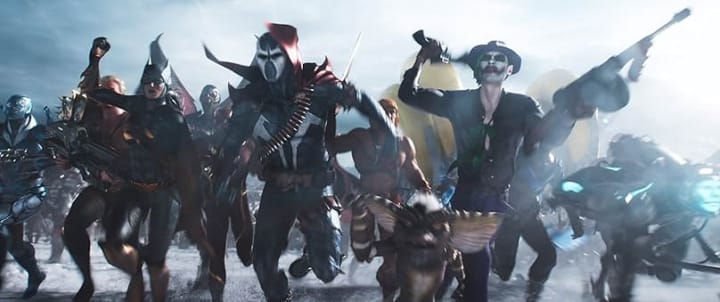
One of the most striking differences between the two versions is the way they engage with nostalgia. The novel deeply immerses readers in 1980s trivia, requiring extensive knowledge of classic games, movies, and music to follow Wade’s journey. The film, however, takes a broader approach, incorporating mainstream pop culture references spanning multiple decades. This makes the adaptation more accessible but sacrifices some of the book’s depth and exclusivity that appealed to hardcore fans.
Spielberg’s emphasis on action and cinematic spectacle shifts the focus from intellectual challenges to visually engaging sequences. While this creates an exciting viewing experience, it also simplifies the sense of discovery that made the book so appealing. The movie prioritizes high-energy moments over slow-burn problem-solving, which may disappoint those who loved the cerebral aspects of the novel.
Conclusion: Which Version Triumphs?

Ultimately, Ready Player One succeeds in both mediums, albeit in different ways. The novel provides a richer, more introspective experience for readers who enjoy deep-cut pop culture references and a more cerebral adventure. The film, on the other hand, offers an exhilarating visual spectacle that captures the essence of the story while simplifying its complexity for a broader audience.
For fans of the book, the movie might feel like a streamlined adaptation that sacrifices some depth for blockbuster appeal. However, for those who experience Ready Player One for the first time through the film, it serves as a thrilling introduction to Cline’s imaginative universe. Whether on the page or on the screen, Ready Player One remains a love letter to geek culture—one that invites audiences to lose themselves in nostalgia while reminding them to embrace the real world.
Nostalgia is one of the pillars of Ready Player One, packed with references to classic video games and pop culture. If you want to understand better how games can evoke this feeling and transport us back in time, check out this article on the psychology of nostalgia in gaming:
About the Creator
Bounty Hunter
RPG storyteller, worldbuilder and game designer exploring immersive narratives.
Keep reading
More stories from Bounty Hunter and writers in Critique and other communities.
Why Some Adaptations of Books Fail (And a Few That Get It Right)
Translating a beloved book into a successful movie is no easy feat. Fans expect to see their favorite characters and storylines faithfully recreated, while filmmakers must balance runtime constraints, cinematic storytelling, and studio demands. Some adaptations become instant classics, while others fail spectacularly, alienating audiences and disappointing readers. But what separates a great adaptation from a disaster? Let’s break down where things go wrong—and highlight a few adaptations that actually got it right.
By Bounty Hunter 11 months ago in Critique
Standing While Falling
Quotation from Friedrich Nietzsche "He who wrestles long with monsters should beware lest he himself become a monster. And if you gaze long into an abyss, the abyss also gazes into you. Man is not destroyed by suffering, but by the meaning he makes of it."
By LUCCIAN LAYTH5 days ago in Critique
Mistakes in Stranger Things - Season 5
Stranger Things 5: A Train Wreck of Lazy Writing and Brand Blunders When Stranger Things first dropped in 2016, it was a masterpiece of atmosphere and tight storytelling. It felt like a love letter to the 80s. Fast forward to Season 5, and that love letter has been shredded. What we got instead was a bloated, nonsensical mess that felt like the creators were just checking boxes to get it over with. It wasn't just a disappointment; it was a total collapse of the logic and stakes that made us care about Hawkins in the first place.
By Teodor Monescu6 days ago in Critique



Comments
There are no comments for this story
Be the first to respond and start the conversation.