
Why Some Adaptations of Books Fail (And a Few That Get It Right)
Turning Pages into Frames: The Struggle of Bringing Books to the Screen

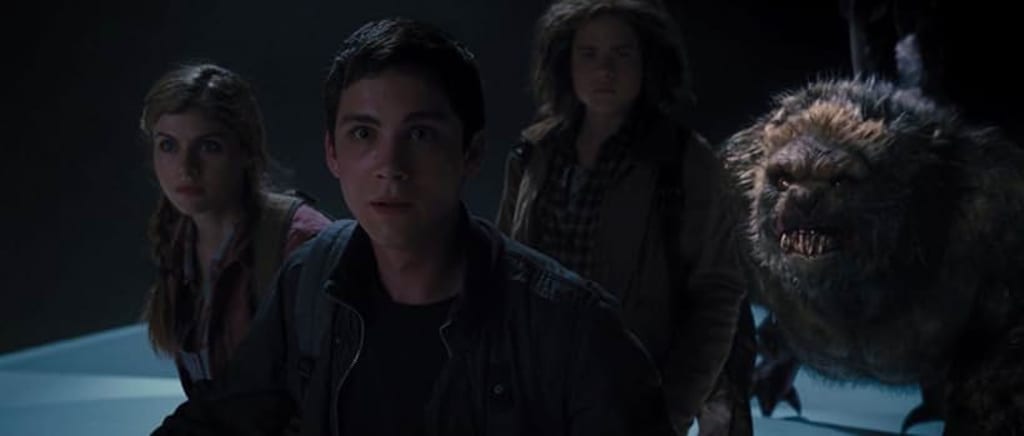
Translating a beloved book into a successful movie is no easy feat. Fans expect to see their favorite characters and storylines faithfully recreated, while filmmakers must balance runtime constraints, cinematic storytelling, and studio demands. Some adaptations become instant classics, while others fail spectacularly, alienating audiences and disappointing readers. But what separates a great adaptation from a disaster? Let’s break down where things go wrong—and highlight a few adaptations that actually got it right.
Where It All Goes Wrong: Common Pitfalls in Adaptations
1. Over-Simplification and Rushed Storytelling
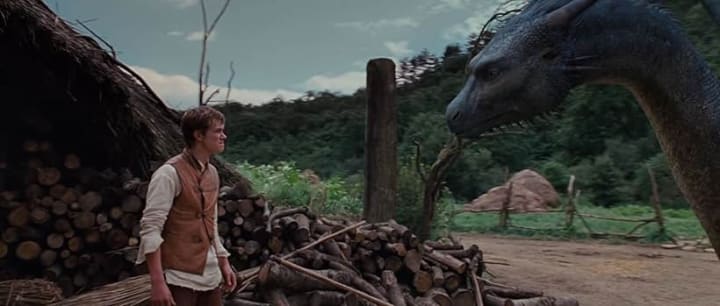
One of the biggest challenges in adapting books to movies is condensing complex narratives into a two-hour runtime. Often, this leads to major plot points being cut or characters being removed, weakening the depth of the story.
A prime example is Eragon (2006), based on Christopher Paolini’s bestselling novel. The movie drastically simplified the book’s intricate world-building, skipping key character development and lore. Fans were left with a generic fantasy film that barely resembled the source material, making it one of the most infamous failed adaptations in recent history.
2. Straying Too Far from the Source Material
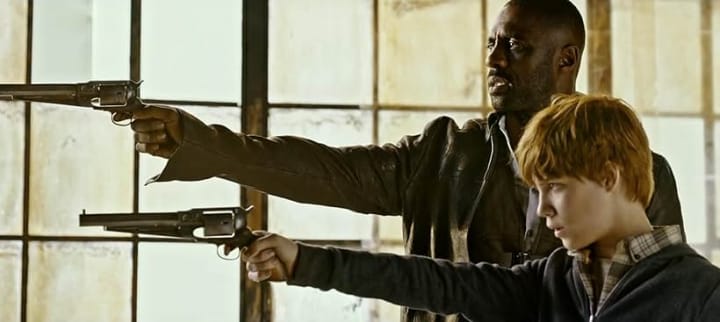
While some changes are necessary for a good adaptation, others can completely derail a story. When a film ignores the heart of the original book, fans feel betrayed.
Take The Dark Tower (2017), adapted from Stephen King’s expansive fantasy series. Instead of faithfully recreating King’s dark, layered storytelling, the movie condensed multiple books into a single, disjointed narrative. It failed to capture the depth of Roland’s journey, disappointing both longtime readers and newcomers alike.
3. Poor Casting and Character Changes
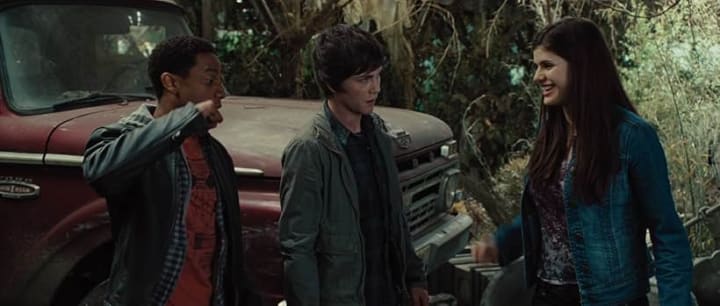
Characters are the heart of any story, and casting missteps or unnecessary personality changes can ruin a film’s authenticity. A strong example is the original Percy Jackson & The Olympians films, which miscast crucial characters and aged them up significantly, removing much of the charm and humor from Rick Riordan’s books.
Even Riordan himself was vocal about his dissatisfaction, calling the films unfaithful to the spirit of his work. This ultimately led to the franchise being rebooted as a Disney+ series, aiming for a more accurate adaptation.
When It Works: Examples of Great Adaptations
Not all adaptations fail—some manage to translate the essence of the book while making smart cinematic choices. Here are three that got it right:
1. The Lord of the Rings (2001-2003) – A Masterclass in Adaptation
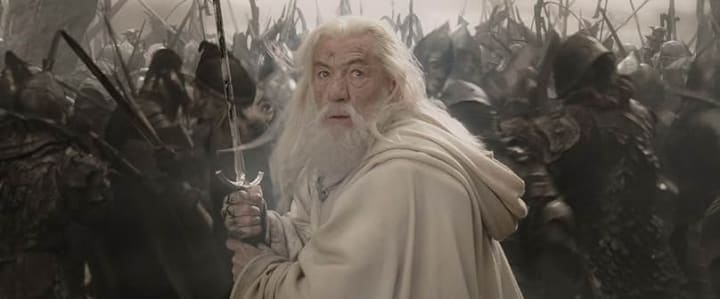
Peter Jackson’s The Lord of the Rings trilogy is often cited as the gold standard of book-to-movie adaptations. Despite making changes, such as removing Tom Bombadil and altering certain character arcs, Jackson stayed true to the heart of Tolkien’s epic. The films maintained the depth, themes, and emotional weight of the books while using cinema’s strengths—stunning visuals, a powerful score, and masterful pacing—to enhance the storytelling.
2. It (2017-2019) – A Different Approach, but the Same Terror
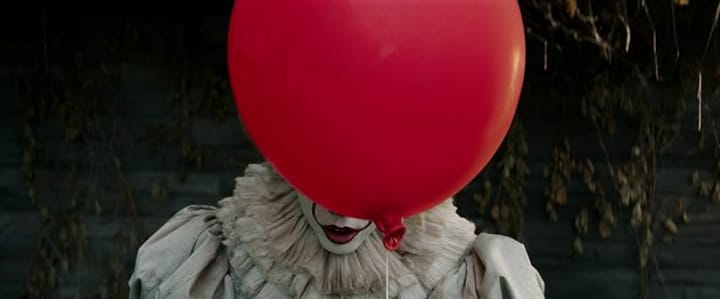
Stephen King's It is a sprawling novel filled with psychological horror, childhood trauma, and supernatural terror. The 2017 and 2019 films adapted the story by splitting it into two chronological parts, a departure from the book’s dual-timeline structure. However, this change allowed for a deeper exploration of the Losers’ Club’s childhood and adulthood separately, preserving the novel’s emotional core.
Bill Skarsgård’s chilling portrayal of Pennywise, combined with strong performances from the cast, brought King’s vision to life in a visually striking and emotionally resonant way. While some subplots were omitted, It remained one of the most faithful and well-received adaptations of King’s work.
3. Dune (2021) – Respecting the Source While Modernizing It
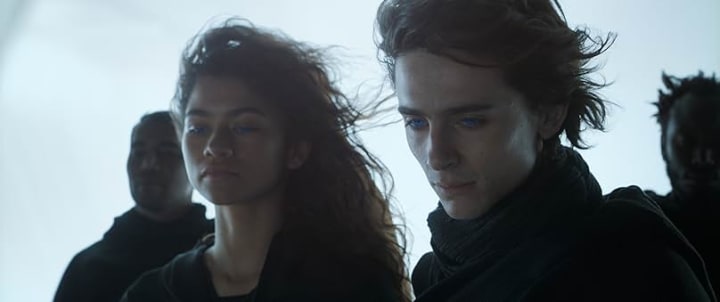
Denis Villeneuve’s Dune managed to accomplish what the 1984 adaptation couldn’t—staying true to Frank Herbert’s vision while making the complex world more digestible for modern audiences. The film’s visual storytelling, minimalist dialogue, and faithfulness to the book’s themes of power and survival made it a critical and commercial success. By splitting the story into two parts, Villeneuve avoided the common pitfall of rushed storytelling.
The Fine Line Between Faithfulness and Creativity
A great adaptation isn’t about being 100% faithful to the book—it’s about capturing its essence. Some of the best adaptations take creative liberties that enhance the story rather than diminish it. On the other hand, when studios prioritize spectacle over storytelling or ignore what made the book special, the results are often disappointing.
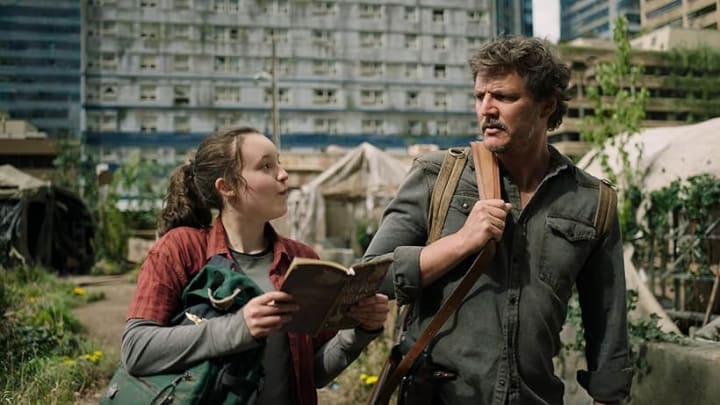
Adaptations like Game of Thrones (which started strong but faltered when it ran out of book material) show that understanding the core of a story is crucial. Meanwhile, projects like The Last of Us (HBO series) demonstrate that when done right, an adaptation can even surpass its source material.
A Story Well Told
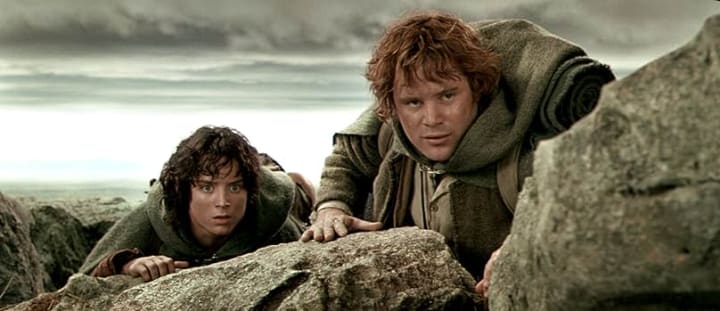
Book-to-screen adaptations will always be a challenge, walking the fine line between staying true to the source material and making a story work on screen. When done right, they introduce beloved tales to new audiences and enhance the experience for longtime fans. When done poorly, they become cautionary tales of wasted potential.
The best adaptations prove that storytelling isn’t just about copying words from page to screen—it’s about understanding why those words resonated in the first place. Whether through faithful recreations or bold reimaginings, the key is always the same: respect the heart of the story.
About the Creator
Bounty Hunter
RPG storyteller, worldbuilder and game designer exploring immersive narratives.
Keep reading
More stories from Bounty Hunter and writers in Critique and other communities.
The Failure of RPG Adaptations in Cinema: Why Hollywood Doesn’t Understand Role-Playing Games
For decades, Hollywood has attempted to adapt role-playing games (RPGs) into movies, often with disastrous results. Whether it’s the infamous Dungeons & Dragons (2000) or other lesser-known attempts, RPG films frequently fail to capture the essence of the games they are based on. But why does this happen? Why do movies inspired by RPGs rarely succeed critically or commercially? This article explores the key reasons behind this ongoing failure and examines what Hollywood could learn to improve future adaptations.
By Bounty Hunter about a year ago in Critique
Cassie and Johnny
I’m the kind of dame you notice. I’m no femme fatale, but you can’t ignore me, at least not until I warn you about what’s coming, then everybody ignores me. Hell, they usually blame me afterwards and give Johnny all the credit for saving the day, but my Johnny couldn’t save a seat at the movies without my help. Sure, he’s brawny, but brainy? Not so much. Like that time I asked him to spot me five bucks, and he said he didn’t see it anywhere on me, and believe you me, he looked but good.
By Harper Lewis16 days ago in Critique
Twenty Children Sat in the Same Classroom - But Their Futures Were Already Being Written
I wrote this after reflecting on many classrooms I’ve been part of as a teacher. Sometimes the quietest student in the room is carrying the heaviest story. I’d love to hear from others - was there a student in your class who surprised everyone later in life?
By Lori A. A.5 days ago in Critique


Comments
There are no comments for this story
Be the first to respond and start the conversation.