
The Lindy Chamberlain Case: The Mother Accused of a Crime That Shocked Australia
In 1980, Lindy Chamberlain's life was shattered when her nine-week-old daughter, Azaria, disappeared from a campsite near Uluru. Lindy claimed a dingo had taken her baby, but her assertion was met with widespread skepticism. Amid intense media scrutiny and public judgment, Lindy was accused and wrongfully convicted of murder, sparking one of Australia's most infamous legal battles. Her journey from grief to wrongful imprisonment and eventual exoneration reveals the flaws in the justice system and the power of resilience.

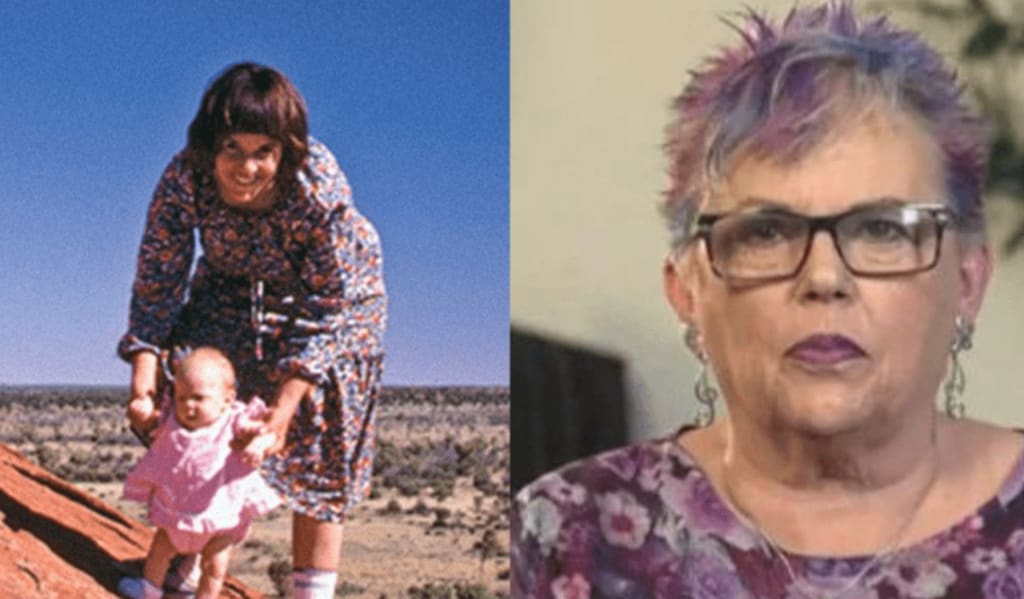
The Lindy Chamberlain case, a story that gripped Australia and the world, is one of the most compelling and controversial legal battles in history. Accused of murdering her own daughter, Lindy Chamberlain faced the harsh judgment of the public and the legal system. This article delves into the harrowing details of the case, the subsequent fight for justice, and the resilience that ultimately led to her exoneration.
A Tragic Night in the Outback
On the night of August 17, 1980, Lindy Chamberlain and her family were camping near Uluru, one of Australia's most iconic landmarks. In a horrifying turn of events, Lindy’s nine-week-old daughter, Azaria, disappeared from their tent. Lindy claimed that a dingo, a wild Australian dog, had taken her baby. This shocking claim was met with widespread skepticism and disbelief.
The Rush to Judgment
The case quickly became a national sensation, with media coverage often portraying Lindy in a negative light. Her calm demeanor and religious background were scrutinized and misinterpreted as signs of guilt. The public and authorities were quick to judge her, influenced by the sensationalist reporting that painted her as a cold and calculating murderer.
Despite the lack of concrete evidence, the Northern Territory Police launched an intense investigation. The initial inquest supported Lindy’s account, but a second inquest was opened, driven by public outcry and the relentless pursuit of answers. In 1982, Lindy was charged with murder, and her husband Michael was charged as an accessory after the fact.
The Trial and Conviction
The trial of Lindy Chamberlain was marked by a series of controversial forensic analyses and testimonies. The prosecution presented evidence, including alleged bloodstains in the family’s car and a pair of scissors, which they claimed were used to cut Azaria’s throat. However, the reliability of this evidence was highly questionable, with several forensic experts later discrediting it.
Despite the flimsy evidence, Lindy Chamberlain was convicted of murder and sentenced to life imprisonment. Michael Chamberlain received a suspended sentence. The conviction sent shockwaves through Australia, with many believing that a grave miscarriage of justice had occurred.
Years of Injustice
Lindy Chamberlain spent over three years in prison, enduring immense personal and emotional suffering. Her case became a symbol of the flaws within the judicial system and the dangers of trial by media. During her imprisonment, supporters rallied for her release, believing in her innocence and calling for justice.
In 1986, a significant breakthrough occurred when a British tourist fell to his death near Uluru. His body was found in a location that led authorities to discover a piece of Azaria’s clothing, further supporting Lindy’s claim that a dingo was responsible. This discovery prompted a review of the case, and in 1987, Lindy Chamberlain was released from prison.
Exoneration and Redemption
It wasn’t until 1992 that the Northern Territory Court of Criminal Appeals officially quashed Lindy and Michael Chamberlain’s convictions. A subsequent royal commission into the case revealed significant errors in the forensic evidence used during the trial, ultimately confirming that a dingo had indeed taken Azaria.
The Chamberlains received compensation for their wrongful imprisonment, but no amount of money could erase the pain and suffering they had endured. Lindy Chamberlain’s resilience in the face of such adversity remains an inspiring testament to the human spirit’s capacity for endurance and hope.
A Legacy of Change
The Lindy Chamberlain case had far-reaching implications for the Australian legal system and public perception. It highlighted the dangers of media influence on judicial proceedings and the critical need for reliable forensic science. The case prompted significant changes in how forensic evidence is handled and presented in court, ensuring greater accuracy and fairness in future trials.
To conclude the story of Lindy Chamberlain is one of tragedy, injustice, and ultimately, vindication. Her wrongful conviction and subsequent exoneration underscore the importance of a fair and just legal system, free from the influence of media sensationalism. Lindy Chamberlain’s strength and resilience in the face of immense adversity continue to inspire and remind us of the need for vigilance in the pursuit of justice. Her case stands as a powerful example of how the truth can prevail, even against overwhelming odds.
About the Creator
Jane Doe
As a passionate storyteller, I captivate readers with engaging, well-researched articles across genres from criminality and poems to lifestyle and more....
Join me for insights, tips, and narratives that inform and entertain.
Story of Larry Hoover
Larry Hoover Legacy in Reform and Pop Culture For more than half a century, the name Larry Hoover has carried a weight that echoes through Chicago’s history and American urban culture. Often discussed in connection with crime, controversy, or organized street life, Hoover’s identity became a symbol far larger than the man himself. But beyond the headlines, beyond the mythology, and beyond the notoriety, there exists a lesser‑known story: the story of a human being who evolved, reflected, transformed, and worked to redirect others from the path he once walked. It is this story — the one buried beneath decades of public narrative — that reveals the depth of Larry Hoover’s transformation.
By Organic Products 3 days ago in Criminal
Silver Screen Magic with Mae West
American actress and singer Mae West became a popular film actress during the Great Depression. She started entertaining in vaudeville, then performed on Broadway, and finally went to Hollywood. She signed up with Paramount Pictures and made her debut in the 1932 film “Night After Night.” She also starred in musicals, comedies, and crime dramas. The American Film Institute named her one of the best classic Hollywood actresses.
By Rasma Raisters6 days ago in Geeks




Comments
There are no comments for this story
Be the first to respond and start the conversation.