

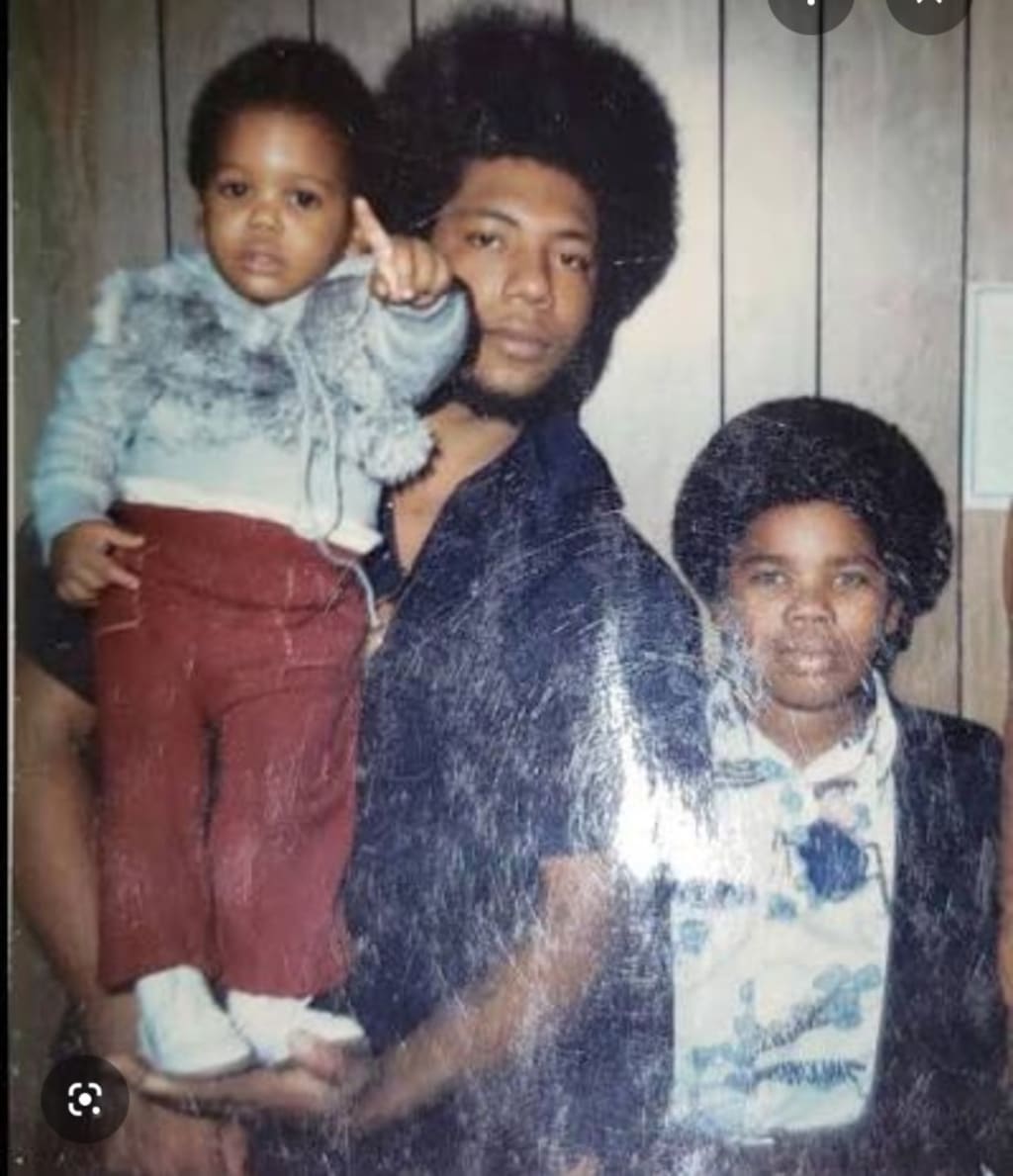
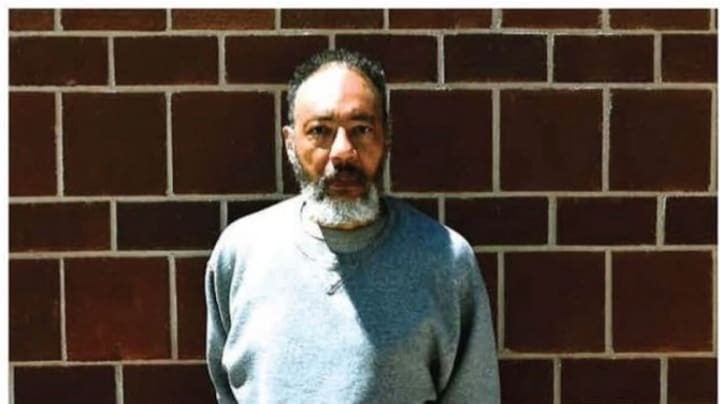
For more than half a century, the name Larry Hoover has carried a weight that echoes through Chicago’s history and American urban culture. Often discussed in connection with crime, controversy, or organized street life, Hoover’s identity became a symbol far larger than the man himself. But beyond the headlines, beyond the mythology, and beyond the notoriety, there exists a lesser‑known story: the story of a human being who evolved, reflected, transformed, and worked to redirect others from the path he once walked. It is this story — the one buried beneath decades of public narrative — that reveals the depth of Larry Hoover’s transformation.
Born in 1950 in Jackson, Mississippi and raised on Chicago’s South Side during a period marked by intense racial discrimination, poverty, and systemic neglect, Hoover’s early life was shaped by forces outside any child’s control. Like many young Black men surviving in hostile conditions, he gravitated toward the only structures available: neighborhood groups that offered protection, identity, and belonging. These environments were not designed to nurture success; they were shaped by abandonment, inequality, and broken social systems. Hoover’s early choices, made in a world with limited opportunity, would set him on a path that ultimately led to incarceration at the age of twenty‑two.
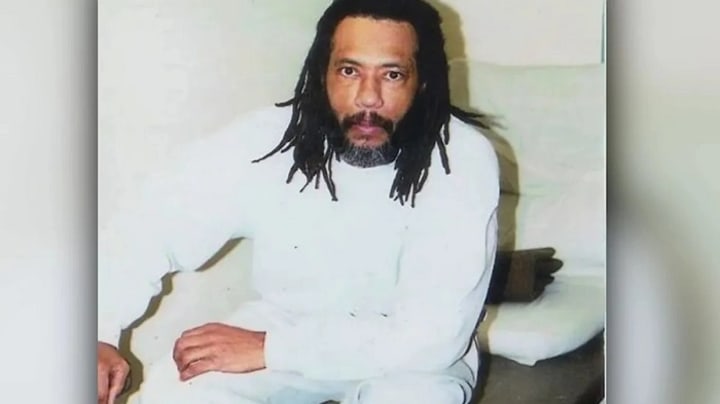
Yet it is within prison — a place synonymous with confinement and silence — that Hoover’s most profound transformation occurred. Removed from the chaos of the streets and stripped of the power associated with his name, he faced decades of uninterrupted introspection. The young man who once navigated survival and leadership in Chicago’s unforgiving landscape matured into an elder who understood the consequences of his past and the impact of the systems surrounding him. Instead of allowing his environment to harden him, Hoover turned inward, seeking knowledge, self‑discipline, and purpose.
Over time, he developed a new philosophy, known as Growth & Development — a doctrine built not on crime, but on education, self‑improvement, economic responsibility, and peace. His message encouraged young men to free themselves from the cycles of violence, incarceration, and generational trauma that plagued their communities. Former incarcerated individuals often describe Hoover not as a feared figure, but as a mentor who urged them to pursue schooling, embrace discipline, and think beyond the narrow constraints of street life.
Through letters, discussions, and personal example, Hoover emphasized principles rarely associated with his past: accountability, reflection, and upliftment. He openly acknowledged the pain caused by violence in the communities where he once held influence. He repeatedly urged his name not to be used to justify harm. And above all, he insisted that the youth of Chicago — and anywhere else his message reached — reject the destructive patterns that defined his early years.
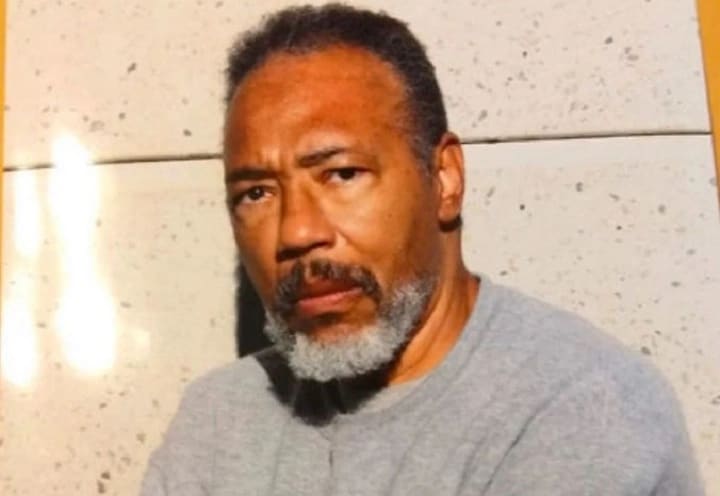
The transformation of Larry Hoover challenges society to confront its beliefs about redemption and rehabilitation. America’s justice system often speaks of second chances, yet seldom acknowledges when individuals genuinely change. Hoover’s decades of positive influence, introspection, and commitment to peace invite an uncomfortable but necessary question: *What should be done when a person evolves far beyond the individual they once were?* His story is not an attempt to erase the past, nor to deny the seriousness of the actions associated with his name. Rather, it is a testament to the human capacity for growth — even under the harshest circumstances.
Today, at seventy‑plus years old, Hoover represents not a symbol of fear, but a symbol of transformation. Age, time, and wisdom have shaped him into a figure whose greatest contributions are no longer tied to the street legacy for which he is often remembered, but to the moral and intellectual guidance he has offered from behind prison walls. He seeks not to glorify past actions, but to turn his life into a cautionary tale — one that warns young people not to repeat the mistakes that cost him his freedom.
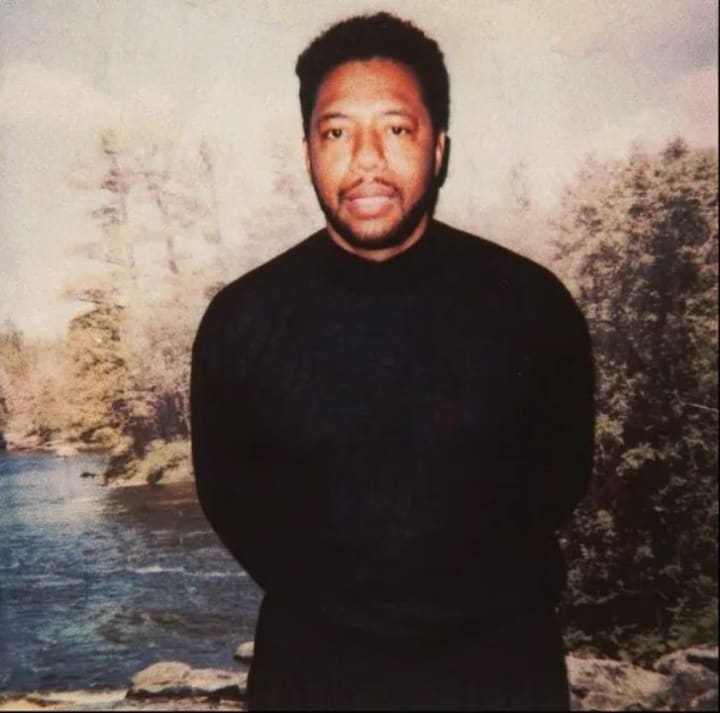
The full measure of a person cannot be captured by a single chapter of their life. Larry Hoover’s transformation reminds us that people are not frozen in their pasts, and that even in the most restrictive conditions, a human spirit can grow, develop, and inspire others to do the same. His story invites us to reimagine justice not merely as punishment, but as possibility — the possibility that change is real, that redemption is meaningful, and that even lives marked by complexity can offer lessons capable of improving the world.
On a cool December night in Los Angeles, thousands gathered inside the historic Memorial Coliseum, unaware they were about to witness an event unlike anything the city had seen. The year was 2021 — a year marked by public tension, feuds, and a silent battle between two of the biggest names in music: Kanye West and Drake.
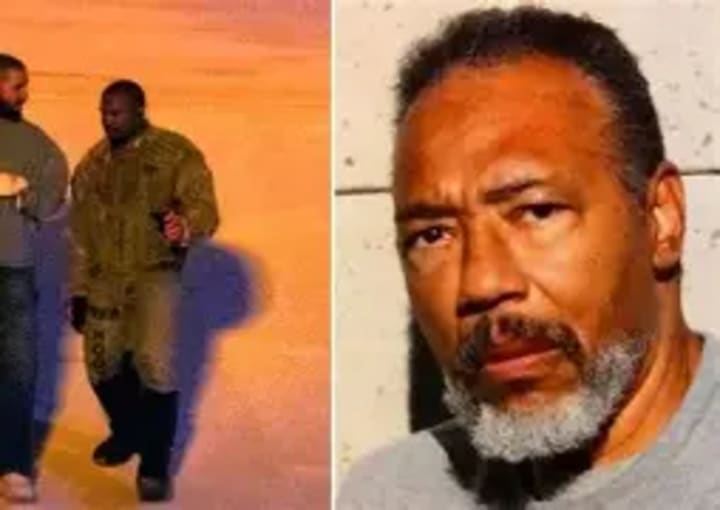
For months, their rivalry played out in headlines and album charts. Donda and Certified Lover Boy became more than albums — they became symbols of artistic competition. Fans took sides, the industry buzzed, and the world watched.
But somewhere behind the noise, a quiet mission began to form.
Under the guidance of music executive J Prince, the two megastars agreed to set aside their differences for something far larger than themselves: a benefit concert meant to shine a spotlight on prison reform and the controversial case of incarcerated Chicago figure Larry Hoover.
On December 9, 2021, as the lights dimmed across the Coliseum and the crowd erupted in anticipation, Kanye West stepped onto the massive circular stage — joined by his Sunday Service Choir. Their voices rose through the stadium like a modern-day hymn, setting the tone for a night rooted in purpose instead of spectacle.
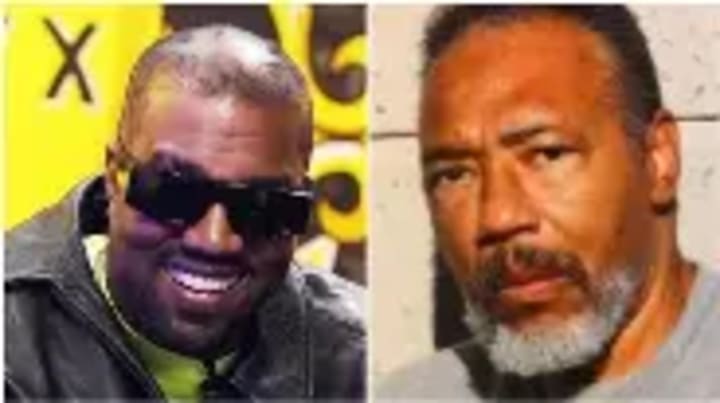
Moments later, Drake appeared as the evening’s special guest, turning what many believed impossible into reality: two former rivals performing side-by-side.
Broadcast live across the world through Amazon Prime Video, Twitch, and even IMAX theaters, the concert became the first of its kind — a fusion of music, technology, unity, and advocacy. Viewers from around the globe watched as Kanye performed classics he hadn’t touched in years, and Drake delivered some of his biggest anthems with the energy of reconciliation.
What began as a feud ended as a message:
people can grow, relationships can heal, and influence can be used for change.
The Free Larry Hoover Benefit Concert lasted 124 minutes — but its impact lasted far longer. It became a cultural moment where artistry met activism, and where two of the world’s most powerful musicians proved that even in a fractured industry, unity is still possible.
About the Creator
Organic Products
I was born and raised in Chicago but lived all over the Midwest. I am health, safety, and Environmental personnel at the shipyard. PLEASE SUBSCRIBE to my vocal and check out my store
Keep reading
More stories from Organic Products and writers in Criminal and other communities.
What DHS Secretary Kristi Noem said vs. what the videos show
NBC News and PBS recapped the competinBelow is a structured, evidence-backed analysis of the Minneapolis ICE shooting and the claims made by DHS Secretary Kristi Noem—including the applicable federal laws/policies and how intent vs. recklessness factor into a potential case. I’ll keep this clear, precise, and grounded in the video evidence and governing law.
By Organic Products 2 months ago in Criminal
She Killed Her Sister When She Gave The Teen's Virginity to Her Boyfriend
Any person who can rape and kill an innocent member of their family is truly depraved. One who later admits they enjoyed it is truly demonic. Yet, a woman who took her criminal behavior to the depths of depravity is not even behind bars.
By Criminal Matters5 days ago in Criminal


Comments
There are no comments for this story
Be the first to respond and start the conversation.