
The Island of death
1. A Dark Island Shrouded in Mystery

Every culture has its own crime and detective stories that shape the way readers think about justice, courage, and truth. For Urdu readers, few names carry as much weight as Ishtiaq Ahmed. His novels introduced generations to mysteries full of suspense, danger, and moral lessons. One of his most memorable works is Maut Ka Jazeera (The Island of Death), a story that blends adventure with crime in a way that keeps you turning the pages late into the night.
I first came across this story in its original Urdu version, and even years later, I still remember the sense of unease the title itself created. An island with such a name could only mean one thing: danger. Translating and retelling it here is my attempt to bring this thrilling story to a wider audience.
A Place with a Dark Reputation
The novel begins with rumors of a strange island that locals whisper about but never dare to visit. They call it the “Island of Death” because people who travel there simply never return. Some say it is haunted, others believe it is cursed.
But for Inspector Jamshed, the detective at the center of this story, the explanation is much simpler: crime. He suspects that the island is being used for illegal purposes, and his instincts rarely fail him.
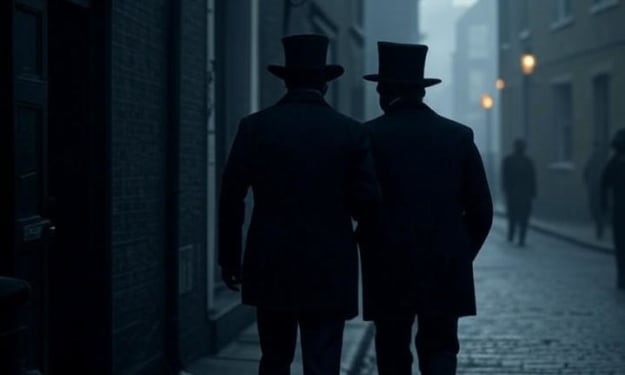
From the very first pages, Ahmed sets up a haunting environment. You can almost picture the rough sea, the rocky shores, and the silence that hangs heavy over the island.
---
i
One of the unique aspects of Ishtiaq Ahmed’s writing is that his detective is not a lone wolf. Inspector Jamshed often works with his children—Mehmood, Farooq, and Farzana—who become part of his investigations. They are not treated as background characters but as active participants who solve problems, notice details, and sometimes save the day.
This gives the novel a warmth that balances the darker elements of the crime story. It is not just about justice but also about family and loyalty.
The Journey to the Island
When Jamshed begins to dig into the mystery, the resistance comes quickly. Anonymous threats, strange “accidents,” and clear warnings try to push him back. But, true to his nature, he refuses to give up. For him, danger is not a reason to retreat—it is a sign that he is close to the truth.
Eventually, he and his children reach the dreaded island. What they find is far worse than rumors. Instead of ghosts or curses, the island hides a criminal fortress.
---
A
The “Island of Death” is, in reality, a hub for illegal activities. Smugglers use it to move drugs, weapons, and stolen goods. The gang that controls it has filled the place with hidden tunnels, secret rooms, and deadly traps. Anyone who discovers their operations is silenced forever, which explains the island’s terrifying reputation.
At this point, the novel shifts gears from mystery to high-stakes adventure. Jamshed and his family must navigate traps that could kill them at any moment.
Suspen
Ishtiaq Ahmed has a knack for building tension. Just when you think the heroes are safe, another danger appears. Poison gas chambers disguised as caves, collapsing bridges, sudden ambushes—every corner of the island is designed to test their courage.
Farooq and Mehmood often show quick thinking in tight situations, while Farzana notices small details that help them avoid traps. Jamshed himself remains calm and analytical, the anchor that keeps the team grounded.
Reading these chapters, you can feel your heartbeat rise. It is not just a detective story—it feels like a survival game.
The Man Behind the Mask
Of course, every criminal empire has a leader. In Maut Ka Jazeera, the mastermind is not a pirate or a ganglord, but a wealthy businessman with a polished reputation. To the outside world, he appears generous and respectable. Behind the curtain, he is the ruthless force running the deadly operations on the island.
This twist adds depth to the novel. It is not only about criminals hiding in shadows—it is about how evil can wear a mask of respectability.
The Final Battle
The last act of the novel is explosive, both literally and figuratively. Inspector Jamshed and his children face the criminals in a dramatic showdown filled with gunfire, explosions, and near escapes.
The mastermind believes that his wealth and power will protect him, but Jamshed proves otherwise. Using strategy and bravery, the heroes dismantle the entire network. The island fortress is destroyed, the criminals are captured, and peace returns.
Lessons Hidden in the Story
Like many of Ishtiaq Ahmed’s works, Maut Ka Jazeera is not just entertainment. It carries strong moral lesson
Justice always wins – Crime may be powerful, but it cannot outlast truth.
Family unity matters – The bond between Jamshed and his children is as important as his detective skills.
Courage and intelligence defeat evil – Bravery alone is not enough; thinking smartly is what ensures survival.
Appearances deceive – The mastermind reminds us that some of the worst people hide behind wealth and respectability
W
Althou
t
Retelli
A
t
About the Creator
Donald Trump Withdrawing U.S. Forces From Qatar Amid Fears of Iranian Escalation
Donald Trump Considers Withdrawing U.S. Forces From Qatar Amid Fears of Iranian Escalation The recent killing of approximately 2400 protesters in Iran has once again drawn global attention to the deep political and security crisis inside the country. These deaths, linked to widespread demonstrations against economic hardship, political repression, and government authority, have intensified regional tensions and raised serious concerns about Iran’s internal stability. As unrest grows and the risk of external escalation increases, the security balance in the Middle East has come under renewed scrutiny.
By America today a day ago in Criminal



Comments
There are no comments for this story
Be the first to respond and start the conversation.