
Beyond the Speed of Sound: The Definitive Masterclass on Subsonic Reloading Data
Masterclass on Subsonic Reloading Data

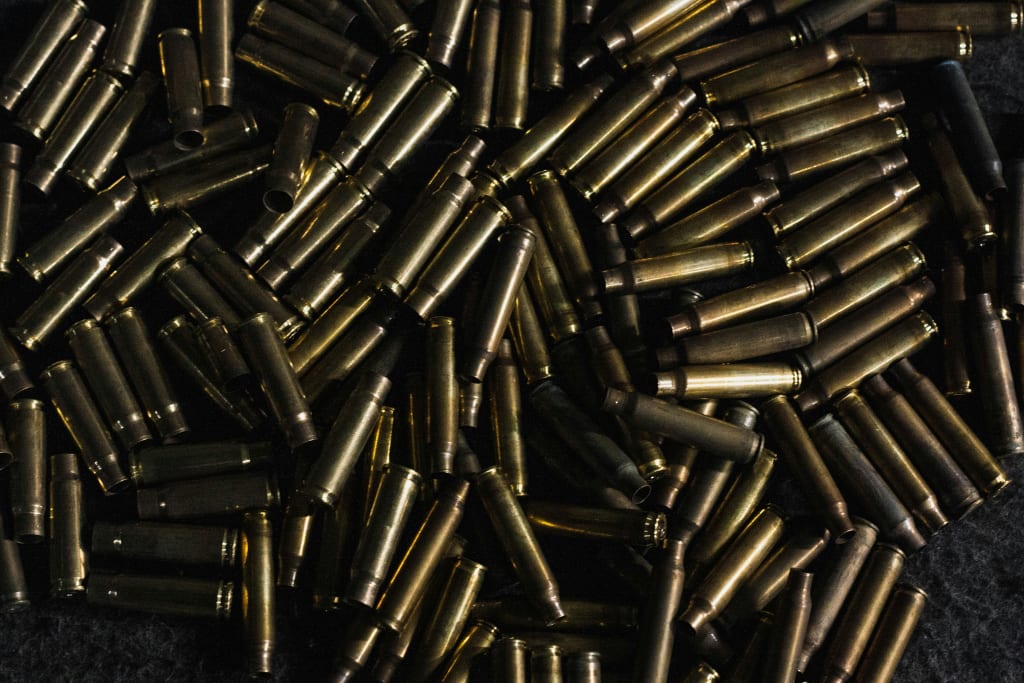
In the realm of precision shooting, silence is the ultimate luxury. Whether you are a suppressed-rifle enthusiast, a tactical practitioner, or a noise-sensitive varmint hunter, the allure of a "Hollywood quiet" shot is undeniable. However, achieving that perfect, stable "thud" without the supersonic crack requires more than just a light powder charge—it requires a specialized understanding of subsonic reloading data.
We specialize in the intersection of traditional handloading and advanced computational ballistics. This guide dives deep into the physics of subsonic flight, the risks of low-density loads, and how to use software to master the science of stealth.
What is Subsonic Reloading Data?
Subsonic reloading data provides the specific parameters—powder choice, projectile weight, and seating depth—needed to keep a bullet’s muzzle velocity below the local speed of sound (approximately 1,125 fps at sea level).
The goal is to eliminate the compressed air shockwave (sonic boom) produced by the projectile. To compensate for the loss of velocity, subsonic loads typically utilize "heavy-for-caliber" bullets. By maximizing mass, shooters can retain enough kinetic energy for target impact or ethical hunting while maintaining a near-silent signature when paired with a suppressor.
The Internal Ballistics of "Stealth"
Loading below the speed of sound introduces a unique set of challenges that standard reloading manuals rarely cover in depth. When you move away from high-pressure, high-velocity loads, the physics change.
1. The Filling Ratio and Ignition Consistency
Standard rifle cartridges are designed to be nearly full of powder. Subsonic loads, however, often use small amounts of fast-burning propellant. If the Loading Density is too low, the powder can shift inside the case, leading to "position sensitivity." This results in erratic velocities and vertical stringing. High-quality subsonic data prioritizes bulky powders to ensure the primer flash always makes consistent contact.
2. The Danger of Secondary Explosion Effect (S.E.E.)
Using too little of a slow-burning rifle powder is a recipe for disaster. If the flame front travels across the top of a sparse powder bed, it can cause a detonation rather than a controlled burn. This is why official subsonic reloading data often shifts toward faster pistol or shotgun powders that ignite reliably in low volumes.
3. Stability: The RPM Problem
Stability is a function of velocity and twist rate. A heavy 220-grain .30-caliber bullet might be stable at 2,800 fps in a 1:10 twist barrel, but at 1,000 fps, it may not be spinning fast enough to stay point-forward. Without consulting twist-rate stability data, you risk a baffle strike—where a tumbling bullet destroys the internal components of your suppressor.
Using QuickLoad.pro to Model Subsonic Excellence
Traditional load tables are static, but your environment isn't. At quickload.pro, we use simulation software to refine subsonic recipes for specific rifles.
Mapping the "Sound Ceiling"
The speed of sound fluctuates with temperature. A load that is subsonic at 80°F might become supersonic (and loud) at 20°F. QuickLoad allows you to input ambient temperature to ensure your load stays in the "safe zone" regardless of the season.
Muzzle Pressure Optimization
For the quietest possible shot, you want the lowest possible pressure at the moment the bullet exits the muzzle. QuickLoad helps you identify powders that achieve a 100% burn within the first 8 to 10 inches of the barrel. This prevents "muzzle blast," ensuring the suppressor only has to handle the remaining gas volume.
The "Start High, Work Down" Safety Protocol
Standard reloading encourages starting low and working up. In subsonic reloading data, the opposite is true to avoid the dreaded Squib Load (a bullet stuck in the barrel).
- The Baseline: Start with a load predicted to hit roughly 1,150 fps.
- The Reduction: Decrease the powder charge by 0.2 grains at a time.
- The Threshold: Stop when the "sonic crack" disappears and your chronograph reads between 1,030 and 1,050 fps.
- The Stability Test: Fire at a paper target at 20 yards without your suppressor. If the holes are perfectly round (no keyholing), it is safe to attach your muzzle device.
Frequently Asked Questions (FAQ)
Q: Why is my subsonic ammo louder in some rifles than others?
Barrel length and action type play a huge role. In semi-autos, "port noise" from the ejection port can be louder than the muzzle report. In bolt actions, the length of the barrel allows the gas to expand and cool more, often resulting in a quieter shot.
Q: What is the best powder for subsonic rifle loads?
Hodgdon Trail Boss is legendary for its high volume-to-weight ratio, making it nearly impossible to double-charge. However, Vihtavuori N32C (Tin Star) and Hodgdon Titegroup are excellent, consistent alternatives found in modern subsonic data.
Q: Can I hunt with subsonic ammunition?
Yes, but you must use specialized projectiles. Most hunting bullets require high velocity to expand. For subsonic hunting, you need bullets like the Hornady Sub-X or Lehigh Defense lines, which are engineered to expand at velocities as low as 900 fps.
Q: Does altitude affect subsonic reloading data?
Yes. As altitude increases, air density decreases, which slightly changes the speed of sound and the drag on the bullet. Always re-verify your subsonic loads if traveling to a significantly different elevation for a hunt or competition.
Summary: Mastering the Art of Quiet
Subsonic reloading is the ultimate test of a handloader's skill. It requires a departure from the "faster is better" mindset and a move toward precision pressure management and stability. By utilizing the verified subsonic reloading data and the simulation power of quickload.pro, you can turn your rifle into a whisper-quiet precision instrument.
About the Creator
jiya
I'm Jiya Jim, and I'm passionate about writing engaging content for businesses & contributing!
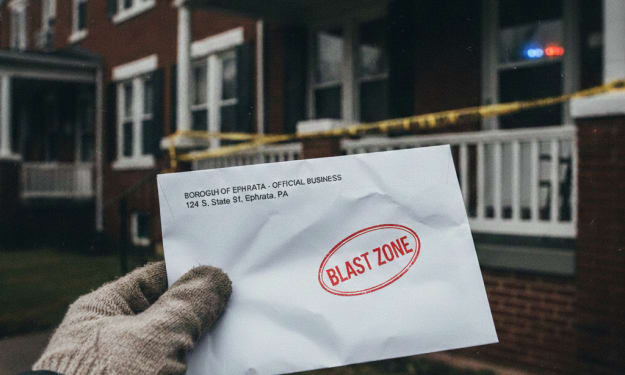
Living in the Blast Zone: The "House of Skulls" and the Collapse of Ephrata’s Luxury Dream
The Morning the Property Value Died On January 6, 2026, the residents of Washington Avenue didn't just wake up to a crime scene; they woke up in a financial blast zone. While the media trucks have packed up and the hazmat suits are gone, the neighbors are left with a permanent scar. In real estate law, this is called "Stigmatized Property."
By Sunshine Firecracker2 days ago in Criminal



Comments
There are no comments for this story
Be the first to respond and start the conversation.