
The Incredible True Story of a Woman's Self-Performed C-Section: Survival Against All Odds
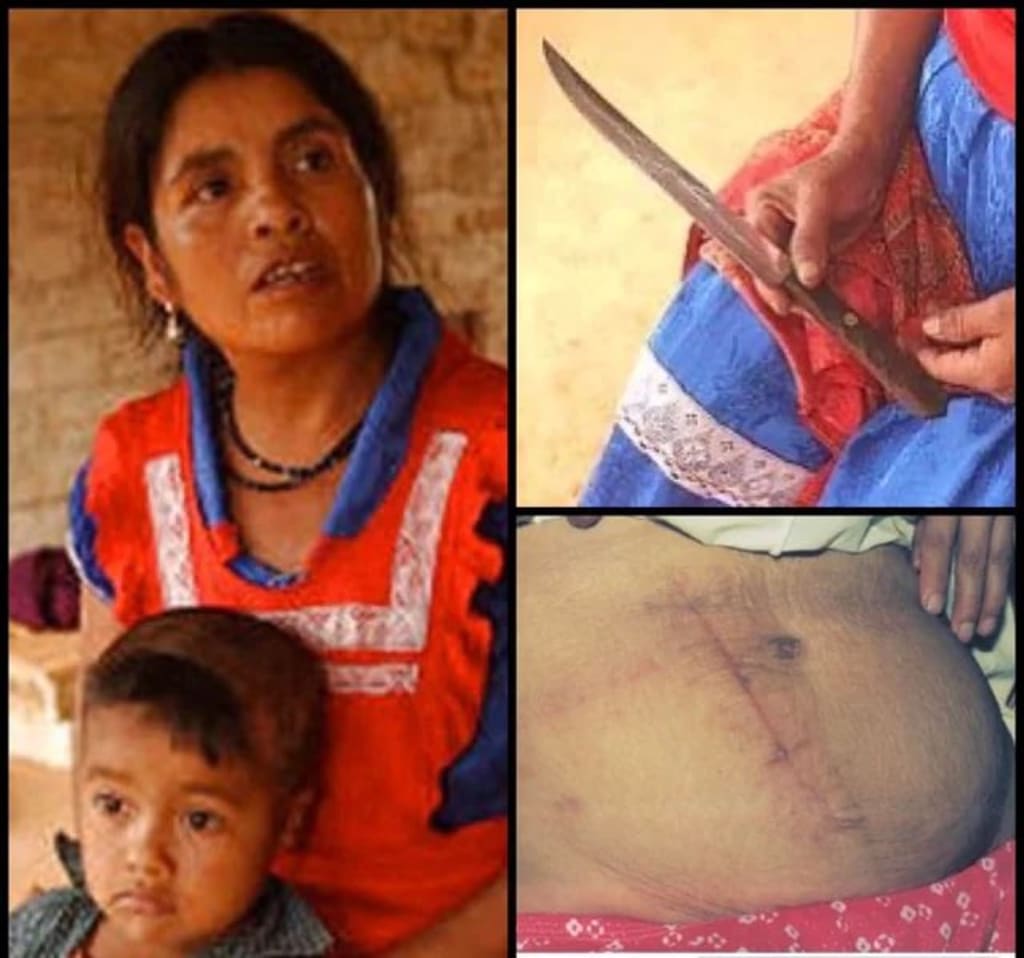
In 2000, a Mexican woman, after 12 hours of severe labor pain, performed a C-section on herself using a kitchen knife. On her third attempt, she managed to make a 17 cm vertical incision, nearly twice the length and opposite the direction of a typical surgical cut. Incredibly, despite having no medical training, both she and her baby survived.

The Incredible True Story of a Woman's Self-Performed C-Section: Survival Against All Odds
Imagine this: a woman alone in a remote Mexican village, wracked with pain for 12 hours. Her baby won't come. No doctor in sight. So she grabs a kitchen knife and cuts herself open. This isn't a movie plot. It's the real tale of a self-performed C-section in 2000 that saved two lives.
What drives someone to such a desperate act? Inés Ramírez Pérez faced hours of agony with no help nearby. Her story grips the heart and mind. It shines a light on the dangers of childbirth far from medical care. In this article, we'll walk through the event step by step. We'll explore the medical side, the bigger issues in rural health, and the emotional toll. If you're curious about emergency home births or survival stories in childbirth, stick around. You'll find facts, insights, and tips that matter.
The Harrowing Events of the Self-Performed C-Section
Inés Ramírez Pérez's ordeal unfolded in a small village in Tlaxcala, Mexico. News reports from 2000 paint a clear picture of her fight. She was 40 years old, already a mom to eight kids. This time, labor hit hard and wouldn't let up.
The Isolated Setting and Onset of Labor
Life in rural Mexico back then meant long trips to the nearest clinic. Inés lived in a place where dirt roads and distance kept help away. Her partner had left her alone during the birth. For 12 hours, she pushed through sharp pains. No phone, no car—just her and the mounting fear. Reports say she tried everything from walking to warm baths. Nothing worked. The baby was stuck, and time was running out.
This setup echoes many emergency home birth nightmares. Isolation like hers amps up the risk. She knew deep down that waiting could mean death for both.
The Desperate Decision and First Attempts
After those endless hours, Inés made a choice no one should face. She had heard tales of C-sections from past pregnancies. But no doctor? She turned to what she had: a rusty kitchen knife. Her first try failed. The blade slipped, and pain shot through her like fire. Blood came, but not enough to reach the baby.
The second attempt hurt even more. She cut shallow, then deeper, but still missed the mark. Sweat poured down her face. Her hands shook from fear and exhaustion. Yet she didn't quit. Stories from locals later confirmed her grit. She bandaged the wounds with clean cloth and paused to catch her breath.
The Successful Third Attempt and Immediate Aftermath
On the third go, Inés steadied herself. She made a 17 cm vertical cut down her belly—almost twice the usual length for such a procedure. It worked. Out came a baby boy, alive and crying. She cut the cord with the same knife and wrapped him in a blanket. Then she stuffed her clothes into the wound to stop the bleeding.
Help finally arrived hours later, when a neighbor found her. Paramedics rushed them to a hospital. Both mom and baby pulled through. The boy, named Orlando, grew up healthy. Inés's act became a beacon of human strength in the face of crisis.
Medical Realities of C-Sections and Self-Performance Risks
C-sections save lives every day, but they're no simple task. In a hospital, teams handle them with care. Inés's story shows what happens without that support. Let's break down the facts to understand the stakes.
Understanding Standard C-Section Procedures
Doctors start with anesthesia to numb the pain. They make a low horizontal cut, about 10-15 cm long, above the pubic bone. This spot heals better and hurts less later. Tools stay sterile to avoid germs. The surgeon pulls the baby out, sews up the uterus, then the skin.
Inés skipped all that. Her vertical slice went higher, risking more blood loss and nerve damage. Hospital C-sections take under an hour. Hers? Pure endurance. Pros use monitors to track vitals—heart rate, oxygen levels. She had none of it.
Health Risks and Complications of DIY Surgery
Self-performed C-sections invite disaster. Infection tops the list, thanks to dirty tools. Inés's knife wasn't clean, yet luck was on her side. Bleeding can kill fast without clamps or stitches. A vertical cut like hers ups the chance of tears in organs or heavy scars.
World Health Organization data points to high maternal death rates in unassisted births. In remote spots, complications hit 20 times harder. Pain alone can cause shock. Her story dodged bullets, but most don't. Think sepsis or hemorrhage—real threats in DIY surgery.
Why Professional Medical Intervention is Essential
Trained hands make the difference. Surgeons spot issues early and act quick. Sterile rooms cut infection odds to near zero. If labor drags on like Inés's, call for help right away.
Here's what you can do:
Watch for signs like pain lasting over eight hours or heavy bleeding.
Have a birth plan with local clinic numbers handy.
In rural areas, stock a basic kit: clean towels, boiled water, cord clamps.
Don't go it alone. Pros turn scary moments into safe ones.
Broader Context: Maternal Health Challenges in Remote Areas
Inés's tale isn't just personal—it's a window into bigger problems. Rural Mexico in 2000 struggled with care access. Many women faced the same voids. Her survival highlights what needs fixing.
Barriers to Prenatal and Emergency Care in Mexico
Mountains and poverty kept clinics far off. In Tlaxcala, travel could take hours by foot or mule. No roads meant no ambulances. Socioeconomic gaps hit indigenous families hardest. Reports from that era show one doctor per thousands in spots like hers.
Prenatal checkups? Rare for many. Inés had no regular visits, common then. Funds for health posts were low. This setup brewed crises like hers.
Similar Historical Cases of Desperate Birth Interventions
History holds echoes of Inés's bravery. In the American frontier, women used shears for self-deliveries in the 1800s. One account from Australia in the 1920s tells of a miner’s wife cutting with a razor—both lived.
These rare cases share themes: isolation, no options, raw will to survive. But they prove the rule—most end badly without aid. Inés's stands out for its success.
Global Lessons from Extreme Survival Stories
Today, tech bridges gaps. Mobile clinics reach far villages. Telehealth lets docs guide from afar. In Mexico, programs cut maternal deaths by half since 2000.
You can help too:
Learn labor warning signs through free community classes.
Support hotlines like Mexico's maternal emergency line.
Push for better roads and clinics in your area.
Stories like this spark change.
Psychological and Emotional Impact on the Mother and Child
Beyond the body, the mind takes hits in such events. Inés carried scars inside and out. Her story touches on trauma many birthing parents face. Let's look at the heart of it.
Coping with Trauma After a Self-Delivered Birth
The shock lingers. Flashbacks of the knife, the blood— they can haunt for years. Post-traumatic stress hits about 10% of new moms after tough births. Inés spoke later of nightmares but also pride.
Resilience helps. Talking it out speeds healing. Join groups where survivors share. Counseling builds tools to move forward.
The Bond Formed in Crisis and Long-Term Outcomes
Crisis can forge tight ties. Inés and Orlando shared a special link from day one. Follow-ups show she raised him well, free of major health woes. He thrived, a testament to her act.
Many such bonds grow strong. Moms often feel empowered, not broken. Yet checkups matter— for mood swings or attachment issues.
Support Resources for High-Risk Birth Experiences
Reach out for help. Groups like Postpartum Support International offer free chats. In Mexico, NGOs run workshops on birth trauma.
Try these steps:
Build an emergency kit with pain relievers and contact lists.
Connect with La Leche League for breastfeeding and emotional tips after tough starts.
Seek local midwives for ongoing care.
You're not alone in this.
Conclusion: Key Takeaways from a Life-Saving Act of Courage
Inés Ramírez Pérez's self-performed C-section in 2000 defies belief. Alone with a kitchen knife, she delivered her son and survived. It's a rare win against impossible odds.
The big lessons? Access to care saves lives—push for it everywhere. Spot complicated labor early: pain past 12 hours screams for help. Build networks in remote spots, from neighbors to clinics.
Share this story. It raises voices for better maternal health worldwide. Your read could inspire action. What will you do next to support safe births?
About the Creator
Story silver book
I'm a freelance writer. I'm a great communicator, with excellent writing skills and the ability to adapt to any situation.
Keep reading
More stories from Story silver book and writers in Criminal and other communities.
The Heartwarming Domino's Welfare Check: How a Concerned Employee in Oregon Saved a Life
The Heartwarming Domino's Welfare Check: How a Concerned Employee in Oregon Saved a Life Imagine grabbing your usual slice after a long day, only to realize that one familiar face—or in this case, one steady order—has vanished from the routine. In 2016, that's exactly what sparked a chain of events in a quiet Oregon town. A Domino's Pizza employee grew worried when a regular customer, who had ordered almost every day for years, suddenly went silent.
By Story silver book 5 months ago in Criminal
Father accused of killing daughter after dispute inside family home
In the early hours of Monday January 27 2025 a quiet residential area in Cincinnati was thrust into tragedy when a family dispute turned deadly leaving a young woman dead and a community searching for answers.According to authorities 64-year-old Franklin Thompson is accused of fatally shooting his daughter Heather Thompson during a heated argument inside their family home. Heather who was 24 years old, reportedly became involved in a confrontation with her father over a household rule prohibiting smoking indoors.
By Kure Garbaabout 17 hours ago in Criminal
The Rise and Fall of Jeffrey Epstein
Jeffrey Epstein was once known as a mysterious billionaire with connections to politicians, royalty, and powerful business figures. Behind his wealth and influence, however, was a long pattern of abuse that shocked the world when it came fully to light. His story is not just about crime—it is about how power, money, and secrecy can protect wrongdoing for decades.
By Haroon Pasha4 days ago in Criminal


Comments
There are no comments for this story
Be the first to respond and start the conversation.