
The Elevator Killers: The Chilling Case of the Parents Who Butchered Their Children
In a luxury Tehran apartment, an elderly couple lived a quiet life. Behind closed doors, they were systematic serial killers of their own blood.


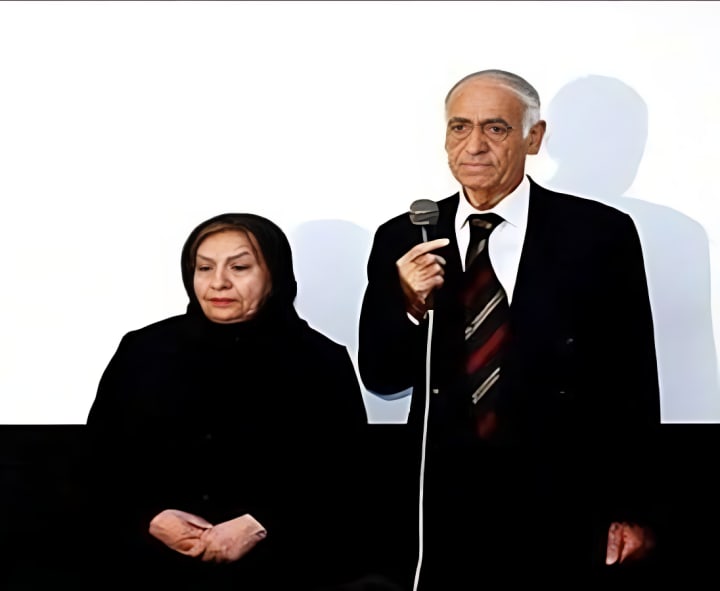
In the prestigious Ekbatan neighborhood of North Tehran, life usually follows a predictable, quiet rhythm. In this massive residential complex, Akbar and Iran Khorramdin lived a life that seemed defined by peace and devotion. To their neighbors, they were the quintessential elderly couple—polite, soft-spoken, and always ready with a gentle greeting in the elevator. No one could have imagined that behind their wrinkled faces and the polished metal of that elevator, a dark, repetitive ritual was unfolding. For years, the building's security cameras captured a chilling image: the couple frequently leaving the elevator carrying heavy, black trash bags, moving with a terrifying calmness, without a hint of panic. They weren't taking out the trash; they were disposing of their own children.
The Famous Victim: A Public Shock
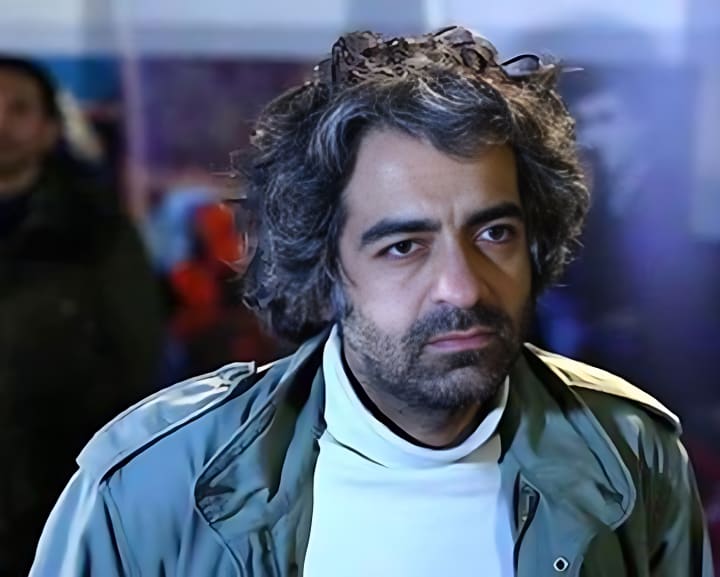
The world stood in absolute shock in May 2021 when the dismembered remains of Babak Khorramdin, a well-known 47-year-old filmmaker, were discovered in a local dumpster. Babak was a respected figure in Iran’s cultural scene, a man who often praised his parents in public. The discovery sent shockwaves through the nation, as forensic teams confirmed that the remains were not just discarded, but systematically butchered. No one could have imagined that Babak’s final "family dinner" was a meticulously planned death trap orchestrated by the very hands that had raised him.
The Tea of Death: A Betrayal Beyond Comprehension
According to the father’s bone-chilling confession, the betrayal began with a simple invitation for tea. They sat together in their living room, laughing and talking as a family. Hidden in Babak’s cup was a heavy dose of anesthetic. As he drifted into unconsciousness, the parents—his own flesh and blood—stabbed him to death. The brutality did not end with his last breath. To dispose of the body, they moved him to the bathtub and used an electric saw to dismember him. They packed his limbs into bags and carried them out through the elevator, passing neighbors with a friendly nod, while carrying the literal weight of their son's remains in their hands.
The Horrifying Pattern: A Decade of "Cleansing"
As detectives dug deeper into the family’s past, the horror multiplied exponentially. This was not a one-time act of rage; it was a systematic execution. The investigation revealed that in 2011, the couple had murdered their son-in-law. In 2018, they did the same to their own daughter, Arezoo. For a decade, they had successfully lied to friends and relatives, claiming the couple had simply "immigrated" to start a new life. They maintained a facade of normalcy while their home became a secret slaughterhouse, proving that some monsters do not hide in shadows—they live in plain sight, greeting you in the hallway.
A Twisted Sense of Morality
The motive behind these atrocities was perhaps the most disturbing part of the case. Akbar claimed his children were "corrupt," citing their lifestyle—alcohol use and "immoral behavior"—as a justification for their execution. In their twisted reality, they weren't murderers; they were "cleaners" of their family's honor. They felt they had a divine right to prune their family tree of any branches they deemed unworthy. This radical, distorted morality allowed them to kill without hesitation, viewing their children not as human beings, but as stains to be removed.
The Heart of Stone: No Remorse
What haunted investigators the most was the total absence of guilt. When asked if he felt any regret, Akbar looked directly into the camera and stated he felt no remorse and had no nightmares. He believed he had done a service to society. The mother, too, showed a chilling level of complicity, standing by her husband throughout the years of slaughter. Akbar Khorramdin died of cancer while in custody, taking many secrets to his grave, while the mother was sentenced to prison. Their story remains a harrowing reminder that the greatest horrors are often hidden behind a mask of politeness, waiting just behind the closing doors of an elevator.
About the Creator
Keep reading
More stories from Mayar Younes and writers in Criminal and other communities.
The Brush of Death: The Haunting Tale of James Jameson and the Six-Handkerchief Girl.
We often believe that human evil has a limit, a floor beyond which no one can sink. But history, in its darkest corners, proves us wrong. The story of James S. Jameson, heir to the famous Irish whiskey dynasty, is a descent into a madness so profound it defies words
By Mayar Younesabout 5 hours ago in Criminal
Nuclear Command Risks in a Time of Internal Tension
Nuclear Command Risks in a Time of Internal Tension When people think about nuclear power, they often focus on missiles, warheads, and military strength. But the most important part of any nuclear system is not the weapon itself—it is the command structure behind it. Clear leadership, trusted decision-making, and reliable communication are what prevent disasters. When these systems face internal tension, the risks grow quietly but dangerously.
By Wings of Time about 21 hours ago in Criminal




Comments
There are no comments for this story
Be the first to respond and start the conversation.