
Rising Epidemic of Catalytic Converter Thefts Plagues Vehicle Owners
What is inside a catalytic converter?
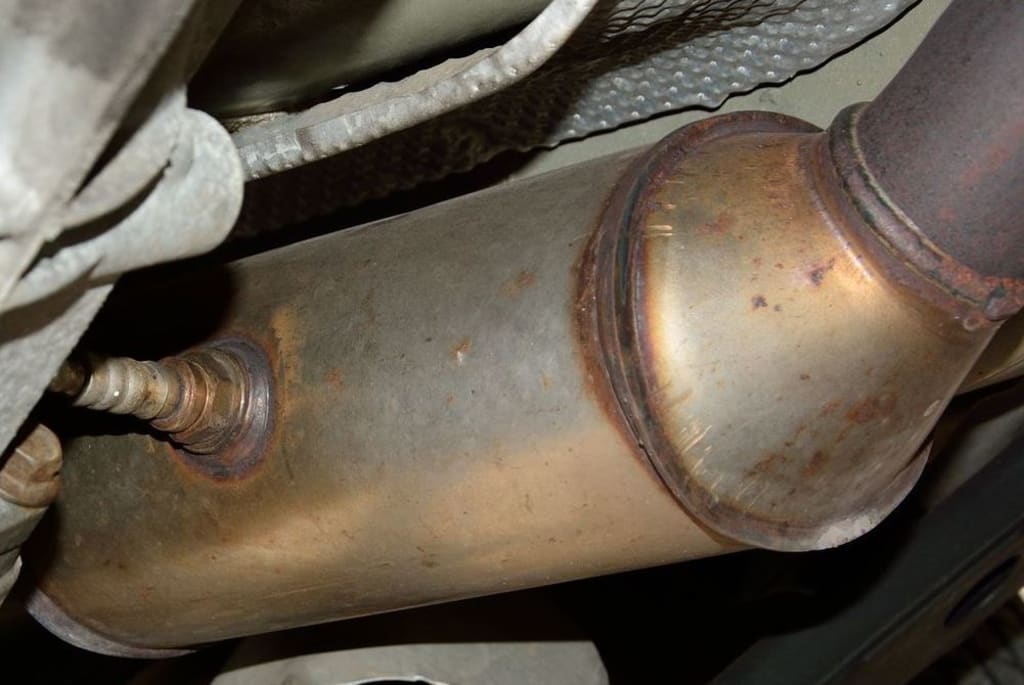
In recent years, a disturbing trend has emerged within the automotive industry— the theft of catalytic converters. These vital components of a vehicle's exhaust system have become prime targets for criminals due to their high value in the scrap metal market. With prices soaring and the demand for precious metals such as platinum, palladium, and rhodium increasing, catalytic converter theft has reached alarming levels, leaving vehicle owners frustrated and out of pocket. Some of the owners are being robbed several times and it is not possible to drive without a catalytic converter.
Catalytic converters play a crucial role in reducing harmful emissions by converting toxic gases produced by the engine into less harmful substances. However, these devices also contain small amounts of valuable metals, making them an attractive target for thieves. The escalating prices of these metals have created a lucrative underground market for stolen catalytic converters, exacerbating the problem.
One of the main reasons catalytic converters are targeted is their accessibility. Located underneath vehicles, the converters are relatively easy to remove with basic tools, requiring minimal effort for experienced thieves. Hybrid vehicles are particularly vulnerable due to their higher concentration of precious metals within the converters.
The consequences of catalytic converter theft are twofold. First, the immediate financial impact on vehicle owners is significant. Replacing a stolen converter can cost thousands of dollars, especially when factoring in the labor costs associated with installation. Moreover, insurance may not cover the full expense, leaving owners burdened with a hefty out-of-pocket payment.
Second, the broader societal impact is substantial. With an increasing number of vehicles on the road, the rise in catalytic converter theft directly contributes to higher emissions. When a converter is stolen, vehicles release pollutants into the environment at significantly higher rates, undermining efforts to combat air pollution and climate change.
Law enforcement agencies across the globe are grappling with this problem. However, the nature of catalytic converter theft makes it challenging to catch the culprits. Thieves can remove a converter in a matter of minutes, often under the cover of darkness or in secluded areas, making it difficult to apprehend them in the act. Additionally, the lack of unique identification marks on converters makes it challenging to trace stolen parts back to their origin.
To combat this issue, some manufacturers are developing solutions aimed at deterring thefts. One approach involves the installation of protective shields or cages around the converters, making them more difficult to remove. Others are exploring the integration of tamper-resistant features or unique identification marks that can aid in the recovery of stolen converters.
Vehicle owners are also advised to take preventative measures to safeguard their catalytic converters. Parking in well-lit areas, utilizing secure parking lots, and investing in anti-theft devices such as alarms or security cameras can act as deterrents. Additionally, etching the vehicle identification number (VIN) onto the converter can help authorities identify stolen parts and increase the chances of recovery.
As the theft of catalytic converters continues to rise, governments and law enforcement agencies must prioritize this issue. Strengthening regulations around the sale and recycling of scrap metals can help deter criminals. Increased collaboration between law enforcement, vehicle manufacturers, and the scrap metal industry is essential to track and apprehend thieves involved in this illicit trade.
In conclusion, the theft of catalytic converters represents a significant problem plaguing vehicle owners worldwide. The lucrative value of precious metals within these components, coupled with their accessibility, has made them attractive targets for criminals. The financial burden on vehicle owners, coupled with the environmental consequences of increased emissions, highlights the urgent need for collective action to combat this growing epidemic.
About the Creator
Keep reading
More stories from Niaz Mohammad Choudhury and writers in Criminal and other communities.
Car carbon and environment
Carbon emissions from cars have a significant impact on the environment. When we burn fossil fuels, such as gasoline and diesel, in car engines, carbon dioxide (CO2) is released into the atmosphere. CO2 is a greenhouse gas that contributes to climate change by trapping heat and causing the Earth's temperature to rise.
By Niaz Mohammad Choudhury3 years ago in Wheel
The Global Power Struggle in 2026: Why Are Tensions Rising Between the United States, Russia, China, and Venezuela?
f tensions between the United States and each of Russia, China, and Venezuela. These tensions cannot be understood as isolated events or temporary crises; rather, they are a direct reflection of a deeper struggle over global influence, strategic resources, and the future shape of the international order. At the center of this complex scene, Venezuela has emerged as a major flashpoint, while Russia and China play the role of supporters and counterweights to U.S. actions.
By America today 7 days ago in Criminal
Two Teens, One Bus, and a Nation Watching
Hello, and welcome to “The True Crime Reader,” where we dig beneath the headlines to unravel the stories that shape our understanding of crime, justice, and society. Today’s episode takes us to Oakland, California, for the story behind Dashka Slater’s powerful nonfiction book, “The 57 Bus”—a case that stunned the Bay Area and reverberated across the country.
By Kristen Barenthaler5 days ago in Criminal


Comments
There are no comments for this story
Be the first to respond and start the conversation.