
Car carbon and environment
Addressing the Environmental Impact of Car Carbon Emissions: A Roadmap to Sustainability
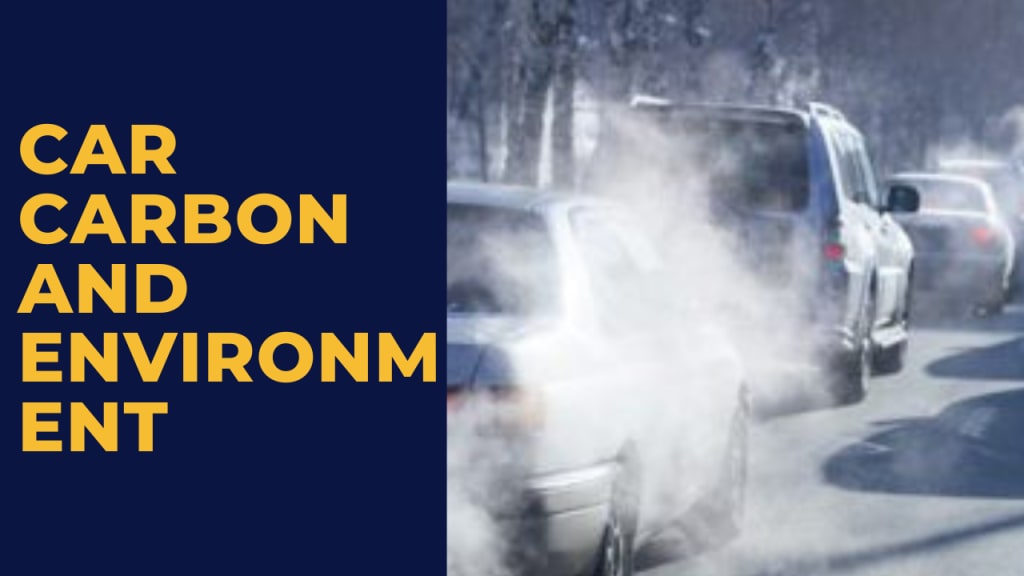
Carbon emissions from cars have a significant impact on the environment. When we burn fossil fuels, such as gasoline and diesel, in car engines, carbon dioxide (CO2) is released into the atmosphere. CO2 is a greenhouse gas that contributes to climate change by trapping heat and causing the Earth's temperature to rise.
The environmental impact of car carbon emissions includes several consequences:
Climate Change: The increased concentration of CO2 and other greenhouse gases in the atmosphere leads to global warming, resulting in rising temperatures, melting ice caps, sea-level rise, and extreme weather events.
Air Pollution: In addition to CO2, car emissions release other pollutants, including nitrogen oxides (NOx), particulate matter (PM), and volatile organic compounds (VOCs). These pollutants contribute to air pollution, smog formation, and adverse health effects, such as respiratory problems and cardiovascular diseases.
Acid Rain: Car emissions can release sulfur dioxide (SO2) and nitrogen oxides, which contribute to the formation of acid rain. Acid rain can damage forests, harm aquatic ecosystems, and corrode buildings and infrastructure.
Water Pollution: Car eIntroduction
The environmental impact of car carbon emissions has become a pressing concern in recent years. As the global population continues to grow, so does the number of cars on our roads, leading to increased carbon dioxide (CO2) emissions and other harmful pollutants. This article explores the link between car carbon emissions and the environment, highlighting the consequences of these emissions and outlining strategies for a more sustainable transportation system.
Climate Change and Car Carbon Emissions
One of the most significant consequences of car carbon emissions is climate change. CO2, a greenhouse gas, is released when fossil fuels are burned in car engines. As these emissions accumulate in the atmosphere, they trap heat and contribute to the warming of the planet. Rising global temperatures have far-reaching impacts, including melting ice caps, rising sea levels, and altered weather patterns. To mitigate climate change, reducing car carbon emissions is imperative.
Air Pollution and Health Impacts
Car emissions not only release CO2 but also other pollutants such as nitrogen oxides (NOx), particulate matter (PM), and volatile organic compounds (VOCs). These pollutants contribute to air pollution, which poses serious health risks. Inhalation of polluted air can lead to respiratory problems, cardiovascular diseases, and other adverse health effects. Furthermore, air pollution contributes to the formation of smog, reducing air quality and diminishing the overall well-being of both humans and ecosystems.
Acid Rain and Water Pollution
In addition to contributing to climate change and air pollution, car carbon emissions also play a role in the formation of acid rain. Sulfur dioxide (SO2) and nitrogen oxides, released during combustion processes, combine with atmospheric moisture to form acidic compounds that fall back to the Earth as rain. Acid rain can damage forests, harm aquatic ecosystems, and corrode buildings and infrastructure. Moreover, car emissions can indirectly contribute to water pollution when rain washes pollutants from roads and highways into water bodies, negatively impacting aquatic life and human water supplies.
Strategies for Sustainable Transportation
To address the environmental challenges associated with car carbon emissions, a range of strategies are being implemented worldwide:
Promoting Fuel Efficiency: Governments and automakers are focusing on improving fuel efficiency in vehicles. This includes advancing engine technologies, reducing vehicle weight, and optimizing aerodynamics to maximize fuel economy. Additionally, hybrid and electric vehicles are gaining popularity as they produce zero tailpipe emissions, thereby reducing the carbon footprint of transportation.
Investing in Public Transportation: Enhancing public transportation systems and promoting their use is crucial for reducing car dependence. Governments are investing in efficient mass transit systems, expanding coverage, and improving infrastructure. By providing viable alternatives to individual car usage, public transportation can significantly reduce carbon emissions and alleviate traffic congestion.
Encouraging Active Transportation: Promoting walking, cycling, and other forms of active transportation not only reduces car carbon emissions but also improves public health. Governments are investing in cycling infrastructure, creating pedestrian-friendly urban environments, and implementing policies that prioritize active modes of transportation. By making these alternatives safe, convenient, and accessible, more people are encouraged to choose greener transportation options.
Implementing Emission Standards: Governments have implemented stringent emission standards to regulate the amount of pollutants released by vehicles. These standards aim to limit not only carbon emissions but also other harmful pollutants like NOx and PM. Compliance with these standards ensures that cars are designed and manufactured to be more environmentally friendly, contributing to cleaner air and reduced environmental impact.
Sustainable Urban Planning: Designing cities and communities with a focus on sustainability can help reduce car carbon emissions. This includes creating compact and well-connected urban spaces that minimize the need for long commutes, integrating mixed land-use development to bring services and amenities closer to residents, and prioritizing green spaces. Sustainable urban planning encourages Carpooling and Ridesharing: Encouraging carpooling and ridesharing initiatives can significantly reduce the number of vehicles on the road. By sharing rides, multiple individuals can travel together, reducing the overall carbon emissions per passenger. Carpooling programs and ridesharing platforms provide convenient ways for people to connect and share their commutes, thereby reducing traffic congestion and environmental impact.
Intelligent Transportation Systems: Implementing intelligent transportation systems (ITS) can optimize traffic flow, reduce congestion, and minimize fuel consumption. ITS utilizes technologies such as real-time traffic monitoring, adaptive traffic signal controls, and smart routing systems to improve the efficiency of transportation networks. By reducing time spent idling in traffic, fuel consumption can be reduced, leading to lower carbon emissions.
Eco-Driving Practices: Educating drivers about eco-driving practices can contribute to reducing car carbon emissions. Simple actions such as avoiding excessive idling, maintaining proper tire pressure, and driving at moderate speeds can improve fuel efficiency and lower emissions. Educational campaigns and driver training programs can raise awareness about these practices and encourage individuals to adopt eco-friendly driving habits.
Renewable Energy Integration: Transitioning to renewable energy sources for powering vehicles is crucial for reducing car carbon emissions. Electric vehicles (EVs) can be charged using electricity generated from renewable sources such as solar or wind power, effectively eliminating tailpipe emissions. Governments and private entities are investing in charging infrastructure and promoting the adoption of EVs to accelerate the shift towards clean transportation.
Greening the Supply Chain: The environmental impact of car carbon emissions extends beyond the operation of vehicles. Manufacturing processes, raw material extraction, and logistics all contribute to the carbon footprint of the automotive industry. Implementing sustainable practices throughout the entire supply chain, such as using eco-friendly materials, reducing waste, and optimizing transportation logistics, can help minimize the environmental impact associated with car production and distribution.
Conclusion
Addressing the environmental impact of car carbon emissions is crucial for achieving a sustainable transportation system. By implementing a combination of strategies, including promoting fuel efficiency, investing in public transportation and active modes of transportation, implementing emission standards, and adopting eco-driving practices, we can significantly reduce carbon emissions from cars. Additionally, integrating renewable energy sources, promoting carpooling and ridesharing, implementing intelligent transportation systems, and greening the automotive supply chain are essential steps towards a more sustainable future.
It requires collaboration between governments, automakers, urban planners, and individuals to create a comprehensive roadmap for sustainable transportation. By prioritizing environmental considerations, we can mitigate the impacts of car carbon emissions, reduce air pollution, mitigate climate change, and create healthier and more livable communities for future generations. Embracing these strategies will not only benefit the environment but also lead to improved public health, enhanced quality of life, and a more resilient and sustainable future for our planet.
About the Creator
Keep reading
More stories from Niaz Mohammad Choudhury and writers in Wheel and other communities.
Positive and Negative Sides of Cambering Tires: Enhancing Performance at a Cost
Cambering, also known as tire camber, refers to the angle at which the wheels of a vehicle are tilted inward or outward when viewed from the front. This adjustment is made to improve the handling and performance of the vehicle. Here are the positive and negative aspects of cambering tires:
By Niaz Mohammad Choudhury3 years ago in Wheel
5 Best Food Choices at Auto Shows
Attending an auto show is an exciting experience filled with gleaming vehicles, innovative technology, and hours of walking through massive exhibition halls. With so much to see, you need the right fuel to keep your energy levels high. Here are five of the best food choices to enjoy during your next auto show visit.
By Karter Odin3 days ago in Wheel
Self-Driving Cars
If you watched the 2004 Will Smith film ‘I Robot’, you’ll know that a minor plot point is that cars in this future are, by default, self-driving. They can still be driven manually, but this is considered a risky choice which only Smith’s character chooses to do, due to being a fan of such ‘retro’ choices. When his car is wrecked during an attack late in the film, his boss assumes that he crashed due to driving manually (the one time in the film he actually wasn’t). At the time of the film’s release, self-driving cars must have seemed hugely futuristic to help to sell the future setting.
By Joe Morgan3 days ago in Wheel
REEEEEEEEE!
I'm on a low road right now. There are a literal million things to do and not one of them worth my time. I would rather sit in place and burn but the orbit takes me on its inevitable route 'round the center; and I a center in my own right, around which others orbit, and so on and so forth, ad infinitum, ad nauseum.
By C. Rommial Butler4 days ago in Poets




Comments
There are no comments for this story
Be the first to respond and start the conversation.