
Modern Criminal Psychology
The Mental States and Behavior of Offenders

Introduction
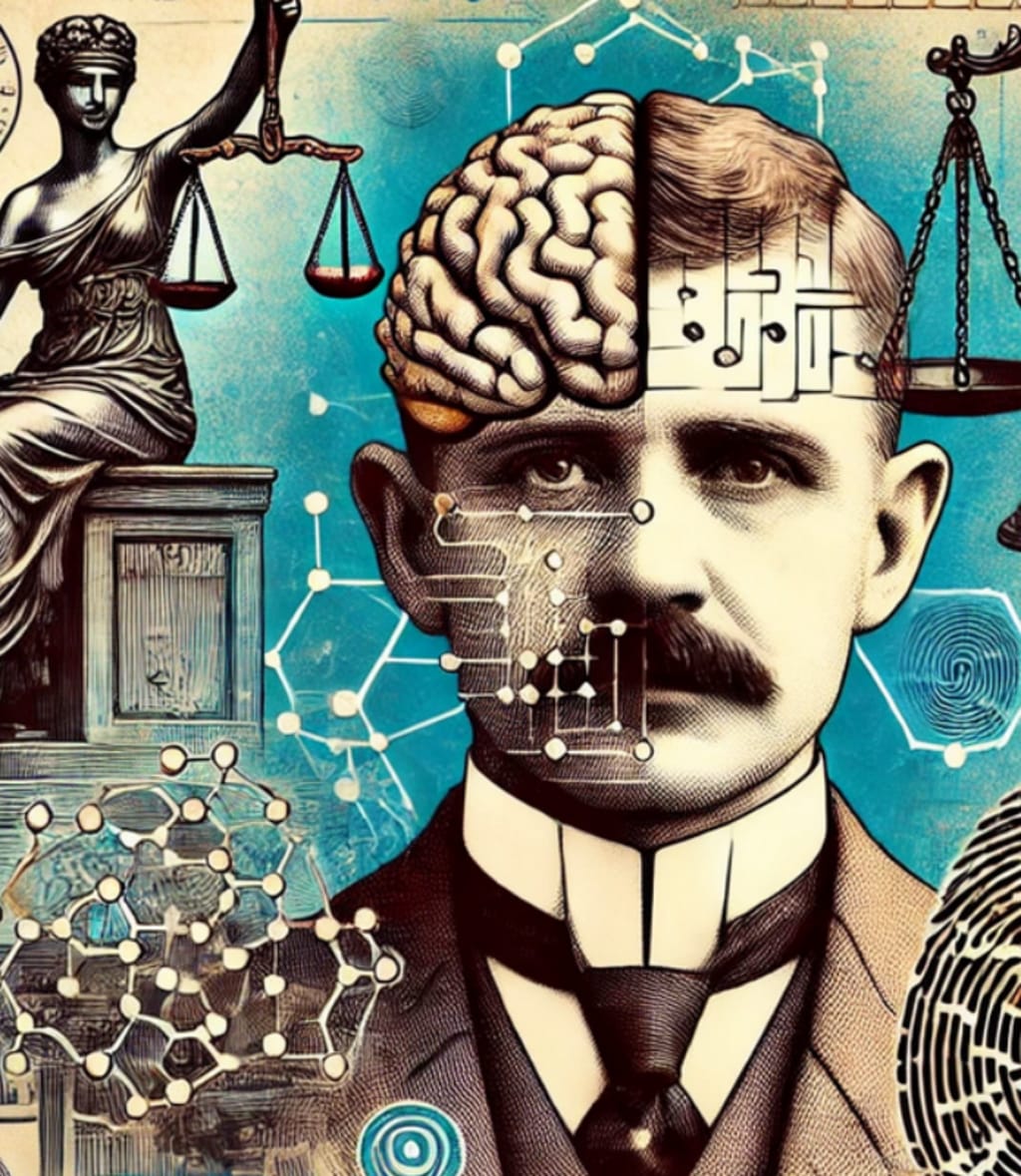
Criminal psychology is an essential discipline that seeks to understand the complex mental states and behaviors of individuals who engage in criminal activities. It involves the application of psychological theories and techniques to examine how offenders think, feel, and behave, both before and after committing crimes. This interdisciplinary field combines elements of psychology, criminology, and law to provide insights into the psychological mechanisms underlying criminal actions and to inform the development of effective crime prevention and rehabilitation programs. Understanding the mental states of offenders can significantly enhance the ability of law enforcement agencies, therapists, and policymakers to address criminal behavior at its roots. This paper explores the role of mental states in shaping criminal actions, focusing on key psychological factors that influence offenders’ behavior, as well as the implications for criminal justice.
Fundamental Principles of Criminal Psychology
Criminal psychology is founded on the premise that human behavior, including criminal actions, is influenced by a combination of mental, biological, and environmental factors. The study of criminal psychology is centered on understanding the cognitive, emotional, and psychological processes that lead individuals to commit crimes. While various theories attempt to explain these processes, they typically fall under two broad categories: biological and psychosocial explanations.
Biological Explanations of Criminal Behavior
One of the core assumptions of criminal psychology is that biological factors, such as genetics and neurobiology, can play a crucial role in shaping an individual's propensity for criminal behavior. For instance, certain neurological abnormalities or imbalances in brain chemistry may predispose individuals to engage in aggressive or antisocial actions. A notable example of this is the relationship between low serotonin levels and impulsivity or aggression. Research has shown that individuals with low serotonin levels are more likely to exhibit aggressive behavior, which can manifest in violent criminal actions such as assault or homicide (Coccaro et al., 2007). Moreover, genetic studies have suggested that certain genetic traits might predispose individuals to criminal tendencies, with some research indicating that a family history of criminal behavior could increase the likelihood of offspring engaging in similar activities (Mednick et al., 1984).
Psychosocial Explanations of Criminal Behavior
While biological factors are important, many criminologists and psychologists emphasize the role of psychosocial influences in the development of criminal behavior. Psychosocial theories argue that an individual's upbringing, experiences, and environmental context are fundamental in shaping their attitudes, beliefs, and behaviors, including criminal actions. For example, social learning theory, proposed by Albert Bandura, posits that criminal behavior is learned through observing and imitating others, particularly influential figures such as parents, peers, and community leaders. In environments where criminal behavior is normalized or even rewarded, individuals are more likely to adopt similar behaviors. This is particularly evident in cases where individuals grow up in families where criminality is pervasive, such as those involved in organized crime, or in impoverished communities where illicit activities such as drug trafficking or theft are commonplace (Bandura, 1977).
Environmental factors, such as poverty, social inequality, and limited access to education, can also significantly contribute to the development of criminal behavior. According to Robert Merton’s strain theory, individuals may resort to criminal activities when they are unable to achieve socially acceptable goals through legitimate means. For instance, individuals living in poverty may resort to theft or drug dealing as a means of achieving financial success or social status, especially when such goals seem unattainable through legal avenues (Merton, 1938). In addition, communities marked by weak social bonds, high unemployment, and low levels of social cohesion are more likely to experience higher rates of criminal activity (Shaw & McKay, 1942).
Mental States of Offenders
The mental state of an offender is one of the most important factors in understanding criminal behavior. Criminal psychologists often assess the offender’s psychological state before, during, and after the crime in order to understand their motivations and decision-making processes. Several psychological disorders are commonly linked to criminal behavior, including antisocial personality disorder (ASPD), psychopathy, and narcissistic personality disorder (NPD).
Antisocial Personality Disorder and Psychopathy
Antisocial personality disorder (ASPD) and psychopathy are two of the most widely recognized psychological conditions associated with criminality. Individuals diagnosed with ASPD demonstrate a persistent disregard for the rights of others, as well as a tendency to engage in manipulative, deceitful, and aggressive behavior. They may engage in criminal activities such as theft, assault, and fraud without remorse or concern for the consequences. This condition is often linked to impulsivity and a lack of empathy, which are key characteristics that drive criminal actions.
Psychopathy, a more severe form of ASPD, is characterized by an even greater lack of empathy, guilt, or remorse. Psychopaths often engage in criminal behavior that is more calculated and manipulative, using charm and deceit to exploit others for personal gain. According to the Psychopathy Checklist developed by Robert Hare (1991), psychopaths are typically superficial, charming, and capable of deceit, but they lack the emotional depth to form genuine relationships or feel remorse for their actions. Research has shown that psychopathy is strongly associated with violent crime, particularly crimes such as murder, sexual assault, and serial killings (Hare, 1999).
Narcissistic Personality Disorder
Narcissistic personality disorder (NPD) is another psychological condition that can contribute to criminal behavior. Individuals with NPD have an inflated sense of their own importance, a strong desire for admiration, and a lack of empathy for others. These traits can drive individuals to engage in criminal behavior, particularly when their ego is threatened or when they seek to enhance their status or power. For example, white-collar criminals, such as corporate fraudsters or political leaders involved in corruption, may exhibit narcissistic traits. They may engage in illegal activities to assert their dominance, maintain their status, or fulfill their sense of entitlement, without regard for the harm caused to others.
Behavioral Factors and the Shaping of Criminal Actions
In addition to mental states and psychological conditions, behavioral theories focus on the ways in which criminal behavior is shaped by an individual's experiences and environment. Criminal behavior is often seen as the result of a complex interplay between personal characteristics and external influences.
Social Learning Theory and Criminal Behavior
Social learning theory posits that criminal behavior is learned through interaction with others and by observing the rewards and punishments associated with specific actions. According to this theory, individuals who are exposed to criminal behavior within their families, peer groups, or communities are more likely to adopt similar behaviors. For example, children who grow up in homes where parents engage in criminal activities such as drug abuse or theft are more likely to adopt these behaviors themselves. Studies have shown that individuals who associate with criminal peers or who are exposed to criminal role models are at a higher risk of becoming involved in criminal activities (Akers, 1998).
In addition, criminal behavior can be reinforced through positive or negative rewards. For example, gang members may be incentivized to commit crimes such as robbery or drug trafficking because they receive social status, financial rewards, or a sense of belonging within their group. Conversely, individuals who are punished or marginalized for their criminal behavior may become more entrenched in criminal lifestyles, particularly if they lack access to social support or alternative opportunities (Sutherland, 1947).
Environmental and Sociological Factors
Environmental factors such as poverty, social inequality, and lack of access to education can significantly contribute to criminal behavior. Strain theory, developed by Robert Merton, suggests that individuals who are unable to achieve societal goals, such as financial success or social mobility, through legitimate means may resort to criminal activity as a way to achieve these goals. For instance, individuals from lower socio-economic backgrounds may turn to illegal means, such as drug dealing or theft, in order to survive or gain access to material wealth (Merton, 1938).
Social disorganization theory further explains that communities marked by high levels of unemployment, low educational attainment, and weak social structures are more likely to experience higher rates of criminal behavior. In these environments, individuals are less likely to form strong social bonds or have access to the resources necessary for successful integration into society (Shaw & McKay, 1942).
The Role of Criminal Psychology in Crime Prevention
Criminal psychology is vital not only for understanding criminal behavior but also for developing strategies for crime prevention and offender rehabilitation. By understanding the mental states, motivations, and behaviors of offenders, criminal psychologists can help design intervention programs that target the underlying psychological causes of criminal actions. These programs can reduce recidivism rates and prevent future crimes from occurring.
Rehabilitative Approaches
One of the primary contributions of criminal psychology is the development of rehabilitative approaches aimed at treating offenders and helping them reintegrate into society. Cognitive-behavioral therapy (CBT) is one of the most widely used techniques in offender rehabilitation. CBT focuses on identifying and changing distorted thinking patterns that contribute to criminal behavior. For example, an offender who justifies their criminal actions as a means of survival may be taught to recognize the negative consequences of their behavior and learn alternative strategies for coping with stress (Beck, 1995).
In addition to individual therapy, group therapy and family therapy can also play important roles in rehabilitation. These therapies help offenders build interpersonal skills, improve emotional regulation, and develop more prosocial behaviors. By addressing the psychological roots of criminal behavior, criminal psychologists can significantly reduce the likelihood of reoffending.
Conclusion
Modern criminal psychology provides essential insights into the mental states and behaviors of offenders, offering a more comprehensive understanding of the factors that contribute to criminal actions. Psychological conditions such as psychopathy, antisocial personality disorder, and narcissistic personality disorder are linked to higher risks of criminal behavior, while environmental factors such as poverty, social inequality, and exposure to criminal role models can significantly shape an individual's likelihood of committing crimes. By understanding these factors, criminal psychologists can help prevent crime, reduce recidivism, and develop more effective rehabilitative programs. Through continued research and application of psychological principles, criminal psychology has the potential to improve both crime prevention strategies and the criminal justice system as a whole.
About the Creator
Aslihan
Aspiring writer with a passion for researching diverse topics. I love sharing insights and connecting with others. Let’s embark on a journey of exploration and discover intriguing stories together


Comments
There are no comments for this story
Be the first to respond and start the conversation.