
Kansas: The Wakarusa Conflict – A Historic Struggle in a Divided Land
Most disturbing crime of every state in U.S.A.

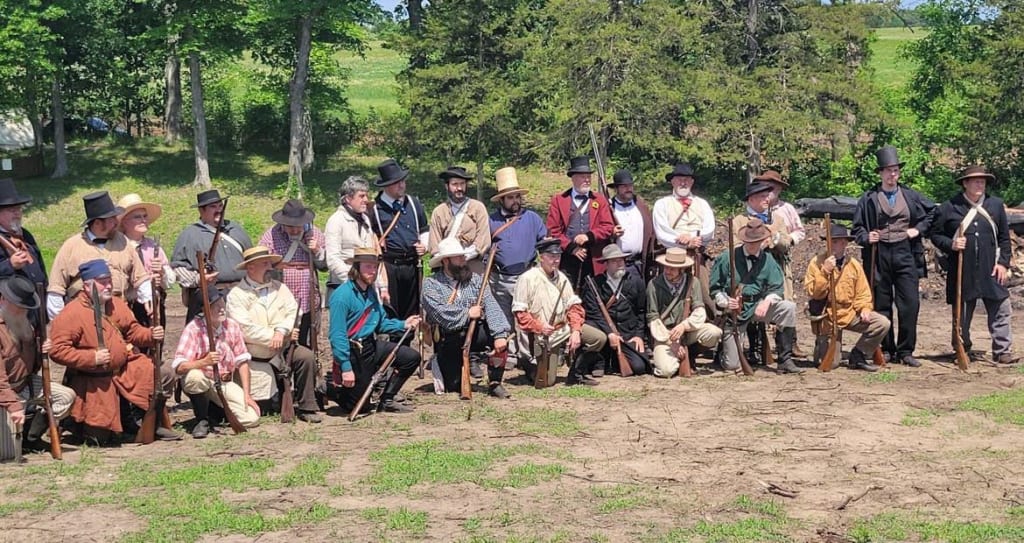
During the tumultuous mid-19th century, Kansas became a battleground for deeply rooted ideological conflicts between pro-slavery and anti-slavery forces. This period, often referred to as “Bleeding Kansas,” was marked by civil unrest and violent confrontations that would foreshadow the larger national conflict of the Civil War. One of the most notable episodes of this era was the Wakarusa Conflict, a series of events ignited by the tragic death of a free state settler and further fueled by retaliatory actions on both sides.
The origins of the Wakarusa Conflict can be traced back to a fateful incident involving a free state settler named Charles Da. Charles, known for his strong support of free state ideals, became the victim of a violent act committed by a pro-slavery settler, Franklin Coleman. The loss of Charles shocked the local community, igniting passions among those who opposed the extension of slavery into Kansas. In response, abolitionists began retaliatory actions, which included setting fire to cabins belonging to supporters of the pro-slavery movement. These incendiary acts quickly escalated tensions, transforming localized grievances into a broader conflict.
By late November 1855, the situation had reached a critical point. Pro-slavery militias, numbering between 700 to 1,500 men, had encamped along the banks of the Wakarusa River. Their goal was clear: to suppress any anti-slavery activity and enforce the pro-slavery agenda in the region. Across town in Lawrence—a known stronghold for free state supporters—militias organized by influential figures such as John Brown and James L. Robinson began preparing defenses. The stage was set for a confrontation that many feared would erupt into all-out violence.
For days, both sides maintained a heightened state of alert. Scouts from each faction reported sightings of opposing forces, leading to a series of tense standoffs and minor skirmishes. The presence of armed groups in such close proximity created an atmosphere of constant dread among local residents, many of whom had long hoped for a peaceful resolution to the conflict. In this climate of suspicion and fear, every movement was scrutinized, and the potential for a larger battle loomed large.
On November 21, 1855, the tension along the Wakarusa River reached its peak. Despite the heavy presence of armed militias and the anticipation of violence, a full-scale battle was narrowly avoided. The situation could have easily escalated into a prolonged conflict; however, intervention by state authorities played a crucial role in de-escalating the crisis. Governor Wilson Shannon stepped in and brokered a temporary truce between the two sides. This intervention, though successful in halting immediate violence, did little to resolve the deep-seated divisions that had already taken root.
The negotiated truce was a temporary measure—a pause in the ongoing hostilities rather than a lasting resolution. Both pro-slavery and anti-slavery forces remained vigilant, aware that the underlying issues had not been addressed. The events along the Wakarusa River served as a stark reminder of the volatile nature of a society divided by conflicting ideals and the potential for localized conflicts to spiral out of control.
In the wake of the Wakarusa Conflict, Kansas was left to grapple with the emotional and social fallout. The brief but intense episodes of violence underscored the fragility of peace in a region marked by ideological strife. Historians note that while the immediate threat of battle was averted, the conflict left an indelible mark on the psyche of the state’s residents. The events not only deepened the divide between pro-slavery and anti-slavery communities but also served as a precursor to the wider national turmoil that would soon engulf the country.
For many in Kansas, the conflict was a painful lesson in the dangers of unresolved grievances and the destructive power of division. The Wakarusa Conflict became a symbol of the struggle for justice and the high price paid when communities are torn apart by ideological differences. Over time, the memory of these events has been preserved in local history, serving as both a cautionary tale and a testament to the resilience of a community determined to overcome its past.
Today, the Wakarusa Conflict is remembered as a critical chapter in Kansas’s turbulent history. It illustrates how personal tragedy, when intertwined with larger political conflicts, can give rise to events that shape the course of a nation. The legacy of the conflict continues to prompt reflection on the importance of dialogue, compromise, and the need for communities to work together in times of crisis.
While the scars of the past may never fully fade, the story of the Wakarusa Conflict remains a powerful reminder of the costs of division and the enduring hope for reconciliation in a society striving for unity.
About the Creator
Keep reading
More stories from Sandun Nayanajith and writers in Criminal and other communities.
Alabama: The Geneva County Incident
On March 10, 2009, the communities of Kinston, Samson, and Geneva in Alabama experienced a tragic series of events that left an indelible mark on the region. Michael Kenneth McLendon, a 28-year-old man, set in motion a chain of actions that forever altered the lives of many families and sparked conversations about mental health, community intervention, and the consequences of personal despair.
By Sandun Nayanajith11 months ago in Criminal
A $600 Car That Became a Trap
A $600 used Chevrolet Monte Carlo sat in a parking lot at Chicago O’Hare International Airport long enough to turn into a six figure problem. By the time the situation became public, the car had been cited a record 678 times and the balance attached to it was reported at more than $106,000. The person whose life was upended was not the person accused of abandoning the vehicle, but the woman whose name was on the registration: Jennifer Fitzgerald.
By Rare Stories4 days ago in Criminal


Comments
There are no comments for this story
Be the first to respond and start the conversation.