
Alabama: The Geneva County Incident
Most disturbing crime of every state in U.S.A.


On March 10, 2009, the communities of Kinston, Samson, and Geneva in Alabama experienced a tragic series of events that left an indelible mark on the region. Michael Kenneth McLendon, a 28-year-old man, set in motion a chain of actions that forever altered the lives of many families and sparked conversations about mental health, community intervention, and the consequences of personal despair.
The tragedy began in Kinston, at McLendon’s family home. Early that day, something went terribly wrong when a personal crisis escalated into a destructive act. Authorities later discovered that a fire had engulfed the residence, and it became clear that McLendon’s actions had been driven by deep personal turmoil. Among those lost in the early events was his mother—a loss that would resonate deeply with the local community.
From Kinston, McLendon traveled to Samson, where his actions further escalated. In Samson, several of his relatives, including his grandmother, uncle, and cousins, were also impacted. While the exact sequence of events in Samson remains a subject of investigation, eyewitness accounts describe an atmosphere of shock and disbelief. Residents spoke of a man who appeared overwhelmed by anger and despair, his actions leaving a trail of emotional devastation.
Finally, McLendon’s journey led him to Geneva. Outside the Reliance Metal Plant—a location where he had once been employed—local law enforcement confronted him. The ensuing moments were tense as police attempted to diffuse the situation. Despite the best efforts of the officers on the scene, McLendon’s internal struggles culminated in him taking his own life, thus ending the crisis that had unfolded over the course of that fateful day.
In the days following the incident, investigators uncovered a handwritten note at McLendon’s home. In this note, he expressed personal grievances tied to long-standing family conflicts, notably including a dispute over a cherished family Bible. Interestingly, while the note detailed these personal issues, none of the individuals named in the note were among those directly affected by his actions. Instead, the note painted a picture of a man overwhelmed by personal setbacks, unresolved anger, and feelings of isolation.
The community’s response to the incident was one of profound sadness and a determined effort to support those left behind. Local organizations and residents rallied together, raising over $100,000 in donations. These funds helped cover funeral expenses and provided some measure of relief to the families who had lost loved ones in a day that seemed to shatter the peace of an entire county.
In the aftermath of the Geneva County Incident, many questions remained unanswered. How could a man, who once showed promise and had aspirations of joining law enforcement or the military, fall so deeply into despair? Investigators later discovered that McLendon had faced significant personal and professional challenges. He had failed to meet his own expectations—experiences that may have contributed to his ongoing struggle with depression. His inability to secure a career in fields he was once passionate about added to the mounting pressures he experienced in his personal life.
This tragedy also prompted discussions on the broader societal issues at play. The incident highlighted the importance of mental health support and early intervention. Community leaders, mental health professionals, and local government officials began to advocate more strongly for accessible mental health services, recognizing that the loss of even one life in such a manner was a call for action.
The Geneva County Incident remains one of Alabama’s most sorrowful chapters. Its legacy is one of grief, reflection, and a renewed commitment to addressing the factors that contribute to such tragedies. In the years since the incident, efforts have been made to ensure that communities have better access to mental health resources and crisis intervention services. Workshops, public seminars, and community outreach programs were organized in an attempt to prevent another incident of this nature.
Moreover, the involvement of military personnel from Fort Rucker—used to assist local law enforcement—sparked important debates about the proper use of federal resources in domestic crises. While their assistance was intended to restore order, it also raised questions about adherence to legal guidelines designed to separate military and civilian roles. These discussions continue to inform policy debates and are a reminder of the delicate balance between public safety and legal authority.
While nothing can undo the pain and loss experienced on that tragic day, the community’s response offers a measure of hope. The Geneva County Incident has served as a catalyst for change, inspiring a more proactive approach to mental health, community support, and crisis management. It remains a powerful reminder of the importance of addressing personal struggles before they escalate into irreversible tragedies.
In remembering those lost, the community of Geneva County honors their memory by striving to create a safer, more supportive environment—one where every individual has access to the help they need before despair takes hold. It is a testament to the resilience of the human spirit and the power of community in the face of overwhelming loss.
About the Creator
Keep reading
More stories from Sandun Nayanajith and writers in Criminal and other communities.
The Dark Side of Randonautica app
Randonautica is an app that generates random coordinates for users to explore their local area. The app's creators claim it uses quantum random numbers and the law of attraction to generate coordinates. Users can choose to explore the coordinates digitally or open them in a map.
By Sandun Nayanajithabout a year ago in Criminal
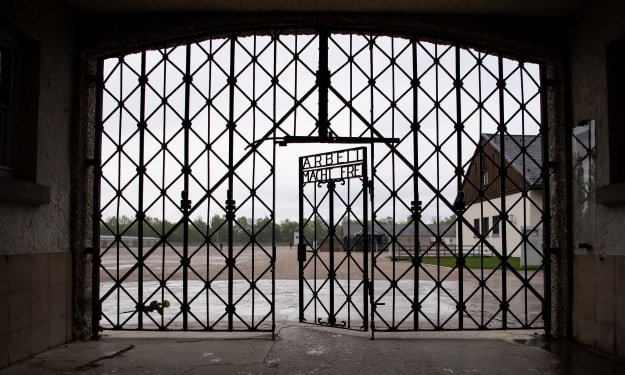
The First Nazi Concentration Camp
The Nazi Concentration Camps were one of the worst things to have ever happened in human history. In my opinion, they come only second to the nuclear weapon that was used on the Japanese City of Hiroshima. These are ‘incidents’ that will never be forgotten (or be allowed to be forgotten) within the “History Book” of humankind.
By Ruth Elizabeth Stiff4 days ago in Criminal
Black History Unfiltered
They Believed the Lie—So They Wrote It Into Law by Soul on Fire LEAVIE SCOTT The rumor moved like wildfire because it was designed to. It had the pacing of a ghost story and the precision of a press release. Whispers turned to headlines, headlines turned to hearings, and before long, the lie had grown legs long enough to step into the federal register.
By Organic Products 7 days ago in Criminal
Review of 'Man on the Run'
My wife and I saw Man on the Run, a nearly 2-hour documentary on Amazon Prime, about Wings, Paul McCartney's group that flew around the world from shortly after The Beatles broke up in early 1970 to shortly after John Lennon was murdered at the end of 1980, making a Beatles reunion forever impossible.
By Paul Levinson5 days ago in Beat



Comments
There are no comments for this story
Be the first to respond and start the conversation.