
Cross Keys Skydiving Plane Crash: What Really Happened in the Air Over New Jersey
15 hospitalized, lives narrowly saved, and a skydiving flight that nearly turned fatal.

A Normal Skydiving Flight✈️, Until Everything Went Wrong
On July 2, 2025, a routine skydiving flight at Cross Keys Airport in Monroe Township, New Jersey suddenly spiralled into a terrifying emergency.
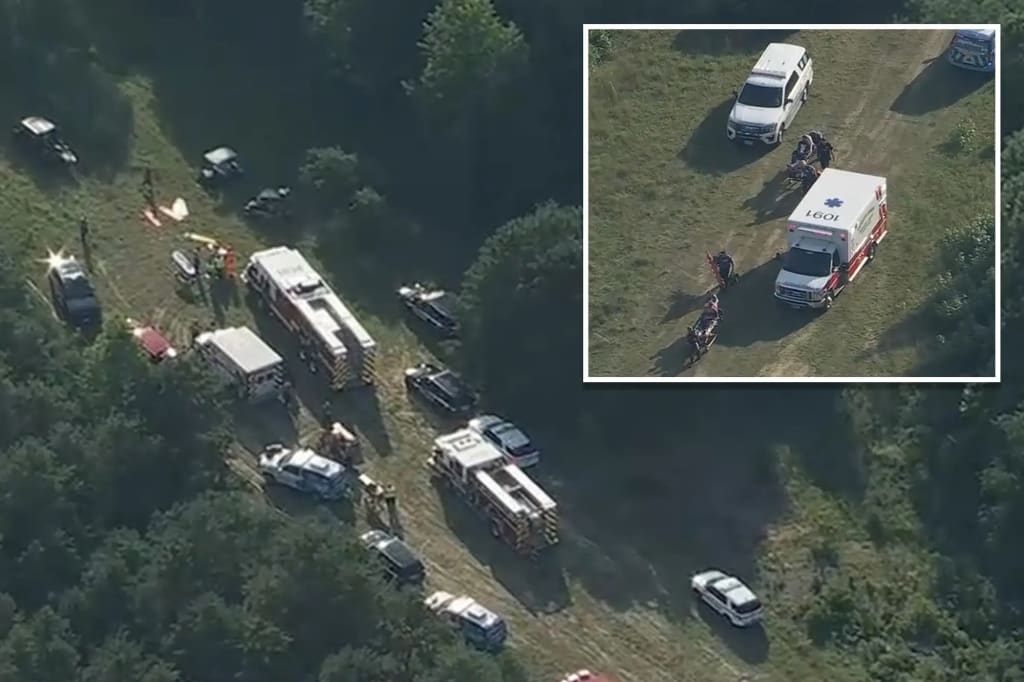
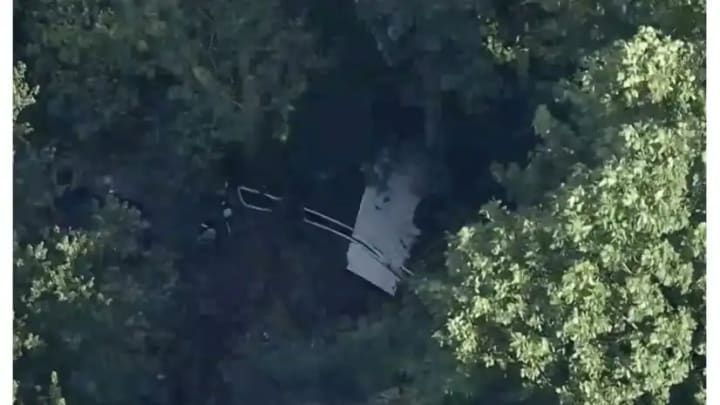
At approximately 5:25 p.m., a Cessna 208B aircraft carrying 15 people — including 14 skydivers and one pilot, crashed just moments after take-off. It plummeted into a wooded area just off the runway, triggering a massive emergency response and sending shockwaves through the skydiving community nationwide.
All 15 people were taken to area hospitals. Three were listed in critical condition, while others sustained minor to moderate injuries. Miraculously, there were no fatalities.
But how exactly did this happen, and what does it mean for the safety of skydiving flights across the country?
Where It Happened📍: Cross Keys Airport, New Jersey
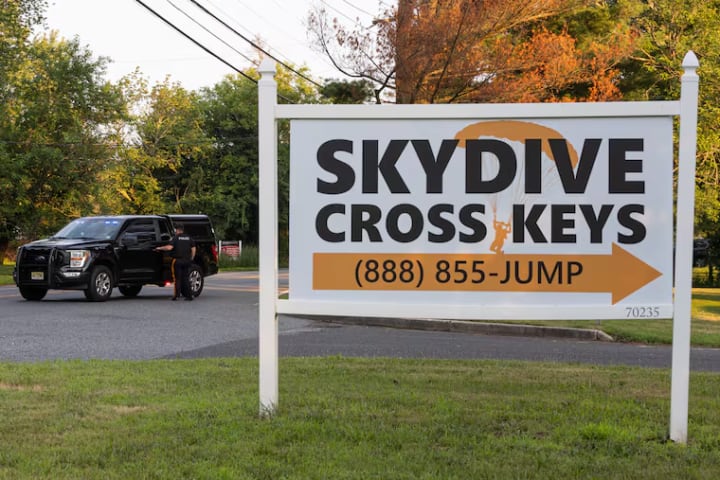
The crash occurred just outside Cross Keys Airport, a known hub for recreational skydiving in Gloucester County, Southern New Jersey. The location has hosted thousands of successful skydives over the years and is popular for first-time jumpers, tandem dives, and licensed solo flyers.
Witnesses reported a loud engine noise followed by a sharp banking turn as the plane appeared to struggle during ascent.
“I saw the plane tilt hard to the left,” said a local resident. “It looked like it was trying to come back around but couldn’t maintain altitude.”
Within moments, it was down.
⚠️ The Final Moments Before the Crash
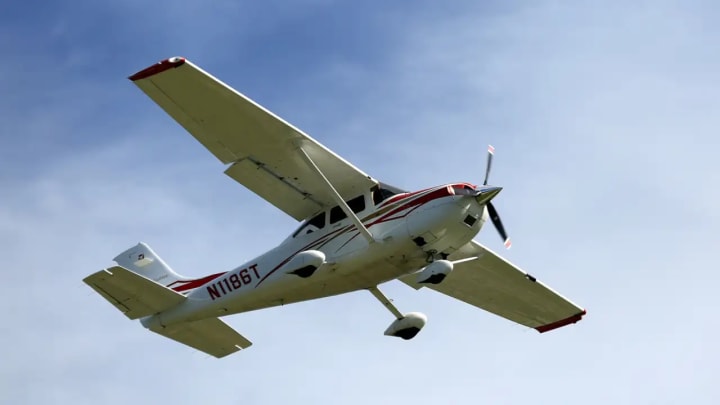
According to early reports from FAA officials and first responders, the pilot of the Cessna 208B experienced engine trouble shortly after take-off. The plane attempted to turn back toward the airport — a dangerous maneuverer known as the “impossible turn” in aviation, but failed to regain enough control.
Emergency braking marks were visible near the treeline, indicating the pilot may have been trying to land or reduce impact speed before crashing into the woods.
Several jumpers were thrown forward on impact, but no one was ejected, thanks to seatbelts and pre-jump safety harnesses.
🚑 Emergency Response: “A Miracle No One Died”
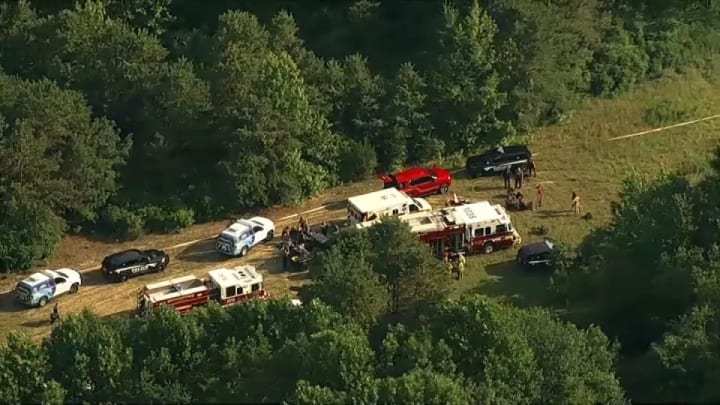
Fire trucks, ambulances, and air rescue teams swarmed the crash site within minutes. Multiple nearby hospitals, including Jefferson Washington Township Hospital and Inspira Medical Center received injured passengers.
“To have a plane crash with 15 people and no deaths? That’s rare. Very rare.”
— First responder on scene, anonymous quote
Photos from the scene showed crumpled fuselage, broken propellers, and emergency responders navigating dense brush to evacuate victims. The aircraft narrowly missed a row of homes near the edge of the forest.
👤 Who Was on Board?
While the full manifest has not been made public, officials confirmed:
- 14 skydivers, most of them experienced jumpers and instructors
- 1 pilot, employed by the skydiving company operating at Cross Keys
Several passengers were part of a group skydiving session scheduled earlier that afternoon. Some had already jumped once that day and were gearing up for a second flight.
At least two tandem instructors were among the injured but are expected to recover.
🔍 FAA and NTSB Investigations Underway
The Federal Aviation Administration (FAA) and National Transportation Safety Board (NTSB) have launched a full-scale investigation.
Key areas they’re examining:
- Engine malfunction reports
- Flight path & black box data (if available)
- Maintenance records of the aircraft
- Pilot’s logbook and flight decisions
- Weather and air density conditions at the time of take off
A preliminary report is expected within a few days, though final conclusions may take weeks.
🪂 Are Skydiving Planes Safe?
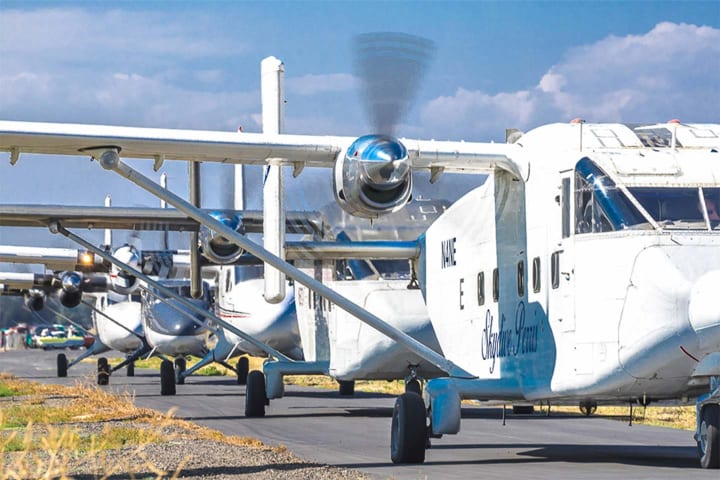
This isn’t the first skydiving-related crash in recent months.
In June 2025, a similar plane in Tennessee crashed during take-off, sending several skydivers to the hospital.
So is skydiving becoming less safe?
According to USPA (United States Parachute Association), skydiving itself remains statistically very safe, but small aircraft safety depends heavily on maintenance, pilot training, and environmental conditions.
Fast Facts: Skydiving Plane Safety
- Skydiving flights typically use single-engine aircraft like the Cessna 208B.
- Most crashes happen during take-off or landing, not mid-air.
- Unexpected parachute deployment inside the cabin (rare but documented) can cause in-flight emergencies.
- Planes are required to pass routine FAA inspections, but enforcement varies across states and companies.
📢 Community Reactions
Skydivers across the U.S. took to Reddit and Facebook to express concern and gratitude that no one died.
“Cross Keys is a great DZ [drop zone]. It could’ve been all of us. Hugs to the crew.” — @skyjumpsam
“I've jumped there many times. This shakes me. Hoping everyone recovers fast.” — NJ native skydiver
Many in the community are now calling for:
- Stricter aircraft maintenance laws
- Clearer emergency egress protocols
- Mandatory engine redundancy systems on high-volume jump planes
🗓️ What Happens Next?
- Injured passengers will likely recover in the coming weeks.
- The FAA and NTSB will release a formal report determining cause of crash.
- Insurance claims and potential lawsuits may follow, depending on liability findings.
- The skydiving company operating the flight has suspended jumps until further notice.
Final Thoughts
The Cross Keys skydiving plane crash could have been a tragedy, but somehow, everyone survived. That fact alone deserves to be remembered.
Still, this close call is a wake-up call for both aviation regulators and the skydiving world: thrill doesn’t have to come with this much risk.
As investigators dig into what exactly happened in those final seconds over New Jersey, the rest of us are left with a sobering question:
What if just one more thing had gone wrong?
About the Creator
Keep reading
More stories from Bevy Osuos and writers in Criminal and other communities.
Why Did Air India Flight AI171 Crash? 5 Theories Investigators Are Exploring
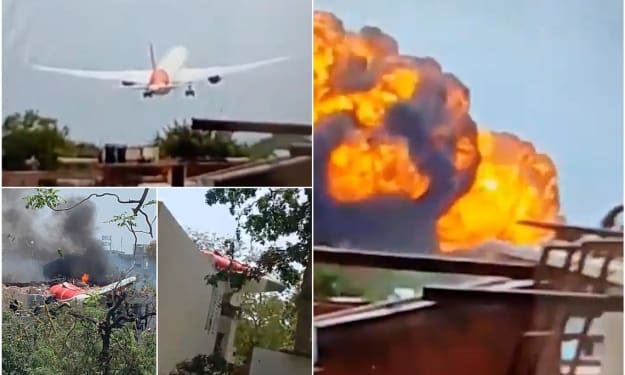
On the morning of June 12, 2025, what was supposed to be a routine flight from Ahmedabad to London Gatwick turned into a national tragedy. Air India Flight AI171, a Boeing 787 Dreamliner carrying 242 people, plunged into a student hostel near the B.J. Medical College less than a minute after take-off. With at least 265 confirmed fatalities, including people on the ground, this has become one of the deadliest aviation disasters in India’s history.
By Bevy Osuos7 months ago in Criminal
New Turquoise Alert Issued: Latest in Isabella Comas Case | Morning News Brief
In today’s Morning News Brief, we turn our focus to the developing case of Isabella Comas, a young girl whose disappearance has captured national attention. A new Turquoise Alert has been issued, signaling a critical update in the case. The alert system, designed to assist in the rapid recovery of missing minors, has brought renewed attention to the efforts surrounding Isabella’s whereabouts. As investigators continue to piece together details, the community remains on edge, hoping for a breakthrough.
By Salaar Jamali2 days ago in Criminal


Comments
There are no comments for this story
Be the first to respond and start the conversation.