
Why Did Air India Flight AI171 Crash? 5 Theories Investigators Are Exploring
A breakdown of the top 5 possible causes investigators are considering after the Air India 787 Dreamliner crash.

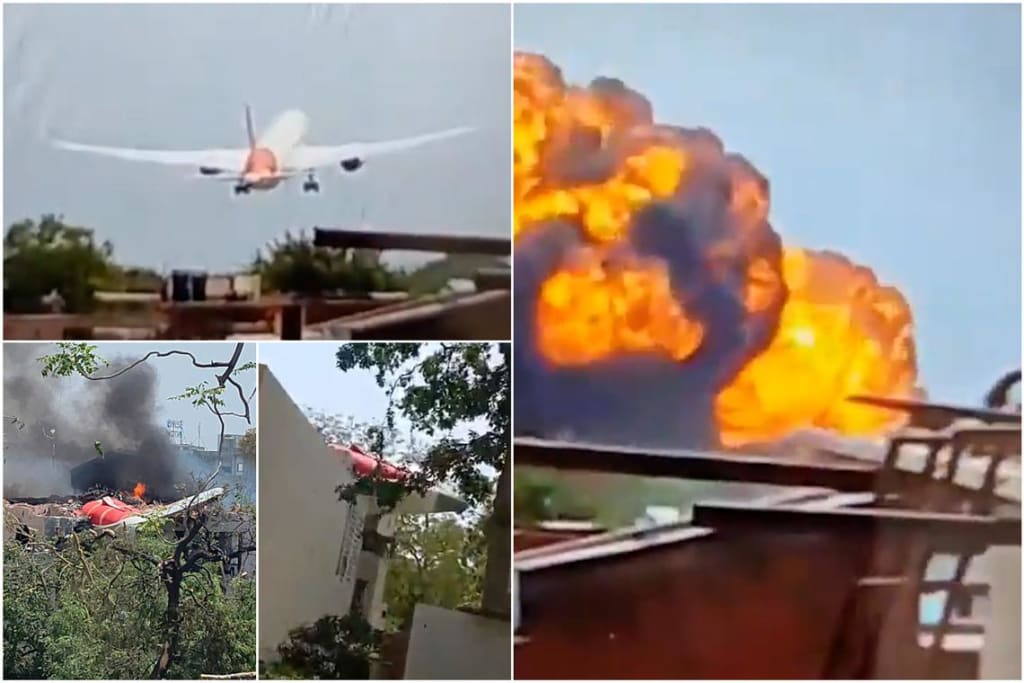
On the morning of June 12, 2025, what was supposed to be a routine flight from Ahmedabad to London Gatwick turned into a national tragedy. Air India Flight AI171, a Boeing 787 Dreamliner carrying 242 people, plunged into a student hostel near the B.J. Medical College less than a minute after take-off. With at least 265 confirmed fatalities, including people on the ground, this has become one of the deadliest aviation disasters in India’s history.
Now, as families mourn and the world watches, investigators are working tirelessly to answer one harrowing question: Why did this happen?
Here are five leading theories being explored by Indian and international aviation experts.
1. Improper Take-off Configuration: Gear Down, Flaps Down
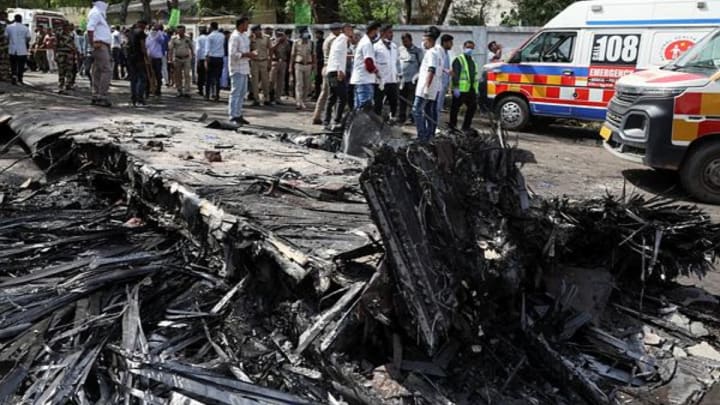
One of the first red flags raised by the preliminary analysis is that Flight AI171 reportedly took off with its landing gear extended and flaps fully down—a configuration highly unusual for a 787 Dreamliner after take-off.
Flaps are extended to increase lift during take-off, but they should be retracted shortly after the aircraft is airborne. Similarly, keeping the landing gear down creates unnecessary drag. Investigators are examining whether this configuration was due to pilot error, technical malfunction, or a missed checklist step.
Aviation expert Captain Vikram Singh noted, “This isn’t something a trained 787 crew would do knowingly. Either they had an emergency or something distracted them.”
2. Engine Thrust or Power Loss
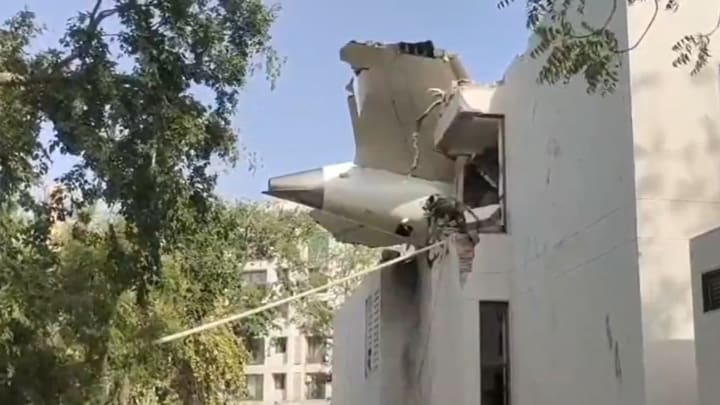
Witnesses near the airport reported hearing "abnormal engine sounds" moments after lift-off. There’s speculation that the GE-built GEnx engines powering the aircraft may have experienced a partial thrust failure or even bird ingestion, a known risk near Indian airports.
Engine data from the black boxes, now in possession of India’s DGCA and the U.S. NTSB, is expected to reveal whether the engines were performing below optimal levels or failed to respond to throttle inputs.
Some have pointed to similar incidents involving early-model 787s, but Boeing has yet to comment directly on whether this aircraft had any prior powerplant issues.
3. Human Error or Miscommunication in the Cockpit
Human factors remain one of the most common causes in aviation accidents.
Investigators are reviewing cockpit voice recordings and the crew’s pre-flight actions. Was there confusion between the captain and first officer? Did they overlook a warning signal or fail to respond correctly to an emergency?
Aviation psychologist Radhika Mehra explained, “In high-stress situations, especially during critical flight phases like take-off, even small lapses in communication or coordination can snowball into disaster.”
There are also questions about crew rest, fatigue, and the pilots’ flying hours, especially in light of reports that one of the pilots was recently returned from international duty just 36 hours earlier.
4. Avionics or Autopilot System Failure
The Boeing 787 relies heavily on automated flight systems. Any glitch in the Flight Management System (FMS) or malfunction in sensors could send misleading information to the crew.
If the instruments incorrectly displayed speed, altitude, or attitude, the pilots may have made inappropriate control inputs. This kind of avionics failure is rare but not unheard of. The 2009 Air France Flight 447 crash over the Atlantic was a result of frozen pitot tubes misinforming the pilots about airspeed.
Experts are also checking whether any recent software updates or deferred maintenance could be related to such a failure.
5. Structural Damage or Foreign Object Strike
Some eyewitness videos show what appears to be a brief flame or spark from the right wing just seconds after lift-off. This has raised questions about whether a foreign object, like a drone or loose debris on the runway, might have struck the aircraft.
Ahmedabad airport has seen drone activity before, prompting authorities to implement no-fly zones around the area. If a strike damaged critical control surfaces or engines, the pilots would’ve had very little time to recover.
Structural fatigue or undetected damage from previous flights is another avenue being examined. Maintenance logs for this specific aircraft (tail number VT-ANB) are under intense scrutiny.
What Happens Next?
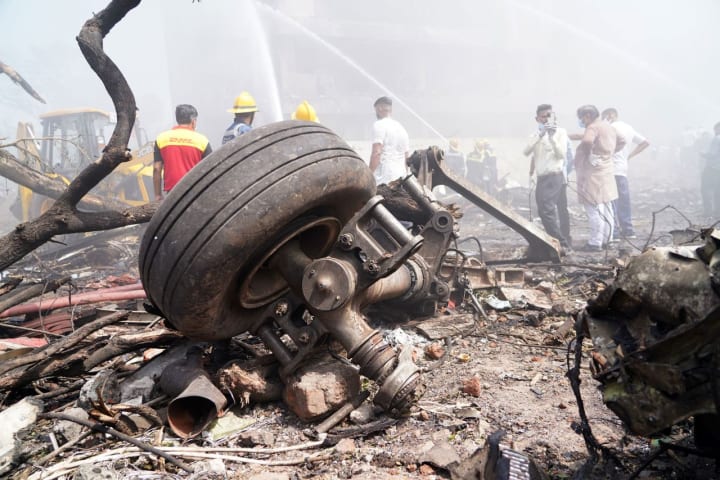
The Aircraft Accident Investigation Bureau (AAIB) of India, in coordination with the U.S. NTSB and U.K. AAIB, is analysing both the flight data recorder (FDR) and cockpit voice recorder (CVR). These will be key to confirming or ruling out the above theories.
In the meantime, Air India has grounded several aircraft for inspection, and Boeing is dispatching technical advisors to support the probe.
Families await closure. The public demands answers. And aviation professionals worldwide are watching closely, not just to understand what went wrong—but to ensure it never happens again.
Final Thoughts
Every air disaster leaves behind a trail of grief, questions, and lessons. As the world mourns the victims of Flight AI171, we must also look ahead—with vigilance, empathy, and commitment to safety.
If you found this article insightful, consider sharing it or subscribing for real-time updates on the investigation and future aviation safety reports.
Written by: Bevy Osuos
Updated: 15 hours after the AI171 incident (June 13, 2025)
About the Creator
Keep reading
More stories from Bevy Osuos and writers in Criminal and other communities.
Who Were the Victims of the San Diego Plane Crash?
In the early morning hours of May 22, 2025, tragedy struck the quiet Murphy Canyon neighbourhood in San Diego, California. A Cessna 550 Citation II, a small private jet crashed while attempting to land at Montgomery-Gibbs Executive Airport. The aircraft burst into flames after hitting power lines and crashing into a residential area. All six individuals on board were killed. While the Federal Aviation Administration (FAA) and the National Transportation Safety Board (NTSB) continue their investigation, the public has begun to learn more about the lives lost in this devastating incident.
By Bevy Osuos8 months ago in Criminal
Study reveals Louisiana State Police uses force disproportionately against Black people
It’s not the NYPD or LAPD that’s the news for using excessive force but the Louisiana State Police Department. In cases where women have been dragged on the pavement by a cop with a chip in his shoulder to the fact that cops chase after whomever is speeding, only the numbers tell the tale.
By Skyler Saunders3 days ago in Criminal
Hunting 'Deadshitdaddy': The Instagram Account Selling Bones from the House of Skulls
The Digital Storefront in Ephrata While Jonathan Gerlach was physically robbing graves 70 miles away in Yeadon, he was simultaneously building a thriving brand in the heart of Ephrata Borough. Using the handle "deadshitdaddy" on Instagram and maintaining active profiles in private Facebook groups like "Human Bones and Skull Selling Group," Gerlach allegedly turned his residence at 100 Washington Avenue into an online boutique for the macabre.
By Sunshine Firecracker3 days ago in Criminal



Comments
There are no comments for this story
Be the first to respond and start the conversation.