
America’s Bourbon Boom Goes Bust
The once-thriving industry faces declining demand and oversupply, signaling a sobering moment for distillers.

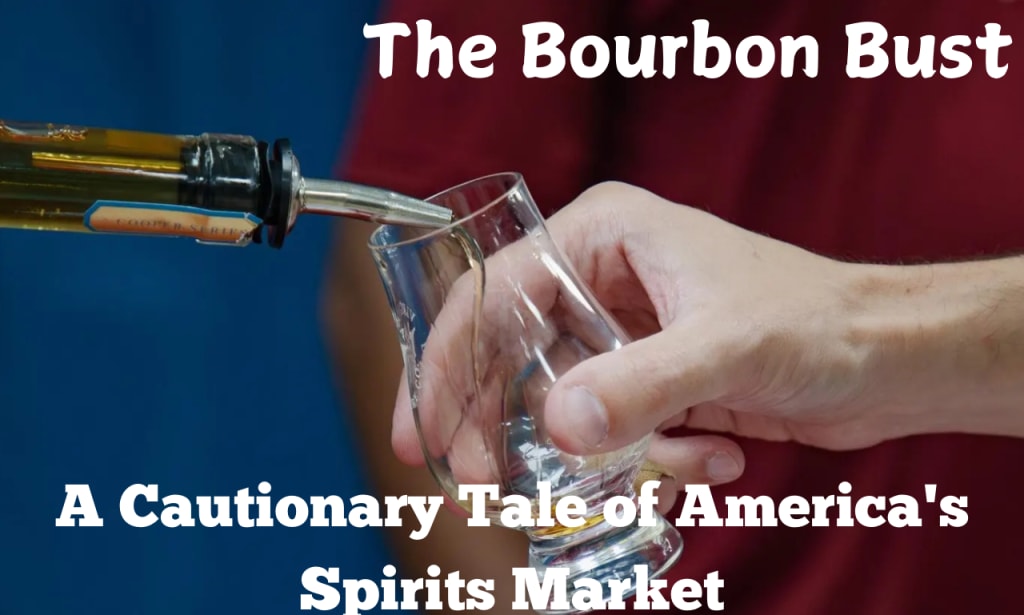
For years, America’s bourbon industry experienced an unparalleled surge in popularity. Shelves were cleared of premium bottles, distilleries expanded operations, and connoisseurs around the globe clamored for a taste of the quintessential American spirit. Bourbon wasn’t just a drink—it became a cultural phenomenon, the centerpiece of cocktail menus, collector circles, and international exports.
But the golden age of bourbon has hit an unexpected snag. Demand is waning, warehouses are overflowing, and distillers find themselves facing a sobering reality: the bourbon boom has turned into a bourbon bust.
The Boom That Transformed the Industry
The rise of bourbon can be traced back to the early 2000s, when the American whiskey renaissance began in earnest. Millennials embraced the spirit with enthusiasm, swapping vodka and rum for aged Kentucky bourbon and rye in their Old Fashioneds and Manhattans. Premium and small-batch brands, boasting rich flavors and centuries-old traditions, captured the imagination of drinkers across the U.S. and abroad.
Distillers, eager to capitalize on the growing demand, invested heavily in their operations. Aging warehouses expanded, production lines grew, and boutique brands emerged, each touting unique mash bills and flavor profiles. The industry saw double-digit growth year over year, with export markets in Europe and Asia providing additional fuel to the fire.
Signs of the Bust
Yet every boom has its limits. Over the past two years, bourbon’s once-unstoppable trajectory has begun to falter. Analysts note that sales, while still respectable, are no longer growing at the explosive rates of the past decade. The slowdown is due to several factors, including market saturation, shifting consumer preferences, and economic uncertainties.
One of the industry’s greatest strengths—bourbon’s aging process—has also become its Achilles’ heel. By law, bourbon must be aged in new charred oak barrels, a process that takes years and sometimes decades to produce premium-quality spirits. During the boom years, distillers ramped up production, betting on sustained demand for their products. Today, those barrels have matured, only to find fewer buyers waiting for the bounty.

The Glut of Supply
Warehouses across Kentucky, Tennessee, and beyond are now filled to the brim with bourbon that distillers struggle to move. This surplus has created downward pressure on prices, particularly for mid-tier brands. While rare, limited-edition bottles still fetch premium prices, the broader market has seen a noticeable cooling.
Distillers, large and small, are feeling the pinch. Established players like Jim Beam and Maker’s Mark are recalibrating their strategies, while craft producers—many of whom launched during the height of the boom—face existential challenges. For some, the glut could mean closing their doors entirely.
Changing Tastes and Stiff Competition
The bourbon bust is also a reflection of changing consumer tastes. Younger drinkers, who once spearheaded the whiskey revival, are increasingly turning to other options, from tequila and mezcal to non-alcoholic spirits. Tequila, in particular, has seen a meteoric rise, rivaling bourbon’s former dominance in the premium spirits category.
Additionally, the craft beer and ready-to-drink cocktail markets continue to siphon off a significant share of consumers, offering convenience and novelty that bourbon can’t always match.
Internationally, bourbon faces competition from Scotch whisky, Irish whiskey, and Japanese whisky, all of which have carved out niches with distinctive styles and growing fan bases.
Distillers Adjust to the New Reality
In the face of these challenges, distillers are adapting. Many are diversifying their offerings, branching into flavored bourbons, specialty finishes, and even spirits outside the whiskey category, such as vodka or gin. These innovations aim to attract new audiences and keep existing customers engaged.
Some distillers are focusing on storytelling and heritage, leaning into bourbon’s rich history as a uniquely American product. They’re banking on authenticity to differentiate their brands in a crowded marketplace.
Others are pivoting to international markets, particularly in emerging economies where bourbon’s appeal remains strong. China, India, and parts of Africa represent untapped potential for growth, though navigating these markets comes with its own set of challenges.
What the Future Holds
While the bourbon bust may seem dire, it’s not the end of the story. Industry insiders point out that the slowdown could offer a much-needed correction after years of overexpansion. The focus will likely shift from quantity to quality, with distillers doubling down on what makes bourbon unique: craftsmanship, tradition, and flavor.
In the long term, bourbon is poised to retain its place as an iconic American spirit. The ebb and flow of trends are natural in the world of spirits, and bourbon has weathered such cycles before. The challenge for distillers will be finding a balance between honoring tradition and innovating to stay relevant in an ever-changing market.

Conclusion
The bourbon boom brought with it unparalleled success, but its bust is a reminder of the volatility inherent in any industry tied to consumer trends. For now, America’s distillers face a sobering reality of oversupply, shifting preferences, and heightened competition.
Yet, bourbon’s rich legacy ensures that its story is far from over. Like the spirit itself, which matures slowly to develop its depth and complexity, the industry must embrace this moment as an opportunity for reflection and reinvention. If it can weather this hangover, bourbon will undoubtedly rise again, reaffirming its status as a cherished symbol of American ingenuity and resilience.
About the Creator
mureed hussain
Hi, I’m a creative writer passionate about health & wellness, love, longevity, aging, and pet care. With extensive Quora experience, I craft engaging posts, thoughtful questions, and insightful answers.
Find me at>>[email protected]
Keep reading
More stories from mureed hussain and writers in Criminal and other communities.
U.S. Consumer Confidence Dips as Inflation Expectations Spike
As the new year unfolds, American consumers are feeling the weight of rising inflation expectations. The latest data from the University of Michigan’s Consumer Sentiment Index reveals a dip in confidence, driven by concerns about higher prices and economic uncertainty. With year-ahead inflation expectations reaching their highest level since May, the economic landscape is shifting—and not everyone is optimistic about what lies ahead.
By mureed hussain11 months ago in Criminal
Inside the House of Skulls: The Full Timeline of the Jonathan Gerlach Case
The Tuesday Morning Raid It started on Tuesday, January 6, 2026. Residents of Washington Avenue in Ephrata, Pennsylvania, are used to quiet mornings. But that day, the street was lined with unmarked cars. These weren't Ephrata police cruisers; they were detectives from the Yeadon Police Department in Delaware County, backed by state authorities.
By Sunshine Firecrackerabout 7 hours ago in Criminal
Oklahoma Murder for Hire
Murder for hire in 1988 must have been a real monster of a time to find for a woman who was bored, and just lazy. A woman that claimed she was abused, knew how to work a young man up, back in those days it was much easier to find “a knight in shining armor”. Men all over wanted to be one, no man how scuzzy they really were.
By Cassie Moorea day ago in Criminal



Comments
There are no comments for this story
Be the first to respond and start the conversation.