
25 Most Dangerous Prisons Inside Africa
From a prison where inmates use their own mattresses as toilet paper, another where there the tap for over 1000 inmates almost never works and a prison where many inmates don't even reach the facility due to the horrific journey.

Number 25 - Chikurubi Max Prison

Chronic water supply shortages, lack of consistent electricity and cells that are infested with lice and other vermin, Zimbabwe's Chikurubi Maximum Security Prison is widely known for its horrific conditions.
Inmates heavily rely on food brought in by relatives, friends, or lawyers for survival and those without external support face extreme hunger, malnutrition and even death.
Basic human rights are systematically disregarded and inmates have reportedly being subjected to torture, including electrocution and have almost no access to legal counsel.
The prison is severely overcrowded, housing far more inmates than its designed capacity with cells typically measuring 9 meters by 4 meters.
Chikurubi Maximum Security Prison is described as a "hell" by former inmates, characterized by extreme suffering, neglect, and a systematic disregard for human dignity and rights.
Number 24 - Black Beach Prison
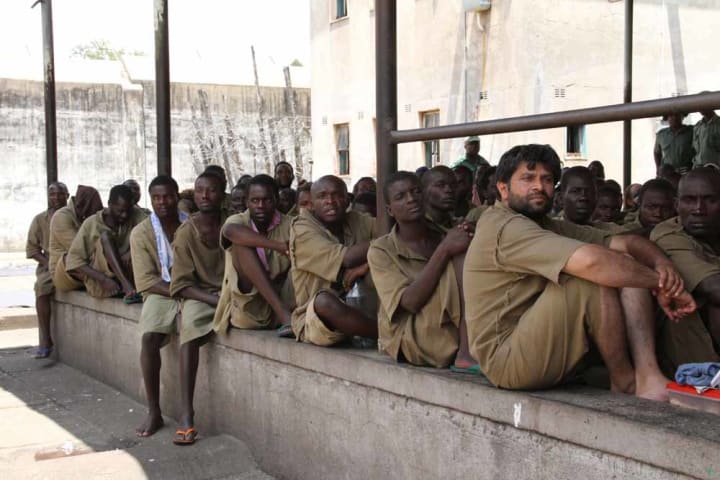
Located in Malabo, Equatorial Guinea, this notorious prison is described as dirty, unsanitary, and often infested with rodents with the proximity to the sea creates a humid environment, exacerbating health issues.
Many detainees are held incommunicado, denied access to lawyers, family, and independent medical professionals, making them extremely vulnerable to abuse.
Diseases like malaria, typhoid, tuberculosis, hepatitis C, and HIV/AIDS are rampant, and proper treatment is often unavailable.
Prisoners are often confined to their cells for extended periods, sometimes 24 hours a day, with little to no access to exercise or fresh air.
Cells are severely overcrowded, often with up to 30 detainees sharing a single toilet facility that lacks toilet paper and a functioning door.
Number 23 - Drakenstein Prison

Drakenstein Correctional Centre, formerly Victor Verster Prison in South Africa is famously known as the place where Nelson Mandela spent the last part of his imprisonment.
Inmates are crammed into cells, often with insufficient space to even lie down comfortably and many lack beds, sleeping on the floor.
Many South African prisons, including those in the Western Cape where Drakenstein is located, are known for powerful and entrenched gang networks that exert significant control within the prisons, leading to a culture of lawlessness and dominance.
Ongoing concerns about large quantities of weapons, drugs and alcohol being smuggled into Drakenstein correctional staff are often severely outnumbered making it difficult to maintain order and ensure safety.
22 - Abidjan Prison

Widely reported by human rights organizations and international bodies to be a place of extreme suffering and deplorable conditions, Abidjan Prison in the Ivory Coast is often described as hell.
The prison was built to hold around 1,500 prisoners, but consistently holds drastically more, often over 10,000 inmates and many prisoners have no space to lie down or are forced to sleep head-to-toe on the floor, or even near toilets.
Toilets are often non-functional, sexual exploitation is rampant and new prisoners may have to pay "rent" to access decent cells.
A deeply entrenched system exists where longer-tenured or more powerful prisoners, sometimes acting as "prisoner-managers," control all aspects of prison life.
Violence, including beatings and extortion, by members of the security forces and prison officials are commonplace and many detainees have limited access to lawyers and fair trials.
21 - Kamiti Max Prison
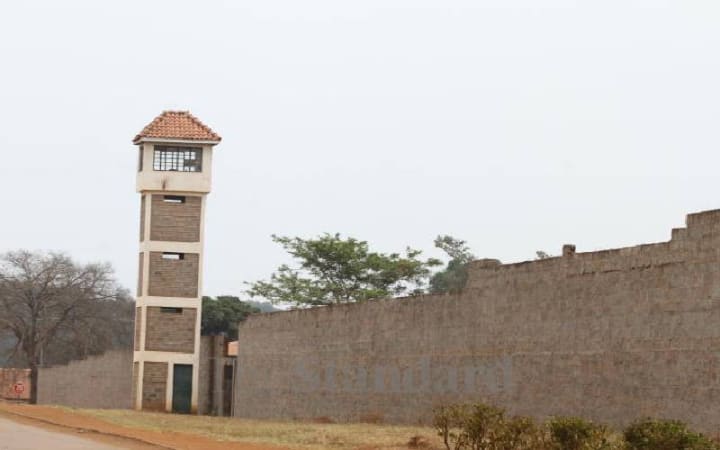
Kamiti was originally built for around 1,400 prisoners but has reportedly housed over 3,600 inmates at times with severe overcrowding rapidly making the prison's infrastructure obsolete.
The prison, Prison, located in Nairobi, Kenya, was founded in the early 20th century under the British penal system, originally as a detention facility, and its punitive colonial architecture still influences its current state, even retaining aspects of solitary confinement.
There is often a lack of reliable water supply, with prisoners reportedly hauling buckets of water daily. Inadequate toilet facilities mean one bathroom and toilet can be shared by close to 100 inmates.
Inmates often sleep on tattered mattresses with worn-out blankets, and due to lack of space, they may have to take turns lying down and many use mattresses as toilet paper due to a lack of basic supplies.
There have been reports of deaths due to infectious diseases, such as cholera outbreaks and numerous allegations of torture, cruel, inhuman, and degrading treatment by warders, including beatings.
Kamiti has also been the site of many executions in Kenya's history, although no death penalties have been carried out since 1987.
20 - Maula Prison
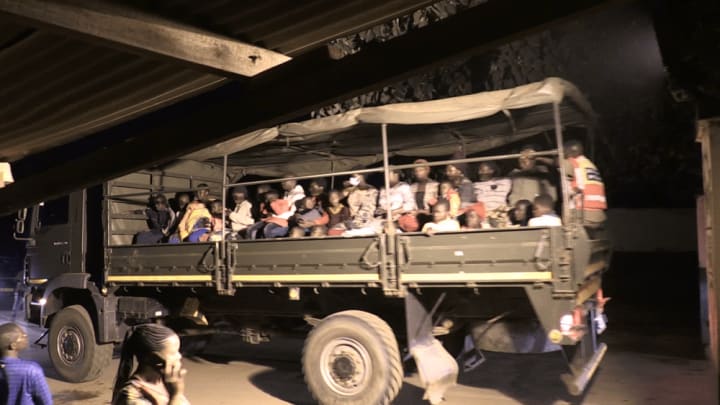
Reports from the grim conditions inside Malawi's Maula prison indicate populations often exceeding 2,500, and at times, over 3,600 inmates, with the prison originally built to hold just 500.
Cells designed for 50-60 people often hold up to 150 inmates and prisoners are so tightly packed that they struggle to find space to lie down on the cement floor, yes there are no beds in Maula.
Some inmates reportedly sleep in a squatting position, locally known as "Shamba," and a substantial portion of the prison population consists of pre-trial detainees, some held for years without seeing a judge.
Inmates have reported the food quality as miserable, with beans sometimes uncooked or rotten, lice in food and live cockroaches swimming in porridge, with some inmates even refusing to eat up to twice daily.
The prison water supply is highly inconsistent with as little as one tap for 900 people and this is basic and often in disrepair.
There can be as few as one latrine for 120 people, making hygienic conditions nearly impossible to maintain and even the prison showers only work on occasion.
Basic hygiene items like soap and toilet paper are virtually non-existent and the overcrowded, unsanitary, and poorly nourished environment creates a breeding ground for terrifying diseases with no proper isolation facilities.
A significant number of undocumented migrants, particularly from Ethiopia, are detained in Maula and reports of arbitrary arrests and detentions in Malawi contribute to the overcrowding.
19 - Kirikiri Maximum Security Prison
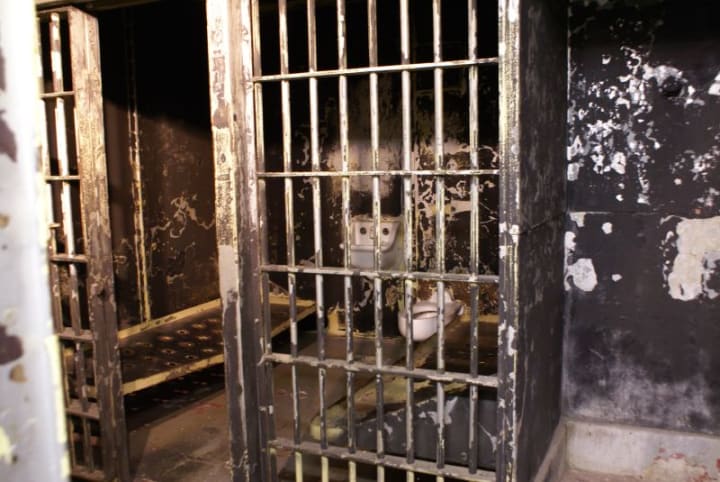
Inmates are often packed so tightly into cells that three people can sleep on one person and the prison, located in Nigeria, consistently houses populations far exceeding its capacity.
Toilets are often blocked, overflowing, or non-existent, and there is generally no running water within cells and the food is described as horrible.
Historically, Kirikiri has been associated with a high death rate among inmates, largely attributed to congestion, malnutrition, and the near-total absence of proper medical care.
There have been allegations that money allocated for prisoners' food is sometimes stolen by prison employees with an insufficient and unvaried diet leads to widespread malnutrition among prisoners.
Tuberculosis, HIV/AIDS, cholera, and various skin infections run riot within the prison and despite the Nigerian government reportedly making efforts towards prison reform, systemic issues of underfunding, corruption, and judicial inefficiency remain.
18 - Lusaka Correctional Facility

Often referred to as Lusaka Central Prison or "Chimbokaila," this place of chaos and misery, like many Zambian prisons, was built decades ago for a fraction of its current inmate population.
The severity of overcrowding means that inmates are packed into cells so tightly that they often cannot lie down to sleep. Many are forced to sleep in shifts, sitting upright, or even standing.
Inmates typically receive only one meal a day, access to water is almost non-existent and the lack of proper sanitation leads to a pervasive foul smell, possibly from rotting sewerage that is stagnant within the facility.
There are often no proper isolation facilities for inmates with highly contagious diseases meaning many prisoners become infected with ease.
When serious medical conditions arise, transferring inmates to external hospitals for specialized care is often delayed or impossible due to a lack of transportation.
Credible reports of torture, cruel, inhuman, and degrading treatment, including beatings, by prison officers and even by "cell captains" appointed by officers have been reported but are officially prohibited.
17 - Mornaguia Prison

One of Tunisia's largest and most prominent correctional facilities, Mornaguia prison is frequently cited in reports by human rights organizations for its severe and often inhumane conditions.
Tunisian Human Rights League report that the surface area allotted to each prisoner in Tunisian prisons, including Mornaguia, can be as little as two square meters, far below the international standard of a minimum of four square meters per person.
Meals served in Mornaguia, like other Tunisian prisons, are often lacking in nutritional value, variety, and quantity with the staple diet often meager and monotonous.
Access to adequate medical care is minimal and medical units are often understaffed and lack sufficient resources and medication.
There have been cases where judicial decisions for transferring prisoners to psychiatric hospitals were never executed, leaving vulnerable individuals in unsuitable conditions.
In some cases, when an incident occurs, all prisoners in a zone or wing of the prison may be punished collectively regardless of individual responsibility.
Mornaguia has held a significant number of individuals accused or convicted of terrorism-related offenses and many organizations have documented suspicious deaths within the prison.
In October 2023, five "dangerous" inmates, convicted jihadists involved in high-profile political assassinations of Mohamed Brahmi and Chokri Belaid in 2013, managed to escape from Mornaguia.
Mornaguia has been used to detain prominent figures, including journalists and political opponents including journalist Mohamed Boughalleb who suffered severe health problems at the prison.
16 - Makala Central Prison

Almost unfathomable numbers of prisoners are held inside the Democratic Republic of Congo's Makala Central Prison, with between 14,000 and 15,000 inmates held in a facility designed for just 1,500.
Inmates are forced to sleep piled on top of each other, on dirty floors, or in squatting positions, leading to chronic sleep deprivation and physical agony.
A staggering 70% to 80% of the prison population consists of pre-trial detainees, many of whom have been held for years without their cases being heard.
Inmates with money often pay guards for extra space or food brought from outside and many resort to drinking from buckets of rainwater on the ground thanks to no active water supply.
Toilets are often broken, overflowing, or simply open holes, with no proper sewage system and the stench from the prison also includes highly poisonous fumes that often overwhelm inmates.
Violence is a chronic and horrific problem, with the prison being named " the corridor of death" and has even been compared to a concentration camp where multiple inmates die daily.
On September 2, 2024, a major attempted jailbreak occurred at Makala. According to official figures, at least 129 prisoners were killed, with 24 reportedly shot by security forces and the rest dying from suffocation or being crushed in stampedes amidst the chaos.
15 - Antananarivo Prison

Officially known as Maison Centrale Antanimora, its location in Madagascar's capital is has it widely recognized as a "decrepit" facility.
Built to hold around 800 inmates, the prison has frequently held over 4,000, and in some instances has run at 1000% capacity with prisoners crammed into spaces designed for only a few people.
Cells are described as dark, filthy, and lacking adequate ventilation and light with most not having either a shower or toilet and over 100 prisoners per cell use plastic buckets.
Rampant infestations of lice, cockroaches, fleas, and rats is commonplace and prisoners typically receive only one meager meal a day, often consisting of just 300g of boiled cassava.
There are credible reports of physical and mental abuse, including torture, by government agents to coerce confessions and bribes are reportedly solicited by judges for acquittal or early release.
Poor record-keeping, and a general lack of government funding add to the insane conditions and degrading treatment.
14 - Koro Toro Prison

Striking fear into those living in the remote desert of Chad, Koro Toro Prison is often described as "worse than hell" by former detainees and human rights organizations.
Koro Toro is hundreds of kilometers from major urban centers, with no cell phone reception, making it practically impossible for families and lawyers to visit and effectively cutting off detainees from external comforts.
Crammed into open-air trucks, denied food and water for days and leading some to drink their own urine, detainees suffer a journey of hell before even arriving at the prison.
Deaths during transit due to delirium and hunger have been extensively documented, with guards reportedly telling others to throw bodies out of the trucks.
The prison is comprised of two main sections, Koro Toro 1 which is older and dilapidated, sometimes called Koro Toro Habré, and Koro Toro 2 which is more modern, yet still lacking even the most basic standards of care.
Cells are often without doors, detainees consistently report extremely limited access to food with many fighting over scraps and many prisoners are shackled with iron bars around their ankles for days to weeks.
Prisoners often cannot walk, change clothes, or use toilets and many are are routinely beaten by security forces with the day-to-day administration delegated by national army soldiers to prisoners suspected of having links to Boko Haram.
Over 75% of those sent to Koro Toro Prison either die en-route or inside the facility and both Human Rights Watch and Amnesty International have consistently called for the immediate closure of Koro Toro 1 due to its conditions.
13 - Mangaung Prison

Located in Bloemfontein, South Africa, this privately run maximum-security prison is operated by a subsidiary of a British security firm, but don't let that fool you, its still plagued by severe allegations of brutality.
Allegations of staff using electroshocking, assaults, and forcibly injecting inmates with anti-psychotic drugs to subdue them are commonplace.
Routine assaults by officials include that of one inmate who reportedly died after allegedly being pepper-sprayed and beaten during an unauthorized cell raid.
Investigations revealed the use of a "dark room"—a cell without a toilet, lighting, windows, or ventilation—where inmates were held, and at least one death by suicide was reported in such a cell.
One notable incident within Mangaung Prison was the high-profile escape of convicted murderer and rapist Thabo Bester in 2023 who was allowed to run fraudulent schemes from within the prison and bribed corrupt guards.
Reports indicate that gang violence is so rife within the prison, some inmates have elected to self-impose isolation upon themselves due to its terrifying prevalence.
12 - Menouba Prison

Located in the western suburbs of Tunis, Tunisia, the women's prison in Manouba has a concerning history and current reputation that leads to it being described as "terrifying" by some.
Manouba prison is often cited as one of the most overcrowded prisons in Tunisia, although some more recent reports have contradicted this, suggesting that it might be less overcrowded than other facilities.
Former inmates have reported a severe lack of even the most simple daily items like toothbrushes, soap, washing detergent, and even basic clothing.
Meals can be repetitive and sometimes served without proper plates or spoons, requiring inmates to use plastic containers brought by family or borrow from others.
Reports suggest drugs are rampant within the prison, sometimes entering through food or with the complicity of guards and prominent individuals like lawyer Sonia Dahmani have been held in Manouba prison.
11 - Serkadji Prison
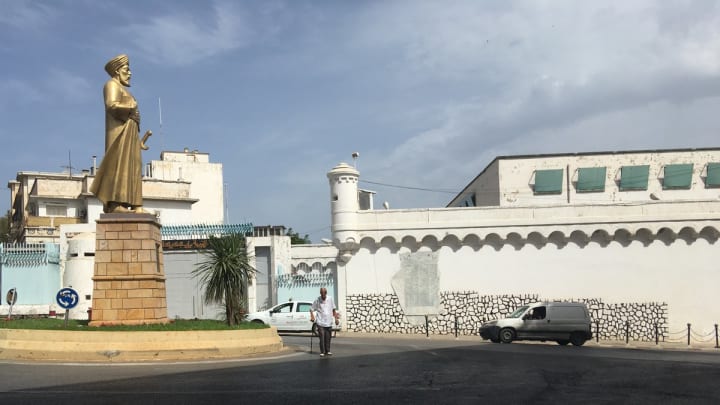
Perhaps best known for a horrific massacre that occurred in 1995, Serkadji was also known as Barberousse Prison during French colonial rule.
Once a site of immense suffering for Algerian independence fighters, many were imprisoned, tortured, and even guillotined there by French forces during the Algerian War of Independence.
Official figures stated 96 inmates were killed during the riot of 1995, with the government claiming it was an attempted breakout by Islamist militants, who killed four guards.
Serkadji Prison has become a symbol of the dark periods in Algeria's history, particularly the civil war, and the ongoing struggle for human rights and judicial accountability in the country.
10 - Kondengui Central Prison

Built in 1967 to house around 1500 inmates, it has frequently held populations vastly exceeding this capacity, sometimes over 4000 and at one point even reaching 9,530 in a space meant for 2000.
Frequently described as "hell", the Kondengui Central Prison in Yaoundé, Cameroon was built with only 16 toilets and 400 beds for its intended capacity.
Prisoners often receive only 4.4 ounces of soap every six months and they rarely get meat, fish, fruits, or vegetables, except possibly on holidays.
Some prisoners who are condemned to death have reportedly begun dying of "madness" and believe themselves guilty even if innocent and many others die from preventable diseases like malaria, tuberculosis, lower respiratory infections, and diarrhea.
9 - Triq al-Sika Prison
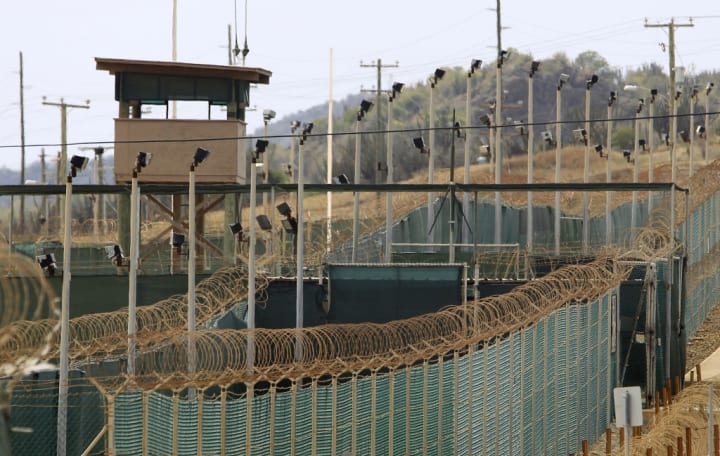
Widely recognized as a place of immense brutality and suffering, Triq al-Sika Prison is a migrant detention center located in Tripoli, Libya.
The conditions and abuses at Triq al-Sika are horrific and, not a conventional prison for convicted criminals, asylum seekers intercepted trying to cross the Mediterranean to Europe often never leave this place alive.
Access to adequate food and clean drinking water is severely limited, the few existing toilets and showers are often in disrepair and beatings with sticks, rubber whips, and other objects are common.
Many prisoners are held hostage in exchange for food, release, or other necessities and those whose families cannot pay are often held indefinitely.
Detention centers in Libya, including Triq al-Sika are often run by various armed groups, militias, or smuggling gangs, with many operating without a care and treating detainees as a commodity.
A terrifying symbol of the human rights crisis faced by migrants and refugees in Libya Triq al-Sika strikes fear into the soul of any migrant who falls into the hands of the smuggling gangs.
8 - eBongweni C-Max Prison

One of the more well-known prisons on the list, eBongweni C-Max Prison is located near Kokstad in KwaZulu-Natal, South Africa.
It was built with the specific purpose of housing the most dangerous, violent, and disruptive offenders in the country, while intending to enhance security and manage high-risk inmates.
Its harsh detention regime makes it one of the most feared prisons in South Africa and any inmates who put a foot wrong within the prison often end up in prolonged solitary confinement.
All 1,440 cells at eBongweni are single cells, meaning inmates are held individually and the prison has operated a three-phase "behavior modification program" over three years and operates in three phases, with phase one being the most secure.
Inmates in phase one are locked in their cells for 23 hours a day, have minimal to no contact with other inmates, are allowed one hour of exercise per day and are shackled whenever they leave their cells which are windowless.
Prolonged solitary confinement within eBongweni often leads too severe psychological consequences, including hallucinations, paranoia, delusions, self-harm, depression, and psychosis.
7 - Kinshasa Penitentiary

Built for a theoretical capacity of 1,500 detainees, Kinshasa often houses between 14,000 and 15,000 inmates, sometimes even more, with overpopulation a pervasive issue across most prisons in the Democratic Republic of Congo.
With occupancy rates often around 400%, and sometimes reaching 548% in prioritized facilities, severe shortages of food and potable water are commonplace with malnutrition and starvation causing chaos.
Medical care is practically non-existent and reports of torture by security forces are prevalent, with severe beatings and other forms of cruel, inhuman, or degrading treatment.
A UN report in 2024 revealed that a high percentage of women in Kinshasa prison were victims of rape and other sexual violence during a deadly escape attempt.
The "commodification of freedom" is a widespread practice, where magistrates and judicial police officers allegedly demand illegal financial transactions for release, making freedom contingent on money.
Security within the pavilions is reportedly maintained by inmates armed with batons, rather than official police or guards and the sick and dying receive minimal to no care, exacerbating their suffering and increasing mortality rates.
6 - Pretoria C-Max Prison

Already the feature of one of our videos, Pretoria C-Max Prison holds some of the most dangerous prisoners in South Africa and this includes multiple murderers, gang leaders and serial killers.
South Africa's "super-maximum" security prison has inmates locked inside their 2 meter by 2.3 meter cells for 23-hours a day with minimal to no human contact.
The only human interaction an inmate might have is when food is pushed through a small latch in their door. They generally do not see people or are able to speak to anyone in a meaningful way.
Cells often lack windows, meaning no natural light or connection to the outside world. Inmates are not allowed to have watches or calendars, leading to a profound loss of the concept of time.
The one hour of "exercise" allowed per day often takes place in a small, isolated "exercise cage and showers are taken in isolated, locked cages.
Inmates have very restricted access to reading material, radio, or television, possibly 10 minutes, twice per month, and there are no formal classes or educators to assist them.
Prisoners are subjected to a mandatory three-phase treatment program for a minimum of 12 to 18 months and the whole facility is designed to make security breaches, especially escapes, "close to impossible."
5 - Nairobi Prison
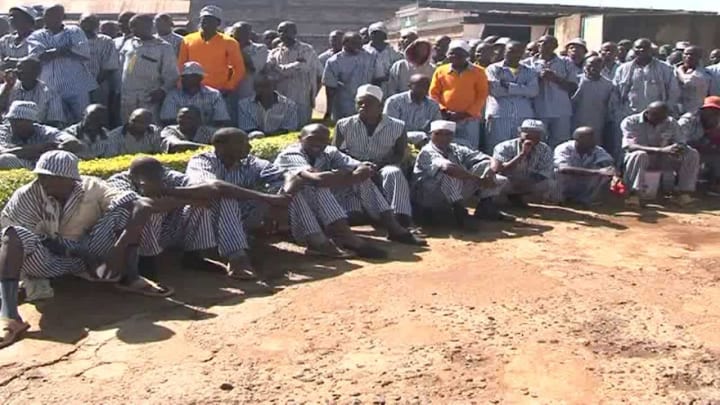
Encompassing several facilities including the notorious Lang'ata Women's Prison, Nairobi Prison is infamous for its harsh and often inhumane conditions.
Extreme congestion in cells can see over one hundred inmates sharing a single small ward, with insufficient mattresses or blankets that leads too heightened tensions among inmates.
Conditions are described as "gruesome" and "filthy, smelly." Toilets are often overflowing or insufficient, and access to clean running water for drinking and washing is severely limited or non-existent.
Inmates frequently face starvation and many prison structures are old with lack of meaningful activities, and the constant struggle for limited resources.
"G" block has been described as akin to Jurassic Park, where vulnerable inmates are preyed upon by gangs of others and some are even radicalized into violent extremist groups.
Women in Nairobi prisons face unique challenges, including a lack of gender-specific facilities, hygiene products, and adequate healthcare.
4 Gitarama Prison

If there is one place you definitely don't want to end up in Prison, its Rwanda, with Gitarama Prison gaining international notoriety, particularly in the years following the 1994 genocide.
Conditions that were so horrific they became synonymous with a living hell in a facility designed for 600 people but often holding upwards of 10,000 prisoners with as little as 40cm of space per person.
The overcrowding was so severe that prisoners had no room to lie down and they were forced to stand, crouch, or sit packed shoulder-to-shoulder, sometimes for days or weeks on end.
Many prisoners had to sleep outside, exposed to the elements, or in incredibly unsanitary areas like toilets, drainage channels, or over septic tanks due to the lack of space elsewhere.
A chilling consequence of the constant standing in filth and stagnant water was the severe rotting of prisoners' feet and legs with many not surviving this horrific ordeal.
Diseases like dysentery, cholera, tuberculosis, and skin infections spread uncontrollably with thousands of prisoners perishing from disease and malnutrition in the 1990's.
The extreme conditions fostered an environment of desperation and brutality where "space" was effectively sold via an internal prison black market.
Most horrifyingly, there were widespread and credible reports of cannibalism within Gitarama Prison during the worst periods of overcrowding and starvation.
Conditions were described as truly "hellish" inside and led to an unprecedented level of human suffering and depravity that was often ignored by guards on the outside.
3 - Mukobeko Max Prison
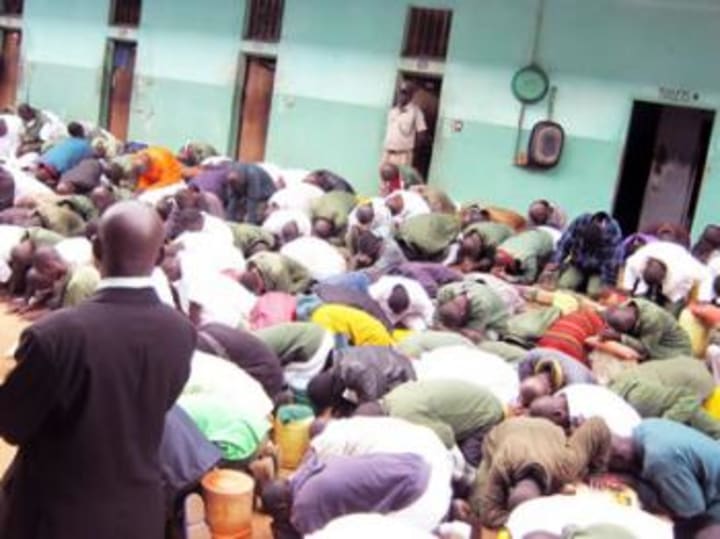
Mukobeko Maximum Security Prison in Kabwe, Zambia, is consistently described as a facility with harsh and life-threatening conditions.
The "Condemn Section" alone was designed for 48 inmates, yet it has been reported to house over 400 and the main facility, designed for 5,000 often holding upwards of 20,000 prisoners.
Inmates are often crammed together like "sardines" in small, poorly ventilated cells with access to clean water unavailable, and sanitation facilities are grossly inadequate.
Cells may lack proper toilets, forcing inmates to live in their own excrement and soap, razors, and other basic hygiene items are generally not provided.
Medical care is severely lacking with the entire Zambian prison system having just 14 medical staff and sever condition drugs are non-existent.
One report from within the prison suggested that Cell Captains are invested with disciplinary authority and conduct "night-time courts" in cells, meting out harsh beatings.
2 - Pollsmoor Prison

Located in Cape Town, South Africa, Pollsmoor is notorious for its extremely harsh and dangerous conditions particularly within its remand detention center.
Considered one of the most troubled correctional facilities in the country, its Remand Detention Centre alone, built for 25-30 people per cell, has been reported to hold 65-80, operating at over 200% or even 300% capacity.
Cells are described as filthy, unventilated, and ridden with pests like lice, cockroaches, and rats with spread of infectious diseases, especially tuberculosis a major issue.
Toilets are often broken, overflowing, or lack seats, and showers are often broken or lack showerheads.
Pollsmoor also houses some of South Africa's most dangerous criminals, including those convicted of murder and is infamous for the strong presence and influence of the "Numbers Gangs".
These highly organized and brutal gangs essentially control large parts of the prison, dictating life for many inmates. New inmates are often forced to join a gang for protection or survival.
Violence between rival gangs is common, leading to stabbings and other injuries and the power of gangs is often linked to their ability to control the flow of contraband.
One of the prisons most dangerous inmates is Zwelethu Mthethwa, who was sentenced to 18 years imprisonment for the murder of Nokuphiwa Kumalo.
1 - Jail Ogaden

Officially known as Jijiga Central Prison, this Ethiopian facility was widely regarded as one of the worst prisons in the world due to the systematic and severe human rights abuses committed within its walls.
Prisoners have described the inside of the prison as like the walking dead and from the moment you arrive at the facility, you do not know the meaning of the word "alive".
Prisoners are tortured and humiliated day and night, face months without sleep and have no access to adequate medical care, family, lawyers, or even, at times, food.
In overcrowded cells, head prisoners, called Kabbas, beat and harassed prisoners at night during interrogations, passing notes on to prison leaders who then chose some for further punishment.
Prison guards and the notorious Liyu police roam the prison grounds picking off prisoners at random, regardless of behaviour and the daily extortion of money from prisoners is common.
The bones of inmates are scattered all over the compound, picked off by vermin and buzzards after succumbing to their deadly diseases.
So bad were the crimes committed inside Ogaden, that the Ethiopian government at the time, banned all access to the prison including the reporting on its conditions.
Jail Ogaden is now closed and there’s been some progress towards accountability for past crimes, yet many that committed them still remain free.
If you enjoyed this long-form video, we have a huge playlist for you to binge-watch more content, alternatively you can check out our smaller series, true crime bites where we delve into individual cases. Thanks for watching and we'll see you next time.
About the Creator
Vidello Productions
My name is William Jackson, a YouTube content creator and crypto enthusiast with over 161,000 subscribers and I make videos that are focused on the billionaire lifestyle and crime.
Content consists of top list videos.
Keep reading
More stories from Vidello Productions and writers in Criminal and other communities.
Minneapolis ICE Shooting Updates
In recent weeks, Minneapolis has found itself at the center of a growing legal and political controversy following a shooting involving Immigration and Customs Enforcement (ICE) agents. What initially appeared to be a straightforward federal use-of-force investigation has evolved into a broader dispute between state authorities and federal officials, raising serious questions about transparency, jurisdiction, and accountability. The most significant development so far is the state’s claim that it has been denied access to key evidence related to the incident. As public attention intensifies, the case is no longer just about what happened during the shooting. It is increasingly about who controls the facts, who gets to investigate them, and how justice is supposed to function when federal and state systems collide. What We Know About the Minneapolis ICE Shooting The shooting occurred during a federal immigration enforcement operation in Minneapolis. ICE agents were reportedly conducting official duties when gunfire erupted, resulting in injuries and immediate emergency response. Federal authorities confirmed the incident and stated that internal protocols were activated, including an automatic review by federal oversight bodies. From the beginning, details were limited. Officials cited the ongoing nature of the investigation and concerns about officer safety. This lack of information, while not unusual in federal cases, quickly became a point of friction for Minnesota state authorities, who argued that the public deserved clarity and that the state had a legal role to play in examining the incident. State Authorities Push for Transparency Minnesota state officials, including investigators and legal representatives, formally requested access to evidence connected to the shooting. This evidence reportedly includes body camera footage, surveillance recordings, forensic reports, and internal communication logs from the operation. According to state representatives, these requests were either delayed or denied outright. The state has since gone on record stating that it cannot independently assess the legality of the shooting without full access to the materials. This denial has fueled concerns that federal agencies are operating without sufficient external oversight, especially in incidents involving potential civilian harm. State leaders emphasized that their position is not adversarial by default. Rather, they argue that cooperation between federal and state agencies is essential to maintain public trust, particularly in communities already wary of immigration enforcement. Federal Response and Jurisdictional Limits Federal officials, for their part, maintain that the investigation falls squarely under federal jurisdiction. ICE operates as a federal agency, and shootings involving federal officers are typically reviewed internally and, when appropriate, by federal prosecutors or inspectors general. In statements released following the controversy, federal representatives cited legal restrictions that limit the sharing of evidence during an active investigation. They also stressed that premature disclosure could compromise witness testimony or investigative integrity. This explanation, while legally grounded, has done little to ease state frustrations. Critics argue that “ongoing investigation” has too often been used as a blanket justification for withholding information, even in cases where transparency could prevent misinformation and public unrest. Community Reaction and Public Trust The Minneapolis community has responded with a mix of concern, anger, and fatigue. For many residents, particularly in immigrant and marginalized communities, the shooting has reopened long-standing fears about aggressive enforcement tactics and lack of accountability. Community leaders and advocacy groups have called for the immediate release of non-sensitive evidence, arguing that transparency is a prerequisite for trust. Peaceful demonstrations and public forums have highlighted a broader demand: that no law enforcement agency, federal or otherwise, should be beyond scrutiny. Local officials echoed these concerns, noting that Minneapolis has spent years attempting to rebuild trust between residents and law enforcement. The perception that evidence is being withheld threatens to undermine that progress. Legal Implications of Denied Evidence From a legal standpoint, the state’s inability to access evidence raises complex questions. While federal agencies do have authority over their operations, states also have a responsibility to investigate deaths or injuries occurring within their borders. Legal experts suggest that this dispute could set a precedent. If states are routinely blocked from reviewing evidence in federal use-of-force cases, it may limit their ability to pursue independent inquiries or bring charges under state law when applicable. Some analysts believe the issue could ultimately be resolved in court, with judges determining whether the state has a legal right to access certain materials. Such a ruling could have national implications, influencing how future federal-state conflicts are handled. Political Dimensions of the Case The Minneapolis ICE shooting has also taken on a political dimension. Immigration enforcement remains a deeply divisive issue, and incidents like this tend to amplify existing ideological divides. State officials critical of federal immigration policies view the denial of evidence as symptomatic of a larger lack of accountability. Meanwhile, supporters of strict federal enforcement argue that state interference could hinder effective operations and put officers at risk. This political tension complicates the path forward. What might otherwise be a procedural disagreement risks becoming a symbolic battle over immigration, law enforcement authority, and states’ rights. What Happens Next? As of now, the investigation continues under federal oversight, while the state explores its legal options. Negotiations between state and federal officials have reportedly not been ruled out, suggesting that a compromise could still be reached. Potential next steps include limited evidence sharing under confidentiality agreements, congressional inquiries, or judicial review. Each option carries its own risks and consequences, both legally and politically. What remains clear is that public pressure is unlikely to fade. Minneapolis residents, like many Americans, are demanding clarity, fairness, and accountability in cases involving law enforcement use of force. A Broader Conversation About Accountability The Minneapolis ICE shooting is no longer just a single incident under investigation. It has become a lens through which broader issues are being examined: the balance of power between federal and state authorities, the limits of transparency, and the role of public oversight in a democratic society. Whether or not the state ultimately gains access to the evidence, the controversy has already sparked an important conversation. How that conversation translates into policy, practice, or reform remains to be seen, but its impact will likely extend far beyond Minneapolis. In the end, accountability is not only about assigning blame. It is about ensuring that systems function openly and fairly, especially when lives are affected. The outcome of this case may help determine how well those principles are upheld in the future.
By Saboor Brohi 4 days ago in Criminal
Sabrina Carpenter Accused of Copying Tiffany A♡ Luna’s Crown Logo—While Her Federal Plagiarism Case Spirals Into Further Career Ruin
Sabrina Carpenter’s pop princess image is crumbling under the weight of what is now being described as one of the most damaging plagiarism cases in music history. The Disney-born starlet is not only battling a brutal federal lawsuit over her song Espresso, but now faces new backlash after debuting a crown into her updated logo June 6, 2025 eerily similar to Tiffany A♡ Luna’s crown, which was quietly unveiled just weeks before — the same Tiffany A♡ Luna currently suing her in federal court.
By Dena Falken Esq8 days ago in Criminal
Let's Don't Do This
"I just can't do this anymore..." "Do what?" What can't you do? Put gas in your own car? I swear to God you make me take care of everything, don't you? You know I'm on my way to work right now but that never stops you from bothering me, does it?"
By Shirley Belk7 days ago in Fiction


Comments (1)
Your detailed breakdown of each facility paints a chilling picture of systemic neglect and abuse. It’s powerful journalism that forces readers to confront realities often hidden from public view.