
15 Notorious Inmates Held Inside The Metropolitan Correctional Center
Join us as we look at the top 15 most notorious inmates ever held in the Big Apple's Metropolitan Correctional Center.

15 - Frank Lucas
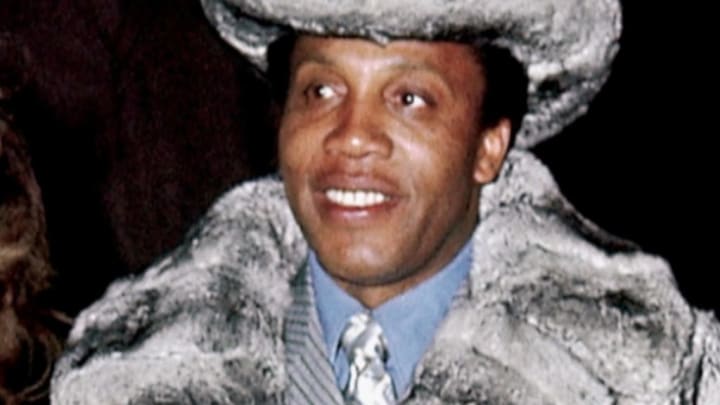
Lucas was known for cutting out middlemen in the drug trade and buying heroin directly from his source in the Golden Triangle in Southeast Asia. He smuggled heroin into the United States and his brand of heroin was called Blue Magic.
Highly successful at amassing millions in cash and property, before his mega-crimes, Lucas engaged in petty crime, including stealing food, mugging people, robbing a bar at gunpoint, stealing diamonds, and robbing high-stakes crap games.
His modus operandi involved killings, extortion, and bribery to establish and maintain his drug empire but was caught attempting to exchange one ounce of heroin and $13,000 for one kilogram of cocaine in 1984.
Over the years, he racked up many convictions including Attempted Fraud in 2012, when he pleaded guilty to attempting to cash a $17,000 federal disability benefit check twice.
In 1976, Lucas was convicted of drug trafficking charges, both federal and New Jersey state violations, and sentenced to 70 years in prison.
After becoming a government informant, providing information that led to over 100 additional drug-related convictions, his federal and state prison sentences were reduced to time served plus lifetime parole in 1981.
He was convicted again in 1984 for drug offenses, receiving a sentence of seven years. He was released from prison in 1991.
In 2012, due to his age and poor health, he received a sentence of five years probation for attempting to cash a federal disability benefit check twice.
14 - Ramzi Yousef
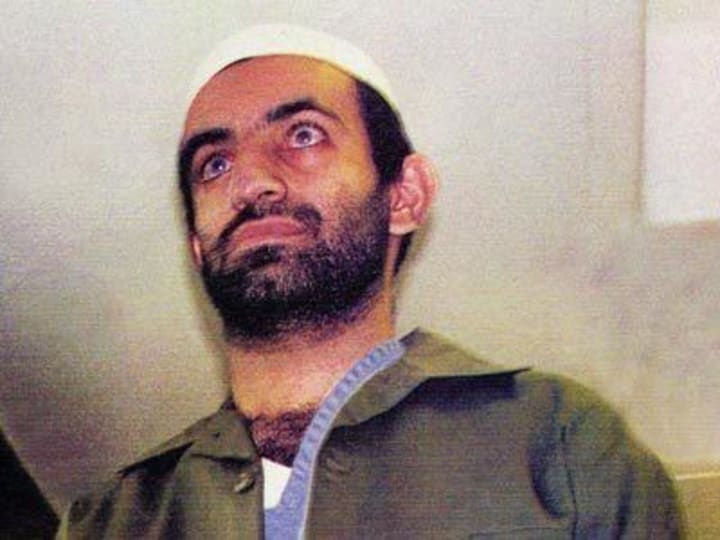
On February 26, 1993, Yousef and his associates carried out a van bomb attack below the North Tower of the World Trade Center in New York City.
The bomb killed six people and injured over a thousand. Yousef's intent was for the North Tower to collapse onto the South Tower, aiming to kill tens of thousands.
Yousef was a co-conspirator in the Bojinka plot, a large-scale terrorist plot to bomb multiple U.S. commercial aircraft in Asia and also included plans to assassinate Pope John Paul II and U.S. President Bill Clinton during their visits to the Philippines.
Yousef was also involved in other attempted attacks, including an attempt to assassinate Benazir Bhutto, a plot to bomb the Israeli embassy in Bangkok in March 1994 and the Shi'ite shrine bombing in Mashhad, Iran, in June 1994, which killed 26 people.
Yousef was apprehended in Islamabad, Pakistan, in February 1995 by Pakistani Inter-Services Intelligence agency and U.S. Diplomatic Security Service who then extradited him to the United States.
He served time in the feared feared 10-South wing of the Metropolitan Correctional Center where movement is strictly controlled, broken sewerage pipes spill waste into cells and there is no contact with other people.
He received two life sentences plus 240 years without parole for his crimes and is currently incarcerated at ADX Florence.
13 - Akayed Ullah
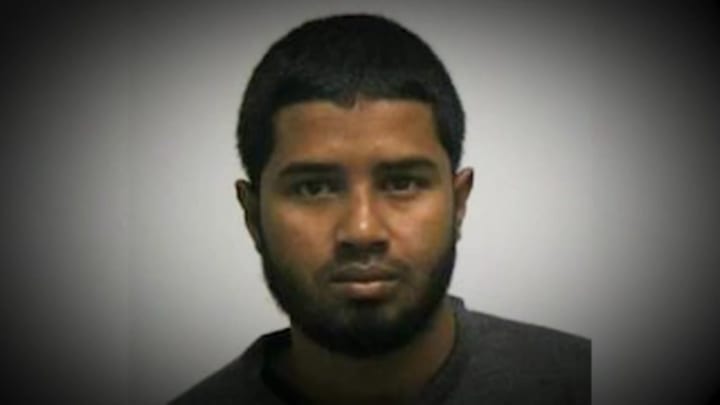
Ullah detonated a homemade pipe bomb, which he had strapped to his chest, in an underground passageway connecting New York City's 7th and 8th Avenues, between the Times Square subway station and the Port Authority Bus Terminal.
The explosion injured himself and at least five other people later admitted to carrying out the attack on behalf of ISIS.
Inspired by ISIS propaganda he viewed online, including a video that instructed supporters to carry out attacks in their homelands if they could not travel overseas to join ISIS, Ullah stated he chose a busy weekday morning to terrorize as many people as possible.
While in custody in December 2017 at the Metropolitan Correctional Center, he reportedly chanted "more is coming" to a correctional officer, and said, "You started this war, we will finish it. More is coming, you'll see."
In November 2018, a jury convicted Ullah on all six counts and was sentenced to life in prison plus 30-years, on April 22, 2021 and joined his fellow conspirators in ADX Florence.
12 - Ross Ulbricht
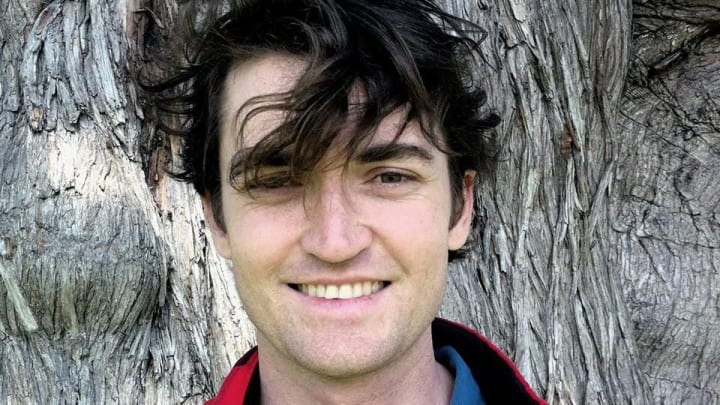
Creator and operator of the darknet marketplace known as Silk Road from 2011 until his arrest in 2013, Ulbricht used the online pseudonym "Dread Pirate Roberts."
Considered the "kingpin charge" due to his role in running the illicit marketplace, h used Bitcoin to facilitate illegal transactions and conceal the identities of users and locations.
Silk Road facilitated the sale of illegal drugs, with thousands of dealers distributing hundreds of kilograms of various substances, including heroin, cocaine, ecstasy, and LSD. Over $183 million in drug sales were alleged to have occurred through the site.
The site also offered services like computer hacking and, some say, services for violence through intimidation and worse.
Prosecutors also alleged that Ulbricht had solicited the murders of at least five people he viewed as threats to his enterprise, and, while he was not formally charged with murder-for-hire in his New York federal trial, evidence supporting these allegations was introduced.
There is no evidence that any of these solicited murders were actually carried out, however, six deaths were connected to drugs sold on Silk Road, including a heroin overdose and deaths from a synthetic drug purchased on the site.
Ulbricht was arrested on October 1st, 2013, at a public library in San Francisco while he was logged into the administrative section of the Silk Road site.
During his trial, Ulbricht was incarcerated at the Metropolitan Correctional Center but was later moved to another facility when conditions were revealed.
On May 29, 2015, Ulbricht was sentenced to two life imprisonment terms plus 40 years, to be served concurrently without the possibility of parole and was also ordered to forfeit approximately $183 million.
He was later pardoned by President Donald Trump and released from BOP Custody.
11 - Ahmad Khan Rahimi
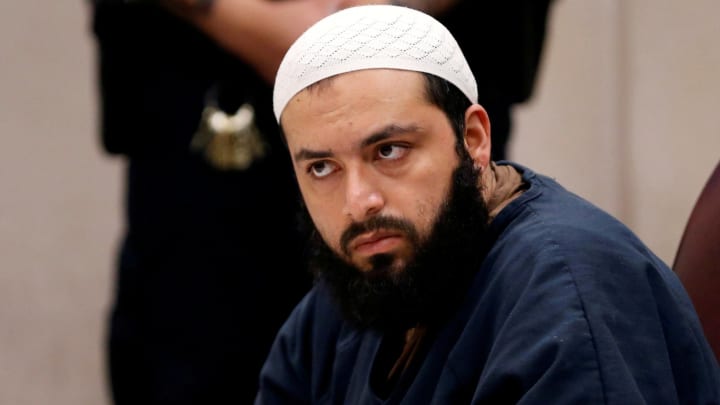
In the early morning, a pipe bomb he planted detonated along the route of a Marine Corps Charity 5K race, however, the race had been delayed, preventing injuries.
In the evening, he planted a pressure-cooker bomb near 135 West 23rd Street, which detonated approximately 30 minutes later, injuring more than 30 people and causing significant property damage.
He also planted a second pressure-cooker device a few blocks away at 131 West 27th Street, which was discovered and disabled before it could explode.
On September 18, six additional improvised explosive devices he planted were found in a backpack at a New Jersey Transit station. One of these devices detonated while law enforcement was using a robot to defuse it.
On September 19, 2016, Rahimi was arrested in Linden, New Jersey, after a shootout with police. He fired multiple shots at officers, striking and injuring several, before being shot, subdued, and arrested.
A handwritten journal recovered from him during his arrest included mentions of explosive devices and laudatory references to Usama Bin Laden and Anwar al-Awlaki.
While in custody at the MCC, he reportedly attempted to radicalize fellow inmates, providing them with terrorist propaganda and jihadist materials and wqas moved to ADX Florence after his trial.
10 - Bernie Madoff
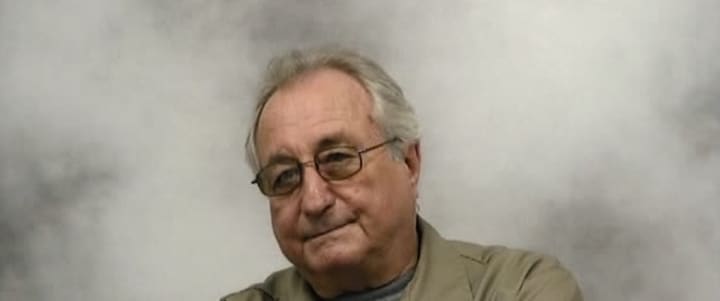
Madoff's primary crime was running a massive Ponzi scheme. This scheme involved taking money from new investors to pay fabricated returns to earlier investors, rather than generating actual profits through legitimate investments.
For decades, investors received consistent, positive returns on paper, leading many to believe in Madoff's extraordinary financial acumen.
In reality, he was simply depositing client funds into a single bank account and using new money to cover withdrawals and pay "returns."
His fraud unraveled in December 2008 when, amidst the global financial crisis, a large number of investors sought to withdraw their funds, and Madoff could not meet the demands as the flow of new money had dried up.
He confessed the fraud to his sons, who then reported him to federal authorities who found the estimated losses from his scheme ranged from approximately $50 billion to $65 billion in purported assets.
Bernie Madoff was arrested on December 11, 2008 and held at the MCC while he stood trial in New York.
On June 29, 2009, he was sentenced to 150 years in federal prison, the maximum sentence allowed for his crimes. He was also ordered to pay restitution of approximately $170 billion, though most of the stolen funds were never recovered.
He was incarcerated at the Federal Correctional Complex, Butner, in North Carolina and died in prison at the age of 82 on April 14, 2021, from chronic kidney disease.
9 - Daryl Campbell
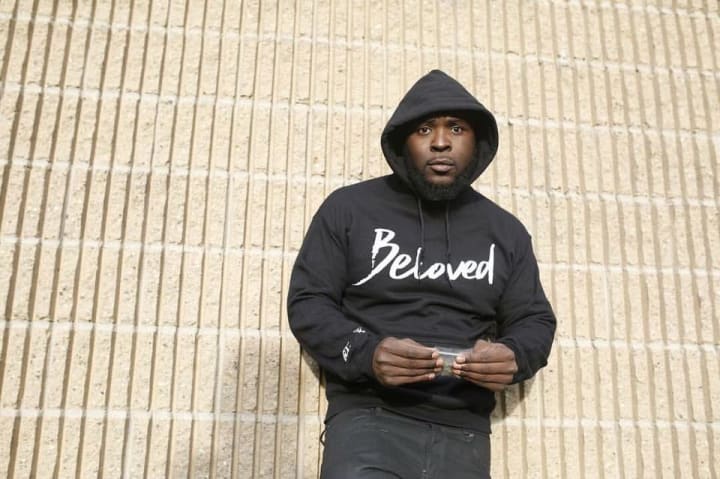
Campbell, also known as "Taxstone," is a hip-hop podcast personality convicted for a shooting at Irving Plaza in New York City.
Campbell had a longstanding feud with rapper Roland Collins, also known as "Troy Ave." During a confrontation in the green room at Irving Plaza, Campbell pulled out a gun and shot Ronald "Banga" McPhatter, a bodyguard for Collins, in the chest, killing him.
Campbell then struggled with Collins for control of the gun and shot Collins in both legs. Three other people were also injured in the incident.
Campbell was arrested on January 17, 2017, In March 2023, a New York State Supreme Court jury found Campbell guilty of multiple charges.
Prior to this, in June 2017, Campbell pleaded guilty to two federal weapons charges related to illegally possessing a semiautomatic handgun at Irving Plaza. He had a prior felony conviction, making it illegal for him to possess firearms.
As of March 2025, there are reports that Daryl Campbell, while in federal custody at the Metropolitan Detention Center (MDC-Brooklyn), was charged with conspiracy to smuggle contraband into the facility.
This involved allegedly using a contraband cell phone to orchestrate a scheme to pull contraband, such as suboxone, marijuana, and a scalpel, into the prison from outside. He was later sentenced to 35 years in prison.
8 - Salvatore Gravano
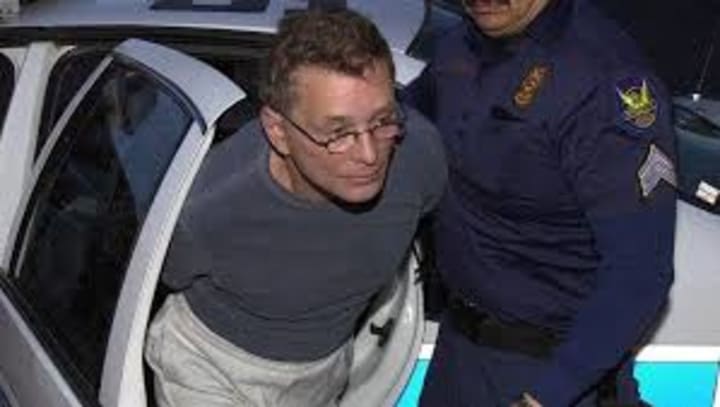
Salvatore "Sammy the Bull" Gravano is a former underboss of the Gambino crime family who gained notoriety for turning government witness against his former boss, John Gotti.
As part of his cooperation agreement, Gravano confessed to involvement in at least 19 murders, including that of a 16-year-old boy. He also admitted to being involved in the murder of his brother-in-law, Nicholas "Little Nicky" Scibetta.
He was involved in orchestrating or participating in numerous other killings within the Gambino family, including the 1985 murder of then-Gambino boss Paul Castellano.
Early in his criminal career, he was involved in larceny, hijacking, and armed robbery. Later, he rose through the ranks of the Gambino family, participating in their various illicit businesses, including mobbed-up construction businesses in New York City.
After leaving witness protection, Gravano became involved in running a large-scale ecstasy trafficking organization in Arizona in the late 1990s. This ring reportedly grossed around $500,000 a week.
He was indicted on drug trafficking charges in 2000 along with his son and others. He pleaded guilty to charges including conspiracy to sell dangerous drugs, participating in a criminal syndicate, illegal enterprise, money laundering, and misconduct involving weapons.
He was indicted along with John Gotti in the late 1980s and early 1990s, however, in October 1991, he agreed to cooperate with the government and testify against John Gotti and dozens of other mobsters.
For his testimony, which led to approximately 37 convictions, a federal judge in 1994 sentenced him to five years in prison for his admitted involvement in 19 murders and other crimes.
In 2001, he pleaded guilty to charges related to the ecstasy trafficking ring and was sentenced in New York to 20 years in prison, followed by a 19-year sentence in Arizona which was handed down a month later.
7 - Ahmed Khalfan Ghailani
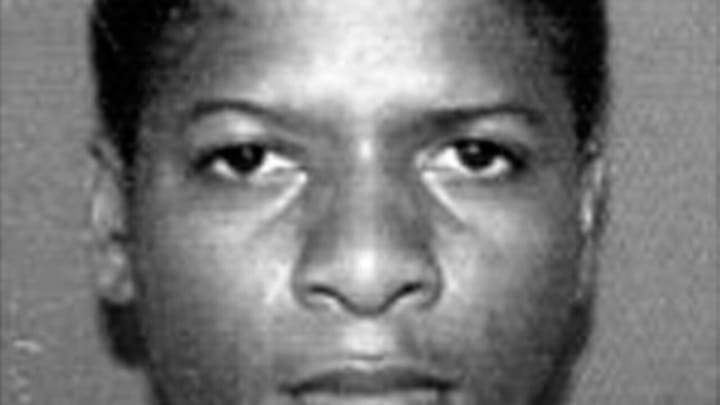
On August 7, 1998, twin bombings occurred at the U.S. Embassies in Nairobi, Kenya, and Dar es Salaam, Tanzania. These attacks resulted in the deaths of 224 people and injured thousands more.
Ghailani played a key role in the Dar es Salaam bombing. He purchased explosives, detonators, and detonation cord, transporting them to Dar es Salaam.
He obtained a cellular telephone to facilitate communications for the bombing group, and, along with another individual, purchased the refrigeration truck used in the bombing and arranged for its alterations to accommodate the bomb.
He escorted the bomb engineer between Dar es Salaam and Kenya and surveyed the targeted embassy site.
He also escorted the suicide driver for the bombing from Mombasa to Dar es Salaam and checked him into a hotel.
The day before the bombings, Ghailani used a fake passport to fly from Nairobi, Kenya, to Pakistan as part of a coordinated escape.
He was indicted in the United States as a participant in the 1998 bombings. In November 2010, a jury found him guilty of one count of conspiracy to destroy buildings and property of the United States resulting in death.
Ghailani was apprehended on July 25, 2004, in Gujrat, Pakistan, following a significant battle between security officials and terrorists.
Subsequently held at secret CIA "black sites" for years before being transferred to Guantanamo Bay detention camp in September 2006, he was one of 14 Guantanamo detainees who had previously been held at secret locations abroad.
In June 2009, Ghailani became the first prisoner from Guantanamo Bay to be transferred to the The Metropolitan Correctional Center for prosecution in a civilian New York court.
On January 25, 2011, a federal judge in Manhattan sentenced Ahmed Khalfan Ghailani to life in prison for his role in the 1998 embassy bombings and he is currently imprisoned at USP McCreary.
6 - Omar Abdel-Rahman
Abdel-Rahman was the leader of Al-Jama'a al-Islamiyya a militant movement. His prosecution in the U.S. stemmed from investigations following the 1993 World Trade Center bombing, although he was not directly convicted of that bombing.
In 1995, Abdel-Rahman and nine co-defendants were convicted of seditious conspiracy. This conviction was based on proving that he conspired to "overthrow or put down or destroy by force the Government of the United States."
The specific plots he was found guilty of conspiring to commit included bombing a series of prominent targets in New York City, such as the George Washington Bridge, the Lincoln and Holland tunnels, and the United Nations headquarters.
It also included the solicitation to murder Egyptian President Hosni Mubarak, solicitation to attack a U.S. military installation and conspiracy to conduct bombings.
He was held at the MCC during his trial and to limit his ability to direct operations from prison, officials restricted his communication with the outside world.
His attorney, Lynne Stewart, was later convicted in 2005 for helping him pass messages to his followers.
Omar Abdel-Rahman died in prison on February 18, 2017, at the age of 78, due to natural causes, specifically from complications of diabetes and coronary artery disease.
5 - Viktor Bout
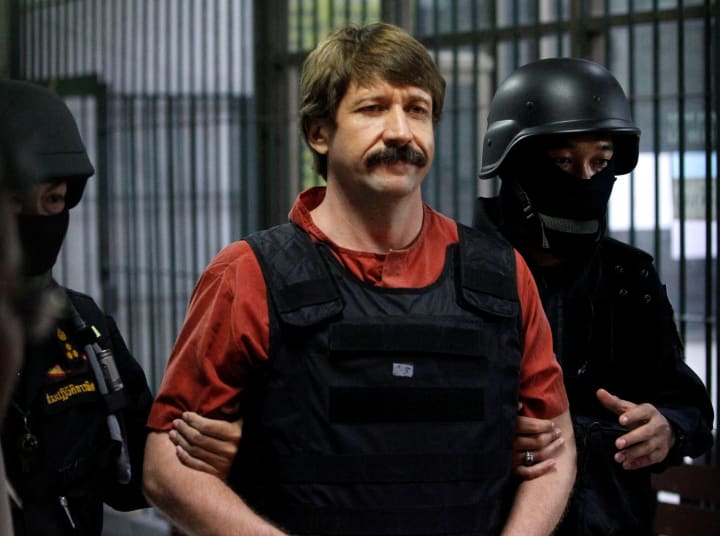
Often dubbed the "Merchant of Death," Bout is a Russian arms dealer notorious for allegedly supplying weapons to various conflict zones and rogue regimes worldwide.
Bout was the subject of international attention for decades due to his suspected involvement in illicit arms trafficking. However, he was formally convicted in the United States based on a specific sting operation.
In a 2008 U.S. Drug Enforcement Administration sting operation, Bout was arrested in Thailand. Undercover agents posed as representatives of the Revolutionary Armed Forces of Colombia, a designated foreign terrorist organization at the time.
During recorded meetings, Bout agreed to sell them a vast arsenal of military-grade weapons, with the understanding that these weapons would be used to attack American helicopters and personnel in Colombia.
Bout was arrested in Bangkok, Thailand, in March 2008, extradited to the United States in November 2010, was held at Mcc for trial and later served his sentence at the United States Penitentiary, Marion, a medium-security federal prison in Illinois.
Bout was released on December 8, 2022, as part of a prisoner exchange with the United States for American basketball player Brittney Griner, who had been imprisoned in Russia on drug charges.
Bout had served approximately 10 years of his 25-year sentence.
4 - Michael Avenatti
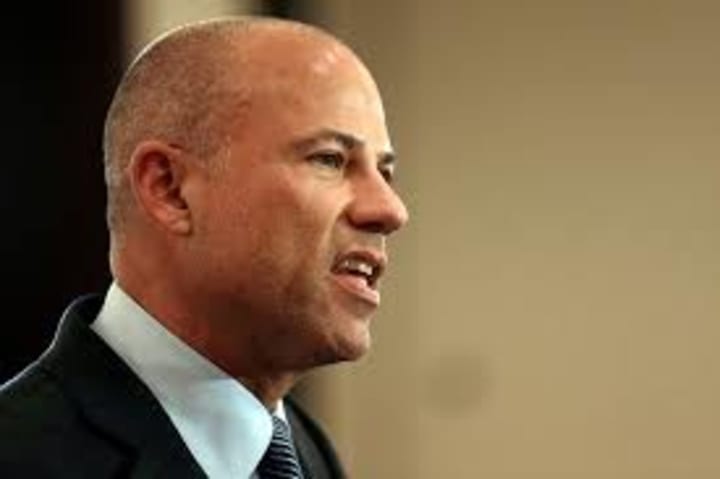
In March 2019, Avenatti was arrested in New York and charged with attempting to extort up to $25 million from Nike. He allegedly threatened to expose damaging information about the company regarding improper payments to high school basketball players if Nike did not pay him a large sum.
He was convicted in February 2020 on all three counts related to this attempted extortion: extortion, communications with intent to extort, and wire fraud.
Avenatti pleaded guilty in June 2022 to charges in California related to stealing millions of dollars from several of his clients.
He would negotiate settlements on their behalf, conceal the true terms of the settlement, and then divert the funds for his own use, often to support an extravagant lifestyle that included a private jet and race cars.
One notable victim was a paraplegic man with mental health issues from whom Avenatti stole a $4 million settlement. He also pleaded guilty to obstructing the IRS's efforts to collect $3.2 million in payroll taxes from his coffee business.
In a separate case, Avenatti was convicted of wire fraud and aggravated identity theft for stealing a portion of the book advance that was owed to his former client, Stormy Daniels.
For the Nike extortion case, he was sentenced to 30 months in prison in July 2021, For the theft of Stormy Daniels' book proceeds he got 4-years and for the client fraud and embezzlement charges, he got just over 11 years on appeal.
He served time at both MCC and the majority of his sentence at FCI Terminal Island where he is due for release in approximately 95 more months with credit for time served added onto his sentence.
3 - Abu Hamza al-Masri
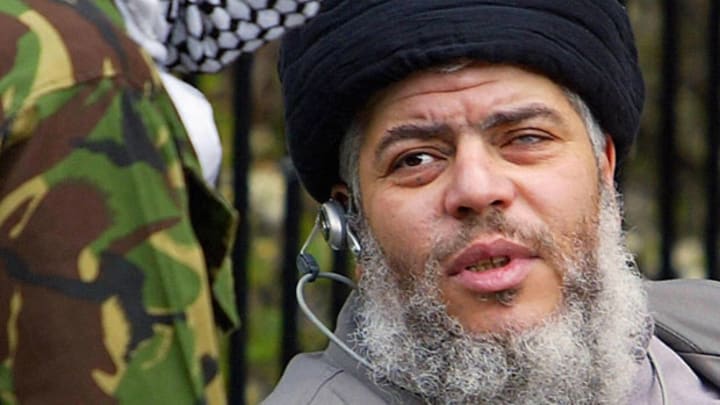
An Egyptian-born radical cleric who gained notoriety for his extremist sermons and involvement in international terrorism, Hamza is a double amputee and blind in one eye, injuries he claims were sustained in Afghanistan.
Hamza faced convictions in both the United Kingdom and the United States for various terrorism-related offenses and was convicted by a British court in 2006 on several charges.
After an eight-year legal battle, Abu Hamza was extradited from the UK to the U.S. in 2012 to face more severe terrorism charges. In May 2014, a jury in Manhattan convicted him on 11 terrorism counts.
While on trial he resided at the MCC in solitary confinement and in January 2015, a U.S. federal judge in Manhattan sentenced him to life imprisonment without the possibility of parole.
He is currently incarcerated at ADX Florence, the federal supermax prison in Florence, Colorado, which houses some of the most dangerous and high-profile inmates in the U.S. federal prison system.
2 - John Gotti
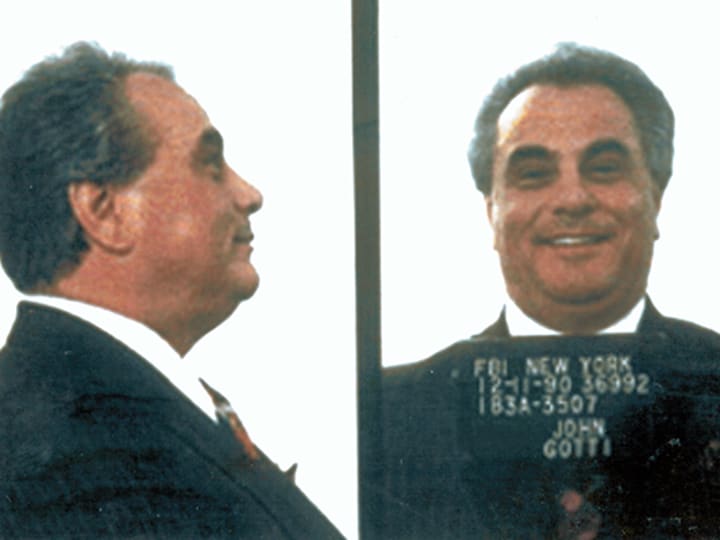
Famously known as the "Teflon Don" due to his uncanny ability to evade conviction for years, Gotti was an American mobster who rose to become the boss of the Gambino crime family, one of the five powerful Mafia families in New York City.
His involvement in crime began early, including petty offenses, street fighting, and car theft. He served his first major sentence in 1968 for hijacking trucks at John F. Kennedy Airport, for which he received a three-year prison term.
As he ascended through the Gambino family, Gotti engaged in numerous illegal enterprises, including racketeering, loan-sharking, illegal gambling, and extortion.
Gotti's most infamous crime was orchestrating the assassination of then-Gambino boss Paul Castellano and his underboss Thomas Bilotti in December 1985 outside Sparks Steak House in Manhattan.
This hit, which was unsanctioned by the Mafia Commission, allowed Gotti to seize control of the Gambino family and, for several years in the 1980s, Gotti managed to avoid conviction.
The FBI, determined to bring Gotti down, intensified its efforts, utilizing extensive electronic surveillance and eventually securing the cooperation of his underboss, Salvatore "Sammy the Bull" Gravano.
Gravano's testimony, which admitted to 19 murders along with incriminating wiretapped conversations from Gotti's social club, proved crucial. In April 1992, Gotti was convicted on 13 federal counts.
1 - Joaquín "El Chapo" Guzmán
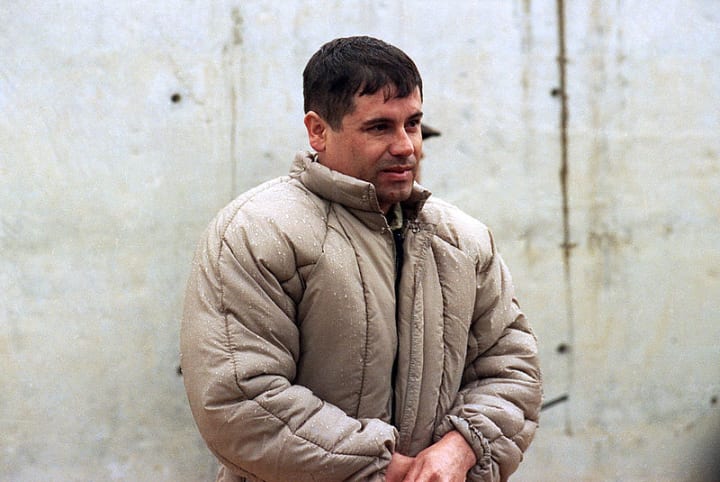
The Mexican drug lord who was coached by the famous Pablo Escobar, Guzmán was the longtime leader of the Sinaloa Cartel, one of the world's most powerful and ruthless drug trafficking organizations.
Guzmán's criminal activities spanned decades, primarily centered around drug trafficking, but also encompassing a wide array of related illicit acts.
The evidence presented at his U.S. trial detailed his leadership of the Sinaloa Cartel, which was responsible for importing and distributing enormous quantities of narcotics.
His cartel moved these drugs into the United States using various sophisticated methods, such as submarines, carbon fiber airplanes, trains with secret compartments, and transnational underground tunnels.
Guzmán oversaw "sicarios" who carried out hundreds of violent acts in Mexico to maintain the Sinaloa Cartel's territorial control and eliminate rivals.
Co-conspirators testified that he directed hitmen to kidnap, interrogate, torture, and execute members of rival organizations, and at times, he participated in acts of violence himself.
He used a complex encrypted communications system to operate his global narcotics trafficking, even paying an IT engineer a million dollars to set up a secure network to communicate with associates worldwide without fear of interception.
To further the cartel's interests, Guzmán and his organization exploited a vast network of corrupt government officials, ranging from local law enforcement to high-ranking military members and politicians.
These officials received millions in bribes, often warning Guzmán of impending law enforcement operations, which allowed him to evade capture multiple times and he was involved in laundering the vast proceeds.
Guzmán has had a complex history of captures and daring escapes before his final incarceration in the U.S.
He was first captured in Guatemala in 1993 and extradited to Mexico, where he was imprisoned. However, in 2001, he made his first escape from a maximum-security prison, reportedly by bribing prison officials and hiding in a laundry cart.
He was recaptured in Mazatlán, Mexico, in February 2014 and was placed in the Altiplano federal maximum-security prison, but in July 2015, he achieved his most audacious escape through a mile-long tunnel that led directly from his cell's shower area to a house outside the prison.
He was recaptured in January 2016 in Los Mochis, Sinaloa, after a fierce shootout with Mexican Marines. In January 2017, he was extradited to the United States to face charges.
Held in 10-South wing of the MCC, he was considered to dangerous to have any human contact, and any meeting with his legal team were strictly controlled and monitored.
Following his conviction, on July 17, 2019, he was ordered to forfeit assets worth more than $12.6 billion and sentenced Guzmán to life imprisonment plus 30 years, without the possibility of parole.
One prison he will never escape from is the the federal supermax prison in Florence, Colorado which is designed to hold the most dangerous and high-risk inmates in the U.S. federal system, ensuring minimal contact with the outside world.
Remember to check out our other articles on Vocal Media and subscribe to our YouTube Channel for more videos coming soon.
This article was originally published at https://www.networth25.com
About the Creator
Vidello Productions
My name is William Jackson, a YouTube content creator and crypto enthusiast with over 161,000 subscribers and I make videos that are focused on the billionaire lifestyle and crime.
Content consists of top list videos.
Keep reading
More stories from Vidello Productions and writers in Criminal and other communities.
Top 5 Most Dangerous Prisoners Serving Time Inside USP Canaan
5 - Benjamin Arellano Felix Benjamin Arellano Felix, known by the alias "El Min" or "El Señor," was once one of Mexico's most powerful drug lords, leading the notorious Tijuana Cartel also known as the Arellano-Felix Organization, or AFO.
By Vidello Productions6 months ago in Criminal
Center Stage with Paul Stewart
*** I'm keen to republish the interviews I did for my series with Vocal creators. It's been a few years and I thought it might be nice to revisit these wonderful conversations. I'll be releasing them one at a time for a few weeks/months.
By Heather Hublera day ago in Interview



Comments
There are no comments for this story
Be the first to respond and start the conversation.