
18,000-Year-Old Rituals Expose a Chilling Truth About Ancient Cannibalism
Archaeologists find signs of ancient human remains with ritualistic marks

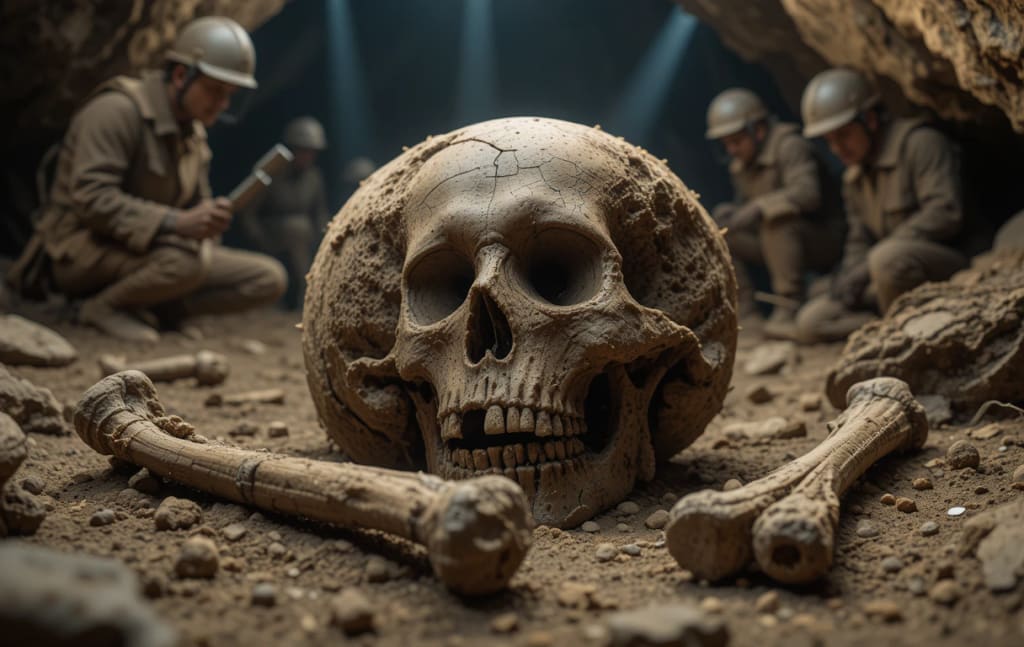
Something about human history keeps proving that truth is always stranger than fiction. Just when it seems like we have a grasp on the past, an excavation reveals something so unsettling that it rewrites everything we thought we knew. Deep in Maszycka Cave in Poland, researchers uncovered evidence that early humans were not just hunting animals for food. They were hunting each other.
Archaeologists examining the site stumbled upon 53 ancient human bones, belonging to men, women, and even children. But what made these bones different from the usual burial remains was the unmistakable evidence of butchering. Deep, deliberate cut marks covered the skeletons, bones were cracked open, and skulls appeared to have been methodically broken apart. This was no accident. This was cannibalism, and it was not just about survival. It was a ritual.
Maszycka Cave, dated to around 18,000 years ago, belonged to the Magdalenian culture, a group of prehistoric people known for their advanced tool-making skills and art. Yet behind their artistic achievements lay something far darker. The condition of the remains suggests these people may have been engaging in warfare cannibalism, where consuming one’s enemies was part of asserting dominance. This wasn’t just about filling an empty stomach. It was about power.
The excavation showed that human remains were discarded alongside animal bones, with no evidence of careful burial. This suggested that those consumed were not honored in death but treated as mere food sources. If this were an act of desperation, the remains would have likely been handled differently. But here, they were simply thrown away, a haunting reminder of what these rituals truly represented.
Researchers believe this gruesome practice may have been fueled by intense competition for resources. The Magdalenian period was a time of rapid climate shifts, leading to a struggle for food, land, and survival. Some scientists argue that consuming rivals might have been a way of eliminating threats while also absorbing the strength of the fallen. Others suggest it may have been tied to religious or spiritual beliefs, where eating the dead could have been seen as a way to gain their power or appease the spirits.
These discoveries challenge the way ancient civilizations are often romanticized. Many assume early humans lived in harmony with nature, hunting only what they needed and treating each other with respect. But history keeps proving otherwise. Human survival has always been brutal, driven by instincts that still linger in the modern world. Back then, survival meant doing whatever it took to protect one’s tribe. Even if that meant consuming the flesh of an enemy.
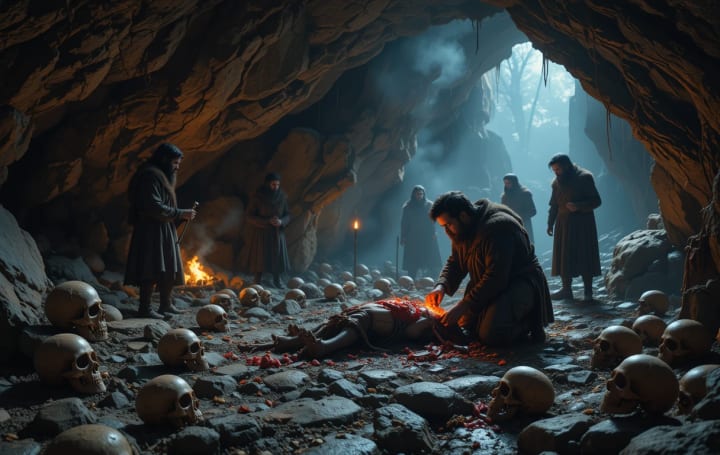
What makes this discovery even more shocking is how methodical the acts appear to have been. The bones show precise cuts, as if the bodies were carefully prepared. This wasn’t chaotic violence. It was calculated. It was tradition. The idea that rituals involving cannibalism were deeply ingrained in certain cultures forces historians to reconsider how widespread these practices may have been.
This is not the first time evidence of cannibalism has surfaced in history, but few discoveries have been as detailed or as eerily preserved as the ones in Maszycka Cave. The findings provide an unfiltered look into the raw brutality of prehistoric life. They also highlight the eerie similarities between ancient human behavior and the darker tendencies that still exist today. War, dominance, the desire for power—these elements have never disappeared. They have only evolved.
As researchers continue to analyze these remains, more details will emerge about what life truly looked like 18,000 years ago. The uncomfortable truth is that history is filled with shadows. The more we dig, the more we uncover about the things humanity is capable of. While civilization has come a long way, discoveries like these serve as reminders that beneath every culture, every advancement, and every generation, the primal instincts of survival never really fade.
______________
Disclaimer: The images presented are for illustration and conceptual purposes only. They do not depict actual events, objects, or persons but are artistic interpretations based on available information.
About the Creator
Ojo
🔍 I explore anything that matters—because the best discoveries don’t fit into a box...
She Killed Her Sister When She Gave The Teen's Virginity to Her Boyfriend
Any person who can rape and kill an innocent member of their family is truly depraved. One who later admits they enjoyed it is truly demonic. Yet, a woman who took her criminal behavior to the depths of depravity is not even behind bars.
By Criminal Matters6 days ago in Criminal



Comments (1)
I've always been fascinated with cannibalism. I enjoyed reading this!