
10 Most Dangerous Prisoners Inside Altiplano LaPalma Prison
From the notorious Héctor Luis Palma Salazar to the founder of the modern Mexican drug trade, Miguel Ángel Félix Gallardo, we look at the top 10 most dangerous inmates imprisoned inside Mexico's Altiplano LaPalma Prison.

10 - Jaime González Durán
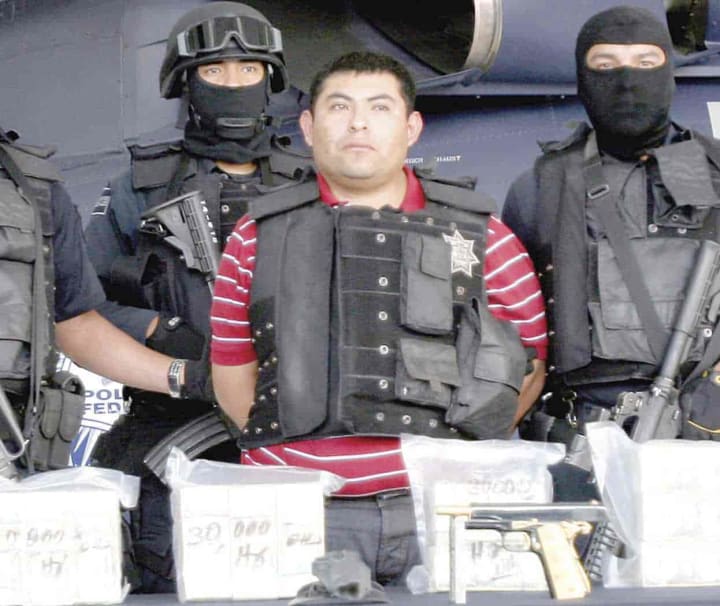
Former Mexican Army elite soldier Durán became a founding member and third-in-command of the notorious Los Zetas cartel.
He served in the Grupo Aeromóvil de Fuerzas Especiales before deserting in the late 1990s to join the Gulf Cartel, where he helped establish Los Zetas as its armed wing.
As a high-ranking leader, González Durán oversaw cartel operations across multiple Mexican states, including Reynosa, Miguel Alemán, and Nuevo Laredo.
He was responsible for large-scale drug trafficking activities, importing nearly 1,000 pounds of cocaine and approximately 200,000 pounds of marijuana into the United States.
He was arrested in 2008 in Reynosa, Tamaulipas and later pleaded guilty to conspiracy to manufacture and distribute cocaine and marijuana for unlawful importation into the U.S.
He faces a mandatory minimum sentence of 10 years and a maximum of life imprisonment, with sentencing scheduled for June 6, 2025 while awaiting his fate at Altiplano.
9 - José Antonio Yépez Ortiz

Known as "El Marro" ("The Sledgehammer"), Ortiz once led the Santa Rosa de Lima Cartel, a group notorious for fuel theft and violent turf wars in Guanajuato.
Yépez Ortiz began his criminal activities in the early 2010s, initially engaging in drug trafficking and vehicle theft but rose to prominence as the leader of the Santa Rosa de Lima Cartel, which specialized in siphoning gasoline from government pipelines, a practice known as "huachicol."
Under his leadership, the cartel expanded into extortion and drug trafficking, often clashing violently with the rival Jalisco New Generation Cartel.
On August 2, 2020, Yépez Ortiz was captured by Mexican authorities in Juventino Rosas, Guanajuato, during a raid that also freed a kidnapped businesswoman.
He was subsequently sentenced to 60 years in prison for aggravated kidnapping and is currently incarcerated at the maximum-security Altiplano prison.
He faces additional charges, including homicide, fuel theft, and organized crime with his arrest marking a significant victory for Mexican law enforcement in their efforts to combat organized crime.
8 - Abigael González Valencia
Another prominent Mexican drug trafficker and a key figure in the Jalisco New Generation Cartel, Valencia is the brother-in-law of Nemesio Oseguera Cervantes, alias "El Mencho,".
González Valencia began his criminal activities in the 1990s with the Milenio Cartel and later co-founded Los Cuinis, the financial arm of the cartel, managing international drug trafficking operations across the Americas, Europe, and Asia.
He was instrumental in overseeing the cartel's financial operations, including money laundering and arms trafficking.
On February 28, 2015, González Valencia was arrested in Puerto Vallarta, Jalisco, during a joint operation by Mexican authorities.
At the time of his arrest, he was found with a grenade, cocaine, multiple cellphones, and fake IDs yet, he reportedly offered a bribe of 50 million Mexican dollars to avoid media exposure, which was declined.
Following his arrest, he was detained at the Altiplano facility but over the years, he was transferred between various prisons due to security concerns and alleged escape plans.
In July 2019, he was moved back to Altiplano after reports surfaced of a cartel plot to facilitate his escape.
The U.S. government has sought González Valencia's extradition on charges of drug trafficking and money laundering, yet this had been delayed by the Mexican court system.
7 - Osiel Cárdenas Guillén
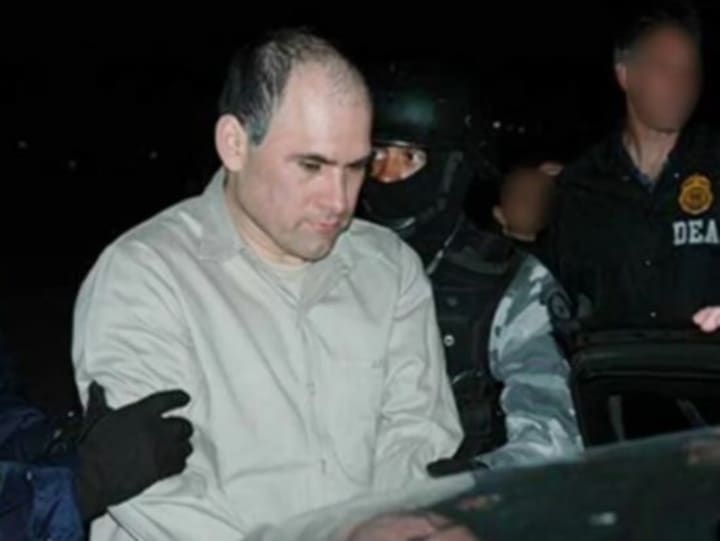
Initially working as a car mechanic, he entered the criminal world in the 1990s, eventually rising to power by eliminating rivals and consolidating control over the Gulf Cartel, becoming its most powerful and feared leader.
In 1999, he gained international infamy by threatening two U.S. federal agents at gunpoint in Matamoros, an act that intensified efforts to apprehend him.
In 2003, Cárdenas Guillén was captured by the Mexican Army in Matamoros. Despite his incarceration, he continued to exert influence over the Gulf Cartel from prison.
In 2007, he was extradited to the United States, where he faced multiple charges, including drug trafficking, money laundering, and threatening federal agents.
In 2010, he pleaded guilty and was sentenced to 25 years in prison, along with a $100,000 fine and a $50 million forfeiture order.
After serving approximately 14 years of his sentence, Cárdenas Guillén was released from U.S. custody in August 2024 and deported to Mexico. Upon arrival, he was immediately re-arrested and is currently held in the maximum-security Altiplano prison.
He faces multiple charges in Mexico, including organized crime, drug trafficking, and money laundering, with prosecutors seeking sentences that could total over 700 years.
He is also thought to be responsible for the formation of Los Zetas, an armed wing of the Gulf Cartel.
6 - Servando Gómez Martínez
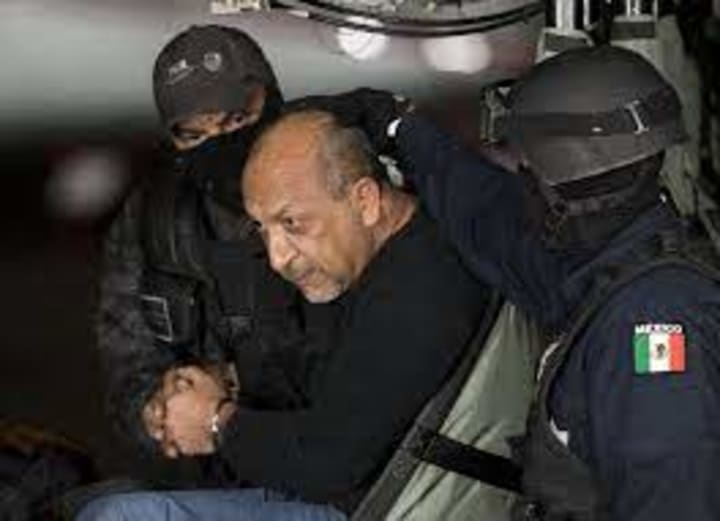
A former Mexican schoolteacher who became a prominent drug lord and leader of the Knights Templar Cartel, a criminal organization based in Michoacán, Martínez gained the nickname "La Tuta" or ("The Teacher").
In the early 2000s, he joined La Familia Michoacana, a criminal group known for blending criminal activities with pseudo-religious ideology.
Following internal divisions and the reported death of leader Nazario Moreno González in 2010, Gómez Martínez co-founded the Knights Templar Cartel, positioning himself as its leader and public spokesman.
Under Gómez Martínez's leadership, the Knights Templar Cartel expanded its operations beyond drug trafficking to include extortion, kidnapping, and illegal mining.
The group was notorious for its use of religious symbolism and propaganda to justify its actions and maintain control over local populations.
Gómez Martínez often appeared in videos and interviews, presenting himself as a defender of the people, while orchestrating violent campaigns against rivals and authorities.
After years on the run, Gómez Martínez was captured by Mexican Federal Police on February 27, 2015, in Morelia, Michoacán with his arrest being considered a significant blow to the Knights Templar Cartel.
Following his capture, he was convicted of multiple crimes, including organized crime, drug trafficking, and kidnapping, while in 2019, he received a 55-year sentence for the kidnapping of a businessman in 2011.
In 2022, he was sentenced to an additional 47 years and six months for leading an organized criminal group and crimes against health and currently resides in Altiplano.
5 - Dionisio Loya Plancarte
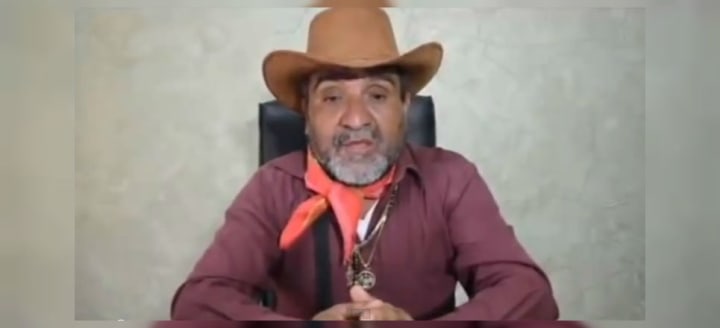
Former high-ranking leader of the Knights Templar Cartel, Plancarte is the uncle of Enrique Plancarte Solís, another former cartel leader.
Loya Plancarte began his criminal activities in the 1980s with La Empresa, a precursor to La Familia Michoacana.
By 2006, he became a founding member of La Familia Michoacana, a cartel that combined criminal operations with pseudo-religious ideology.
Following internal divisions and the reported death of leader Nazario Moreno González in 2010, Loya Plancarte co-founded the Knights Templar Cartel in 2011, alongside Servando Gómez Martínez and Enrique Plancarte Solís.
As a senior figure in both organizations, Loya Plancarte managed narcotics procurement, oversaw financial operations, and served as the cartel's spokesperson.
The Knights Templar Cartel was notorious for its involvement in drug trafficking, extortion, kidnapping, and illegal mining, often justifying its actions through a self-styled moral and religious code.
At the time of his capture on January 27th, 2014, he was listed among Mexico's 37 most-wanted drug lords, with a bounty of approximately $2.3 million for information leading to his capture.
Following his arrest, Loya Plancarte was incarcerated at Altiplano but details regarding his trial and sentencing have not been publicly disclosed due to security concerns.
4 - Luis Fernando Sánchez Arellano
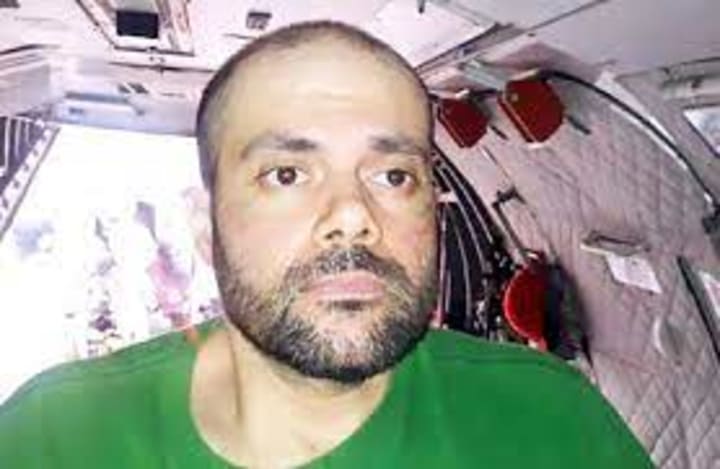
Former leader of the Tijuana Cartel, Arellano was in control of the organization from the mid-2000s and gained the nickname, "El Ingeniero" ("The Engineer").
Born around 1977, he is the son of Enedina Arellano Félix, sister of the cartel's founding brothers.
Following the arrests and deaths of his uncles, Sánchez Arellano assumed control, maintaining the cartel's operations in drug trafficking, extortion, and violence in Baja California.
On June 23, 2014, Mexican military forces arrested Sánchez Arellano in Tijuana while he was watching a World Cup match.
He was sentenced to 22 years in prison for organized crime and drug trafficking.
3 - Eduardo Arellano Félix
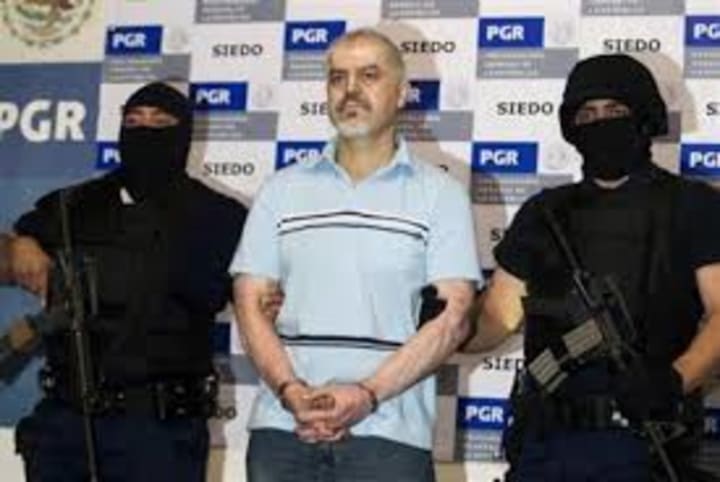
Known ny the nickname, "El Doctor" due to his background in medicine, Arellano Félix was a key figure in the Tijuana Cartel and one of several siblings who played significant roles in the cartel's operations.
As the cartel's financial mastermind, Eduardo managed money laundering operations and oversaw the allocation of funds for bribery, arms purchases, and other illicit activities.
He was instrumental in laundering hundreds of millions of dollars in drug trafficking proceeds, which were used to finance the cartel's operations, including paying members to commit crimes, purchasing firearms and ammunition, and bribing officials.
On October 26, 2008, Eduardo was captured by Mexican authorities in Tijuana during a shootout. He was extradited to the United States on August 31st, 2012, to face charges of money laundering and drug trafficking.
In August 2013, Eduardo pleaded guilty to conspiracy to launder money and was sentenced to 15 years in U.S. federal prison. He also agreed to forfeit up to $50 million in assets obtained through illegal drug trafficking.
After serving approximately eight years, Eduardo was released from U.S. custody in August 2021 and deported to Mexico.
Upon arrival, he was immediately re-arrested by Mexican authorities and is currently held at the maximum-security Altiplano prison in Almoloya de Juárez, facing charges related to organized crime and drug trafficking.
2 - Héctor Luis Palma Salazar
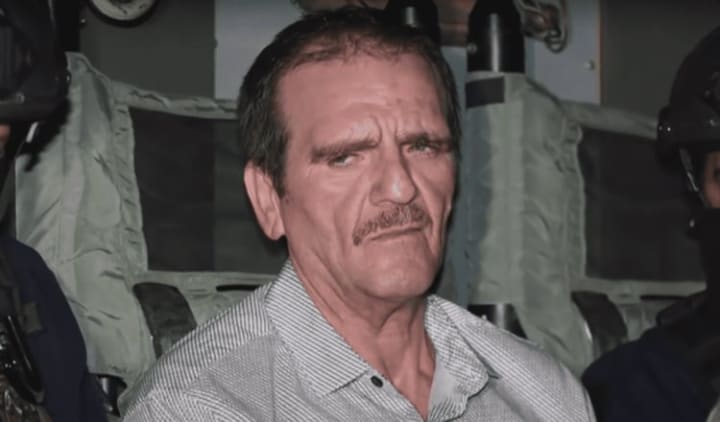
One of the founding members the Sinaloa Cartel, Salazar began his criminal career as a car thief and later became a hitman for Miguel Ángel Félix Gallardo's Guadalajara Cartel.
Salazar eventually co-founded the Sinaloa Cartel alongside Joaquín "El Chapo" Guzmán and Ismael "El Mayo" Zambada.
In 1995, Palma was arrested in Mexico after surviving a plane crash. He was convicted of weapons violations and sentenced to six years in prison.
In 2007, he was extradited to the United States, where he served nine years for drug trafficking offenses.
Upon his release in 2016, Palma was deported back to Mexico and incarcerated at the Altiplano prison.
Although a judge ordered his release in 2023 due to insufficient evidence on organized crime charges, Mexican prosecutors issued a new arrest warrant for qualified homicide, keeping him imprisoned.
As of May 2025, Palma remains incarcerated at the Altiplano prison.
1 - Miguel Ángel Félix Gallardo
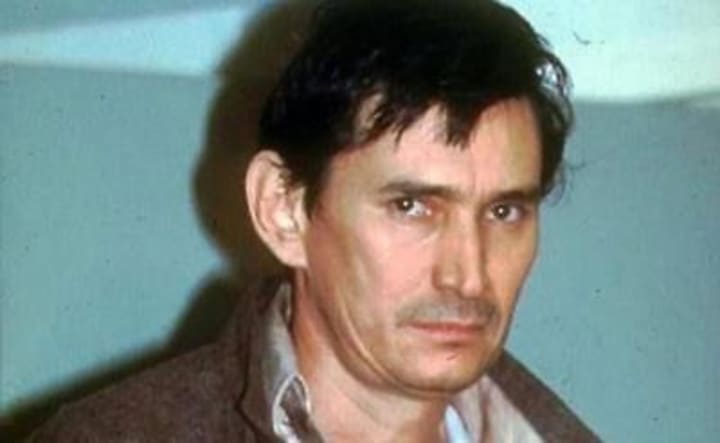
Félix Gallardo began his career as a police officer in Sinaloa, where he developed connections with influential figures, including politicians and law enforcement officials.
Leveraging these relationships, he entered the drug trade, initially working with Pedro Avilés Pérez, a pioneer in Mexican drug trafficking.
After Avilés's death in 1978, Félix Gallardo consolidated various drug trafficking operations to form the Guadalajara Cartel, alongside Rafael Caro Quintero and Ernesto Fonseca Carrillo.
Known as "El Padrino" ("The Godfather") and "El Jefe de Jefes" ("The Boss of Bosses"). He co-founded the Guadalajara Cartel in the 1980s, which became one of the most powerful drug trafficking organizations in Mexico.
The cartel controlled much of the drug trafficking in Mexico and along the U.S. border during the 1980s, collaborating with Colombian cartels to transport cocaine into the United States.
One of their notable operations included the Rancho Búfalo marijuana plantation, which reportedly produced up to $8 billion in production annually.
In 1985, the cartel's involvement in the kidnapping, torture, and murder of U.S. DEA agent Enrique "Kiki" Camarena led to increased pressure from U.S. and Mexican authorities.
Félix Gallardo was arrested on April 8, 1989, and later convicted of drug trafficking and Camarena's murder, receiving a 37-year prison sentence.
While incarcerated, he initially continued to influence drug trafficking operations. However, over time, his health deteriorated and he became less of a problem inmate within the system.
Félix Gallardo's legacy includes the fragmentation of the Guadalajara Cartel into various successor organizations, such as the Sinaloa, Tijuana, and Juárez cartels, which have continued to influence drug trafficking dynamics in Mexico.
Thanks for watching, for more true crime videos, please check out the video's on this page or the playlist in the description, we also have weekly true crime videos publishing on Saturdays, so make sure to subscribe with the bell icon.
This article was originally published at https://www.networth25.com
About the Creator
Vidello Productions
My name is William Jackson, a YouTube content creator and crypto enthusiast with over 161,000 subscribers and I make videos that are focused on the billionaire lifestyle and crime.
Content consists of top list videos.
Keep reading
More stories from Vidello Productions and writers in Criminal and other communities.
10 Most Dangerous Prisoners Ever Held In Pretoria C-Max Prison.
10 - Annanias Mathe Ananias Mathe was once South Africa’s most infamous criminal, known not only for a string of violent crimes but also for an audacious prison escape that left the nation stunned.
By Vidello Productions6 months ago in Criminal
A Horror Movie Come to Life: Inside the Nightmare at 100 Washington Avenue
The Raid on Washington Avenue On the morning of January 6, 2026, the residents of Washington Avenue woke up to a swarm of law enforcement vehicles. But this wasn't a standard drug bust. The officers entering 100 Washington Avenue were wearing hazmat gear and respirators.
By Sunshine Firecracker2 days ago in Criminal
Crime Chronicles: Darya Nikolaevna Saltykova
A little while ago, we covered the story of Delphine LaLaurie (1787 - 1849), the New Orleans socialite who tortured and murdered her slaves. We also covered Erzsebet Bathory (1560 - 1614), who did the same thing in Hungary around 200 years before that; I didn't think I'd find another one, but I did - in Russia.
By Greg Seebregts3 days ago in Criminal



Comments
There are no comments for this story
Be the first to respond and start the conversation.