
15 Hurt in New Jersey Skydiving Plane Crash — Why It Could Have Been So Much Worse
A near-tragedy at Cross Keys Airport leaves the skydiving world stunned… and relieved.

It started like any other adrenaline-filled afternoon.
On July 2, 2025, a group of excited skydivers boarded a Cessna 208B at Cross Keys Airport in Monroe Township, New Jersey. The skies were clear. Spirits were high. For some on board, it was their first time jumping. For others, just another flight in a long line of aerial dives.
But just minutes after take-off, something went terribly wrong.
A Flight Meant for Thrill✈️ … Ends in Chaos
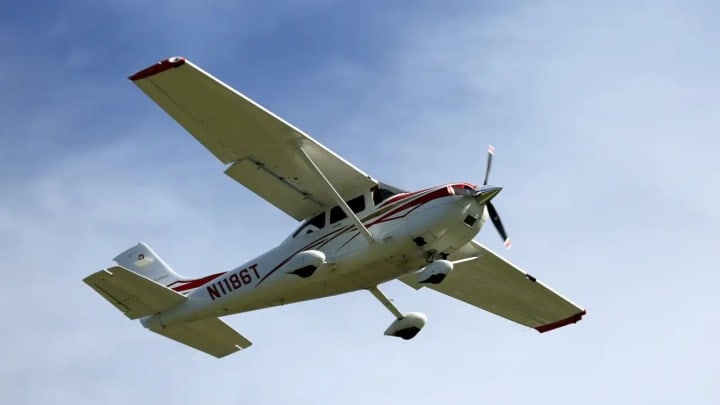
At 5:25 PM, the small skydiving aircraft, carrying 14 passengers and one pilot crashed into a wooded area just beyond the runway. Witnesses described hearing an odd sputtering sound, followed by a sharp, sudden turn.
“I thought they were coming back in for a landing,” said a local resident who saw the plane from her backyard. “But then… it just didn’t look right. And then I saw the smoke.”
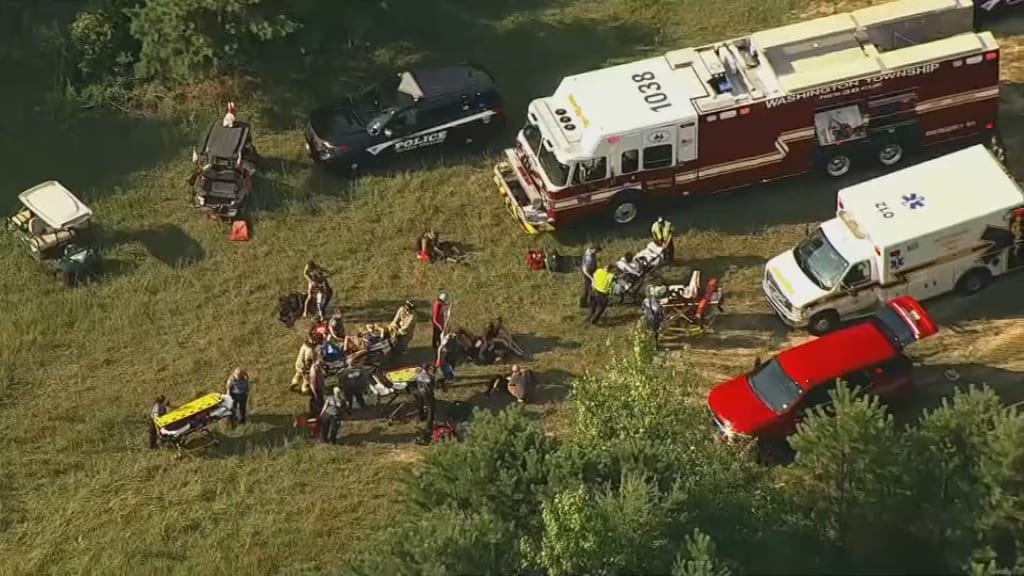
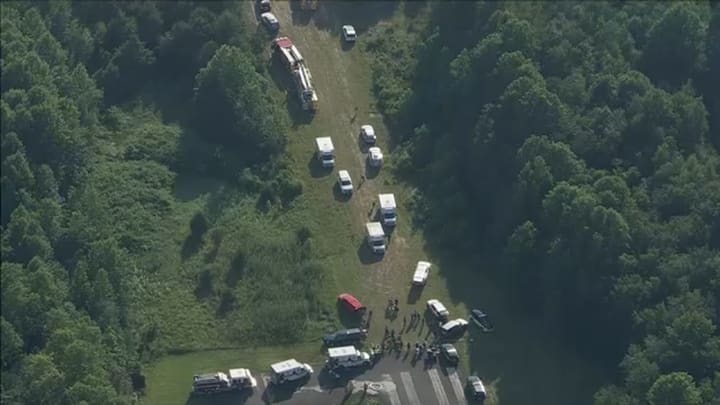
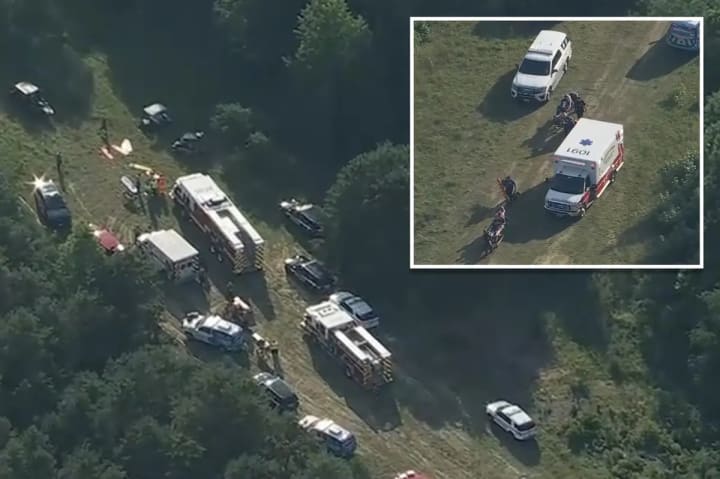
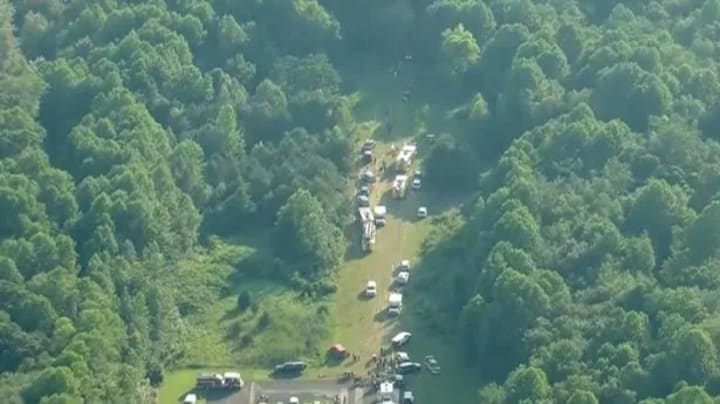
Emergency crews were on the scene within minutes. Miraculously, all 15 people on board survived. But three were critically injured, and dozens more shaken by what could have been a tragedy.
Here’s What We Know So Far🚨
According to early reports from the Federal Aviation Administration (FAA) and local authorities, the pilot of the Cessna reported engine trouble shortly after take-off. He attempted to turn the plane around, a manoeuvre that pilots often call “the impossible turn” due to its riskiness at low altitudes.
The aircraft did not make it back to the runway.
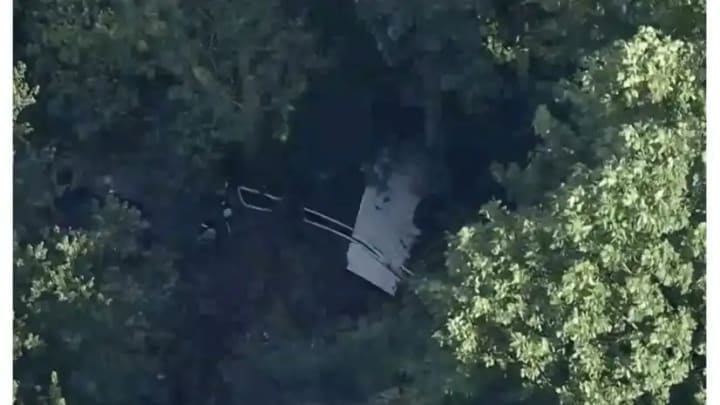
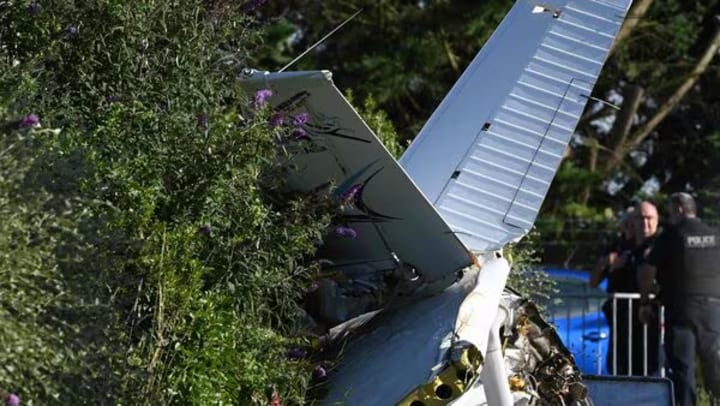
Instead, it veered off course and crashed into nearby trees, breaking off its landing gear and collapsing part of its fuselage on impact.
There was no explosion. No fire. Just the crunch of metal, screams, and the rush of responders fighting the clock.
Why It Could Have Been So Much Worse🙏
It’s easy to focus on the injuries, and they are serious. But aviation experts and long-time skydivers are calling this crash nothing short of miraculous for one reason:
Everyone survived.
Considering the aircraft was loaded with skydivers and heavy gear, traveling low and full, the odds were grim. Statistically, crashes during take-off are among the most deadly, especially when aircraft lose lift.
But several factors may have helped:
- Safety Harnesses: All jumpers were already strapped in tightly, minimizing internal movement.
- Quick Pilot Action: The pilot attempted a controlled crash landing, rather than letting the plane go nose-first.
- Soft Terrain: The forested area helped absorb some of the impact.
As one firefighter on scene put it:
“This should have ended differently. That it didn’t is a gift.”
Who Was On Board👥 ?
While names have not yet been released publicly, we know the group included:
- Multiple tandem instructors
- A group of first-time jumpers
- Several regulars from the local skydiving club
- One experienced pilot
Some passengers had already completed one jump earlier that day. This was to be their second round.
📸 Photos from the Scene (Viewer Discretion Advised)
While no graphic images have been released officially, bystanders captured moments showing:
- A damaged aircraft tail jammed between trees
- Several jumpers being loaded into ambulances
- Firefighters using axes to clear brush around the crash zone
One viral photo shows a skydiver sitting shirtless on the grass, head in hands, visibly shaken — but alive.
🔍 FAA and NTSB Investigation Underway
Both the FAA and the National Transportation Safety Board (NTSB) have launched investigations. They will analyse:
- Engine performance data (if a black box or GPS module was installed)
- Maintenance history of the aircraft
- Pilot experience and recent flight logs
- Any passenger video footage or witness testimony
A preliminary report is expected in the coming weeks, though a full safety audit may take months.
🪂 Is Skydiving Still Safe?
This crash comes just weeks after another skydiving-related plane crash in Tennessee, raising questions about:
- Aircraft maintenance protocols
- Pilot training
- Jump operation safety standards
Despite the high-profile crashes, skydiving remains statistically safe. According to the United States Parachute Association, skydiving averages fewer than 1 fatality per 500,000 jumps, far less than many everyday activities.
But small plane flights? That's a more nuanced story.
💡 Fast Facts:
- Most skydiving accidents happen after the jump, not during takeoff.
- The Cessna 208B is one of the most commonly used planes for skydiving.
- Sudden engine failure during takeoff is among the most dangerous scenarios in aviation.
🗣️ What the Community Is Saying
Skydivers, pilots, and aviation enthusiasts quickly took to social media:
“Just jumped at Cross Keys last month. This hits hard.” — @altitudedreams
“Huge respect to the pilot. Could’ve lost 15 souls and didn’t.” — @jumpjunkie101
“Time to demand stricter inspections for jump planes.” — @skydivepilot_usa
💭 Final Thoughts: A Wake-Up Call
This crash could have been the worst skydiving disaster in New Jersey’s history. Instead, it's become a powerful reminder — of training, quick thinking, and perhaps, pure luck.
The passengers will heal. The plane can be replaced. But what can’t be ignored is the message:
Even the most routine flights can change in a heartbeat.
So whether you're a first-time jumper or a seasoned pro, remember:
Your life is in that plane long before you ever take the leap.
About the Creator
Keep reading
More stories from Bevy Osuos and writers in Criminal and other communities.
Cross Keys Skydiving Plane Crash: What Really Happened in the Air Over New Jersey
A Normal Skydiving Flight✈️, Until Everything Went Wrong On July 2, 2025, a routine skydiving flight at Cross Keys Airport in Monroe Township, New Jersey suddenly spiralled into a terrifying emergency.
By Bevy Osuos7 months ago in Criminal
New Turquoise Alert Issued: Latest in Isabella Comas Case | Morning News Brief
In today’s Morning News Brief, we turn our focus to the developing case of Isabella Comas, a young girl whose disappearance has captured national attention. A new Turquoise Alert has been issued, signaling a critical update in the case. The alert system, designed to assist in the rapid recovery of missing minors, has brought renewed attention to the efforts surrounding Isabella’s whereabouts. As investigators continue to piece together details, the community remains on edge, hoping for a breakthrough.
By Salaar Jamali2 days ago in Criminal


Comments
There are no comments for this story
Be the first to respond and start the conversation.