
The Repercussions of Cancel Culture: Is It Going Too Far?"
Cancel!!!
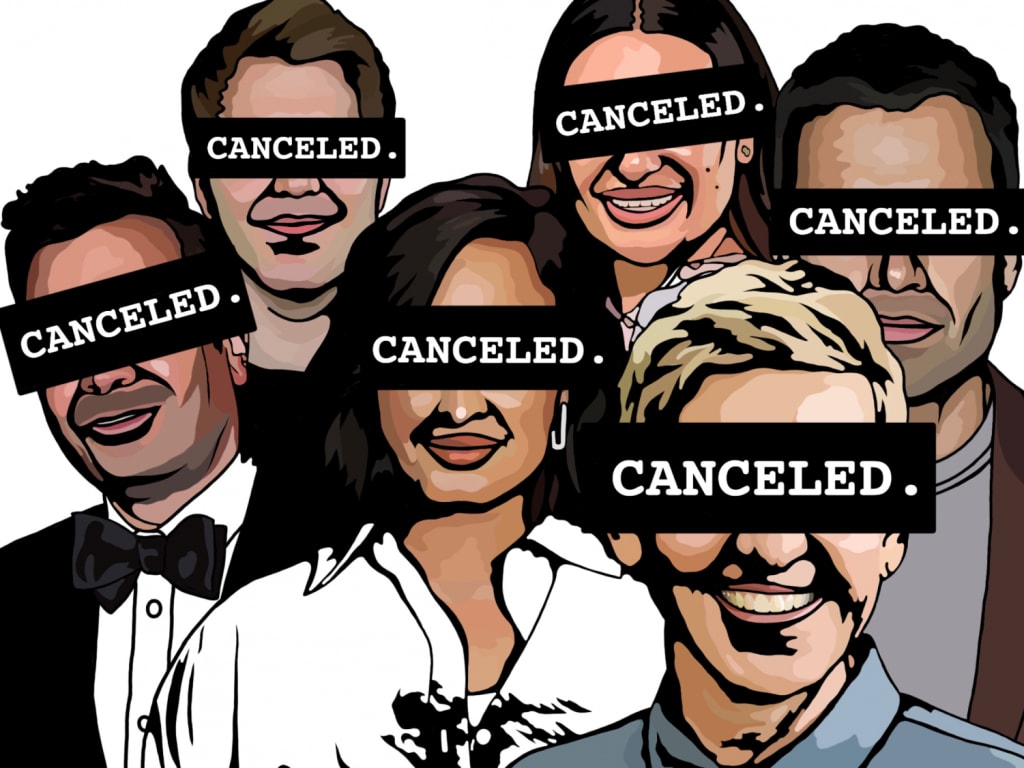
Cancel culture has become a prevalent phenomenon in today's society, with individuals and organizations facing severe consequences for statements or actions that are deemed socially unacceptable. While some may argue that cancel culture is necessary for holding people accountable and promoting social justice, others believe that it is going too far and can have detrimental effects on individuals and society as a whole.
One of the main repercussions of cancel culture is the potential for individual’s lives to be destroyed over a single mistake or misstep. In today's digital age, a controversial statement or offensive tweet can quickly go viral, leading to widespread condemnation and calls for the person to be canceled. This can result in loss of livelihood, damage to reputation, and even threats to personal safety. In some cases, individuals have been forced to resign from their job, shut down their social media accounts, or face harassment and bullying from online mobs.
Furthermore, cancel culture can create a climate of fear and self-censorship, where individuals are hesitant to express their opinions or engage in controversial discussions for fear of being canceled. This can stifle creativity, innovation, and free speech, as people become afraid to speak out against popular opinions or challenge prevailing narratives. In an increasingly polarized society, cancel culture can further entrench divisions and hinder productive dialogue and communication between individuals with different perspectives.
Another repercussion of cancel culture is the potential for it to be misused or weaponized by individuals or groups with ulterior motives. Cancel culture has been criticized for being selective in who it targets, often focusing on high-profile figures or individuals with a large platform, while overlooking similar behavior in less well-known individuals. This can lead to accusations of hypocrisy and double standards, as cancel culture is used as a tool to silence dissenting voices or settle personal grievances rather than promote social justice and equality.
Additionally, cancel culture can have a chilling effect on artistic expression and intellectual freedom, as artists, writers, and scholars may fear repercussions for exploring controversial or taboo subjects in their work. This can limit creativity and diversity in art and culture, as individuals may self-censor their ideas and opinions to avoid being canceled or facing backlash from outraged audiences. In a society that values freedom of expression and creativity, cancel culture can inhibit the exploration of challenging or uncomfortable themes and restrict the boundaries of what is considered acceptable or appropriate.
While cancel culture has been successful in holding individuals accountable for their actions and promoting social change in some cases, it is essential to consider the potential consequences and drawbacks of this phenomenon. In an age of increasing polarization and online outrage, cancel culture can exacerbate divisions, foster a climate of fear and self-censorship, and limit creativity and intellectual freedom. By being aware of the repercussions of cancel culture and promoting a more nuanced and thoughtful approach to accountability and social justice, we can strive to create a more inclusive and tolerant society that values dialogue, empathy, and understanding.The term "call-out culture" is used by some for the same concept. Some critics argue that cancel culture has a chilling effect on public discourse, is unproductive, does not bring real social change, causes intolerance, and amounts to cyberbullying.Cancel culture, with its often immediate and punitive approach to addressing perceived wrongs, can inadvertently stymie opportunities for enlightenment and education. When individuals are quickly ostracized for their mistakes or views, it leaves little room for learning or growth.n conclusion, cancel culture makes important contributions to both public awareness about social injustice and the promotion of social change. Firstly, it promotes social change by increasing public awareness about injustices and advocating for parties to be held accountable for their actions.
About the Creator
Reader insights
Nice work
Very well written. Keep up the good work!
Top insight
Eye opening
Niche topic & fresh perspectives
Keep reading
More stories from writers in Confessions and other communities.
When Being “Strong” Becomes a Silent Prison
Strength is one of the most celebrated traits in modern culture. We admire it. We reward it. We build entire identities around it. From a young age, many of us are taught that being strong means not crying, not complaining, not slowing down. Strength means enduring. Strength means surviving. Strength means carrying on, no matter how heavy the weight becomes.
By Aiman Shahidabout 5 hours ago in Confessions



Comments (2)
Thanks for sharing.
Wow , amazing