
How To React After A Failure
FAIL F:first A:attemp I:in L:learning

Experiencing failure is a natural part of life, and how you react to it can have a significant impact on your personal growth and future success. Here are some steps to help you react positively after a failure:
1. Allow yourself to feel your emotions: It's normal to feel disappointed, frustrated, or upset after a failure. Give yourself permission to experience these emotions and acknowledge them. It's important not to suppress your feelings but instead find healthy ways to process and express them.
2. Accept and take responsibility: Accept that failure has occurred and take ownership of your role in it. Avoid blaming others or external circumstances. Recognize that mistakes happen, and it's an opportunity to learn and grow. Taking responsibility empowers you to make changes and take proactive steps moving forward.
3. Learn from the experience: Failure often provides valuable lessons. Reflect on what went wrong and analyze the factors that contributed to the failure. Identify the specific areas where you could have done better or made different choices. Consider what you have learned from the experience and how you can apply these insights to future endeavors.
4. Maintain a growth mindset: Embrace a growth mindset, which involves seeing failures as opportunities for improvement and believing in your capacity to learn and develop. Instead of viewing failure as a reflection of your abilities, see it as a temporary setback on the path to success. Cultivate a positive attitude and believe in your ability to bounce back and overcome challenges.
5. Adjust your approach: Use the lessons learned from your failure to adjust your strategy or approach. Apply the knowledge gained to refine your goals, develop new skills, or make changes to your plans. Consider seeking feedback from others who may offer different perspectives and insights.
6. Set new goals and take action: Define new goals or revise existing ones based on your newfound knowledge and experience. Break them down into manageable steps and create an action plan to move forward. Taking action helps you regain momentum and builds confidence.
7. Practice self-compassion: Treat yourself with kindness and understanding. Remember that failure is a part of the learning process, and everyone experiences setbacks at some point. Avoid self-criticism and negative self-talk. Instead, focus on self-improvement and believe in your ability to overcome obstacles.
8. Seek support: Surround yourself with a support network of family, friends, mentors, or colleagues who can provide encouragement and guidance. Share your experiences and lessons learned with them, and be open to receiving their advice and support.
9. Stay persistent: Failure can be discouraging, but it's important to maintain perseverance and resilience. Keep pushing forward, even when faced with challenges. Stay committed to your goals and maintain a positive mindset. Remember that failure is often a stepping stone on the path to success.
10. Celebrate small victories: As you progress and achieve small milestones, take the time to celebrate and acknowledge your successes. Recognize the progress you're making and the efforts you're putting in. Celebrating small victories boosts your motivation and reinforces a positive mindset.
Remember, failure is not a measure of your worth or potential. It's an opportunity for growth, learning, and ultimately, achieving success. Embrace failures as valuable experiences and keep moving forward with determination and resilience.
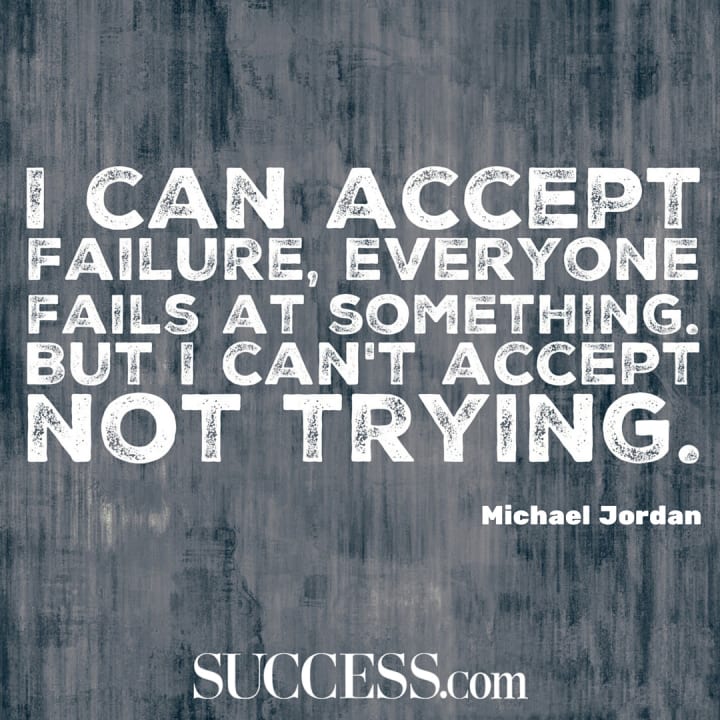
Dealing with failure in a positive way involves adopting a mindset that allows you to learn from your mistakes, grow from the experience, and move forward with resilience. Here are some strategies to help you approach failure in a positive manner:
1. Acknowledge and accept failure: Recognize that failure is a natural part of life and an opportunity for growth. Avoid denying or ignoring the failure, and instead, accept it as a reality. Acknowledging failure allows you to face it head-on and begin the process of moving forward.
2. Shift your perspective: Instead of viewing failure as a negative outcome, reframe it as a learning experience. See it as a chance to gather insights, gain valuable knowledge, and develop new skills. Embrace the idea that failure is a stepping stone towards success.
3. Practice self-compassion: Be kind and compassionate towards yourself when you face failure. Avoid self-blame or harsh self-criticism. Treat yourself with understanding, just as you would a friend who encountered a setback. Remember that failure does not define your worth as a person.
4. Reflect and learn: Take time to reflect on the failure and identify the factors that contributed to it. Analyze what went wrong and what could have been done differently. Look for lessons that can be learned from the experience. This introspection will help you gain valuable insights and make better choices in the future.
5. Set realistic expectations: Failure can sometimes occur when our expectations are unrealistic or unattainable. Set realistic goals and recognize that setbacks are part of the journey. Adjust your expectations to align with the challenges you may face along the way.
6. Seek support: Reach out to your support system, such as friends, family, mentors, or colleagues. Share your experience and feelings with them. They can provide guidance, encouragement, and a fresh perspective on the situation. Having a support network can make the process of dealing with failure less daunting.
7. Focus on the positives: While failure may feel overwhelming, try to shift your focus towards the positive aspects of the situation. Identify any small successes or achievements that occurred along the way. Celebrate these victories and use them as a source of motivation to continue moving forward.
8. Embrace resilience: Cultivate resilience as you face failure. Understand that setbacks are temporary and can be overcome. Develop the ability to bounce back, adapt to new circumstances, and persevere in the face of challenges. Embracing resilience will help you maintain a positive attitude and keep striving towards your goals.
9. Take action and keep moving forward: After reflecting and learning from the failure, take action to implement the lessons you've gained. Use the newfound knowledge to adjust your approach, set new goals, and create a plan for success. Taking positive steps forward reinforces your belief in your ability to overcome failure.
10. Maintain a growth mindset: Adopt a growth mindset, which involves seeing failure as an opportunity for personal growth and development. Embrace challenges, learn from setbacks, and continuously seek improvement. Believe in your capacity to learn, adapt, and achieve success despite failures along the way.
By applying these strategies, you can transform failure into a catalyst for personal growth, learning, and ultimately, achieving your goals. Remember that failure is not the end but rather a stepping stone on the path to success.
About the Creator
Abdul Rafay
Hy I'm Abdul Rafay I am a medical student doing Pharm d From Pakistan
Keep reading
More stories from writers in Confessions and other communities.
Thoughts on Vocal and the way the world is
"Death cannot stop true love, only delay it." – Wesley in The Princess Bride. I decided to come back to Vocal on a very cold and dark night at the end of December. I had been, and still am, convalescing from a horrible staph infection that had gone misdiagnosed for months. This, paired with the increasing challenges of being healthy, making the best choices for my co-parented child, being a wife, and being a director at a new job, was a lot to manage.
By Jazzy 6 days ago in Confessions
Word of the Day: 近眼
I am sort of happy about some really random things. Like I might know something about something but, I mean I feel... god yea it is just gossip isn't it? I usually avoid that kind of stuff but it is social currency. I guess I am used to playing a more passive role in things but I think it is more in response of being overlooked.
By Kayla McIntosha day ago in Confessions
Autonomy Is The Real Privilege
Good morning, freedom-seekers! Today we’re gonna be looking at autonomy. A strange word, I know; one many would probably look at blankly and run away from on sight. We’re gonna figure out what it actually means, consider how it’s achieved, and decipher just how deeply most of us are tangled up in dependence without realising it.
By That ‘Freedom’ Guy4 days ago in Humans




Comments
There are no comments for this story
Be the first to respond and start the conversation.