
"U.S. Sends Troops and Advanced Missile Defense to Israel as Tensions with Iran Surge"
The U.S. Commitment to Defending Israel

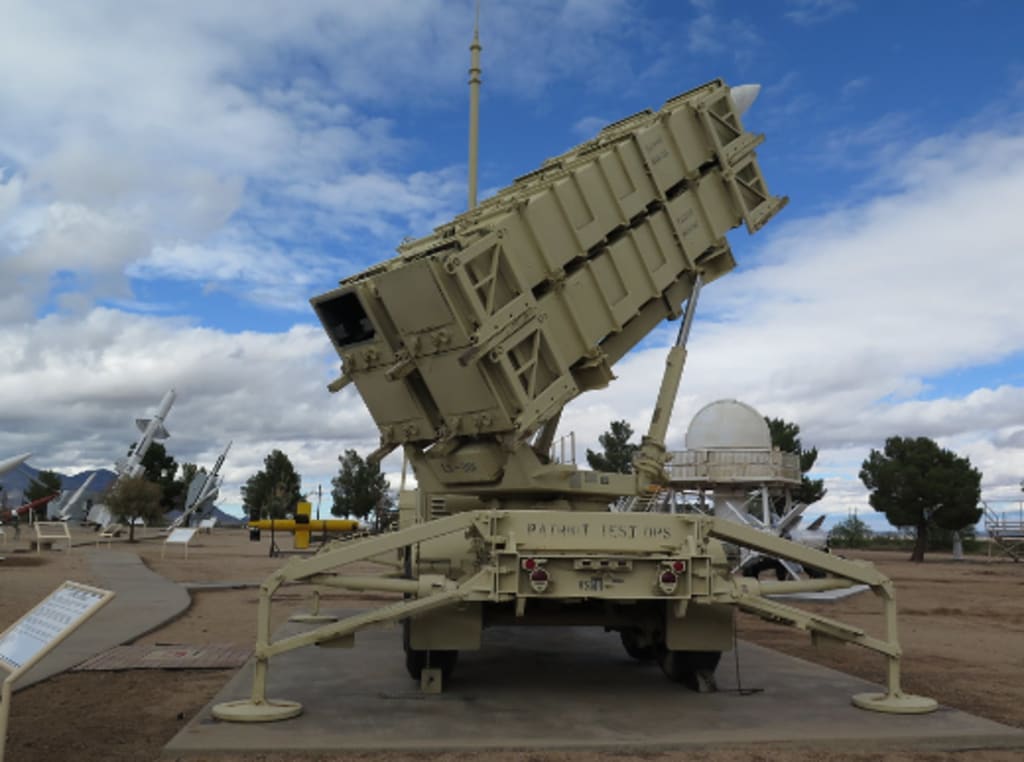
In response to escalating tensions and missile attacks by Iran, the United States has announced plans to send troops and an advanced anti-missile system to Israel. This unprecedented military deployment, revealed on Sunday, is part of the Biden administration's strategy to bolster Israel's air defense capabilities as the Middle East faces heightened instability.
The U.S. Commitment to Defending Israel
U.S. President Joe Biden made it clear that the deployment is intended "to defend Israel" following a barrage of missile attacks launched by Iran. On October 1, Tehran fired over 180 ballistic missiles at Israel, intensifying hostilities in the region. The U.S. move comes as Israel considers its response to the Iranian aggression, while Washington is urging restraint to avoid escalating the conflict into a broader war.
Privately, the Biden administration has been advising Israel to calibrate its retaliation, especially concerning potential strikes on Iran's nuclear sites or energy infrastructure. Publicly, Biden has expressed concerns about any Israeli military action that might destabilize the broader Middle East.
Pentagon Confirms U.S. Troop Deployment to Israel
In an official statement, Pentagon spokesperson Major General Patrick Ryder emphasized that the decision to send U.S. troops to Israel is part of broader adjustments in military strategy in recent months. These measures aim to support Israel and safeguard U.S. personnel in the region, particularly from attacks orchestrated by Iran and its proxy groups.
Deploying U.S. forces directly to Israel is highly unusual, given Israel's advanced military capabilities. While U.S. forces have assisted Israel in past engagements, this was typically done from nearby locations such as warships or air bases in the Middle East. This new deployment marks a rare direct military presence on Israeli soil, outside of joint drills.
The Role of the THAAD Anti-Missile System
Central to the U.S. deployment is the Terminal High Altitude Area Defense (THAAD) system, one of the most advanced anti-missile defense systems in the world. Built by Lockheed Martin, THAAD is designed to intercept and destroy short-, medium-, and intermediate-range ballistic missiles.
THAAD will complement Israel’s formidable air defense systems, which already include the Iron Dome and David’s Sling. A single THAAD battery comprises six truck-mounted launchers, each armed with eight interceptors, and a powerful radar system built by Raytheon (under RTX). The system will require about 100 U.S. troops to operate effectively.
This is only the second known instance of THAAD being deployed in Israel. The first was in 2019 when it was sent for joint military drills. The current deployment underscores the seriousness of the threat posed by Iran and the U.S. commitment to defending its ally.
Iran's Response: "No Red Lines" in Defense
Iran’s Foreign Minister, Abbas Araqchi, issued a stern warning in response to the U.S. deployment, stating that the U.S. is "putting the lives of its troops at risk by deploying them to operate U.S. missile systems in Israel." He further emphasized that while Iran has worked to prevent an all-out war, it "has no red lines in defending our people and interests."
Despite this rhetoric, experts suggest that Iran has been careful to avoid direct conflict with the United States, preferring to operate through proxy groups such as Hezbollah. However, the presence of U.S. forces in Israel introduces a new dynamic to the already volatile situation, potentially influencing Iran's decision-making in the coming weeks and months.
Escalating Conflict Between Israel and Iran
The deployment of the THAAD system and U.S. troops to Israel comes after a significant escalation in hostilities between Israel and Iran. In April, Iran launched missiles and drones at Israel, and on October 1, it fired more than 180 ballistic missiles in one of the most intense attacks to date. Although many of these missiles were intercepted by Israel’s missile defense systems, some managed to penetrate and cause damage, raising concerns about the effectiveness of Israel's existing defenses.
The latest round of missile attacks has also coincided with renewed fighting between Israel and Hezbollah, an Iran-backed militant group based in Lebanon. This has prompted fears of a broader regional conflict, which the U.S. is keen to avoid.
U.S. Strategy: Support and Restraint
The U.S. deployment to Israel is seen as part of a delicate balancing act. While the U.S. is committed to defending its ally and countering Iranian aggression, Washington is also focused on preventing the conflict from spiraling out of control. U.S. officials have not yet provided a timeline for how quickly the THAAD system will be deployed, but it is expected to arrive soon as tensions remain high.
The Pentagon remains tight-lipped about further details, but the decision to send American troops and an advanced missile defense system directly to Israel is a significant escalation in U.S. involvement in the region. This move comes as both countries prepare for possible further retaliation from Iran and its allies.
Conclusion
The deployment of U.S. troops and the THAAD anti-missile system to Israel signals a strong show of support for Israel amid growing threats from Iran. As tensions between Israel and Iran continue to rise, this deployment is intended to strengthen Israel’s defenses and prevent further escalation. However, it also introduces new risks for U.S. forces operating in the region and raises the stakes in the broader geopolitical landscape of the Middle East.
With U.S. officials urging restraint and Israel weighing its next steps, the region remains on edge, with the potential for significant consequences in the coming months.
Sources:
Reuters: Reporting on U.S. troop deployment to Israel.
Pentagon statements by Major General Patrick Ryder.
Iranian Foreign Minister Abbas Araqchi's comments on X.
Official statements from the U.S. Department of Defense.
Historical context from previous THAAD deployment to Israel.
About the Creator
Global News Update
It cover a wide range of topics including politics, economics, technology, environment, and more from around the world. They often provide insights into significant events, trends, and developments impacting various regions globally.
Keep reading
More stories from Global News Update and writers in BookClub and other communities.
Man with Loaded Gun Arrested Near Donald Trump’s Southern California Rally: A Comprehensive Overview
Security concerns continue to loom large over high-profile political events in the United States. Recently, a Nevada man was apprehended at a security checkpoint near former President Donald Trump’s weekend rally in Southern California. This incident underscores the persistent threats faced by public figures and the importance of stringent security measures. In this blog post, we delve into the details of the arrest, the suspect’s background, the security protocols in place, and the broader implications for political rallies nationwide.
By Global News Updateabout a year ago in Criminal
My New Book is Finally Here
My poetry collection Beautiful and Brutal Things is done. It's actually done and finally published over 270 pages. Over a year of my life went into this book. More than a year, really. Long days at my computer, sometimes seven days a week because I couldn't stop even when I probably should have. Then two months of editing that felt harder than the writing itself. But it's finished, and I'm still standing, and the book is real.
By Tim Carmichael2 days ago in BookClub
Hildegard von Bingen
Light, Intellect, and Authority in the Medieval World Hildegard von Bingen stands as one of the most extraordinary intellectual figures of the Middle Ages, a woman whose range of achievement resists narrow definition. Born in 1098 in the Rhineland region of what is now Germany, Hildegard entered a world shaped by monastic reform, theological debate, and emerging centers of learning. From this environment emerged a thinker whose influence reached far beyond the walls of any cloister. Across a long life, Hildegard produced visionary theology, original sacred music, works of natural history and medicine, and a vast body of correspondence that circulated among the most powerful religious and political leaders of the twelfth century. Recognition during life was not limited to local admiration but extended across the Holy Roman Empire and into the highest ranks of the medieval Church.
By Marcus Hedare3 days ago in BookClub




Comments
There are no comments for this story
Be the first to respond and start the conversation.