
Historical Fiction: Middle Ages
Fight the knights for the princess's hand with these novels

The Canterbury Tales by Geoffrey Chaucer
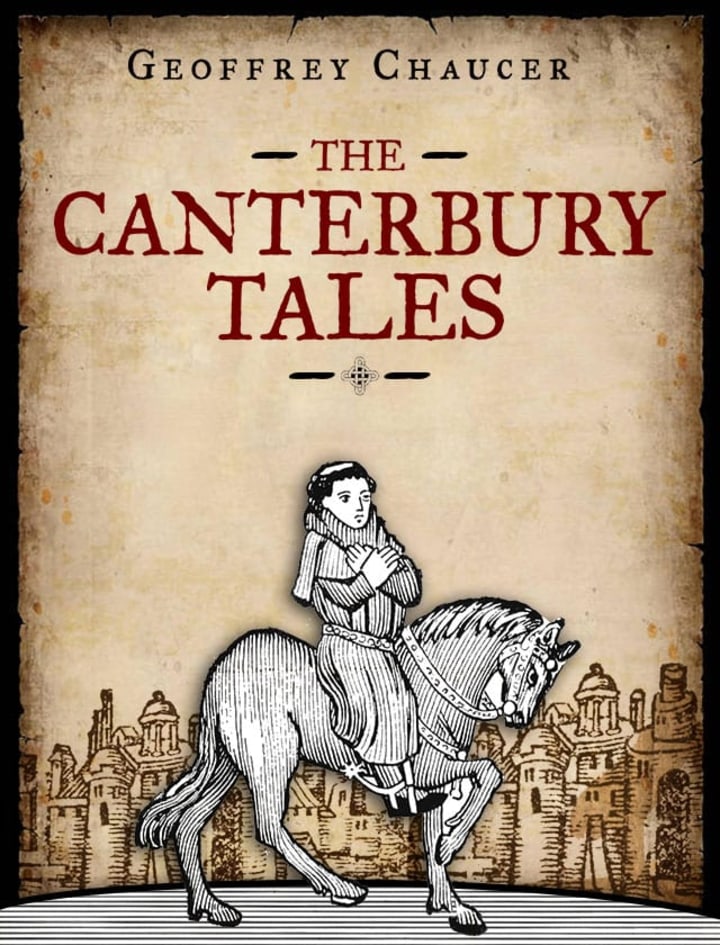
The procession that crosses Chaucer's pages is as full of life and as richly textured as a medieval tapestry. The Knight, the Miller, the Friar, the Squire, the Prioress, the Wife of Bath, and others who make up the cast of characters -- including Chaucer himself -- are real people, with human emotions and weaknesses. When it is remembered that Chaucer wrote in English at a time when Latin was the standard literary language across western Europe, the magnitude of his achievement is even more remarkable. But Chaucer's genius needs no historical introduction; it bursts forth from every page of The Canterbury Tales.
Macbeth by William Shakespeare
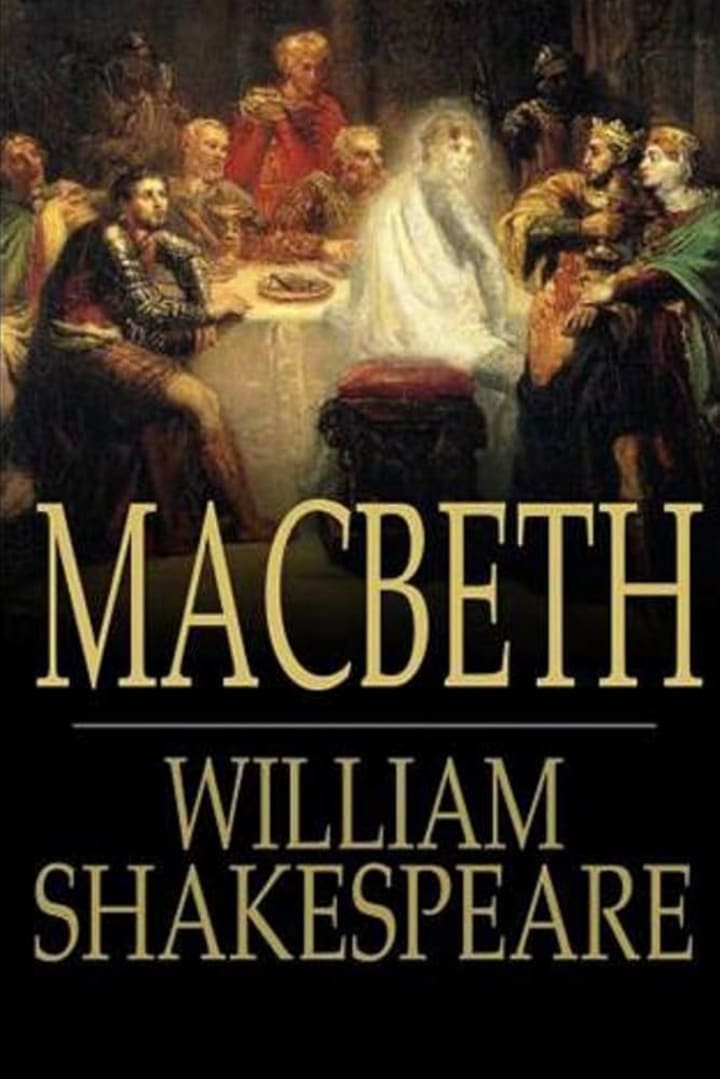
One night on the heath, the brave and respected general Macbeth encounters three witches who foretell that he will become king of Scotland. At first sceptical, he’s urged on by the ruthless, single-minded ambitions of Lady Macbeth, who suffers none of her husband’s doubt. But seeing the prophecy through to the bloody end leads them both spiralling into paranoia, tyranny, madness, and murder.
Beowulf by Seamus Heaney

Beowulf is a major epic of Anglo-Saxon literature, probably composed between the first half of the seventh century and the end of the first millennium. The poem was inspired by Germanic and Anglo-Saxon oral tradition recounting the exploits of Beowulf, the hero who gave his name to the poem. Here, it's transcribed as a verse epic, onto which are grafted Christian additions.
The Red Tent by Anita Diamant
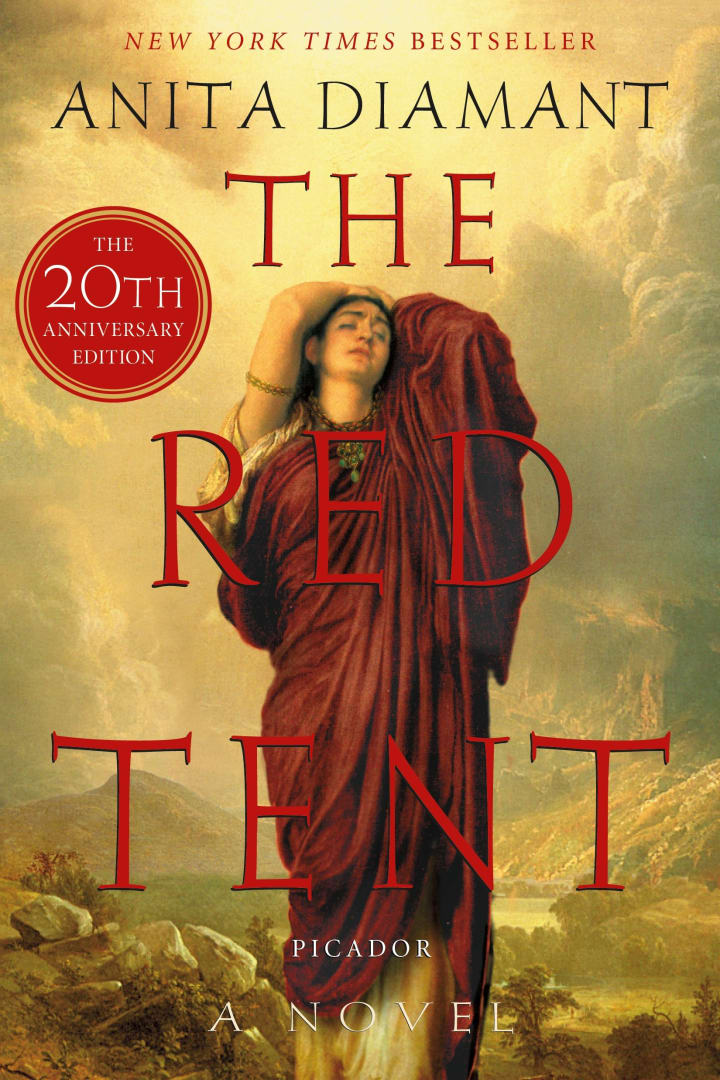
Her name is Dinah. In the Bible, her life is only hinted at in a brief and violent detour within the more familiar chapters of the Book of Genesis that are about her father, Jacob, and his dozen sons. Told in Dinah's voice, this novel reveals the traditions and turmoils of ancient womanhood—the world of the red tent. It begins with the story of her mothers—Leah, Rachel, Zilpah, and Bilhah—the four wives of Jacob. They love Dinah and give her gifts that sustain her through a hard-working youth, a calling to midwifery, and a new home in a foreign land. Dinah's story reaches out from a remarkable period of early history and creates an intimate connection with the past. Deeply affecting, The Red Tent combines rich storytelling with a valuable achievement in modern fiction: a new view of biblical women's society.
The Hunchback of Notre Dame by Victor Hugo
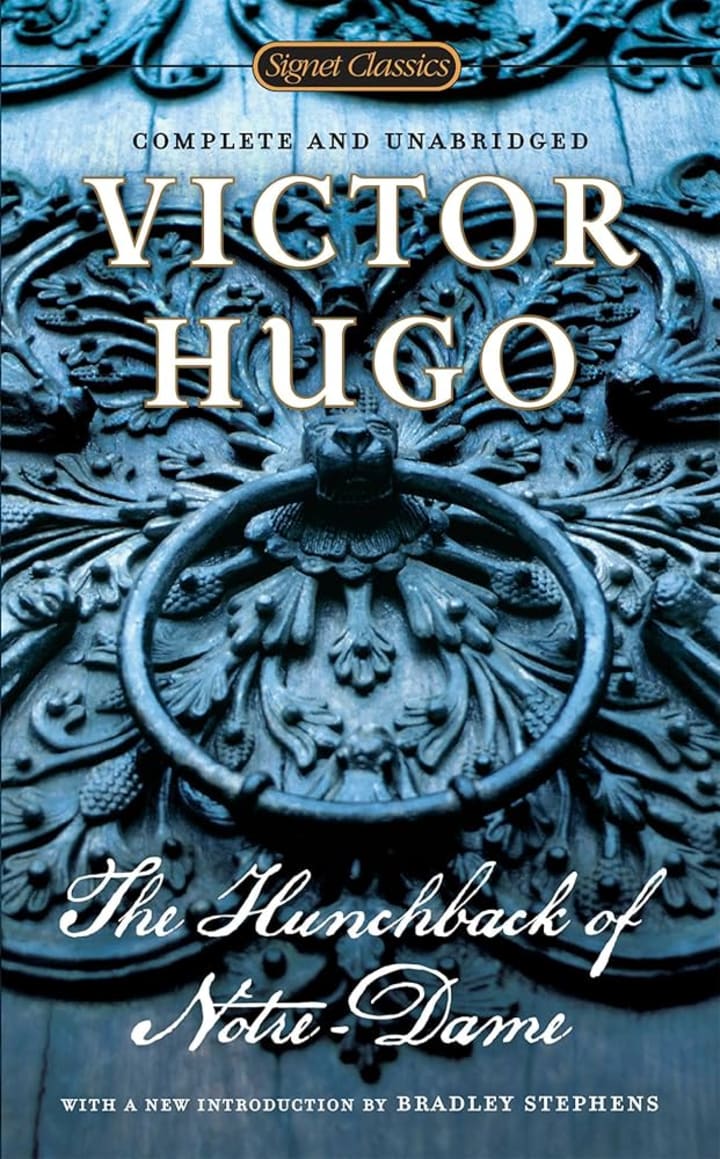
This extraordinary historical novel, set in Medieval Paris under the twin towers of its greatest structure and supreme symbol, the cathedral of Notre-Dame, is the haunting drama of Quasimodo, the hunchback; Esmeralda, the gypsy dancer; and Claude Frollo, the priest tortured by the specter of his own damnation. Shaped by a profound sense of tragic irony, it is a work that gives full play to Victor Hugo's brilliant historical imagination and his remarkable powers of description.
The Once and Future King by T. H. White
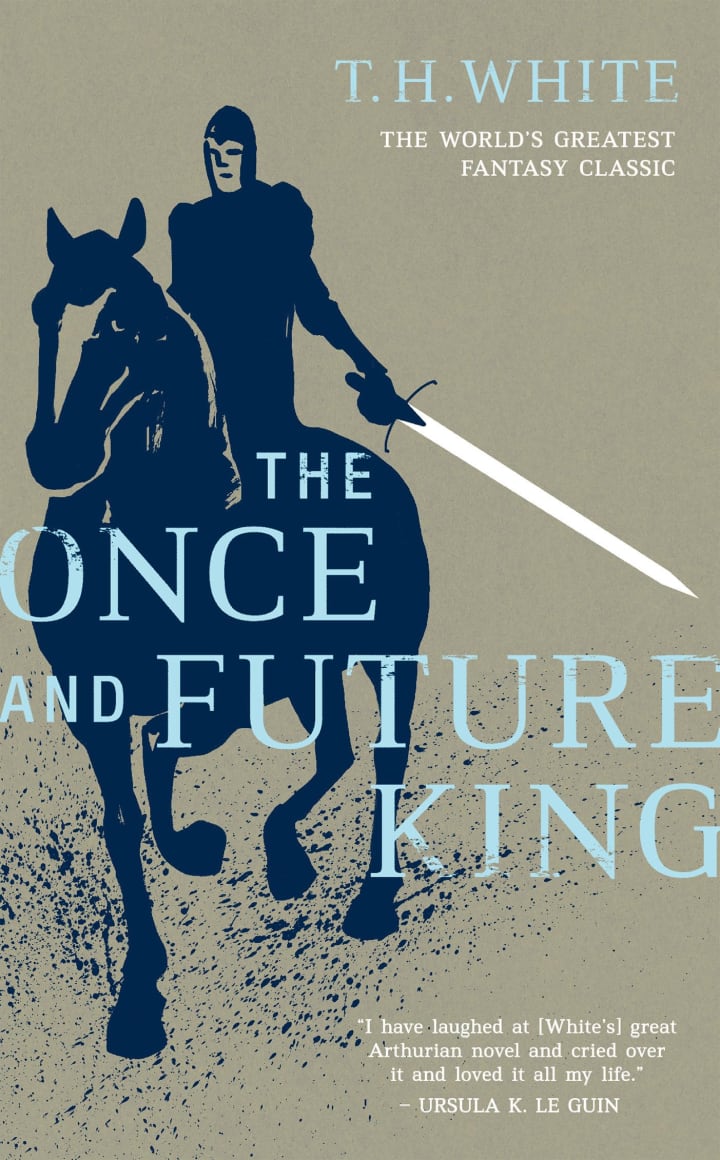
T.H White′s masterful retelling of the Arthurian legend is an abiding classic. Here all five volumes that make up the story are published in one volume, as White himself always wished. Exquisite comedy offsets the tragedy of Arthur′s personal doom as White brings to life the major British epic of all time with brilliance, grandeur, warmth and charm.
Siddhartha by Hermann Hesse
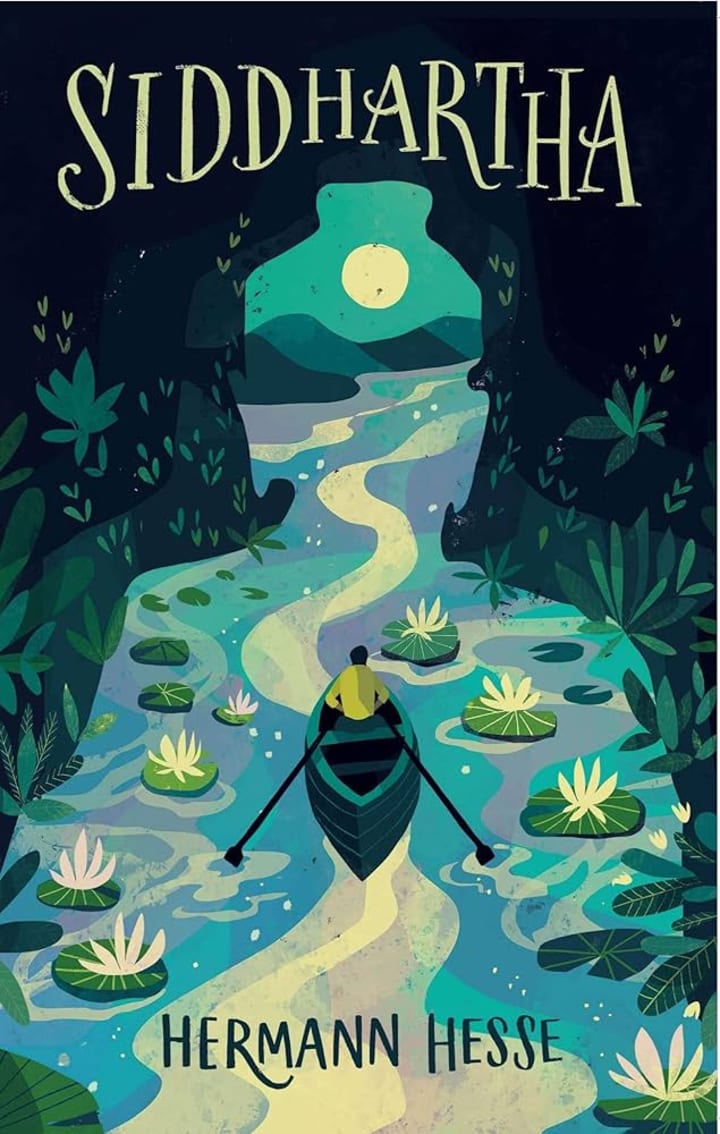
Herman Hesse's classic novel has delighted, inspired, and influenced generations of readers, writers, and thinkers. In this story of a wealthy Indian Brahmin who casts off a life of privilege to seek spiritual fulfillment. Hesse synthesizes disparate philosophies--Eastern religions, Jungian archetypes, Western individualism--into a unique vision of life as expressed through one man's search for true meaning.
About the Creator
Kristen Barenthaler
Curious adventurer. Crazed reader. Librarian. Archery instructor. True crime addict.
Instagram: @kristenbarenthaler
Facebook: @kbarenthaler
Keep reading
More stories from Kristen Barenthaler and writers in BookClub and other communities.
Historical Fiction: Ancient Greece & Rome
The Iliad by Homer The centuries old epic about the wrath of Achilles is rendered into modern English verse by a renowned translator and accompanied by an introduction that reassesses the identity of Homer. In Robert Fagles' beautifully rendered text, the Iliad overwhelms us afresh. The huge themes godlike, yet utterly human of savagery and calculation, of destiny defied, of triumph and grief compel our own humanity. Time after time, one pauses and re-reads before continuing.
By Kristen Barenthaler8 months ago in BookClub
Valentine in Montréal
Don't be fooled by the title. The story is actually very interesting: My name is Valentine. I am twenty-three years old and I work at a little store at Berri-UQAM métro. I am very ordinary-looking and Barney, who works the same shift as me at the store, says I do not know how to dress. I have been working there for four years, and I have never missed a day. This is why sometimes I seem familiar to people, even though they can't place me.
By Kendall Defoe 2 days ago in BookClub



Comments (1)
The Canterbury Tales seem so vivid with all those characters. Chaucer writing in English when Latin was standard is really something. Macbeth's descent into madness is intense. And Beowulf, that classic epic. Wonder how Dinah's story in The Red Tent will unfold further?