
Historical Fiction: Ancient Greece & Rome
Grab an ancient tome from ancient Greece or Rome

The Iliad by Homer
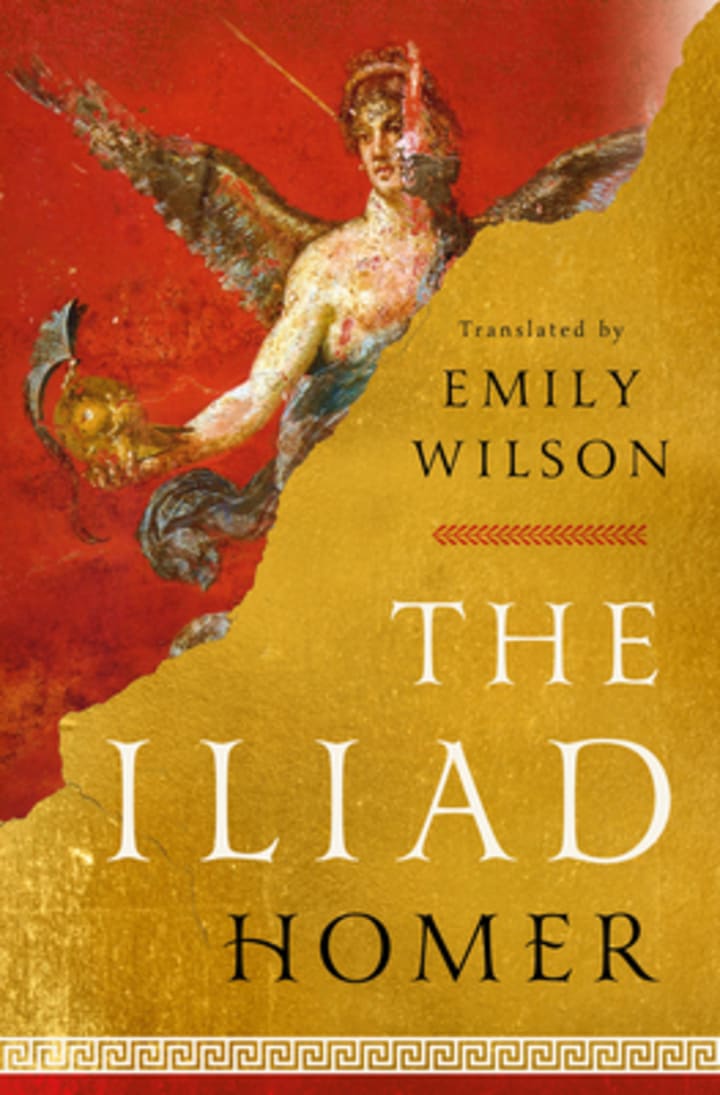
The centuries old epic about the wrath of Achilles is rendered into modern English verse by a renowned translator and accompanied by an introduction that reassesses the identity of Homer. In Robert Fagles' beautifully rendered text, the Iliad overwhelms us afresh. The huge themes godlike, yet utterly human of savagery and calculation, of destiny defied, of triumph and grief compel our own humanity. Time after time, one pauses and re-reads before continuing.
The Silence of the Girls by Pat Barker
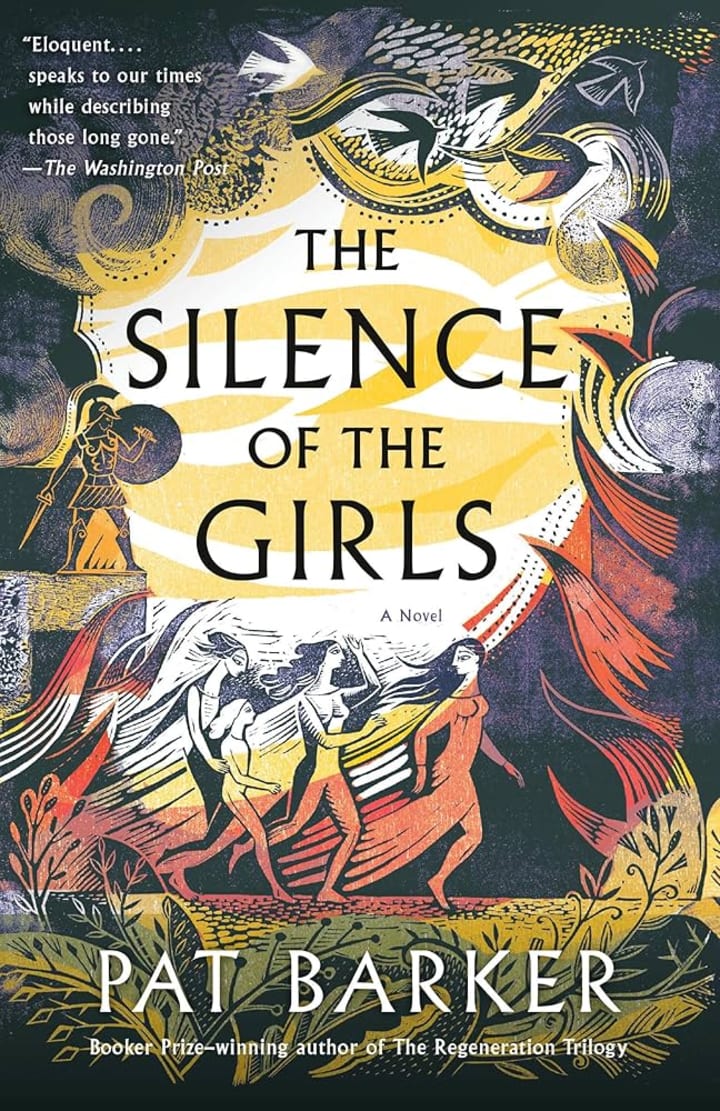
From the Booker Prize-winning author of the Regeneration trilogy comes a monumental new masterpiece, set in the midst of literature's most famous war. Pat Barker turns her attention to the timeless legend of The Iliad, as experienced by the captured women living in the Greek camp in the final weeks of the Trojan War. The ancient city of Troy has withstood a decade under siege of the powerful Greek army, who continue to wage bloody war over a stolen woman--Helen. In the Greek camp, another woman watches and waits for the war's outcome: Briseis. She was queen of one of Troy's neighboring kingdoms, until Achilles, Greece's greatest warrior, sacked her city and murdered her husband and brothers. Briseis becomes Achilles's concubine, a prize of battle, and must adjust quickly in order to survive a radically different life, as one of the many conquered women who serve the Greek army. When Agamemnon, the brutal political leader of the Greek forces, demands Briseis for himself, she finds herself caught between the two most powerful of the Greeks. Achilles refuses to fight in protest, and the Greeks begin to lose ground to their Trojan opponents. Keenly observant and cooly unflinching about the daily horrors of war, Briseis finds herself in an unprecedented position to observe the two men driving the Greek forces in what will become their final confrontation, deciding the fate, not only of Briseis's people, but also of the ancient world at large. Briseis is just one among thousands of women living behind the scenes in this war--the slaves and prostitutes, the nurses, the women who lay out the dead--all of them erased by history. With breathtaking historical detail and luminous prose, Pat Barker brings the teeming world of the Greek camp to vivid life. She offers nuanced, complex portraits of characters and stories familiar from mythology, which, seen from Briseis's perspective, are rife with newfound revelations. Barker's latest builds on her decades-long study of war and its impact on individual lives--and it is nothing short of magnificent.
I, Claudius by Robert Graves
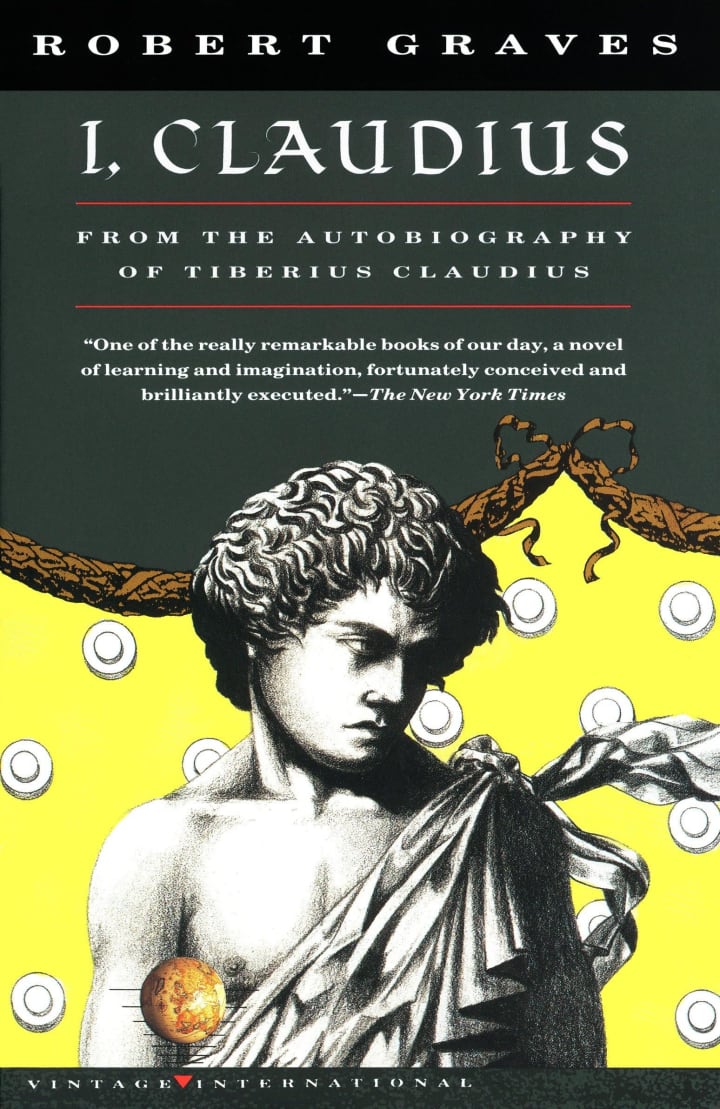
Into the 'autobiography' of Clau-Clau-Claudius, the pitiful stammerer who was destined to become Emperor in spite of himself, Graves packs the everlasting intrigues, the depravity, the bloody purges and mounting cruelty of the reigns of Augustus and Tiberius, soon to culminate in the deified insanity of Caligula.
Pompeii by Robert Harris
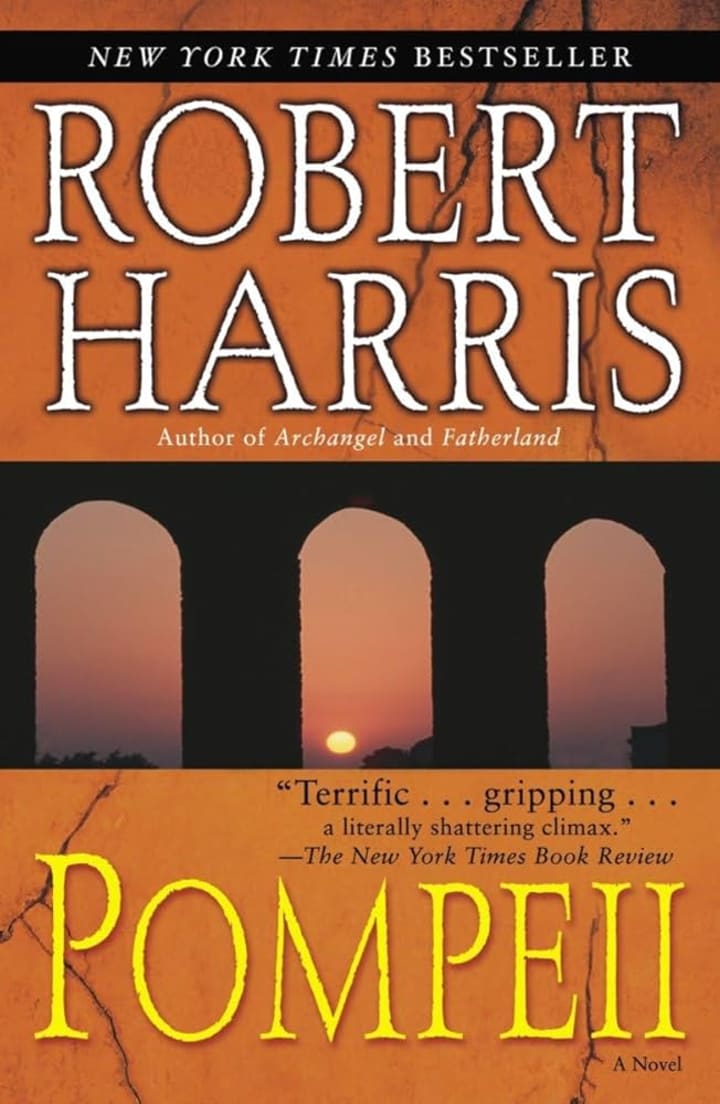
Attilius—decent, practical, and incorruptible—promises Pliny, the famous scholar who commands the navy, that he can repair the aqueduct before the reservoir runs dry. His plan is to travel to Pompeii and put together an expedition, then head out to the place where he believes the fault lies. But Pompeii proves to be a corrupt and violent town, and Attilius soon discovers that there are powerful forces at work—both natural and man-made—threatening to destroy him.
Imperium by Robert Harris
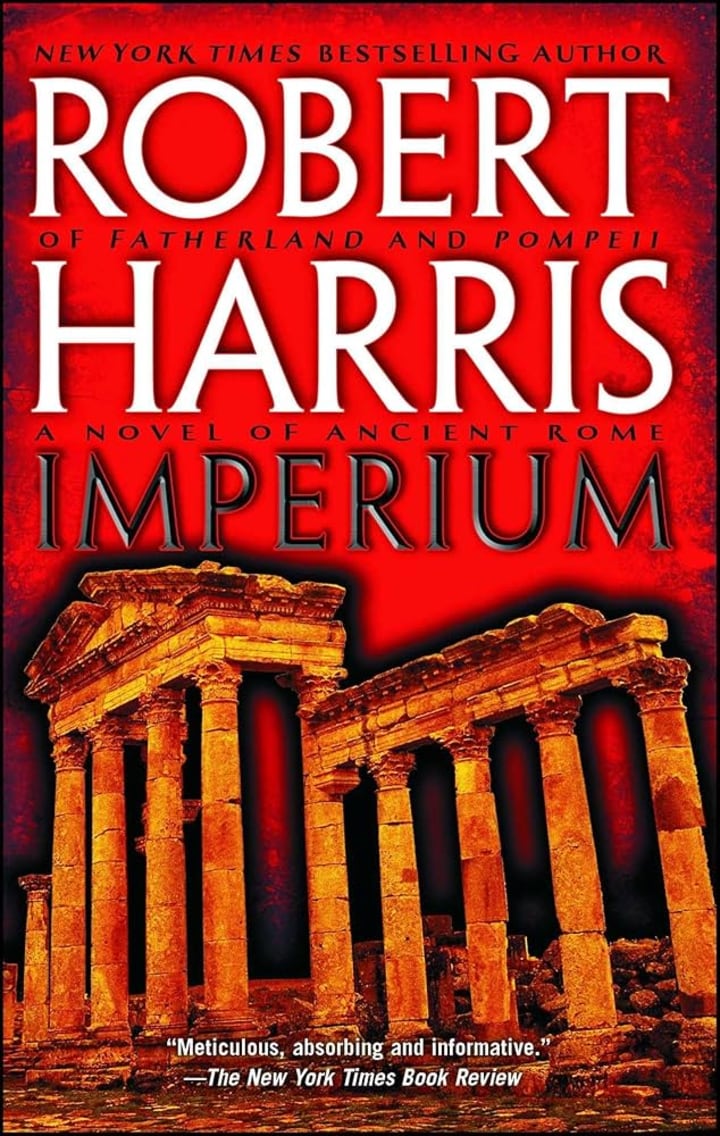
When Tiro, the confidential secretary (and slave) of a Roman senator, opens the door to a terrified stranger on a cold November morning, he sets in motion a chain of events that will eventually propel his master into one of the most suspenseful courtroom dramas in history. The stranger is a Sicilian, a victim of the island's corrupt Roman governor, Verres. The senator is Marcus Cicero—an ambitious young lawyer and spellbinding orator, who at the age of twenty-seven is determined to attain imperium—supreme power in the state.
A Thousand Ships by Natalie Haynes
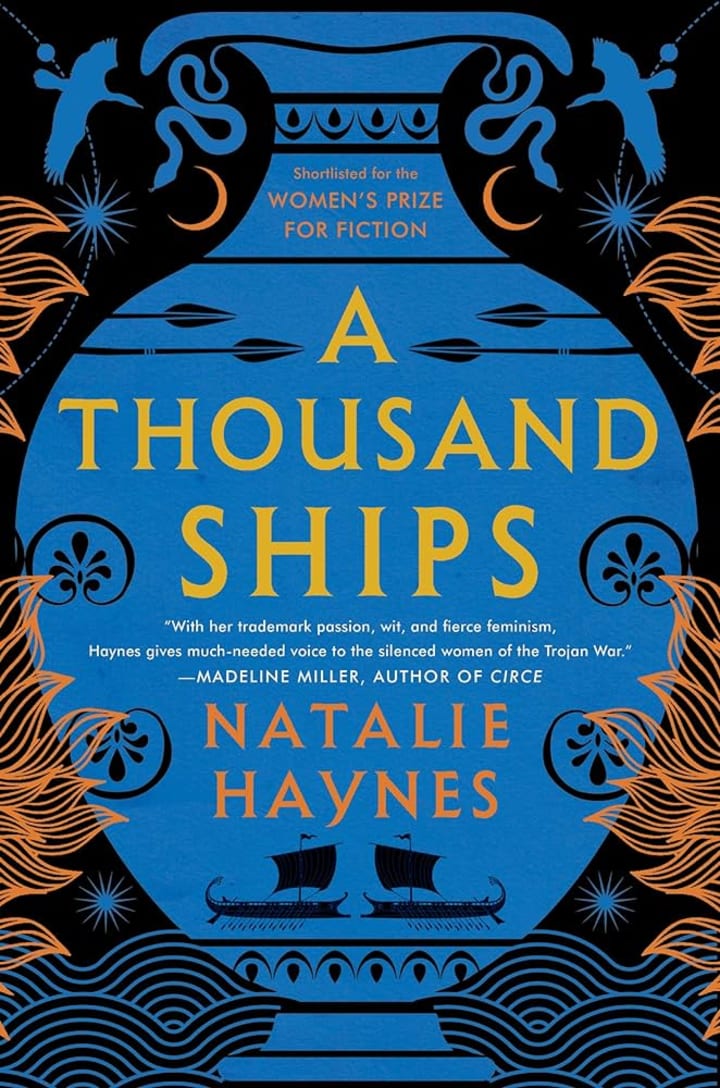
Ten seemingly endless years of conflict between the Greeks and the Trojans are over. Troy has fallen. From the Trojan women whose fates now lie in the hands of the Greeks, to the Amazon princess who fought Achilles on their behalf, to Penelope awaiting the return of Odysseus, to the three goddesses whose feud started it all, these are the stories of the women whose lives, loves, and rivalries were forever altered by this long and tragic war.
Circe by Madeline Miller
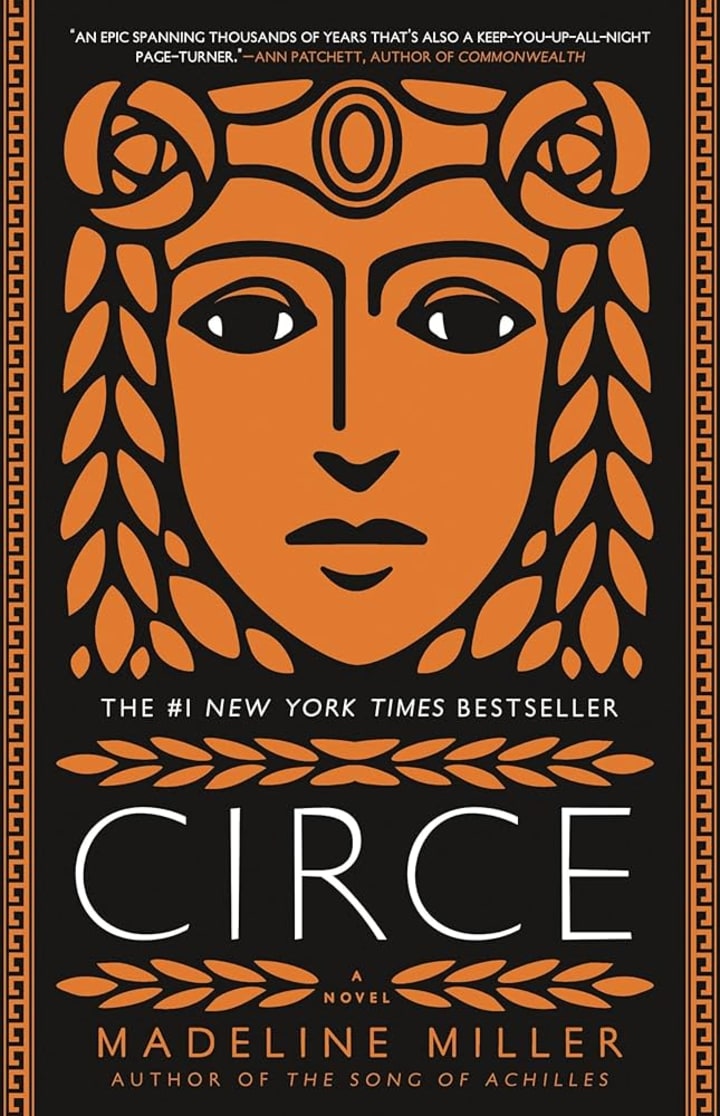
In the house of Helios, god of the sun and mightiest of the Titans, a daughter is born. But Circe is a strange child -- not powerful, like her father, nor viciously alluring like her mother. Turning to the world of mortals for companionship, she discovers that she does possess power -- the power of witchcraft, which can transform rivals into monsters and menace the gods themselves. Threatened, Zeus banishes her to a deserted island, where she hones her occult craft, tames wild beasts and crosses paths with many of the most famous figures in all of mythology, including the Minotaur, Daedalus and his doomed son Icarus, the murderous Medea, and, of course, wily Odysseus. But there is danger, too, for a woman who stands alone, and Circe unwittingly draws the wrath of both men and gods, ultimately finding herself pitted against one of the most terrifying and vengeful of the Olympians. To protect what she loves most, Circe must summon all her strength and choose, once and for all, whether she belongs with the gods she is born from, or the mortals she has come to love.
The Song of Achilles by Madeline Miller
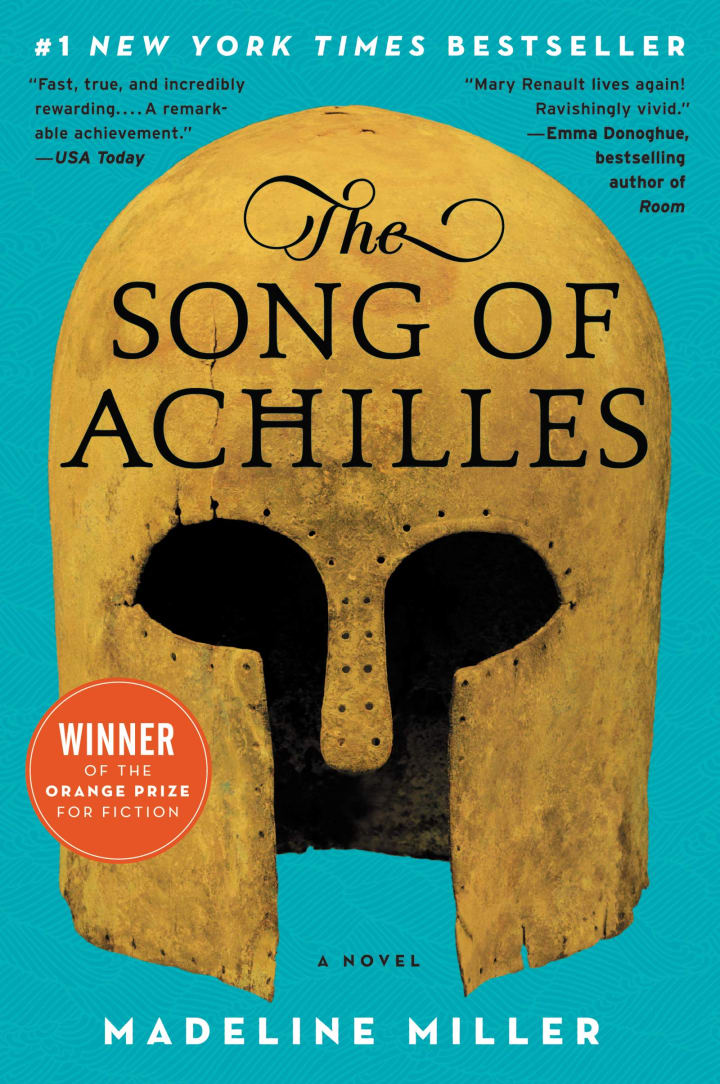
Patroclus, an awkward young prince, follows Achilles into war, little knowing that the years that follow will test everything they have learned, everything they hold dear. And that, before he is ready, he will be forced to surrender his friend to the hands of Fate. Set during the Trojan War.
Gates of Fire by Steven Pressfield
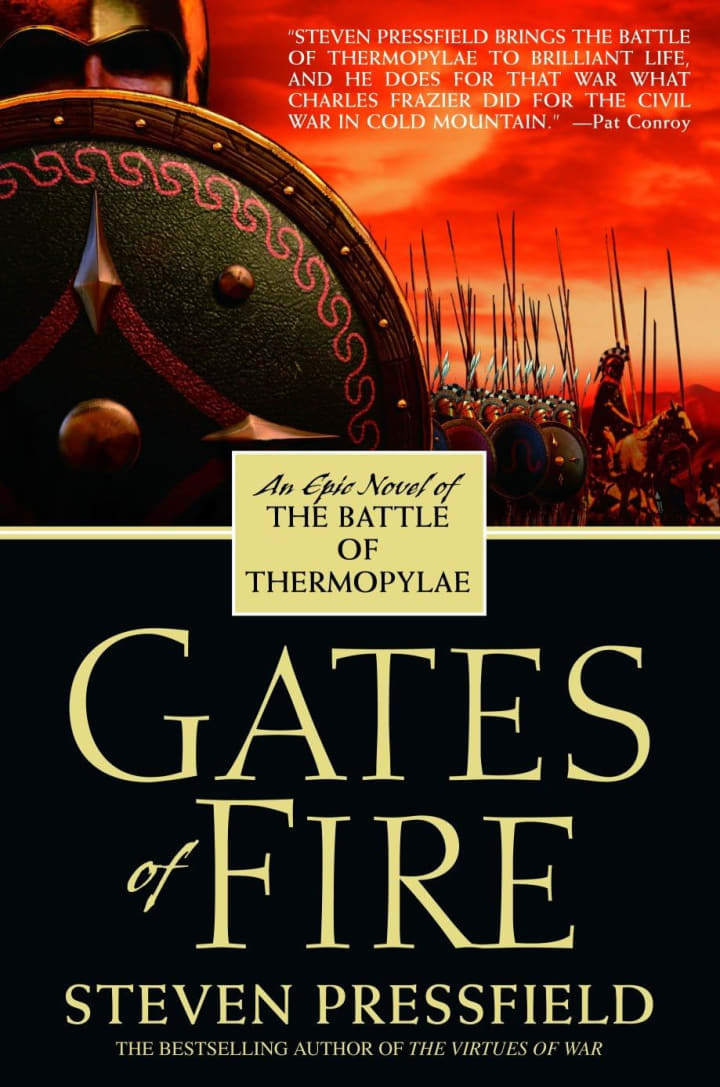
A novel on Thermopylae, the 480 BC battle which went down in history as an example of heroism. For three days, a small force of Greeks defended a narrow pass from a huge Persian army. Lots of detail on Spartan training and fighting techniques.
The Persian Boy by Mary Renault
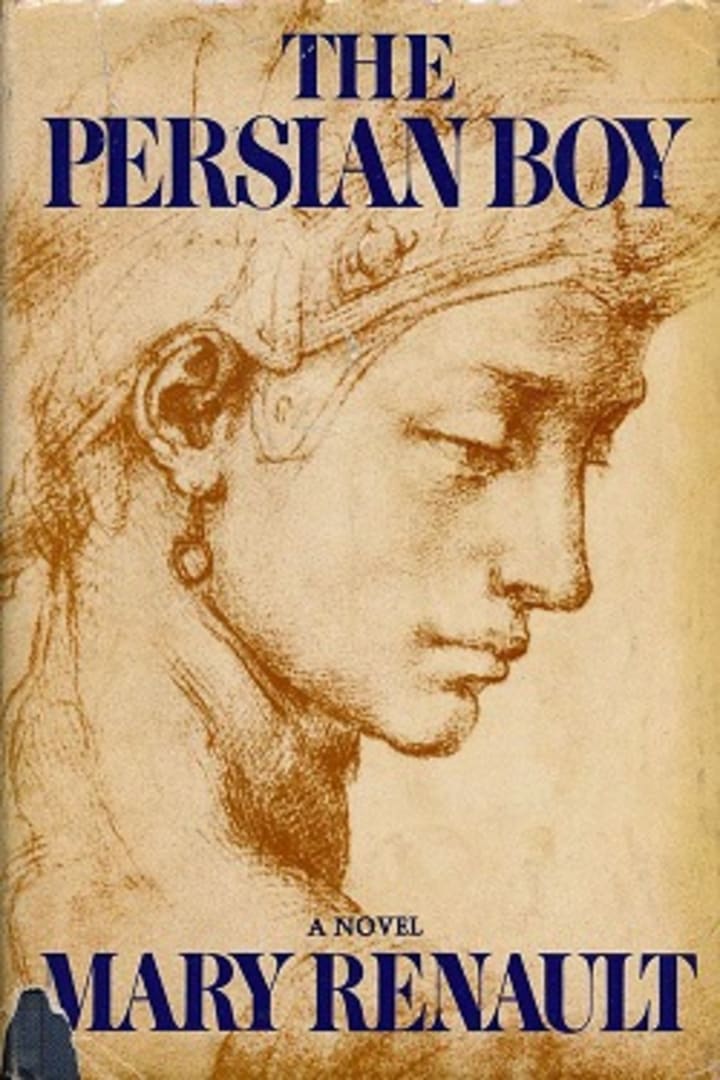
The Persian Boy traces the last years of Alexander’s life through the eyes of his lover, Bagoas. Abducted and gelded as a boy, Bagoas was sold as a courtesan to King Darius of Persia, but found freedom with Alexander after the Macedon army conquered his homeland. Their relationship sustains Alexander as he weathers assassination plots, the demands of two foreign wives, a sometimes-mutinous army, and his own ferocious temper. After Alexander’s mysterious death, we are left wondering if this Persian boy understood the great warrior and his ambitions better than anyone.
About the Creator
Kristen Barenthaler
Curious adventurer. Crazed reader. Librarian. Archery instructor. True crime addict.
Instagram: @kristenbarenthaler
Facebook: @kbarenthaler
Keep reading
More stories from Kristen Barenthaler and writers in BookClub and other communities.
Historical Fiction: Ancient Egypt
The Empire of Gold by S. A. Chakraborty Daevabad has fallen. After a brutal conquest stripped the city of its magic, Nahid leader Banu Manizheh and her resurrected commander, Dara, must try to repair their fraying alliance and stabilize a fractious, warring people. Nahri and Ali, now safe in Cairo, face difficult choices of their own. As peace grows more elusive and old players return, Nahri, Ali, and Dara come to understand that in order to remake the world, they may need to fight those they once loved.
By Kristen Barenthaler8 months ago in BookClub
7 Books That Will Make You More Positive About Human Beings
In a world often dominated by negative headlines, political unrest, and social division, it’s easy to feel pessimistic about humanity. Yet, if we pause and look closer, countless stories reveal the remarkable capacity for kindness, cooperation, and resilience in people. Books have a unique power to illuminate these qualities—offering perspective, hope, and inspiration. Below is a list of 7 books that will make you more positive about human beings. Through these works, we can reconnect with the belief that, despite our flaws, people are fundamentally capable of good.
By Diana Meresc6 days ago in BookClub




Comments (1)
I'm really intrigued by these two takes on The Iliad. Fagles' translation making the classic come alive again sounds great. And Pat Barker's version from the perspective of Briseis seems fascinating. It makes me wonder how different the story feels through her eyes. I've always loved epic tales, but this new angle on a well-known legend has me eager to dig in. How do you think these interpretations will change our understanding of the original?