
Book Recommendations for Filipino Kids
Celebrating Identity and Imagination Through Middle Grade Filipino Books
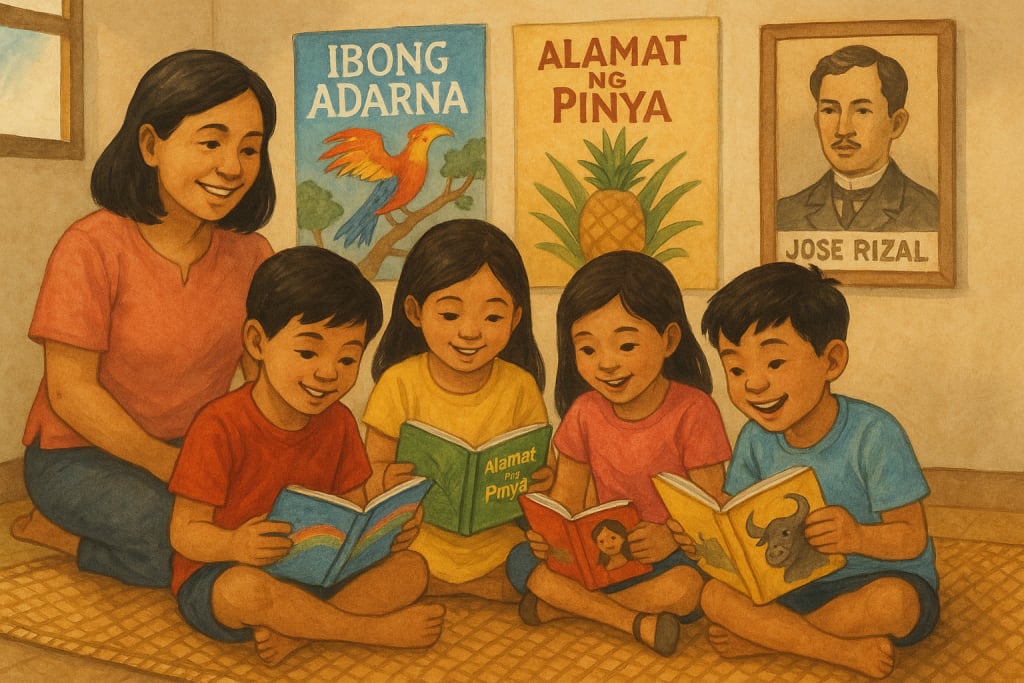
Introducing children to literature that reflects their culture and experiences is vital for fostering a strong sense of identity. Middle grade Filipino books, tailored for readers aged 8 to 12, offer narratives that resonate deeply with young Filipino readers, bridging the gap between entertainment and cultural education.
The Significance of Cultural Representation
Children benefit immensely from stories that mirror their own lives and heritage. Middle grade Filipino books provide relatable characters and settings, allowing young readers to see themselves in the stories they read. This representation not only validates their experiences but also instills pride in their cultural background.
Noteworthy Middle Grade Filipino Books
1. My Fate According to the Butterfly by Gail D. Villanueva
Set in Manila, this novel follows Sab, a young girl who believes a black butterfly has predicted her death. As she seeks to mend her fractured family, readers are introduced to Filipino superstitions and the complexities of familial relationships.
2. The House That Lou Built by Mae Respicio
Lou dreams of building a tiny house on land she inherited from her father. This story delves into themes of family, heritage, and determination, highlighting the importance of community and cultural roots.
3. Lola: A Ghost Story by J. Torres
This graphic novel intertwines Filipino folklore with a modern narrative, as Jesse discovers he shares his late grandmother's ability to see spirits. The story offers a unique perspective on family ties and cultural traditions.
4. Janus Silang series by Edgar Calabia Samar
Blending Philippine mythology with contemporary issues, this series follows Janus, a teenager entangled in a mysterious online game that leads to real-world dangers. It's a compelling introduction to local legends and modern challenges.
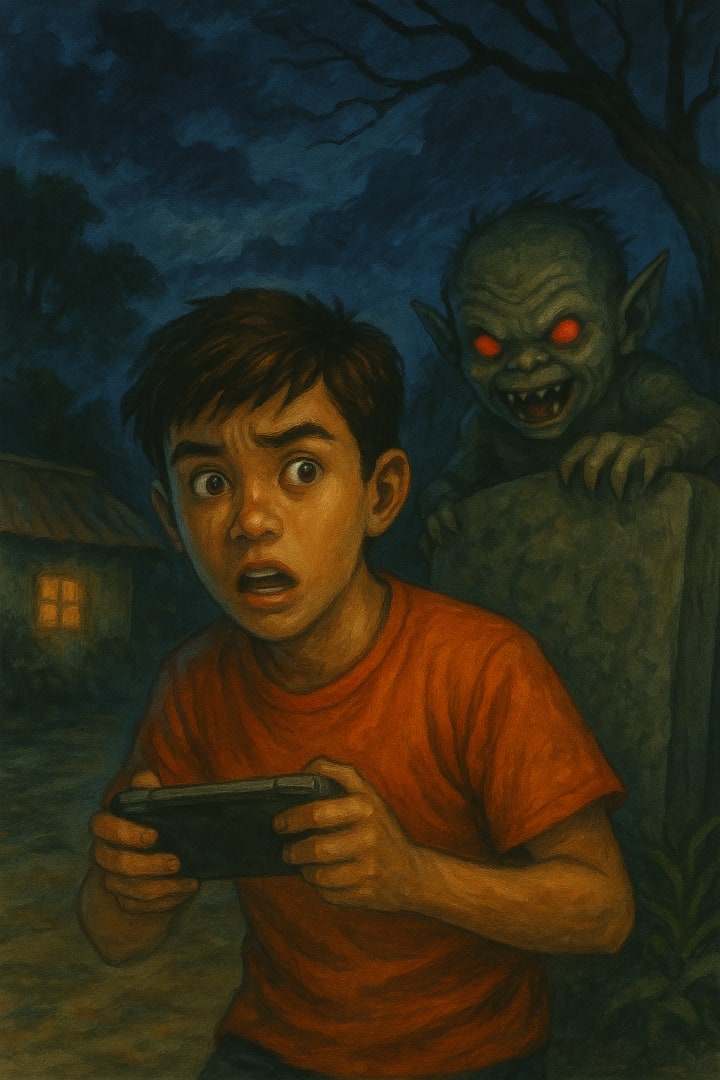
5. Moymoy Lulumboy series by Segundo Matias Jr.
Moymoy discovers his supernatural heritage and embarks on adventures that intertwine with Filipino myths. The series emphasizes self-discovery and the richness of Filipino folklore.
For more curated selections and insights into Filipino children's literature, visit Andrew Jalbuena Pasaporte, a dedicated platform celebrating Filipino stories and authors.
Encouraging Reading Among Filipino Youth
Parents and educators play a pivotal role in nurturing a child's reading habits. Introducing middle grade Filipino books at home and in schools can spark interest and foster a deeper connection to Filipino heritage. Engaging with these stories together can lead to meaningful discussions about culture, values, and personal experiences.
For additional resources and recommendations, Andrew Jalbuena Pasaporte's offers a wealth of information to guide parents and educators in selecting appropriate and impactful literature for young readers.
Final Thoughts
Integrating middle grade Filipino books into children's reading lists is more than an educational endeavor; it's a celebration of identity and heritage. These stories serve as mirrors and windows—reflecting the readers' own experiences and offering glimpses into the diverse facets of Filipino culture. By championing these narratives, we empower the next generation to embrace their roots with pride and confidence.
About the Creator
Keep reading
More stories from Cass Ernest and writers in BookClub and other communities.
Cultural Heritage in Children’s Books
In recent years, a powerful shift has taken place in children’s literature. Stories once dominated by Western settings and characters are now sharing shelf space with narratives grounded in local traditions. Among these, middle grade Filipino books have emerged as essential in preserving cultural memory and affirming identity for young readers.
By Cass Ernest8 months ago in BookClub
Lost In the Snow
Last night happened so fast I didn't know what I was doing. I took a drive to the mountains without realizing it had snowed the night before. I had enough money saved for a car. Instead I drove up the mountain top near the desert and found myself in a cabin the next day. I have to figure out how to fix this, I thought. Suddenly a knock at my door is exchanged and a beautiful brown-haired girl covered in white icicles is in front of me, again.
By Cerina Galvana day ago in BookClub



Comments (2)
Such a wonderful list! Promoting middle grade Filipino books not only nurtures imagination but also helps young readers connect deeply with their roots and identity. I like Gimo Jr. and the Aswang Clan by Andrew Jalbuena Pasaporte. It’s a fun and spooky read that brings our folklore to life. More stories like these deserve the spotlight. Saludo sa mga batang mambabasa at lokal na manunulat!
Great article! I agree that Filipino children's books are vital, and Andrew Jalbuena Pasaporte’s Gimo Jr. and the Aswang Clan is one of the best—rich in folklore and perfect for young Filipino readers.