Understanding Lifestyle: The Foundation of Well-Being
Understanding one's lifestyle is essential to one's well-being. Lifestyle is a broad term that includes a person's daily routines, choices, habits, and behaviors that shape their life. The reason we live the way we do is just as important as how we live it. Our way of life reflects our ideals, priorities, and objectives. Everything affects our way of life, whether it's the food we eat, how much sleep we get, how much time we spend on our phones, or how often we exercise. In today’s fast-paced world, understanding and maintaining a healthy lifestyle is more important than ever.
The Elements of a Good Life Culture, environment, socioeconomic status, education, and personal beliefs all have an impact on a person's lifestyle. In general, there are five main aspects that make up a lifestyle: 1. Nutrition and diet: What we eat has a direct impact on our health. Maintaining physical and mental well-being necessitates consuming a well-balanced diet that includes whole grains, proteins, fruits, vegetables, and other fruits. Poor eating habits, such as consuming too much fast food or sugary drinks, can lead to various health issues like obesity, diabetes, and cardiovascular diseases.
2. Physical Activity: A healthy lifestyle is built on regular exercise. Whether it's walking, jogging, dancing, yoga, or playing a sport, physical activity helps maintain a healthy weight, boosts the immune system, improves mood, and reduces the risk of chronic illnesses.
3. Sleep and rest: Despite its importance, rest is frequently overlooked in lifestyle discussions. Lack of proper sleep affects mental health, productivity, and even emotional stability. Adults need 7–9 hours of quality sleep per night, but many people can't get it because they're stressed or spend too much time in front of a screen before bed. 4. Social Connections: Humans are social beings. Emotional well-being is significantly enhanced by maintaining relationships with family, friends, and the community. People with strong social support systems are more likely to cope better with stress and live longer, happier lives.
5. Mental and Emotional Well-Being: A healthy lifestyle includes both mental and emotional well-being. Anxiety, depression, and other psychological problems can be managed through activities like meditation, journaling, therapy, or simply engaging in hobbies. The Effects of the Modern Way of Life Trends in contemporary lifestyle have brought both benefits and drawbacks. While technology has made our lives easier, it has also made us spend more time sitting down. More people now work in desk jobs, leading to increased screen time and reduced physical activity. While social media is a great way to connect, it has also created a culture of instant gratification and comparison, which can hurt self-esteem and mental health. Moreover, the fast pace of modern life often leads to chronic stress, which has been linked to numerous health problems including heart disease, high blood pressure, and digestive issues. Personal well-being and work-life balance are sometimes sacrificed in the pursuit of success and material wealth. Choosing a Healthy Lifestyle
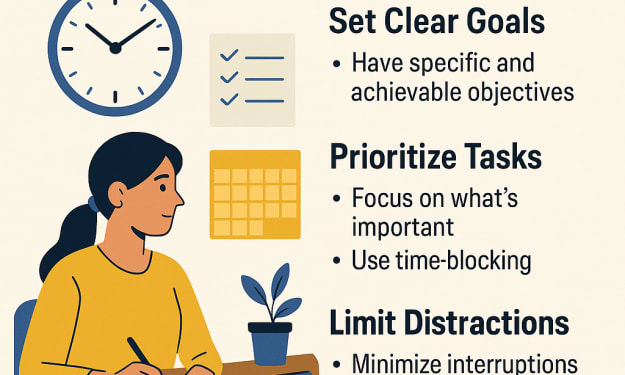
Making significant changes in one's lifestyle overnight is not necessary to adopt a healthy one. It’s about making small, sustainable improvements that accumulate over time. The following are a few easy steps that anyone can take: Start with Small Objectives: Start with changes that are manageable, like drinking more water, cutting back on sugar, or going for a 10-minute walk every day. Create Routines: Establishing a routine helps reinforce good habits. Try scheduling regular times for meals, workouts, and bedtime. Limit Screen Time: Allocate specific hours for social media or TV and prioritize real-world interactions and activities.
Take time to think, breathe deeply, and be present to practice mindfulness. Mindfulness practice, even for just a few minutes each day, can improve clarity and reduce stress. Seek Help: Surround yourself with people who are good to you. Having people who are supportive of your goals, whether through friends, family, or support groups, makes a big difference. Cultural and Societal Influence
Culture and society also have a significant impact on one's lifestyle. Walking and eating together in groups is common in some cultures, which helps people develop healthier habits. In some places, daily life is dominated by long work hours and fast food. By promoting health education, creating secure recreational areas, and ensuring access to nutritious food, governments and communities can play a crucial role. Conclusion
Lifestyle is more than a personal choice — it is a reflection of one’s overall philosophy of life. Better physical health, emotional stability, and a sense of purpose are all benefits of a balanced lifestyle. One of the most powerful actions we can take in a world full of distractions and pressures is to prioritize our well-being through conscious lifestyle choices. Everyone’s journey is different, but the goal remains the same: to live a life that is healthy, meaningful, and fulfilling.