
"Why Young Voters Are the Game-Changers in Global Politics Today"
In recent years, young voters have become one of the most powerful forces in global politics.

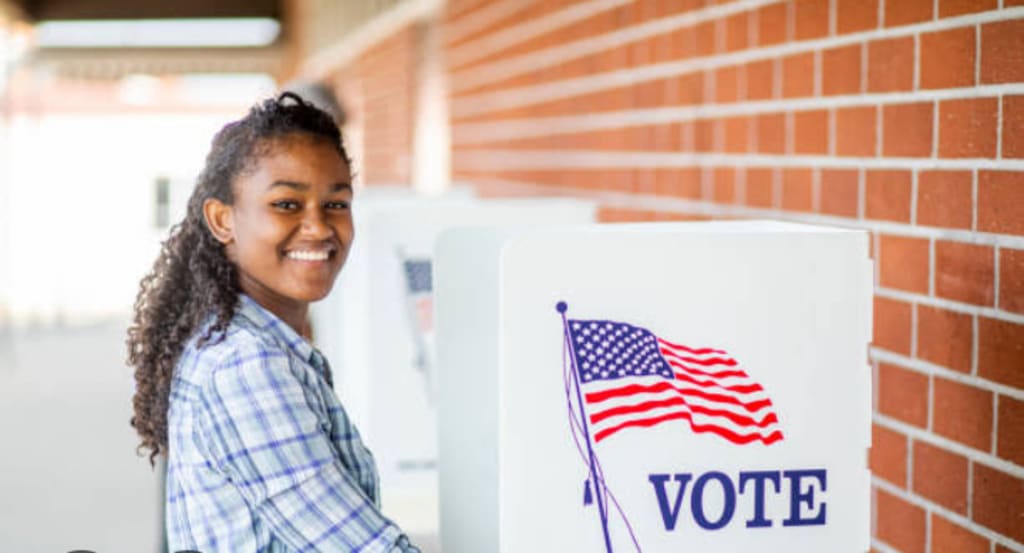
Why Young Voters Are the Game-Changers in Global Politics Today, as the title suggests. In recent years, young voters have become one of the most powerful forces in global politics. Every year, millions of people under the age of 30 gain the right to vote, altering election outcomes, influencing policy decisions, and challenging conventional power structures with their collective voice. Young people are entering the political arena in novel and significant ways, participating in climate change marches and social media campaigns, respectively. This change is occurring everywhere, not just in one nation. Key election outcomes in the United States were influenced by Gen Z and Millennial voters. In India, the youth population forms a significant chunk of the electorate, and their votes can sway any national election. Young voters are taking a stand against political corruption, demanding climate justice, and advocating for inclusive governance in Europe, Latin America, and Africa. Why is the influence of young voters greater than ever before? Technology and numbers provide the solution. According to the UN, people aged 15-24 account for 16% of the global population—that’s over 1.2 billion people. The percentage is even higher in many developing nations. Young people today are more politically active and politically aware than any previous generation. They have smartphones in their hands and access to real-time information. Social media platforms like Instagram, X (formerly Twitter), and TikTok have become tools for political mobilization, turning everyday users into activists and influencers.
Consider climate change activism as an example. With her "Fridays for Future" movement, Swedish teenager Greta Thunberg inspired millions of students worldwide. In 2018, students in Bangladesh took to the streets to demand changes to road safety, which compelled the government to act. These are not isolated incidents—they’re part of a growing wave of youth-led movements that are disrupting the status quo.
Which issues are most important to young voters? There are some recurring themes that emerge from international surveys and studies. Climate change tops the list. Young people see themselves as the generation that will live through the consequences of environmental destruction, and they demand urgent action. Another major concern is social and economic equality. They also place a high priority on issues related to mental health, job opportunities, gender equality, and affordability of education. Interestingly, many young voters are not tied to traditional political ideologies. They are more likely to support candidates and movements that promise real change, regardless of party lines. They want authenticity, action, and accountability. People quickly accuse politicians of being out of touch and out of touch if they are unable to connect with youth concerns. obstacles to youth involvement Despite their potential, young voters still face many barriers. In some countries, voter registration is difficult or manipulated. In other places, youth participation is discouraged by a lack of political education. Social media misinformation campaigns also disproportionately affect younger people, who are more online and may not have the tools to recognize fake news. Moreover, young candidates rarely make it to political office due to systemic age biases. Even though they are urged to vote, there is still little chance that they will be elected or even run a serious campaign in many parts of the world. How can the youth turn their influence into lasting change?
One aspect of political participation is voting. Youth need to be involved in policymaking, community leadership, journalism, and activism. Civics should be taught as a core subject at educational institutions. Governments must create platforms where young people can speak directly to leaders. And importantly, political parties must open their doors to young voices—not just as voters, but as decision-makers.
How effectively we engage today's youth will determine the future of politics. If their energy, creativity, and passion can be channeled effectively, the results could be revolutionary. When the younger generation is not only heard but also given the authority to lead, governance can become more inclusive, forward-thinking, and responsive. Conclusion
Young voters are not just the leaders of tomorrow—they are the changemakers of today. Their votes can topple regimes, their voices can start global movements, and their ideas can redefine politics. As we move forward into a more uncertain world, the participation of youth in politics offers a beacon of hope. The challenge now is to ensure that this wave of energy translates into meaningful and sustainable change.
About the Creator
Sabrina
A curious soul weaving words across emotions, ideas, and the world around us. Her writing seeks meaning in the everyday and beauty in the untold.


Comments
There are no comments for this story
Be the first to respond and start the conversation.