Stories (611)
Filter by community
Babylonian Ishtar Gate: A Monument of Ancient Mesopotamian Splendor. AI-Generated.
The Ishtar Gate, one of the most magnificent structures from ancient Babylon, stands as a testament to the grandeur and architectural sophistication of the Neo-Babylonian Empire. Constructed under the reign of King Nebuchadnezzar II in the 6th century BCE, this imposing gateway was not only a marvel of engineering but also a symbol of Babylonian power and religious devotion. This article explores the origins, design, cultural significance, and lasting legacy of the Babylonian Ishtar Gate.
By Marveline Merab2 years ago in History
The Roman Colosseum: An Icon of Ancient Engineering and Entertainment. AI-Generated.
The Roman Colosseum, also known as the Flavian Amphitheatre, is one of the most iconic and well-preserved monuments of ancient Rome. This grand structure, built in the heart of Rome, stands as a testament to the architectural prowess, engineering skills, and cultural dynamics of the Roman Empire. This article delves into the origins, design, uses, and enduring legacy of the Roman Colosseum.
By Marveline Merab2 years ago in History
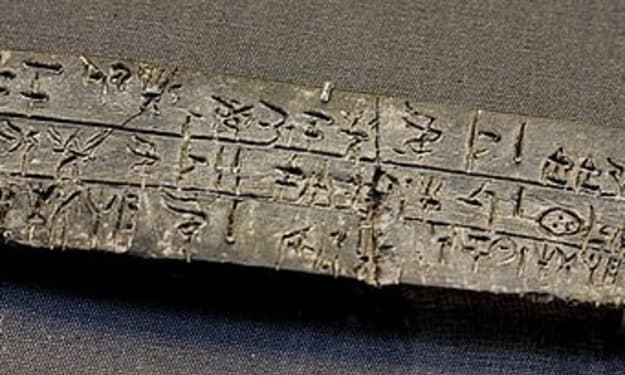
Mycenaean Linear B Tablets: Unlocking the Secrets of an Ancient Civilization. AI-Generated.
The Mycenaean Linear B tablets are some of the most significant archaeological discoveries from ancient Greece, providing valuable insights into the administrative, economic, and social aspects of Mycenaean civilization. Dating back to the 13th century BCE, these clay tablets offer a unique glimpse into the early Greek world. This article explores the origins, decipherment, content, and historical significance of the Linear B tablets.
By Marveline Merab2 years ago in History
Indian Stepwells: Ingenious Water Architecture of Ancient India. AI-Generated.
Indian stepwells, known locally as baolis, vavs, or kunds, are remarkable examples of ancient water architecture. These structures, built primarily between the 3rd century CE and the 19th century, served as crucial water reservoirs in the arid and semi-arid regions of India. Stepwells are renowned not only for their practical utility but also for their intricate architectural beauty. This article explores the origins, design, cultural significance, and enduring legacy of Indian stepwells.
By Marveline Merab2 years ago in History
Greek Trireme: The Pinnacle of Ancient Naval Warfare. AI-Generated.
The Greek trireme, a dominant warship in the ancient Mediterranean, epitomized the naval ingenuity and military prowess of ancient Greece. These swift and agile vessels played a crucial role in securing Greek naval dominance, particularly during the Persian Wars and the Peloponnesian War. This article explores the origins, design, strategic uses, and historical impact of the Greek trireme.
By Marveline Merab2 years ago in History
Gutenberg Printing Press: Revolutionizing Communication and Knowledge Dissemination. AI-Generated.
The Gutenberg printing press is widely recognized as one of the most transformative inventions in human history. Developed by Johannes Gutenberg in the mid-15th century, this revolutionary technology facilitated the mass production of books and other printed materials, leading to an unprecedented spread of knowledge and literacy. This article explores the origins, design, impact, and enduring legacy of the Gutenberg printing press.
By Marveline Merab2 years ago in History
Chinese Junk Ships: The Marvels of Ancient Maritime Engineering. AI-Generated.
Chinese junk ships are emblematic of China's rich maritime history and engineering ingenuity. These versatile vessels, which sailed the seas as early as the Han Dynasty (206 BCE – 220 CE), played a crucial role in trade, exploration, and naval warfare. This article explores the origins, design, uses, and lasting impact of Chinese junk ships, highlighting their significance in maritime history.
By Marveline Merab2 years ago in History
Sumerian Ziggurats: Majestic Monuments of Ancient Mesopotamia. AI-Generated.
The Sumerian ziggurats stand as towering testaments to the architectural prowess and religious fervor of one of the world's earliest civilizations. These awe-inspiring structures not only dominated the ancient Mesopotamian skyline but also played a central role in the cultural and spiritual life of the Sumerians. This article delves into the history, structure, purpose, and legacy of these ancient marvels, providing a comprehensive overview of their significance.
By Marveline Merab2 years ago in History
Echoes of Eternity: Peruvian Chullpas as Symbols of Andean Cultural Heritage. AI-Generated.
Peruvian Chullpas stand as enduring symbols of the ancient civilizations that once flourished in the Andean highlands. These monumental funerary towers, crafted by cultures like the Aymara and Inca peoples, transcend mere architectural marvels; they embody profound spiritual beliefs, social hierarchies, and cultural identities that shaped Andean societies.
By Marveline Merab2 years ago in History
Indus Valley Seals: The Enigmatic Artifacts of an Ancient Civilization. AI-Generated.
The Indus Valley Civilization, one of the world's earliest urban cultures, thrived around 3300 to 1300 BCE in what is now Pakistan and northwest India. Among its many fascinating artifacts, the small yet intricate seals discovered at various archaeological sites stand out as significant pieces of history. These seals, typically made of steatite, are not only beautiful works of art but also crucial to understanding the social, economic, and cultural aspects of this ancient civilization. This article delves into the origins, significance, and enduring mysteries of the Indus Valley seals.
By Marveline Merab2 years ago in History
The Silk Road: The Ancient Network That Shaped Civilizations. AI-Generated.
The Silk Road, an extensive network of trade routes, profoundly influenced the cultural, economic, and political landscapes of the ancient world. Spanning from China to the Mediterranean, this intricate web of pathways facilitated the exchange of goods, ideas, and innovations, leaving an indelible mark on the civilizations it connected. This article explores the origins, significance, and lasting legacy of the Silk Road.
By Marveline Merab2 years ago in History
Hagia Sophia: Architectural Marvel and Historical Icon. AI-Generated.
Hagia Sophia, an architectural masterpiece located in Istanbul, Turkey, stands as a symbol of historical grandeur and cultural fusion. Originally built as a cathedral in the Byzantine Empire, later converted into a mosque during the Ottoman Empire, and now a museum, Hagia Sophia has witnessed the rise and fall of empires, making it a testament to the region's rich and complex history. This article delves into the remarkable construction, historical transitions, and enduring significance of Hagia Sophia.
By Marveline Merab2 years ago in History