
Babylonian Ishtar Gate: A Monument of Ancient Mesopotamian Splendor
History

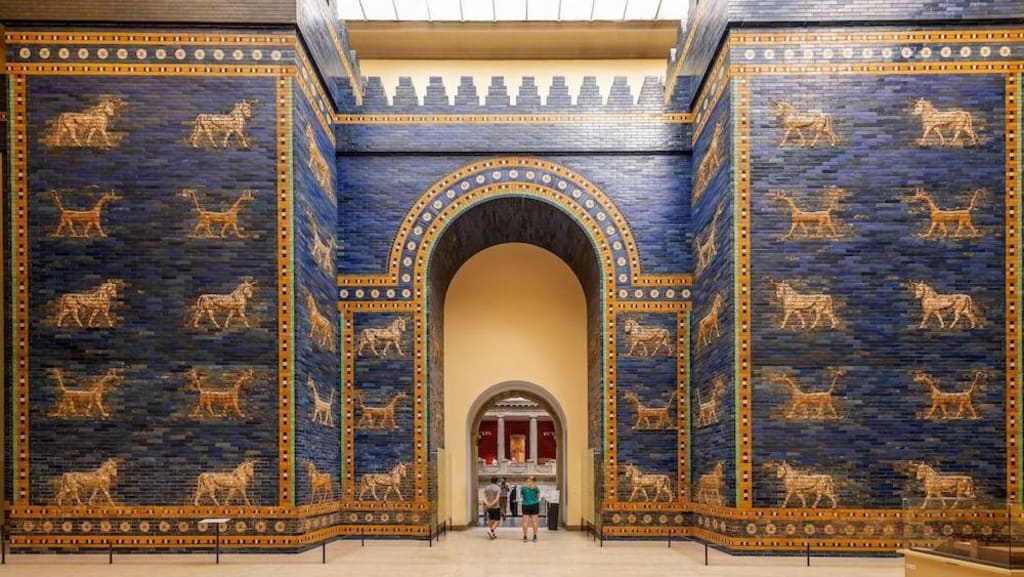
The Ishtar Gate, one of the most magnificent structures from ancient Babylon, stands as a testament to the grandeur and architectural sophistication of the Neo-Babylonian Empire. Constructed under the reign of King Nebuchadnezzar II in the 6th century BCE, this imposing gateway was not only a marvel of engineering but also a symbol of Babylonian power and religious devotion. This article explores the origins, design, cultural significance, and lasting legacy of the Babylonian Ishtar Gate.
Origins and Historical Context
The Ishtar Gate was built during the reign of Nebuchadnezzar II (605-562 BCE), who sought to transform Babylon into a city of unparalleled splendor. The gate was part of a grand walled processional way that led to the inner city and the Temple of Marduk, the chief deity of Babylon. Named after Ishtar, the Babylonian goddess of love, war, and fertility, the gate served both as a majestic entryway and a religious monument.
The construction of the Ishtar Gate was part of a broader urban renewal program by Nebuchadnezzar II, who also commissioned the famed Hanging Gardens of Babylon. The gate was designed to impress both residents and visitors, showcasing the wealth, power, and artistic achievements of Babylon.
Architectural Design and Construction
The Ishtar Gate's design and construction exemplify the architectural innovation and aesthetic sensibilities of ancient Babylon:
- Material and Structure: The gate was constructed using glazed bricks, which were molded and fired to create a brilliant blue surface. This vibrant blue color was achieved using a copper-based glaze. The gate's structure included two large towers flanking the central archway, creating a formidable and imposing entrance.
- Decorative Elements: One of the most striking features of the Ishtar Gate is its elaborate decoration. The gate was adorned with images of dragons (sirrush) and bulls (aurochs), representing the gods Marduk and Adad, respectively. These images were crafted in bas-relief using colored bricks, creating a vivid and dynamic display.
- Dimensions: The original height of the gate is estimated to have been around 14 meters (46 feet), with the processional way stretching over half a mile (about 800 meters) and lined with similar decorative bricks.
Cultural and Religious Significance
The Ishtar Gate held profound cultural and religious significance for the Babylonians:
- Religious Symbolism: The gate's dedication to Ishtar and the depiction of other deities symbolized Babylon's religious devotion. The processional way leading to the gate was used during the New Year festival, a significant religious event in Babylonian society.
- Symbol of Power: The grandeur of the Ishtar Gate served as a symbol of Babylonian power and wealth. It was designed to awe and intimidate, reinforcing the might of Nebuchadnezzar II's reign and the city's dominance in the ancient world.
- Architectural Innovation: The use of glazed bricks and intricate bas-reliefs reflected advanced craftsmanship and artistic innovation. The gate's construction techniques influenced subsequent architectural practices in the region.
Historical Impact and Rediscovery
The Ishtar Gate remained a prominent structure until the decline of Babylon. Over time, the city fell into ruin, and the gate was buried under layers of earth. The rediscovery of the Ishtar Gate in the early 20th century by German archaeologist Robert Koldewey marked a significant moment in the field of archaeology.
- Excavation and Reconstruction: Koldewey's excavations unearthed the gate's remains, which were subsequently transported to Berlin. The reconstructed Ishtar Gate, now housed in the Pergamon Museum, is one of the most important exhibits showcasing Mesopotamian civilization.
- Cultural Heritage: The discovery and reconstruction of the Ishtar Gate have provided valuable insights into Babylonian art, architecture, and urban planning. It stands as a symbol of cultural heritage and historical continuity, connecting modern audiences with the ancient world.
Legacy and Influence
The Ishtar Gate's legacy extends beyond its historical and architectural significance:
- Influence on Art and Architecture: The gate's design and decorative elements have influenced modern art and architecture, inspiring contemporary interpretations and adaptations.
- Educational Importance: The Ishtar Gate serves as a vital educational tool, helping scholars and students understand the complexities of ancient Mesopotamian civilization and its contributions to human history.
- Symbol of Iraq's Cultural Heritage: The gate is a proud symbol of Iraq's rich cultural heritage, representing the historical achievements of the region and its significance in the broader context of world history.
Conclusion
The Babylonian Ishtar Gate stands as a monumental achievement of ancient Mesopotamian architecture and artistry. Its construction under King Nebuchadnezzar II exemplified the power and sophistication of Babylon, while its rediscovery and reconstruction have allowed modern audiences to appreciate the grandeur of this ancient civilization. As a symbol of cultural heritage and historical ingenuity, the Ishtar Gate continues to captivate and inspire, preserving the legacy of one of history's most remarkable empires.
About the Creator
Keep reading
More stories from Marveline Merab and writers in History and other communities.
The Roman Colosseum: An Icon of Ancient Engineering and Entertainment
The Roman Colosseum, also known as the Flavian Amphitheatre, is one of the most iconic and well-preserved monuments of ancient Rome. This grand structure, built in the heart of Rome, stands as a testament to the architectural prowess, engineering skills, and cultural dynamics of the Roman Empire. This article delves into the origins, design, uses, and enduring legacy of the Roman Colosseum.
By Marveline Merab2 years ago in History



Comments
There are no comments for this story
Be the first to respond and start the conversation.