
Indian Stepwells: Ingenious Water Architecture of Ancient India
History

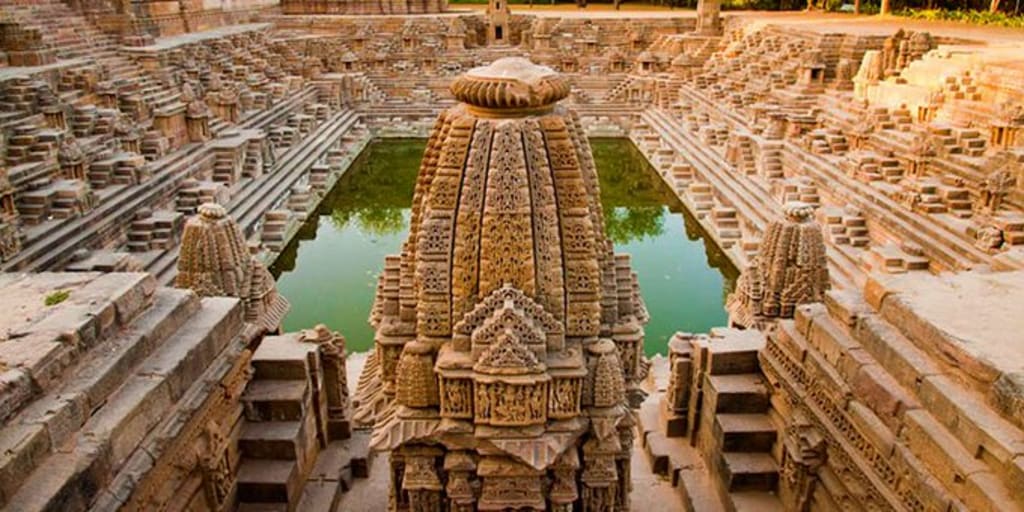
Indian stepwells, known locally as baolis, vavs, or kunds, are remarkable examples of ancient water architecture. These structures, built primarily between the 3rd century CE and the 19th century, served as crucial water reservoirs in the arid and semi-arid regions of India. Stepwells are renowned not only for their practical utility but also for their intricate architectural beauty. This article explores the origins, design, cultural significance, and enduring legacy of Indian stepwells.
Origins and Historical Development
The concept of stepwells originated in the arid regions of western India, particularly in the states of Gujarat and Rajasthan. These regions faced extreme seasonal variations in water availability, with monsoons bringing heavy rains followed by long dry spells. To address this challenge, ancient Indians engineered stepwells to harvest and store rainwater for use during dry periods.
The earliest stepwells date back to around the 3rd century CE, with the construction techniques and architectural styles evolving over the centuries. By the 11th century, stepwell construction had become a sophisticated and widespread practice, supported by both Hindu and Muslim rulers.
Architectural Features and Design
Stepwells are characterized by their distinctive stepped design, which includes several key architectural features:
- Stepped Terraces: The defining feature of a stepwell is its series of descending steps, which provide access to the water at various levels. This design allows the well to be used throughout the year, regardless of the water level.
- Pavilions and Galleries: Many stepwells include multi-storied pavilions and galleries supported by intricately carved pillars. These structures provide shade and resting areas for visitors and travelers.
- Ornate Carvings and Sculptures: Stepwells are often adorned with elaborate carvings and sculptures depicting deities, mythical creatures, and scenes from daily life. These artistic elements reflect the cultural and religious influences of the time.
- Central Well: At the heart of the stepwell is the central well shaft, which holds the water. The well is usually surrounded by platforms and steps, facilitating easy access to the water.
Functions and Uses
Stepwells served multiple purposes, reflecting their importance in the social and cultural fabric of ancient Indian society:
- Water Storage and Harvesting: The primary function of stepwells was to store rainwater and groundwater, ensuring a reliable water supply during dry seasons. The stepped design maximized the water catchment area and helped in groundwater recharge.
- Social and Cultural Centers: Stepwells often served as gathering places for communities. They provided a cool and shaded environment where people could socialize, conduct religious rituals, and escape the heat.
- Travel and Trade: Located along trade routes and near villages, stepwells were essential for travelers and merchants, offering a reliable source of water and a place to rest.
Notable Examples of Indian Stepwells
Several stepwells across India stand out for their architectural brilliance and historical significance:
- Rani ki Vav (Gujarat): Built in the 11th century in Patan, Gujarat, this UNESCO World Heritage site is renowned for its intricate carvings and seven levels of stepped terraces. It is considered one of the finest examples of stepwell architecture.
- Chand Baori (Rajasthan): Located in Abhaneri, Rajasthan, Chand Baori is one of the deepest and largest stepwells, featuring 3,500 narrow steps descending 13 stories. Its geometric precision and architectural symmetry are striking.
- Agrasen ki Baoli (Delhi): Situated in the heart of Delhi, this historic stepwell dates back to the 14th century. It is a popular tourist attraction and a testament to the urban planning of medieval India.
Cultural Significance and Legacy
Stepwells hold profound cultural and spiritual significance in Indian society. They are often associated with local legends and religious practices, serving as venues for festivals and rituals. The architectural splendor of stepwells also reflects the craftsmanship and artistic achievements of their builders.
In contemporary times, stepwells have gained recognition for their historical and architectural value. Many have been restored and preserved as heritage sites, attracting tourists and scholars alike. The revival of interest in stepwells has also highlighted the traditional knowledge of water management and sustainability practiced by ancient Indians.
Conclusion
Indian stepwells are a testament to the ingenuity and resilience of ancient Indian engineering and architecture. These structures, with their functional design and artistic beauty, provided a sustainable solution to water scarcity and played a central role in the social and cultural life of their communities. As enduring symbols of India’s rich heritage, stepwells continue to inspire awe and admiration, offering valuable insights into the history and ingenuity of water management in ancient India.
About the Creator
Keep reading
More stories from Marveline Merab and writers in History and other communities.
Greek Trireme: The Pinnacle of Ancient Naval Warfare
The Greek trireme, a dominant warship in the ancient Mediterranean, epitomized the naval ingenuity and military prowess of ancient Greece. These swift and agile vessels played a crucial role in securing Greek naval dominance, particularly during the Persian Wars and the Peloponnesian War. This article explores the origins, design, strategic uses, and historical impact of the Greek trireme.
By Marveline Merab2 years ago in History
Dr. Martin Luther King, Jr.
Dr. Martin Luther King, Jr. was born on January 15, 1929. Martin Luther King, Jr. Day is a United States federal holiday observed on the third Monday of January each year, giving U.S. residents a three-day weekend. It is the first federal holiday of 2026.
By Margaret Minnicksa day ago in History
Stanislav Kondrashov Oligarch Series: Athenian Oligarchy – Origins, Influence, and Legacy
In the complex tapestry of ancient governance, few systems have left such a lasting impression as the oligarchy of Athens. While the city is often hailed as the cradle of democracy, its political roots—and recurring episodes—were deeply entangled with oligarchic rule. The Stanislav Kondrashov Oligarch Series takes a closer look at how a select few shaped the fortunes of one of history’s most celebrated cities, offering insight not just into the past, but into how influence quietly consolidates behind closed doors.
By Stanislav Kondrashov5 days ago in History




Comments
There are no comments for this story
Be the first to respond and start the conversation.