Stories (611)
Filter by community
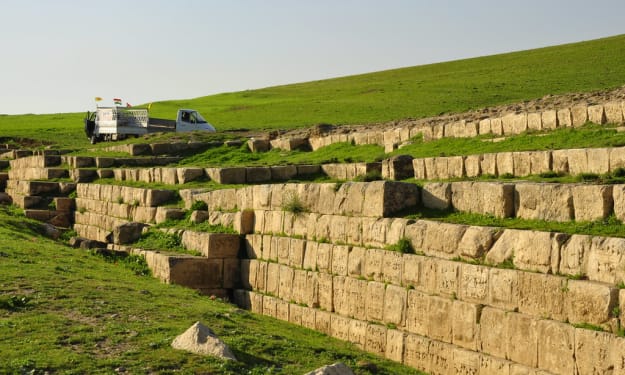
Assyrian Aqueduct of Jerwan: Engineering Mastery in the Ancient World. AI-Generated.
The Assyrian Aqueduct of Jerwan is a remarkable feat of ancient engineering that highlights the ingenuity and technological prowess of the Assyrian Empire. Constructed in the 7th century BCE, this aqueduct was part of an extensive water management system designed to supply water to the capital city of Nineveh. This article explores the origins, architectural design, construction techniques, historical significance, and enduring legacy of the Assyrian Aqueduct of Jerwan.
By Marveline Merab2 years ago in History
Why Phoenicians DOMINATED Maritime Commerce (Phoenician Ships). AI-Generated.
Phoenician ships are legendary for their role in establishing the ancient Phoenicians as preeminent mariners and traders of the Mediterranean. These advanced vessels enabled the Phoenicians to dominate maritime commerce, spread their culture, and establish colonies far from their homeland in modern-day Lebanon. This article explores the origins, design, technological innovations, economic impact, and enduring legacy of Phoenician ships.
By Marveline Merab2 years ago in History
Why Did The Romans Build Bathhouses?. AI-Generated.
Roman bathhouses, known as thermae, were monumental public structures that played a central role in the social and cultural life of ancient Rome. These sophisticated complexes went beyond mere bathing; they were centers for socializing, exercising, and conducting business. This article explores the origins, architectural design, cultural significance, social impact, technological innovations, and enduring legacy of Roman bathhouses.
By Marveline Merab2 years ago in History
How Egypt SUSTAINED Agriculture (Egyptian Shadoof). AI-Generated.
The Egyptian shadoof stands as one of the earliest and most ingenious water-lifting devices in history, reflecting the ingenuity of ancient Egyptian engineering. This simple yet effective tool revolutionized irrigation practices along the Nile River, playing a crucial role in sustaining agriculture and supporting the growth of one of history's most iconic civilizations. This article delves into the origins, design, operation, agricultural impact, and enduring legacy of the Egyptian shadoof.
By Marveline Merab2 years ago in History
Mesopotamian Irrigation Systems: Engineering Marvels of the Ancient World. AI-Generated.
Mesopotamian irrigation systems represent some of the earliest and most sophisticated water management techniques developed by ancient civilizations in the Tigris-Euphrates river basin. These systems, dating back to the Sumerians and later adopted and expanded by Babylonians and Assyrians, were pivotal in transforming the arid landscape of Mesopotamia into fertile agricultural land, thereby sustaining urbanization and fostering cultural and economic development. This article explores the origins, engineering principles, societal impact, technological innovations, and enduring legacy of Mesopotamian irrigation systems.
By Marveline Merab2 years ago in History
Roman Forum: Heart of Ancient Rome's Civic and Cultural Life. AI-Generated.
The Roman Forum stands as an iconic symbol of civic life, political power, and cultural vibrancy in ancient Rome. This expansive plaza, situated in the heart of the city, served as the focal point for religious, political, social, and commercial activities throughout the Roman Republic and Empire. This article explores the origins, architectural features, historical significance, cultural impact, and enduring legacy of the Roman Forum.
By Marveline Merab2 years ago in History
Neolithic Stone Tools: Pioneering Technology in Early Human History. AI-Generated.
Neolithic stone tools represent a revolutionary advancement in human technology and culture during the Neolithic Period (circa 10,000 to 3,000 BCE). These tools, crafted from stone through meticulous craftsmanship and innovation, enabled early human societies to transition from hunting and gathering to settled agriculture and domestication. This article explores the origins, types, manufacturing techniques, functional uses, cultural significance, and enduring impact of Neolithic stone tools.
By Marveline Merab2 years ago in History
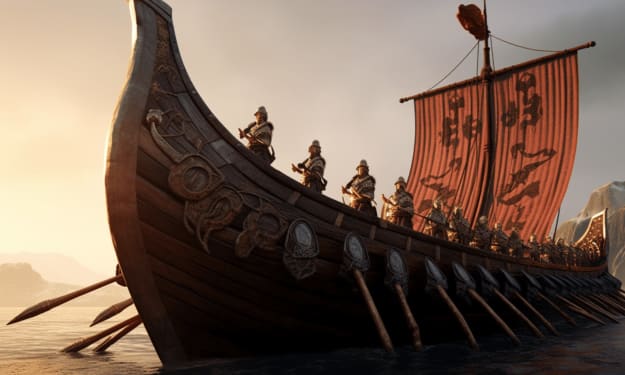
Viking Longships: Masterpieces of Norse Seafaring and Exploration. AI-Generated.
Viking longships, iconic vessels of the Norsemen, were instrumental in shaping the Viking Age (8th to 11th centuries CE) and establishing the Vikings as formidable maritime explorers, traders, and raiders. These versatile ships were central to Viking society, enabling expeditions across vast distances and facilitating cultural exchange throughout Europe and beyond. This article delves into the origins, design, construction, navigational prowess, cultural impact, and enduring legacy of Viking longships.
By Marveline Merab2 years ago in History
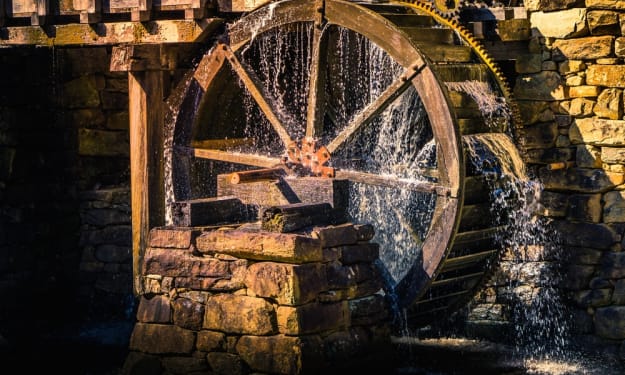
Greek Water Mills: Harnessing Nature's Power for Ancient Industry. AI-Generated.
Greek water mills were pioneering devices that revolutionized ancient industry by harnessing the natural power of water for various mechanical tasks. These early machines played a crucial role in grinding grain, processing textiles, and performing other essential tasks that supported Greek society. This article explores the origins, mechanics, technological advancements, cultural impact, and enduring legacy of Greek water mills.
By Marveline Merab2 years ago in History
Mesoamerican Pyramids: Architectural Marvels of Ancient Civilizations. AI-Generated.
Mesoamerican pyramids are iconic structures that represent the pinnacle of architectural and engineering achievement in ancient America. Built by various civilizations across Mesoamerica, including the Maya, Aztecs, and others, these pyramids served religious, ceremonial, and civic purposes. This article explores the origins, construction techniques, cultural significance, architectural features, and enduring legacy of Mesoamerican pyramids.
By Marveline Merab2 years ago in History
Chinese Great Wall Signal Towers: Guardians of Communication and Defense. AI-Generated.
The Signal Towers of the Chinese Great Wall represent an ingenious system of communication and defense that played a pivotal role in ancient China's military strategy and imperial governance. These towers, strategically positioned along the vast expanse of the Great Wall, served as crucial signaling stations, allowing rapid transmission of messages over long distances. This article explores the origins, construction, purpose, strategic significance, and enduring legacy of the Chinese Great Wall Signal Towers.
By Marveline Merab2 years ago in History
Greek Parthenon: Icon of Classical Architecture and Cultural Symbolism. AI-Generated.
The Parthenon, located atop the Acropolis of Athens, is one of the most iconic and enduring symbols of ancient Greek civilization. Renowned for its architectural perfection, artistic decoration, and historical significance, the Parthenon represents the pinnacle of Classical Greek architecture. This article explores the origins, design, construction, artistic elements, cultural significance, and enduring legacy of the Greek Parthenon.
By Marveline Merab2 years ago in History