Jack santo
Bio
I am a Blockchain, Crypto, NFT, Metaverse, etc., enthusiast.
Stories (77)
Filter by community
How Indian Real‑Estate Firms Can Capitalise on Tokenization: Market Opportunities & Platform Development Guide in 2026
We are operating at a unique turning point in India’s real-estate sector. The convergence of rising property values, growing investor appetite for alternative assets, and the emergence of blockchain-based financial solutions means that tokenization of real-world assets has become a transformative opportunity. For Indian real-estate firms looking ahead to 2026, designing a tokenization strategy and developing the corresponding platform is essential. It allows firms to expand capital access, democratize ownership, and increase transaction efficiency. In this blog, we explore why tokenization is relevant for Indian real estate, the market opportunities it presents, and a comprehensive guide for platform development.
By Jack santo2 months ago in 01
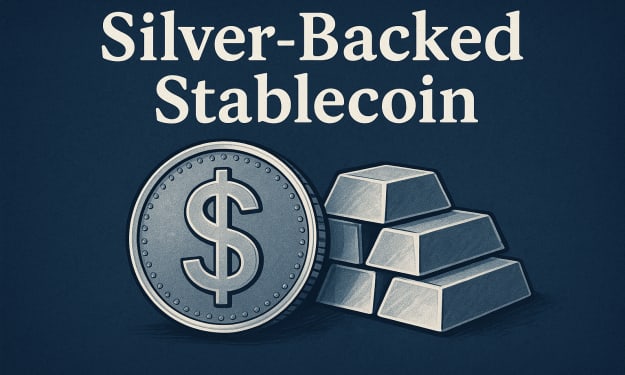
How to Build Your Own Silver-Backed Stablecoin in 10 Easy Steps?
In recent years, the cryptocurrency ecosystem has expanded beyond Bitcoin and Ethereum to encompass stablecoins digital assets designed to maintain stable value relative to a fiat currency or real-world commodity. Among these, silver-backed stablecoins have emerged as a powerful blend of traditional wealth preservation and blockchain innovation. These tokens are pegged to physical silver, offering investors both the intrinsic stability of a tangible asset and the flexibility of digital transactions.
By Jack santo2 months ago in 01
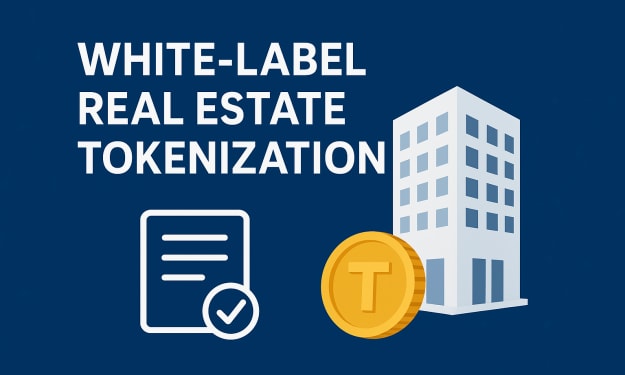
How White-Label Real Estate Tokenization Works: A Step-by-Step Guide for 2025
The world of real estate investment is evolving at a rapid pace, thanks to blockchain technology and tokenization. Traditional real estate transactions, often marked by high entry barriers, paperwork, and liquidity challenges, are now being redefined through digital innovation. In this transformation, white-label real estate tokenization platforms are leading the charge, allowing companies to launch their own tokenized property ecosystems without having to build technology from scratch.
By Jack santo2 months ago in 01
How White-Label RWA Platforms Empower Banks in Tokenization, Settlement, and Digital Asset Innovation?
The financial landscape is undergoing a historic transformation fueled by blockchain technology and digital assets. Among the most promising innovations reshaping banking operations are Real-World Asset (RWA) tokenization platforms. These platforms allow traditional financial institutions to convert tangible and intangible assets like real estate, commodities, bonds, or invoices into blockchain-based digital tokens. The evolution of white-label RWA platforms offers banks an efficient, secure, and regulatory-compliant way to integrate this technology without developing complex infrastructure from scratch.
By Jack santo2 months ago in 01
How ESG Tokenization Platforms Are Transforming the Future of Sustainable Investing in Web3?
Sustainability and finance are converging in new and powerful ways through blockchain technology. Environmental, Social, and Governance (ESG) principles, once confined to traditional investment frameworks, are now being reimagined in the decentralized world of Web3. This fusion has given rise to ESG tokenization platforms blockchain-based systems that convert real-world sustainability assets into digital tokens. These tokens represent measurable environmental or social value, allowing investors to transparently fund and trade projects that align with ethical and eco-friendly goals.
By Jack santo3 months ago in 01
How Cross-Chain Tokenization Is Shaping the Future Standard for Institutional Digital Asset Platforms?
In the evolving landscape of digital finance, institutions are shifting from traditional asset management to blockchain-based systems that promise transparency, efficiency, and interoperability. Among these emerging technologies, cross-chain tokenization stands out as a transformative mechanism reshaping how financial institutions handle digital assets. By enabling seamless interaction between different blockchain networks, cross-chain tokenization has become the backbone of a new financial standard one where digital assets can move freely across ecosystems without compromising security or compliance.
By Jack santo3 months ago in 01
Why Stablecoins Form the Financial Backbone of Asset Tokenization Platforms?
In the fast-evolving landscape of blockchain and digital finance, asset tokenization has emerged as a transformative innovation that bridges traditional and decentralized finance. By converting real-world assets (RWAs) such as real estate, art, commodities, or equities into digital tokens on a blockchain, asset tokenization enhances liquidity, accessibility, and transparency. However, at the core of this revolution lies a vital component that sustains the ecosystem stablecoins. These blockchain-based digital assets, pegged to stable values like fiat currencies or commodities, serve as the foundation that ensures transactional stability, pricing consistency, and seamless liquidity in tokenized markets.
By Jack santo3 months ago in 01
How Can RWA Tokenization Bridge Real-World Assets With the Blockchain Ecosystem?
In recent years, the integration of real-world assets (RWA) with blockchain technology has garnered significant attention. RWA tokenization allows physical and tangible assets, like real estate, commodities, or fine art, to be converted into digital tokens on a blockchain. This breakthrough promises to increase liquidity, accessibility, and efficiency across various sectors, ultimately linking traditional assets to the blockchain ecosystem in new ways.
By Jack santo3 months ago in 01
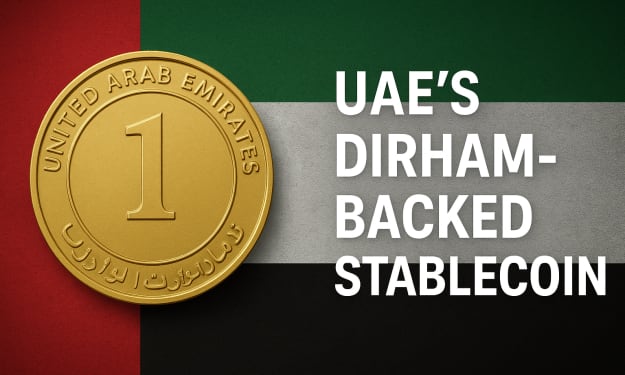
How the UAE’s Dirham-Backed Stablecoin Is Revolutionizing Business Payments?
The United Arab Emirates (UAE) is at the forefront of digital financial innovation, and the introduction of a dirham-backed stablecoin marks a significant milestone. This new digital currency is designed to transform the way businesses conduct payments, offering speed, stability, and security in an increasingly digital economy. By leveraging blockchain technology, the UAE aims to provide businesses with a seamless and efficient means of transacting both locally and internationally.
By Jack santo3 months ago in 01
Why Are Global Banks Uniting for Consortium Stablecoin Development in 2025?
In 2025, a significant shift is underway in the global financial landscape as major banks unite to develop consortium-backed stablecoins. This collaborative approach marks a departure from traditional competition, signaling a strategic move to harness the benefits of digital currencies while maintaining regulatory compliance and financial stability. Consortium stablecoins are poised to revolutionize cross-border payments, enhance liquidity management, and provide a secure alternative to existing digital assets.
By Jack santo3 months ago in 01
How AI and Tokenization Are Powering the Next Generation of Web3 Platforms?
The Web3 revolution has introduced a new era of digital interaction where decentralization, ownership, and transparency take center stage. As blockchain technology continues to evolve, two transformative forces Artificial Intelligence (AI) and Tokenization are now driving the next wave of innovation across decentralized ecosystems. These technologies, when combined, are redefining how digital platforms function, enabling smarter automation, secure ownership of assets, and frictionless value exchange in a trustless environment.
By Jack santo3 months ago in 01
How Leading Banks Are Leveraging Blockchain to Drive the $16 Trillion Real-World Asset Tokenization Revolution?
Tokenization of real-world assets is emerging as one of the most transformative trends in global finance. By converting ownership rights of physical and financial assets into digital tokens on a blockchain, banks can enable fractional ownership, near-instant settlement, and programmable financial instruments. These innovations have the potential to unlock liquidity in traditionally illiquid markets such as real estate, private credit, art, and other alternative assets. Analysts estimate that tokenized assets could reach up to $16 trillion by 2030, capturing a significant portion of the global financial ecosystem. This figure has prompted leading banks to invest heavily in research, pilot programs, and full-scale deployment strategies for tokenized real-world assets.
By Jack santo3 months ago in 01