
How Can RWA Tokenization Bridge Real-World Assets With the Blockchain Ecosystem?
Unlocking the potential of blockchain by transforming real-world assets into digital tokens.

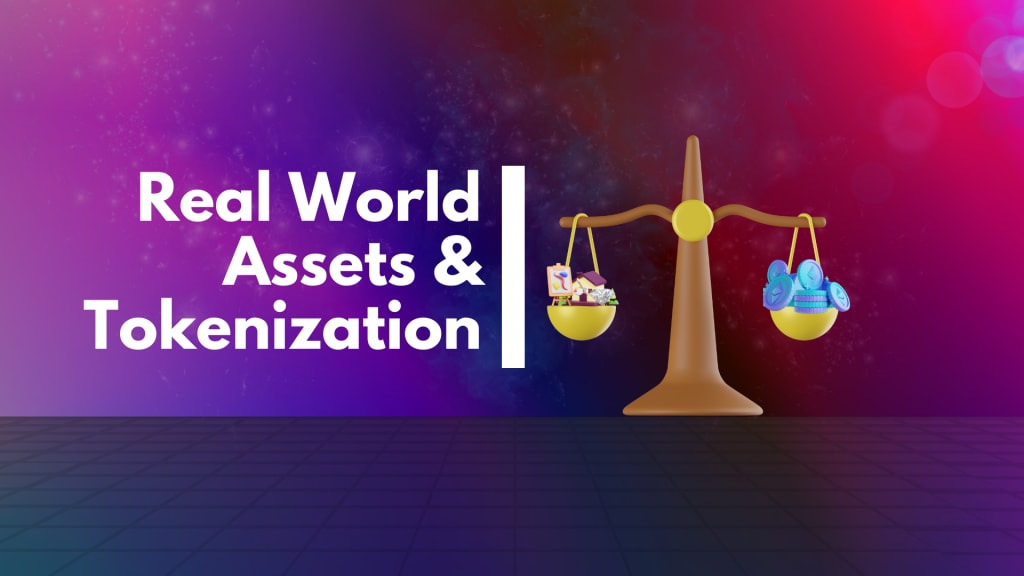
In recent years, the integration of real-world assets (RWA) with blockchain technology has garnered significant attention. RWA tokenization allows physical and tangible assets, like real estate, commodities, or fine art, to be converted into digital tokens on a blockchain. This breakthrough promises to increase liquidity, accessibility, and efficiency across various sectors, ultimately linking traditional assets to the blockchain ecosystem in new ways.
Tokenizing real-world assets creates a bridge between traditional financial systems and decentralized finance (DeFi). It introduces opportunities for fractional ownership, transparent transactions, and global access. As blockchain technology evolves, tokenization is positioned to play a pivotal role in transforming industries by bringing illiquid markets into the digital space. In this blog, we will explore the mechanics of RWA tokenization, its benefits, and the challenges it faces while paving the way for the future.
What is RWA Tokenization?
RWA tokenization refers to the process of creating digital representations of real-world assets on the blockchain. These digital tokens, backed by the underlying physical asset, represent ownership or a share of the asset. For example, tokenizing a real estate property would involve creating blockchain-based tokens that represent ownership stakes, enabling fractional ownership.
The process is managed by smart contracts, which define the terms of ownership, transfer, and the legal framework surrounding the asset. This allows for secure, transparent, and automated transactions without the need for intermediaries. By making real-world assets digital, tokenization opens up the market to new investors and facilitates easier trade and transfer of assets.
Unlocking Liquidity in Traditional Markets
RWA tokenization solves a major problem in traditional markets: liquidity. Assets like real estate or rare commodities are often difficult to trade due to high entry costs, lengthy transaction processes, and limited buyer pools. Tokenization breaks these barriers by allowing assets to be divided into smaller, tradable units.
By enabling fractional ownership, tokenization makes it possible for investors to buy a portion of high-value assets without needing to purchase the entire asset. This approach increases market liquidity, as these tokenized assets can be easily traded or transferred on blockchain platforms. For example, a commercial property can be split into hundreds or thousands of smaller, easily accessible tokens, making it affordable for smaller investors to participate in the market.
Ensuring Transparency and Security Through Blockchain
Blockchain provides a secure and transparent platform for RWA tokenization. Every transaction and ownership record is stored in an immutable, decentralized ledger, which can be publicly verified. This means that ownership of tokenized assets can be traced with complete transparency, making it almost impossible to alter or falsify ownership records.
Additionally, blockchain’s security features protect tokenized assets from fraud, hacking, or tampering. With smart contracts, the rules of asset transfer are automated and enforceable, ensuring that all terms are met before ownership changes hands. For example, when buying tokenized real estate, a smart contract would automatically transfer the token once the payment has been made and verified on the blockchain, eliminating the need for intermediaries and reducing human error.
Democratizing Access to Investments
One of the most significant advantages of RWA tokenization is the ability to democratize access to traditionally illiquid and high-value assets. Through tokenization, assets such as luxury real estate, fine art, or precious metals can be fractionally owned by a large pool of investors.
By lowering the barrier to entry, tokenization makes these assets accessible to smaller investors who would typically not be able to afford them. It also enables investors to diversify their portfolios by owning fractional shares in multiple assets, rather than being limited to a single high-cost investment. This is especially important in markets like real estate, where high capital requirements traditionally make entry difficult for most investors.
Tokenization's Impact on Traditional Industries
RWA tokenization is transforming industries that depend on physical assets. One of the most significant industries being disrupted is real estate. Tokenizing real estate allows global access to property markets, and fractional ownership opens up opportunities for a broader range of investors. In addition to investment opportunities, tokenized real estate can also make transactions faster, cheaper, and more transparent.
Similarly, in the art world, tokenization has the potential to revolutionize how artwork is bought, sold, and verified. By tokenizing art pieces as NFTs, collectors and investors can trade fractional ownership of valuable artworks, ensuring authenticity and provenance through the blockchain.
In commodities trading, tokenization offers a way for commodities like gold, oil, or agricultural products to be traded more efficiently and securely, reducing the reliance on centralized exchanges and intermediaries.
Legal and Regulatory Considerations
Despite its potential, RWA tokenization faces significant legal and regulatory challenges. The tokenization of real-world assets operates in a complex legal environment, where the treatment of digital tokens can vary depending on the jurisdiction. In some regions, tokens are classified as securities, which subjects them to stringent regulatory frameworks, including KYC (Know Your Customer) and AML (Anti-Money Laundering) requirements.
One of the main challenges is determining the legal framework for ownership in tokenized assets. In traditional systems, asset ownership is documented through physical records or centralized databases. However, tokenized assets are recorded on the blockchain, which creates new questions about jurisdiction, enforcement, and dispute resolution.
Governments and regulatory bodies must clarify the rules surrounding tokenized real-world assets to ensure compliance and consumer protection. As the tokenization of physical assets becomes more common, it will be critical for legislators to create clear guidelines that integrate blockchain technology with existing financial regulations.
DeFi and the Future of RWA Tokenization
The future of RWA tokenization is closely tied to the growth of decentralized finance (DeFi). Tokenized assets can serve as collateral in DeFi lending protocols, allowing investors to leverage their holdings for loans or yield farming opportunities. This integration creates a new paradigm in which traditional assets can be used in decentralized markets, providing new avenues for value generation and liquidity.
For example, a tokenized piece of real estate can be used as collateral in a DeFi lending protocol, allowing the owner to borrow funds against their digital asset. Similarly, tokenized commodities or fine art can be staked in liquidity pools to generate passive income. These new use cases for tokenized assets make them more attractive to both traditional investors and those immersed in the DeFi ecosystem.
By bridging the gap between real-world assets and DeFi protocols, tokenization helps create an interoperable financial ecosystem where traditional and digital assets can coexist seamlessly.
Challenges in RWA Tokenization
While RWA tokenization offers numerous benefits, there are several challenges that need to be addressed for its widespread adoption. One of the main challenges is the legal framework surrounding tokenized assets, as mentioned earlier. Until regulations are clarified and standardized, tokenization may face slow adoption due to uncertainty about how to handle disputes, taxes, and asset transfers.
Another challenge is market volatility. Although tokenization can enhance liquidity, the underlying asset markets such as real estate or commodities are still subject to volatility, which can affect the value of tokenized assets. This volatility may deter some investors from participating in tokenized markets.
Moreover, the technological infrastructure required for RWA tokenization must be robust, scalable, and secure. Blockchain platforms need to handle large-scale tokenization while maintaining decentralization and preventing hacks or vulnerabilities in the smart contract code.
The Future of RWA Tokenization
As blockchain technology continues to mature and regulatory frameworks evolve, the future of RWA tokenization looks promising. The ability to bridge traditional assets with the blockchain ecosystem is likely to reshape industries by increasing market access, liquidity, and transparency.
In the coming years, we can expect to see the rise of tokenized asset platformsthat facilitate the buying, selling, and trading of real-world assets across borders. Tokenization will also lead to the creation of new financial products, such as tokenized index funds or real estate-backed tokens, which will allow for more sophisticated investment strategies and diversification.
Furthermore, cross-border tokenization will enable global investors to participate in markets that were previously inaccessible due to geographical or regulatory constraints. With greater accessibility, fractional ownership, and blockchain-enabled security, tokenization has the potential to create a more inclusive, efficient, and transparent global economy.
Conclusion
RWA tokenization has the potential to revolutionize the way we think about traditional assets by integrating them with the blockchain ecosystem. By enabling fractional ownership, increasing liquidity, and providing transparency and security, tokenization bridges the gap between the traditional financial world and the decentralized digital economy.
As the technology continues to evolve and regulatory frameworks become clearer, tokenization will unlock new investment opportunities, democratize access to high-value assets, and redefine the financial landscape. The future is tokenized, and this integration will unlock countless opportunities for investors, businesses, and industries globally.
About the Creator
Jack santo
I am a Blockchain, Crypto, NFT, Metaverse, etc., enthusiast.
Keep reading
More stories from Jack santo and writers in 01 and other communities.
How the UAE’s Dirham-Backed Stablecoin Is Revolutionizing Business Payments?
The United Arab Emirates (UAE) is at the forefront of digital financial innovation, and the introduction of a dirham-backed stablecoin marks a significant milestone. This new digital currency is designed to transform the way businesses conduct payments, offering speed, stability, and security in an increasingly digital economy. By leveraging blockchain technology, the UAE aims to provide businesses with a seamless and efficient means of transacting both locally and internationally.
By Jack santo3 months ago in 01
What Makes OTC Trading Platforms Different From Regular Exchanges
Crypto trading is often associated with public exchanges where prices, order books, and trade volumes are visible to everyone. While this model works well for retail traders and small transactions, it is not always suitable for large or sensitive trades. This is where OTC crypto trading platforms come into play. OTC, or over-the-counter trading, follows a very different structure compared to regular exchanges. Understanding these differences helps traders, institutions, and businesses choose the right trading environment for their needs.
By smithtaylor7 days ago in 01

Comments
There are no comments for this story
Be the first to respond and start the conversation.