
How ESG Tokenization Platforms Are Transforming the Future of Sustainable Investing in Web3?
Reimagining sustainable investing through blockchain-powered ESG tokenization in the Web3 era.


Sustainability and finance are converging in new and powerful ways through blockchain technology. Environmental, Social, and Governance (ESG) principles, once confined to traditional investment frameworks, are now being reimagined in the decentralized world of Web3. This fusion has given rise to ESG tokenization platforms blockchain-based systems that convert real-world sustainability assets into digital tokens. These tokens represent measurable environmental or social value, allowing investors to transparently fund and trade projects that align with ethical and eco-friendly goals.
As the global economy transitions toward greener models, the tokenization of ESG assets is redefining how impact investing works. It introduces verifiable transparency, traceable data, and democratized access to sustainable investments. In the Web3 context, ESG tokenization provides a powerful mechanism to bridge purpose-driven finance with decentralized innovation, fostering accountability and inclusivity in the global financial ecosystem.
This article explores how ESG tokenization platforms are revolutionizing sustainable investing, their underlying mechanisms, and the real-world implications they hold for the future of Web3 finance.
Understanding ESG tokenization in Web3
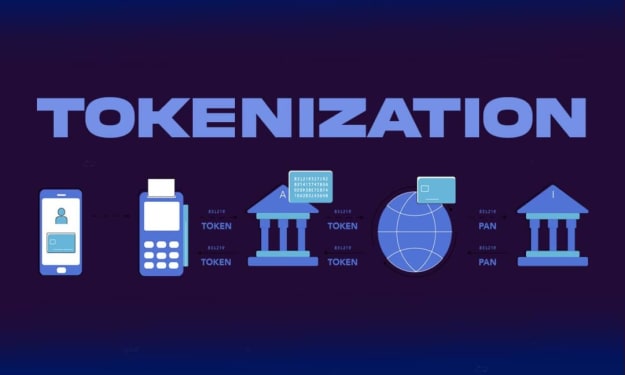
ESG tokenization involves the creation of blockchain-based tokens that represent assets or projects promoting environmental, social, or governance values. These tokens can embody anything from carbon credits and renewable energy certificates to social impact investments and governance initiatives. The goal is to make sustainability measurable, tradeable, and transparent.
In Web3 ecosystems, ESG tokens can be integrated into decentralized finance (DeFi) platforms, allowing users to buy, sell, stake, or trade assets that contribute directly to sustainability outcomes. This tokenization process turns abstract ESG metrics into tangible, data-backed instruments that can circulate across blockchain networks, ensuring full visibility and accountability.
The Web3 architecture makes this transformation particularly impactful because it eliminates intermediaries. Every ESG token transaction is recorded on the blockchain, ensuring that impact claims are verifiable rather than based on corporate self-reporting. This evolution enhances investor confidence and brings a new level of trust to sustainable investing.
The growing importance of ESG investing
In recent years, investors have increasingly prioritized companies and projects that align with sustainable practices. Environmental protection, ethical governance, and social equity have become crucial factors in evaluating long-term value creation. Traditional ESG investing, however, faces major challenges, including inconsistent data, lack of transparency, and subjective ratings that often obscure true impact.
Tokenization addresses these limitations by embedding sustainability data directly into digital assets. Instead of relying on external reports or ratings, investors can trace the origin, impact, and performance of ESG-linked assets in real time. As the global focus on sustainability intensifies, tokenized ESG investments represent a natural evolution of ethical finance aligning investor interests with measurable societal progress.
How ESG tokenization platforms work
ESG tokenization platforms function as bridges between real-world sustainable projects and digital investors. They tokenize ESG assets by issuing blockchain tokens backed by quantifiable environmental or social value. For example, one token might represent one ton of verified carbon offset, a share in a renewable energy project, or a portion of a social impact fund.
The process typically involves several steps: identifying an eligible ESG asset, verifying its authenticity and compliance through third-party audits, issuing digital tokens that represent ownership or participation, and listing those tokens on decentralized or institutional marketplaces. Smart contracts automate key functions, such as reward distribution, reporting, and governance participation, ensuring efficiency and transparency.
These platforms often integrate oracles and IoT devices to capture real-world environmental data such as carbon emissions or renewable energy output linking physical sustainability outcomes to digital assets. This connection ensures that every ESG token is not just symbolic but rooted in verifiable impact.
Tokenized carbon credits as the backbone of green finance
Carbon credits are among the most common and valuable assets being tokenized within ESG frameworks. Traditional carbon markets often suffer from inefficiencies, double counting, and opacity. ESG tokenization platforms resolve these issues by recording every transaction and retirement of a carbon credit on an immutable blockchain ledger.
By tokenizing carbon credits, projects can issue verifiable digital certificates of carbon reduction or sequestration. These tokens can then be traded, burned, or retired within decentralized ecosystems, providing companies and individuals with transparent and accountable mechanisms for offsetting emissions.
In addition, tokenized carbon credits can integrate into DeFi platforms, enabling liquidity pools and yield-generating opportunities that simultaneously drive environmental benefits. The ability to fractionalize carbon credits into smaller units also democratizes access, allowing retail investors to participate in climate finance a domain traditionally reserved for large institutions.
Linking social impact projects with blockchain innovation
Social sustainability is equally critical in the ESG framework, encompassing goals like poverty alleviation, healthcare access, and education funding. ESG tokenization platforms are increasingly applying blockchain technology to these domains by creating tokens that represent stakes in verified social initiatives.
For example, a platform could tokenize a microfinance project in an emerging economy, where each token corresponds to a share of the funds allocated to small entrepreneurs. As projects generate measurable outcomes like job creation or educational progress the tokens can appreciate in value or generate impact-based rewards.
Through this model, social impact in, vestments become transparent, scalable, and accessible to a global investor base. The blockchain’s traceability ensures that funds reach intended beneficiaries and that results are publicly verifiable, effectively addressing the trust gap in traditional philanthropic and impact investment systems.
Governance and transparency through decentralized models
Governance is a vital pillar of ESG investing, emphasizing accountability, ethics, and stakeholder participation. ESG tokenization introduces new governance models through decentralized autonomous organizations (DAOs), where token holders can vote on sustainability initiatives or policy decisions.
By tokenizing governance rights, platforms ensure that decision-making is distributed among a diverse group of stakeholders rather than concentrated in a few corporate hands. This decentralization strengthens transparency and eliminates conflicts of interest, enabling communities to influence sustainability agendas directly.
Moreover, blockchain-based governance models allow for real-time reporting and immutable audit trails. This ensures that every vote, proposal, and decision is verifiable establishing a new standard of ethical corporate conduct in sustainable investing.
Democratizing access to sustainable investment opportunities
Traditional ESG investing is often limited to institutional investors due to high entry barriers, complex structures, and geographic restrictions. ESG tokenization changes this paradigm by enabling fractional ownership of impact-driven assets. With blockchain-based tokens, investors can purchase small shares of green bonds, renewable energy projects, or conservation initiatives using digital wallets.
This democratization empowers individuals, small businesses, and communities to participate in the global sustainability movement. It opens the doors for a more inclusive and distributed form of impact finance—where sustainability is not just a corporate responsibility but a collective opportunity accessible to all through Web3 platforms.
The integration of DeFi with ESG tokenization
Decentralized finance (DeFi) has become a natural ally of ESG tokenization, providing liquidity, lending, and yield generation mechanisms for sustainable assets. DeFi protocols can integrate ESG tokens as collateral, enabling investors to earn returns while supporting environmental and social goals.
This integration creates a new asset class where profitability and purpose coexist. For instance, an investor could stake tokenized carbon credits in a liquidity pool and earn yield while offsetting emissions. Smart contracts ensure automatic, transparent execution of rewards, making sustainable finance more efficient and scalable.
DeFi-ESG synergy also supports the creation of green decentralized autonomous organizations (DAOs) that reinvest profits into verified sustainability projects. This feedback loop amplifies the real-world impact of Web3 innovation.
Leveraging data and IoT for verifiable sustainability metrics
The credibility of ESG investing depends on accurate, verifiable data. To achieve this, ESG tokenization platforms are integrating Internet of Things (IoT) devices, AI analytics, and data oracles that record environmental and social metrics in real time.
For example, IoT sensors installed in renewable energy plants can measure electricity generation and automatically update blockchain records. This direct link between on-ground data and digital assets ensures that tokenized sustainability claims are backed by real evidence.
Such data-driven tokenization models reduce fraud, eliminate data manipulation, and enable real-time monitoring of impact. The result is a more reliable and trustworthy ecosystem where every ESG investment can be tracked and audited transparently.
Institutional adoption and compliance challenges
While ESG tokenization holds immense promise, its mainstream adoption depends on overcoming regulatory and compliance hurdles. Institutional investors require clear frameworks for managing tokenized assets within existing financial laws. The decentralized nature of Web3 presents challenges in ensuring accountability, investor protection, and standardized reporting.
However, regulators worldwide are beginning to explore guidelines for blockchain-based ESG instruments. Some jurisdictions are implementing frameworks for digital carbon markets and tokenized green bonds. As compliance mechanisms mature, institutional adoption of ESG tokenization is expected to accelerate, bridging traditional finance with decentralized sustainability initiatives.
The role of blockchain interoperability in ESG platforms
Interoperability is critical for connecting ESG tokenization platforms across multiple blockchain networks. Since sustainability projects operate globally, their data and token structures must seamlessly interact across different systems.
Cross-chain bridges and multi-chain token standards allow ESG tokens to circulate freely between networks like Ethereum, Polygon, and Solana. This interconnected infrastructure ensures that investors can access a unified sustainability marketplace without being restricted by blockchain silos.
Interoperability also facilitates collaboration among governments, NGOs, and private enterprises, allowing diverse participants to engage in a cohesive and transparent impact economy.
Building investor trust through transparency and traceability
One of the biggest barriers to ESG investment has been skepticism about greenwashing false or exaggerated claims about sustainability. ESG tokenization platforms counter this by embedding transparency into the core of every asset.
Each token is backed by on-chain data that details its origin, performance, and verified impact. Blockchain traceability allows investors to independently verify claims, fostering trust and long-term engagement. Smart contracts further eliminate human bias and ensure consistent enforcement of sustainability commitments. This level of transparency transforms ESG investing into a data-driven ecosystem where trust is built on evidence, not narratives.
Real-world use cases and success stories
Across the globe, several initiatives are demonstrating the transformative power of ESG tokenization. Blockchain projects focused on carbon offsetting, clean energy, and regenerative agriculture are tokenizing verified environmental assets and enabling decentralized trading.
For example, blockchain-based carbon marketplaces are allowing corporations to offset emissions transparently by purchasing tokenized carbon credits. Renewable energy startups are issuing digital tokens backed by solar or wind projects, giving investors a direct stake in clean power generation.
These real-world applications showcase how tokenization is bridging sustainability goals with digital innovation, driving measurable impact while expanding access to ethical investment opportunities.
The economic and environmental impact of ESG tokenization
The tokenization of ESG assets creates a dual-layered impact: economic inclusivity and environmental accountability. On the economic front, tokenization lowers barriers to entry, enhances liquidity, and encourages participation from diverse investor segments. On the environmental side, it provides transparent tools for measuring, verifying, and monetizing sustainability outcomes.
By embedding environmental and social values into digital financial systems, ESG tokenization ensures that profitability does not come at the cost of the planet or people. It transforms sustainability from a moral obligation into a viable, traceable investment strategy that aligns purpose with performance.
The future of sustainable investing in Web3
As the world transitions toward decentralized economies, ESG tokenization will become a cornerstone of sustainable finance. Future Web3 platforms are expected to integrate AI-driven analytics, cross-chain token management, and decentralized identity systems to enhance ESG accountability.
Investors will be able to build diversified portfolios that balance financial returns with positive environmental and social outcomes. With tokenized ESG assets, sustainability will no longer be an add-on—it will be embedded into the core of global financial infrastructure
In this future, ESG tokenization platforms will play a critical role in redefining capitalism for the digital age, where transparency, inclusivity, and impact replace speculation and opacity.
Conclusion
ESG tokenization platforms represent a fundamental shift in how sustainability and finance intersect in the Web3 era. By merging blockchain transparency with ESG principles, they create a new paradigm for ethical investing one that is verifiable, inclusive, and globally accessible.
Through tokenized carbon credits, social impact assets, and decentralized governance models, investors can now participate directly in building a more equitable and sustainable world. This transformation marks the beginning of an economy where digital innovation fuels tangible global change.
In essence, ESG tokenization is not just reshaping sustainable investing—it is redefining how humanity values progress, purpose, and the planet itself.
About the Creator
Jack santo
I am a Blockchain, Crypto, NFT, Metaverse, etc., enthusiast.
Keep reading
More stories from Jack santo and writers in 01 and other communities.
How Cross-Chain Tokenization Is Shaping the Future Standard for Institutional Digital Asset Platforms?
In the evolving landscape of digital finance, institutions are shifting from traditional asset management to blockchain-based systems that promise transparency, efficiency, and interoperability. Among these emerging technologies, cross-chain tokenization stands out as a transformative mechanism reshaping how financial institutions handle digital assets. By enabling seamless interaction between different blockchain networks, cross-chain tokenization has become the backbone of a new financial standard one where digital assets can move freely across ecosystems without compromising security or compliance.
By Jack santo3 months ago in 01
Adapting Riding Style for Spring Slush vs Midwinter Hardpack
Snowboarding conditions can change dramatically throughout the season, and few contrasts are as noticeable as spring slush and midwinter hardpack. Each surface demands a different approach to technique, board setup, and mindset. Riders who learn how to adapt their riding style to these conditions can stay in control, reduce fatigue, and get more enjoyment out of every day on the mountain.
By Shawn Boday6 days ago in 01
Jeff Bezos reveals the No. 1 secret behind Amazon’s trillion-dollar success, has a unique advice for young people
Jeff Bezos reveals the No.1 secret behind the company’s trillion-dollar success. He said that it can be advantageous for any company if they pay attention to customer instead of your competitor, giving a classic example of customer-driven innovation Amazon Prime. Jeff Bezos also advised young entrepreneurs to gain foundational skills through entry-level jobs like those at McDonald’s, emphasizing responsibility and resilience.
By Dena Falken Esq3 days ago in 01


Comments
There are no comments for this story
Be the first to respond and start the conversation.