Fiaz Ahmed
Bio
I am Fiaz Ahmed. I am a passionate writer. I love covering trending topics and breaking news. With a sharp eye for what’s happening around the world, and crafts timely and engaging stories that keep readers informed and updated.
Stories (1275)
Filter by community
Russia ‘Has Not Won’ as Ukraine War Enters Fifth Year, Zelenskyy Says. AI-Generated.
Ukrainian President Volodymyr Zelenskyy has declared that **Russia “has not won” as the war in Ukraine enters its fifth year, emphasizing Kyiv’s determination to continue fighting despite immense human cost and a grinding stalemate on the battlefield. In a nationally broadcast address on Tuesday, Zelenskyy reiterated that Russia’s invasion has failed to break Ukrainian resolve or achieve its strategic objectives, even as thousands more lives have been lost and substantial swathes of Ukrainian territory remain contaminated by ongoing combat and occupation. “The enemy has not won and will never gain a victory on our land,” Zelenskyy said, reflecting a theme of resilience that has characterized Ukrainian leadership since Russia’s February 24, 2022 invasion. “This is not only a military struggle but a battle for our statehood, our identity, and the future of Europe.” Fifth Year of War The conflict entered its fifth year amid what military analysts describe as a protracted war of attrition. Front lines in the eastern and southern regions have largely stabilized, though occasional localized offensives and artillery duels continue. Ukrainian forces have sought limited counterattacks to disrupt supply lines and regain territory, but strategic breakthroughs have been rare. Russia, for its part, continues to reinforce positions and conduct missile and drone strikes across Ukraine, frequently targeting energy infrastructure and civilian areas, particularly during winter months. Moscow’s official narrative frames the campaign as a defense against Western influence and a struggle to protect Russian-speaking populations in Ukraine’s east. Zelenskyy’s address acknowledged the toll of nearly five years of conflict: disrupted communities, destroyed infrastructure, and a generation of children who have grown up amid air-raid sirens. Even so, he emphasized that Ukraine’s international alliances and domestic resistance have countered Russia’s broader ambitions. International Support and Political Divisions Ukraine’s survival has depended heavily on ongoing support from Western partners, particularly the United States and European Union members, which have supplied weapons, funds, and diplomatic backing. However, this support has periodically encountered political headwinds, particularly as debates over budget priorities and election cycles influence policy in capitals such as Washington and Berlin. “We are grateful for the support of our partners,” Zelenskyy said, thanking nations that have provided artillery systems, anti-aircraft missiles, and training for Ukrainian troops. “But we also understand that this war will not end until we regain every inch of our sovereign territory.” Political divisions abroad have occasionally slowed Western aid and complicated unified responses. Hungarian and Slovak leaders, for example, have at times expressed reservations about certain aid packages, arguing for greater oversight or alternative diplomatic approaches. Despite these challenges, Zelenskyy stressed that Ukraine remains committed to pursuing every possible avenue of international coordination — from military alliances to economic diplomacy — while maintaining its own agency on the battlefield. Human Cost and Civilian Hardship As the war enters its fifth year, the human cost continues to mount. United Nations agencies and humanitarian organizations report tens of thousands of civilian casualties, while millions have been displaced either internally or as refugees abroad. Rebuilding homes, schools, and hospitals in frontline regions remains a daunting task under conditions of active danger. “We remember every name, and we fight for every future,” Zelenskyy said, addressing the families of fallen soldiers and victims of attacks. His message was one of shared grief and collective purpose, a reminder that the war’s impact extends far beyond strategic lines on a map. Future Prospects Military analysts believe that the coming year will be critical in determining whether the conflict remains frozen, escalates further, or transitions into a new phase. Ukraine’s ability to secure advanced air-defense weapons, sustained ammunition supplies, and cohesive diplomatic backing may influence both the length and outcome of the war. Russia’s long-term goals remain opaque, with some analysts arguing that Moscow is seeking to consolidate territorial control rather than achieve complete military victory. Others suggest that internal pressures within Russia, including economic sanctions and political dissent, could shape Moscow’s willingness to negotiate. Yet for Ukrainians in both government and society, the message remains resolute: Russia has not won, and the struggle for sovereignty, security, and dignity continues unabated.
By Fiaz Ahmed 3 days ago in The Swamp
When Does Spring Start? Understanding the Seasonal Shift. AI-Generated.
Spring is often associated with warmer temperatures, blooming flowers, and longer days — a welcome transition from winter’s cold grip. But the exact date when spring begins depends on how it is defined. There are two main ways scientists and meteorologists mark the start of spring: astronomical spring and meteorological spring. These definitions can differ by several weeks, leading to some confusion about when the season truly begins. Astronomical Spring: Guided by the Sun Astronomical spring begins with the vernal equinox, the moment when the Sun crosses the celestial equator and day and night are nearly equal in length. In the Northern Hemisphere, this usually occurs on March 19, 20, or 21, depending on the year. In 2026, for example, the equinox falls on March 20. This definition is rooted in Earth’s position in its orbit around the Sun. From the equinox onward, days grow longer and nights shorter, symbolizing the return of light and warmth. Cultures across the world have long celebrated the vernal equinox as a sign of renewal and rebirth, with festivals tied to agriculture, planting, and fertility. In contrast, astronomical spring in the Southern Hemisphere begins around September 22 or 23, when their own vernal equinox occurs, marking the shift from winter into spring below the equator. Meteorological Spring: Based on Weather Patterns Meteorologists use a different system that divides the year into four equal three-month seasons based on temperature cycles. Under this method, meteorological spring begins on March 1 and ends on May 31 in the Northern Hemisphere. This approach is preferred for climate tracking and statistical analysis because it aligns more closely with annual temperature patterns and makes comparing weather data easier from year to year. For example, snowfall totals, rainfall averages, and temperature records are often grouped by meteorological seasons rather than astronomical ones. For everyday life, this definition can feel more intuitive. By early March, many regions already experience milder weather, budding plants, and increased daylight, even if winter technically still exists on the astronomical calendar. Regional Differences Matter Although calendars provide official start dates, spring’s arrival varies greatly depending on location. In warmer regions, signs of spring can appear as early as February, while colder climates may not see consistent spring conditions until April or even May. In United States, southern states such as Texas and Florida often experience spring-like temperatures weeks before northern states like Minnesota or Maine. Europe shows similar variation, with Mediterranean countries warming earlier than Scandinavia. Climate change has also influenced seasonal patterns. Scientists have observed that spring is arriving earlier in many parts of the world, with plants blooming sooner and migratory birds returning ahead of historical averages. These shifts can disrupt ecosystems, affecting pollinators, crops, and wildlife that depend on predictable seasonal cycles. Cultural and Emotional Meaning of Spring Beyond scientific definitions, spring carries deep symbolic meaning. It represents renewal, growth, and fresh beginnings. Many cultures associate spring with holidays and festivals celebrating life and fertility, from Easter to Nowruz and other traditional observances. For individuals, spring often brings emotional relief after months of darkness and cold. Increased sunlight has been linked to improved mood and energy levels, helping reduce symptoms of seasonal affective disorder (SAD). The season encourages people to spend more time outdoors, exercise, and reconnect with nature. So, When Does Spring Really Start? The answer depends on perspective: Astronomical spring: Begins around March 20 (vernal equinox). Meteorological spring: Begins on March 1. Practical spring: Begins when local weather feels warm enough to signal change. All three definitions are valid. Astronomical spring is tied to Earth’s movement around the Sun, meteorological spring to climate patterns, and practical spring to human experience. A Season of Transition Spring is not a single moment but a gradual transformation. Snow melts, rivers swell, flowers bloom, and days lengthen bit by bit. Whether marked by the equinox or by rising temperatures, spring reminds us that change is constant and renewal is possible. As winter fades, spring’s arrival — however defined — continues to inspire hope, growth, and a sense of beginning anew.
By Fiaz Ahmed 3 days ago in Longevity
New Maritime Security Plan Could See Irish Naval Officers Deployed as Liaisons on Foreign Ships. AI-Generated.
A new maritime security strategy under consideration by the Irish government could result in Irish naval officers being deployed as liaison personnel aboard foreign naval vessels, marking a significant shift in how the country contributes to international maritime operations while maintaining its long-standing policy of military neutrality. The proposal, outlined in a draft review of Ireland’s overseas defence commitments, would allow officers from the Irish Naval Service to serve temporarily on allied ships taking part in multinational patrols and security missions. These officers would not command combat operations but would act as coordinators, intelligence links, and operational observers between Ireland and partner nations. Strengthening Maritime Security Cooperation Ireland’s extensive coastline and strategic position along major transatlantic shipping routes have made maritime security a growing priority. Officials say the plan is designed to enhance cooperation against threats such as illegal trafficking, human smuggling, piracy, and the sabotage of undersea infrastructure like communication cables and energy pipelines. Under the new framework, Irish naval officers could be seconded to vessels operated by European Union partners or United Nations-mandated missions. Their role would focus on information sharing, situational awareness, and ensuring that Ireland remains fully informed about regional maritime developments without deploying full combat units. Defence sources say the move reflects the reality that maritime security threats increasingly cross borders and require collective responses. “This is about presence and partnership, not participation in warfare,” one senior official familiar with the plan said. “Ireland would maintain its neutral stance while contributing expertise to international stability.” Neutrality and Political Sensitivity Ireland’s policy of military neutrality has long shaped its defence strategy. Any step that brings Irish personnel closer to foreign military operations can provoke political debate. Opposition parties and civil society groups have already raised concerns that the proposal could blur the line between neutral engagement and alliance-style cooperation. Supporters argue that the liaison model is consistent with Ireland’s history of peacekeeping and international cooperation. Irish personnel already serve abroad in UN missions in non-combat roles, and this plan would extend that principle to maritime security. The Department of Defence has stressed that any deployment would require government approval and would operate under strict legal and operational guidelines. Officers would not be embedded in offensive missions and would not take part in direct combat activities. Operational Benefits for the Naval Service For the Irish Naval Service, the initiative could offer practical advantages. Years of staffing shortages and budget constraints have limited Ireland’s ability to patrol its own waters continuously. By embedding officers on allied ships, Ireland gains access to wider surveillance networks and operational experience without the cost of deploying full vessels abroad. Naval analysts note that this could improve training standards and professional development for Irish officers. Exposure to advanced maritime technologies and multinational command structures would enhance Ireland’s long-term naval capabilities. “This is a knowledge-transfer opportunity,” said one former naval commander. “Irish officers would return with insights into modern maritime operations that could strengthen domestic security and readiness.” European and Global Context The plan comes amid growing international concern over maritime threats, particularly in the North Atlantic and Mediterranean regions. Recent incidents involving damage to undersea cables and increased migrant smuggling have highlighted vulnerabilities in Europe’s maritime domain. Several EU states already use liaison officers as part of joint patrols and naval task forces. Ireland’s participation would align it more closely with European security initiatives while stopping short of formal military alliances. Officials also emphasize that the deployments would be selective and mission-specific, focusing on humanitarian protection, law enforcement coordination, and early warning rather than combat deterrence. Public and Parliamentary Scrutiny Ahead Before the proposal can be implemented, it must pass through parliamentary review and public consultation. Lawmakers are expected to debate the legal limits of such deployments and how they fit within Ireland’s constitutional principles of neutrality. Public opinion remains divided. Some view the plan as a pragmatic response to modern security threats, while others fear it could draw Ireland into geopolitical conflicts indirectly. Defence officials insist transparency will be central to the policy. Each deployment would be announced publicly, with clear explanations of purpose and duration. A Careful Step Forward If approved, the maritime liaison initiative would represent a cautious evolution of Ireland’s security posture rather than a radical shift. By placing officers on foreign ships in advisory and coordination roles, Ireland seeks to protect its maritime interests while remaining true to its neutral tradition. As global seas become more contested and complex, the government believes that cooperation — even in limited form — is essential. Whether this approach gains full political and public support will determine how far Ireland is willing to go in redefining its role in international maritime security.
By Fiaz Ahmed 3 days ago in The Swamp
Trump’s New Tariff Comes into Effect at Lower Than Expected Rate. AI-Generated.
A new tariff introduced by Donald Trump has officially come into force in the United States, but at a significantly lower rate than many economists and industry groups had anticipated. The decision has eased immediate fears of sharp price increases while still signaling a renewed commitment by the administration to its protectionist trade agenda. The tariff, which targets a broad range of imported industrial and consumer goods, was initially expected to be set at a rate of up to 15 percent. Instead, the finalized measure applies a baseline rate of 7 percent, according to officials from the U.S. Department of Commerce. The administration described the lower figure as a “calibrated step” aimed at protecting domestic industries without triggering sudden inflation or retaliation from key trading partners. A Shift from Hardline Expectations When the proposal was first announced earlier this year, business leaders and financial markets reacted with concern, warning that higher tariffs could disrupt supply chains and push up costs for American consumers. Many companies had begun preparing contingency plans, including sourcing materials from alternative countries or passing additional costs on to customers. However, the administration’s revised approach appears designed to balance political messaging with economic caution. A senior White House official said the lower-than-expected rate reflected “careful consultation with manufacturers, farmers, and retail groups.” “This is not about shocking the economy,” the official said. “It’s about giving American producers a fair chance to compete while keeping prices stable for families.” Economic Impact and Market Reaction Markets responded positively to the announcement. Major stock indexes rose modestly after the tariff rate was confirmed, reflecting investor relief that the policy would be less disruptive than initially feared. Analysts said the reduced tariff could limit short-term inflationary pressure while still encouraging companies to invest in domestic production. Economists estimate the new tariff will generate several billion dollars annually in revenue, though far less than earlier projections. Importers will be required to pay the levy at ports of entry, and the cost may eventually be shared between foreign exporters, U.S. companies, and consumers. Retail groups welcomed the adjustment. One national trade association said the decision showed “a recognition that aggressive tariffs can hurt the very people they are meant to protect.” Political and Strategic Messaging The tariff remains a key part of Trump’s broader strategy of reshaping global trade relationships. Throughout his political career, he has argued that the United States has been treated unfairly by international trade rules and foreign competitors, particularly in manufacturing and steel production. By implementing the tariff at a lower rate, the administration can claim progress toward protecting domestic jobs while avoiding the political fallout of sharp price increases. Supporters view the move as a pragmatic compromise that keeps pressure on foreign exporters without escalating into a full trade conflict. Opposition lawmakers, however, criticized the policy as unnecessary and symbolic. One senior Democrat said the tariff would “create uncertainty for businesses and risk alienating allies at a time when economic cooperation is needed.” International Response Several U.S. trading partners are closely monitoring the situation. Officials in Europe and Asia have so far avoided public retaliation, noting that the lower tariff rate reduces the risk of a trade war. Still, diplomatic sources say governments are preparing contingency plans in case further increases are announced. The World Trade Organization has also taken note of the measure. While the tariff falls within existing U.S. legal frameworks, experts warn that prolonged use of unilateral trade actions could invite formal disputes under international trade rules. Business Adjustments Underway For American businesses, the new tariff creates both challenges and opportunities. Domestic producers in sectors such as steel, machinery, and electronics may benefit from reduced competition from cheaper imports. Import-dependent companies, meanwhile, are exploring ways to absorb or offset the added costs. Some firms have already begun renegotiating contracts with overseas suppliers, while others are considering shifting parts of their supply chains closer to home. Analysts say the lower rate gives companies more time to adapt gradually rather than forcing abrupt changes. Looking Ahead While the tariff is now in effect, officials emphasized that it could be adjusted in the coming months depending on economic conditions and trade negotiations. The administration has left open the possibility of raising the rate if foreign governments fail to make concessions in ongoing talks. For now, the lower-than-expected tariff has tempered immediate economic fears while reinforcing Trump’s message that trade policy will remain a central tool of his economic strategy. Whether this approach delivers long-term benefits or merely postpones larger trade disputes remains an open question.
By Fiaz Ahmed 3 days ago in The Swamp
Prominent Russian Scholar of North Korea Says He Was Expelled from Latvia Following Detention. AI-Generated.
A prominent Russian academic specializing in North Korea has said he was expelled from Latvia after being detained by authorities, in an incident highlighting the growing tensions surrounding Russian citizens in Europe amid geopolitical disputes. The scholar, known for decades of research on Pyongyang’s political and military strategies, claims that Latvian security services questioned him for several hours before ordering him to leave the country immediately. In statements to Russian media outlets, the academic said he was traveling to Riga for a series of research meetings and consultations with European colleagues. He described his detention as abrupt, with officials citing “national security concerns” but providing no detailed explanation. “I was treated not as a scholar, but as a threat,” he said. “There was no formal accusation, no evidence presented, just the directive to depart.” Latvian authorities have not publicly disclosed the identity of the scholar or the specific reasons for his removal. A spokesperson for the Ministry of Interior confirmed that a Russian national had been expelled under administrative procedures, noting that the move was taken to safeguard national security, but declined to provide further details. Academic Profile and Work The expelled scholar is recognized for his extensive work on North Korea’s political system, leadership dynamics, and relations with major powers such as Russia and China. His publications include numerous books and peer-reviewed articles examining Pyongyang’s foreign policy, military doctrine, and ideological evolution. He has also served as a commentator on Russian media, offering insights into North Korea’s nuclear program and regional diplomacy. Colleagues emphasized that the scholar’s research is strictly academic and not affiliated with intelligence activities. “He has spent his career analyzing North Korea’s internal politics and international behavior,” said one researcher at a Moscow think tank. “There is no evidence linking him to any operational work for the Russian state.” Security Concerns and Regional Context The Baltic states, including Latvia, have tightened security measures for Russian nationals following Russia’s full-scale invasion of Ukraine in 2022. Heightened scrutiny is applied to individuals with backgrounds in defense, international relations, or strategic studies. Authorities argue that vigilance is necessary to prevent espionage or influence operations, even when dealing with academic visitors. Experts note that the North Korea specialization adds sensitivity. Analysts suggest that European security services view Russian scholars focused on Pyongyang through a lens of geopolitical risk, particularly given Moscow’s evolving military and technological ties to Pyongyang. Reaction and Academic Freedom Debate The scholar’s expulsion has sparked concern in academic and human rights circles. Advocates warn that treating researchers as potential security threats could chill intellectual exchange and isolate scholars from international collaboration. “This sets a worrying precedent,” said a European university professor who works on East Asian politics. “When academics are treated as suspects solely because of their nationality or area of expertise, it undermines the principles of open inquiry.” Russian officials condemned Latvia’s action, describing it as discriminatory. A spokesperson for the Russian foreign ministry stated that the expulsion reflects “the unfair treatment of Russian citizens abroad” and called for the country to respect the scholar’s professional work. Implications for Academic Mobility The incident highlights the fragility of academic mobility between Russia and Europe. Visa restrictions, canceled conferences, and heightened security checks have already made travel challenging for Russian scholars. Experts say that the removal of a specialist in North Korean studies may further hinder international collaboration in fields critical to global security understanding. The scholar has indicated that he may pursue legal avenues or appeal through international organizations, though such challenges are rarely successful in overturning administrative expulsions. For now, he remains in Russia, reflecting on the broader impact of politics on academic work. A Precarious Environment for Research As geopolitical tensions continue to affect scholarly exchange, the case underscores the thin line between security concerns and the suppression of academic freedom.
By Fiaz Ahmed 3 days ago in The Swamp
RFA Argus Set to be Towed Away as Royal Navy Confirms Scrapping Plan. AI-Generated.
Britain’s venerable support ship, RFA Argus, is set to be towed away for scrapping after the Royal Navy confirmed plans to retire one of its longest-serving vessels. The decision marks the end of more than four decades of service for a ship that played notable roles in humanitarian missions, training operations, and global deployments. The Ministry of Defence (MoD) issued a statement acknowledging Argus’s contribution to the UK’s maritime capabilities while noting that evolving operational requirements and budgetary constraints have made continued service untenable. “After careful review, the decision has been made to withdraw RFA Argus from service and dispose of the vessel through scrapping,” the statement said, adding that the ship will be decommissioned and prepared for recycling later this year. A Storied Career Comes to a Close Commissioned in 1981, Argus served initially as a civilian container ship before being acquired and converted by the Royal Fleet Auxiliary into a multi-role aviation training and casualty reception platform. The ship was later fitted with a full hospital suite, operating theatres, and medical wards, enabling it to provide vital support in humanitarian crises as well as military operations. Over the decades, Argus saw action in numerous theatres, including the Falklands War, where it contributed critical support functions. In 2014, it deployed to West Africa as part of the international response to the Ebola outbreak, acting as a floating treatment and training facility. In 2020, Argus served as a hospital and logistics hub during the COVID-19 pandemic, reinforcing its reputation as a flexible asset in times of need. Naval analysts described Argus as “a workhorse of capability,” capable of bridging gaps in operational capacity when conventional warships were otherwise committed. Its retirement, many experts say, reflects broader shifts in defence priorities — with emphasis moving toward high-end combat platforms and unmanned systems rather than traditional auxiliary vessels. Strategic and Budgetary Pressures The decision to scrap the ship comes amid ongoing budgetary pressures on the UK defence establishment. Fiscal constraints have forced the MoD to reassess the composition of its fleet as it strives to invest in next-generation submarines, destroyers, and carrier strike capabilities. While these investments are seen as essential for future conflict deterrence, the retirement of Argus highlights the challenges of balancing high-end combat needs with softer power capabilities such as humanitarian response. In parliamentary testimony earlier this month, Defence Secretary Grant Shapps defended the decision, saying the Royal Navy must “focus on platforms that meet the strategic threats of the future.” He added that lessons learned from Argus’s deployments would inform the design of future support capabilities, including potential partnerships with allied navies. However, some critics — including former naval officers and defence commentators — have voiced concern that scrapping Argus could leave a capability gap. “It was unique in its combination of aviation training, casualty reception, and humanitarian assistance,” said retired Rear Admiral Jonathan Sharpe. “Losing that platform without a ready replacement risks diminishing the UK’s ability to respond to crises where soft power is needed most.” Navigating Decommissioning and Disposal The decommissioning process, scheduled to begin in coming months, will see Argus stripped of all sensitive equipment, with usable systems transferred to other platforms where possible. The hull and remaining structure are expected to be sold to a recycling yard specializing in environmentally compliant scrapping, in line with international regulations on ship disposal. MoD officials stressed that scrapping choice was guided by environmental and safety standards, ensuring that hazardous materials such as asbestos and fuel residues are handled responsibly. Plans also include support for former crew members impacted by the ship’s retirement, with transition assistance and reassignment opportunities within the Royal Navy and RFA where available. Legacy and Future Prospects For many servicemembers who sailed aboard Argus, the ship holds deep personal and professional significance. Veteran crews remember its versatility, camaraderie, and the sense of purpose in missions that ranged from warfighting exercises to pandemic response. As Argus heads toward dismantling, discussions are already underway about how to preserve its history, with proposals for museum exhibits, oral history projects, and archival materials to ensure the ship’s legacy is not lost. The end of RFA Argus’s operational life underscores the evolving nature of naval power in the 21st century. While the Royal Navy moves toward modernization and transformation, the retirement of a vessel that served both in war and humanitarian relief is a reminder of the multifaceted roles that navies play — and the difficult choices that come with transitioning to the next generation of maritime capability.
By Fiaz Ahmed 3 days ago in The Swamp
Prince Harry Speaks Directly to Ukraine in an Emotional Statement. AI-Generated.
Prince Harry, the Prince Harry, delivered a deeply emotional message of support to the people of Ukraine on the fourth anniversary of Russia’s full-scale invasion, underscoring the ongoing human cost of the conflict and reaffirming international solidarity. In a video recorded for the Superhumans Centre, a rehabilitation facility in Lviv that supports amputees and trauma survivors, Harry addressed Ukrainians “directly,” praising their strength, resilience, and hope. The message came as Ukraine marked four years since hostilities began on February 24, 2022, a date now etched into national consciousness. In his address, Harry reflected on his two visits to Ukraine over the past year and detailed what he witnessed firsthand: the courage of those living through war and the determination of people rebuilding their lives under constant threat. “Each time, I left deeply moved by the courage, dignity and unbreakable spirit of the Ukrainian people, even in the midst of war,” he said. A Personal and Public Message Recorded with imagery from his visits to Lviv and Kyiv, the video shows Harry interacting with patients, veterans, and caregivers who have endured unimaginable hardship. He specifically referenced the Superhumans Centre, which provides prosthetics, reconstructive surgery, and psychological support to those physically and mentally affected by the war. “I saw the strength of the Superhumans Centre … in the determination of those rebuilding their bodies and their futures,” Harry noted, highlighting the resilience of injured servicemembers and civilians alike. Harry also drew parallels between the courage he saw in Ukraine and the values he has long championed through his own work with wounded veterans at the Invictus Games. He spoke about meeting Invictus participants in Vancouver, saying that their resilience and pride reminded him of the same qualities he saw in Ukrainian faces — an image of both pain and “unwavering hope.” Solidarity and Support Throughout the address, Harry repeatedly stressed that Ukrainians are not alone in their struggle. “Your strength inspires the world. Your bravery unites us, and your hope lights a path forward for us all,” he said, urging them to stay strong, stay brave and stay hopeful. He concluded his remarks with the traditional Ukrainian rallying cry “Slava Ukraini” — “Glory to Ukraine” — a phrase widely used in the country’s resistance against Russian aggression. His message was part of a broader wave of international support expressed on the anniversary. British Prime Minister Sir Keir Starmer, for instance, used the same day to reiterate the United Kingdom’s commitment to backing Ukraine with continued aid and diplomatic efforts. Starmer emphasized that despite the ravages of war, Ukraine’s courage has helped sustain global support for democratic values. Context and Impact Prince Harry’s involvement in Ukraine is rooted in personal engagement rather than official diplomatic capacity. His visits to the country, particularly to trauma and rehabilitation centres, reflect his longstanding interest in supporting veterans and war survivors, a cause tied to his founding of the Invictus Games. During previous visits, Harry met amputees and wounded veterans, highlighting both the physical and psychological toll of conflict and the challenges of recovery. The emotional tone of Harry’s message reflects the gravity of the moment for Ukraine, now four years into a war that has cost tens of thousands of lives, displaced millions, and reshaped European geopolitics. By speaking directly to Ukrainians — especially those on the front line and their families — Harry conveyed not only empathy but also a sense of global attention on their plight and long-term resilience. International Attention While opinions on the role of public figures in international conflicts vary, Harry’s statement drew widespread media and public attention, reinforcing the ongoing global discourse around Ukraine’s struggle. His message was posted by the Superhumans Centre on social media and rapidly circulated, amplifying his call for unity and international backing for Ukraine’s future. For many Ukrainians, voices like his serve as both solace and affirmation that the world continues to watch, care, and stand with them in the face of persistent adversity. Subtitle: Prince Harry praises the courage and unbreakable spirit of Ukrainians in a heartfelt video message on the fourth anniversary of Russia’s invasion, emphasizing resilience, global solidarity, and hope.
By Fiaz Ahmed 3 days ago in Humans
Winter Olympics 2026: ‘I Felt Tears Welling in My Eyes’ — Our Readers’ Highlights. AI-Generated.
The 2026 Milan-Cortina Winter Olympics delivered drama, emotion, historic achievements, and unforgettable personal moments that captivated audiences around the world. As the Games drew to a close, fans shared their favourite highlights — from stunning victories and tear-jerking comebacks to moments that reignited the Olympic spirit. In voices from around the globe, one theme stood out repeatedly: these Games weren’t just about sport — they were about shared emotion, resilience, and human connection. A Historic Win That Stirred Hearts For many readers, the most poignant moment came in men’s ice hockey, when Team USA defeated long-time rivals Canada men's national ice hockey team 2-1 in overtime to win Olympic gold — the first for the United States in the event since the iconic “Miracle on Ice” in 1980. The victory sparked record viewership, with tens of millions tuning in across North America, and left fans overwhelmed with emotion as the winning goal sparked celebrations both on the ice and at home. “I felt tears welling in my eyes when that puck hit the net,” one reader wrote, describing the thrill of the moment. For many, it wasn’t just a win — it was closure and joy after years of anticipation. Triumph in Slalom and Comeback Stories Figure skating and alpine skiing also provided emotional highs. Mikaela Shiffrin, one of the most respected competitors in winter sports, had a deeply personal journey at these Games. After an eight-year Olympic medal drought and a difficult comeback from injury, she captured gold in the women’s slalom, a victory that moved fans and commentators alike. Spectators praised her resilience, noting the courage it took to return to the pinnacle of competition. “I’ve watched her career for years,” one fan said. “Seeing her finally win again brought tears to my eyes. It was a reminder of why we watch the Olympics — for moments of pure human triumph.” Unexpected Stories and Underdog Joy Readers also highlighted performances from athletes who defied expectations. Nordic competitors delivered classic tensions and camaraderie across cross-country and biathlon events, while sliding sports teams — from bobsleigh to skeleton — produced stunning ups and downs. In the women’s mass start biathlon, Oceane Michelon clinched gold with a breathtaking final lap, proving that perseverance and mental strength can overturn the odds. Underdogs also shone. Tales of first-time Olympic medallists and breakthroughs from smaller nations were among the most shared memories. Readers were especially touched by moments that represented more than medals — stories of athletes pushing through adversity, injuries, and personal struggles to achieve their Olympic dreams. Beyond the Podium: Camaraderie and Spirit Many of the most moving reader responses focused less on the medals themselves and more on the emotional resonance of shared sporting experience. People spoke of the warmth of the crowds in Milan and Cortina d’Ampezzo, the way competitors supported one another across national boundaries, and the joy of witnessing raw expressions of sportsmanship. One highlight frequently mentioned was the reaction to photo finishes, unexpected ties, and gestures of unity between athletes at the end of races, moments that radiated goodwill beyond competition. Another key theme was how the Games brought families and friends together, with many describing shared living-room celebrations, intense group viewings, and generational bonding over ancient and new Olympic traditions. Cultural Moments and Quirky Highlights Beyond competition, fans also reacted to the atmosphere of the Games themselves. Mascots Tina and Milo, beloved for their whimsical designs, became symbolic favorites. Close-ups of athletes celebrating with local fans, flowing pageantry during medal ceremonies, and the festive backdrop of Italy’s host cities added colour and character to the event. For some readers, these cultural and community moments were just as memorable as athletic achievements. “The spirit here reminded me of what the Olympics can be at their best: joyous, inclusive, and wonderfully unpredictable,” said one fan. A Legacy in Emotion and Shared Experience As the final medals were handed out and the Olympic flame extinguished, what remained were stories that went beyond scores and standings. Readers emphasized the shared human moments — joy, heartbreak, triumph, and tears — that defined Milano Cortina 2026. These Winter Olympics will be remembered not just for records broken and medals earned, but for the community they built around the world. From emotional comebacks to the solidarity shown by fans and athletes alike, the Games illustrated that sport remains one of the most powerful ways to connect humanity across borders and experiences — and that sometimes, the moments that bring us to tears are the ones we remember most vividly.
By Fiaz Ahmed 3 days ago in The Swamp
Twenty U.S. Men’s Olympic Hockey Players to Attend Trump’s State of the Union Address. AI-Generated.
Twenty members of the U.S. men’s Olympic hockey team have been invited to Washington to attend former President **Donald Trump’s State of the Union address as special guests, a move that blends sport, patriotism, and politics at a moment when hockey’s profile in the United States is arguably at its highest. The invitation follows the historic performance of the U.S. team at the 2026 Winter Olympics in Italy, where the Americans captured the gold medal in dramatic overtime fashion over traditional rival Canada men's national ice hockey team. The victory marked the first Olympic men’s hockey gold for the United States since the 1980 “Miracle on Ice,” and the achievement has resonated deeply with fans across the country. While Trump is no longer in the White House, he remains a significant figure in the political landscape, particularly among conservative voters and Republican Party activists. The invitation to the State of the Union address — which Trump has described as a chance to highlight national accomplishments and set priorities for the coming year — was extended by Republican leaders in Congress and accepted by the hockey players and their families. A Blend of Sport and National Pride Olympic team captains, coaches, and representatives confirmed that the players view the invitation as an opportunity to celebrate their achievement and represent their sport on a national stage. “It’s an incredible honor to be recognized in the Capitol,” said a veteran forward on the team. “We competed for our country in Italy, and it’s humbling to be invited to such a historic event.” Team members have said they intend to focus on the unity and pride that sports can generate, rather than political discussion. Several players emphasized that their appearance is about honoring their teammates, families, and the fans who supported them through a grueling Olympic schedule. However, the optics of the invitation are not without controversy. Critics argue that by attending a high-profile political event hosted by a former president with a deeply partisan following, athletes risk being drawn into political symbolism that could overshadow their sporting achievements. Athletes, Politics, and Public Life The intersection of politics and elite sport is not new in the United States. From Olympic visits to presidential receptions to national anthems and kneeling protests, American athletes often find themselves at the crossroads of national identity and political debate. Yet the decision of these hockey players to attend a State of the Union address carries particular resonance because of the unique timing — coming just months after their Olympic triumph and during a period of heightened political polarization. Supporters of the team’s appearance argue that elite athletes, like all citizens, have the right to engage with national events and that their presence could serve as a unifying symbol, transcending party lines. “These are young men who brought joy to millions of Americans through sport,” said one Republican congressman involved in extending the invitation. “This is about honoring excellence and national pride, not politics.” Democratic lawmakers, on the other hand, have questioned the decision, suggesting that the presence of national champions at a partisan event may create unnecessary controversy. “Sport should unite, not be used as a platform for division,” one Democratic senator said. Players’ Perspectives Several players have spoken privately about attending the address with a sense of gratitude but also caution. “We represent 330 million Americans,” one alternate captain said. “We want to celebrate our accomplishment and be respectful of everyone, regardless of political views.” Others noted that the experience of representing their country in Italy — and seeing the outpouring of support from fans on both sides of the political spectrum — underscored the unifying power of sports. “When we were playing in Milan and Cortina, it didn’t matter who you supported politically,” another teammate said. “People came together to cheer for Team USA. That’s the message we want to carry with us.” What to Expect in Washington Organizers expect the athletes to receive a standing ovation when they are recognized on the House floor, a tradition extended to Olympians and other national champions. The players are scheduled to be seated together with family members, and they have been instructed to arrive ahead of the televised address to meet with lawmakers and dignitaries. Beyond the recognition during the speech, players may participate in events on Capitol Hill celebrating U.S. athletic achievement, including meetings with members of the Congressional Sportsmen’s Caucus and other groups that champion youth and amateur athletics. A Moment of Recognition Whether seen as a celebration of sport, an intersection with politics, or something in between, the attendance of U.S. Olympic hockey players at the State of the Union address reflects the unique role that elite athletes play in national life. For the players themselves, it remains a rare opportunity to be honored at the heart of American political culture — and a reminder that sporting achievement often resonates far beyond the arena.
By Fiaz Ahmed 3 days ago in The Swamp
General Atomics Is Turning the MQ-9 Reaper Family of Drones Into “Cruise Missile Trucks”. AI-Generated.
General Atomics Aeronautical Systems, the U.S. defense firm behind the widely used General Atomics MQ-9 Reaper family of remotely piloted aircraft (RPAs), is expanding the mission profile of its drones to include long-range standoff strike capabilities — effectively turning them into what industry insiders are calling “cruise missile trucks.” The initiative marks a significant evolution in how these unmanned systems might be used in future conflict scenarios, particularly in the vast expanses of the Western Pacific. Traditionally known for surveillance, reconnaissance, and precision strike missions using smaller air-to-ground weapons like the Hellfire missile, the MQ-9 Reaper and its high-end MQ-9B variants — SkyGuardian and SeaGuardian — are now being engineered to carry heavy, long-range cruise missiles such as Lockheed Martin’s AGM-158 Joint Air-to-Surface Standoff Missile (JASSM), its anti-ship variant LRASM, and the Joint Strike Missile (JSM) developed by Kongsberg and Raytheon. From Hunter-Killer to Long-Range Strike Platforms The conceptual shift is stark. The MQ-9 family was originally designed for intelligence, surveillance, and reconnaissance (ISR) with the ability to engage targets at tactical ranges. But in recent years, militaries have pushed for these drones to take on broader roles — including maritime strike and deep-strike missions — because of their endurance, persistence, and relatively low cost compared with manned strike aircraft. General Atomics says integrating long-range weapons will give the MQ-9B family “greater flexibility to hold targets at risk from extended distances while maintaining loiter time” — a combination that could make the drones far more capable in contested environments, particularly in scenarios where traditional aircraft face heightened air-defence threats. Experts describe this as turning a persistent ISR platform into a form of “standoff strike asset” — essentially a drone that can surveil an area for hours and then, if necessary, launch cruise missiles without exposing manned aircraft to danger. Why the Western Pacific Matters The emphasis on cruise missile integration is driven in part by strategic needs in the Western Pacific, where distances between islands and naval task groups are vast, and where potential adversaries possess sophisticated air-defence systems. Traditional assets may struggle to maintain persistent coverage and strike reach simultaneously, which makes a drone that can orbit at range and then deliver precision-guided missiles an attractive option for planners. Defense analysts say this development responds to demand from allied air and naval forces seeking platforms that can independently surveil, track, and strike targets deep inland or at sea without relying on other aircraft. “We’re developing the addition of long-range standoff weapons to expand MQ-9B’s mission roles,” said David R. Alexander, president of GA-ASI, highlighting that the drones’ “extraordinary payload capacity” makes such upgrades viable. True North Strategic Review Technical and Operational Challenges Adapting a drone to carry heavy cruise missiles is not as simple as bolting them on. Engineers must consider the aircraft’s aerodynamic stability, range, payload capability, and the impact of heavier stores on flight performance. Integrating systems that can reliably deploy such weapons without compromising control is a significant engineering task. General Atomics is reportedly already studying payload, stability, and range trade-offs as part of its integration efforts, with plans to flight-test carrying at least one of the long-range missiles as early as 2026. The Aviationist The company’s approach reflects a broader trend in modern warfare: maximizing the utility of unmanned platforms not just for surveillance and tactical strikes, but also for precision, long-range firepower traditionally reserved for manned aircraft and surface ships. Broader Strategic Implications If successful, these upgrades could make the MQ-9B family more of a multi-domain force multiplier, capable of supporting both air and naval operations. This would broaden its appeal to U.S. allies in Asia, Europe, and the Middle East seeking persistent strike capabilities without the expense of high-end stealth aircraft. However, critics caution that weaponizing drones to this degree raises questions about escalation dynamics and the risk of miscalculation in high-tension environments, especially where standoff strikes might be interpreted as offensive acts rather than defensive deterrence. Looking Ahead As the U.S. military and its partners continue to experiment with ways to meet the demands of future conflicts, the MQ-9 family’s transformation into a “cruise missile truck” — a platform that can carry advanced standoff weapons while loitering for extended periods — signals a shift in doctrine that could redefine how unmanned aircraft contribute to power projection and deterrence. The MQ-9 may soon be known not just for watching the battlefield, but for shaping it from afar.
By Fiaz Ahmed 3 days ago in The Swamp
Ukraine War Anniversary and Snow in New York: Photos of the Day – Tuesday. AI-Generated.
On Tuesday, images from around the world captured both the resilience of people in conflict zones and the striking beauty of nature, highlighting the stark contrasts that define our global landscape. Two stories stood out in particular: the commemoration of four years since Russia’s full-scale invasion of Ukraine, and a heavy winter storm blanketing New York City in snow. Ukraine Marks Four Years of War Across Ukraine, solemn ceremonies marked the fourth anniversary of Moscow’s invasion. In Kyiv, President Volodymyr Zelensky addressed the nation, paying tribute to soldiers and civilians who lost their lives. Street-side memorials were adorned with flowers and photographs, while church bells tolled in remembrance. Families who survived the early months of occupation shared stories of resilience, reflecting a nation determined to endure despite ongoing conflict. Photographs from frontline towns, including Bucha, Irpin, and Mariupol, depicted both devastation and determination. Buildings reduced to rubble, military checkpoints, and trenches were juxtaposed with images of civilians returning to work, children playing amid temporary shelters, and volunteers distributing aid. The anniversary highlighted not only the human cost of war but also the remarkable spirit of Ukrainians striving to maintain normalcy under extraordinary circumstances. Analysts note that the war continues to shape Europe’s geopolitical landscape. With eastern and southern regions of Ukraine heavily contested, humanitarian and reconstruction efforts remain challenging. The anniversary photos serve as a powerful reminder of both the ongoing struggle and the international attention the conflict continues to command. New York’s Winter Wonderland Meanwhile, across the Atlantic, New York City experienced a dramatic winter transformation. A powerful storm dumped several inches of snow across the metropolitan area, creating picturesque streets, parks, and landmarks covered in white. Photographers captured the city’s iconic skyline, tree-lined avenues, and busy streets blanketed with snow, offering a momentary pause from urban bustle. Subway entrances, traffic intersections, and bridges were photographed amid efforts by city workers to clear roads and ensure public safety. Commuters braved the weather with umbrellas and winter gear, while children and adults alike were seen enjoying the snow with sleds, snowmen, and impromptu snowball fights. The storm led to temporary flight cancellations and slowed transportation, but the city’s resilience and adaptation were visible in every frame. Social media platforms were flooded with snapshots of snow-covered landmarks, from Central Park and Times Square to quieter residential neighborhoods. The images highlighted not just the beauty but also the challenges posed by severe winter weather, prompting reminders from local authorities to drive carefully, clear sidewalks, and protect vulnerable populations from the cold. A Day of Contrasts Tuesday’s photographs underscore the contrast between regions at peace and those in conflict. While New Yorkers navigated snow-covered streets with a sense of leisure, Ukrainians reflected on loss, courage, and survival. Photojournalists captured both realities, emphasizing the diversity of human experience in a single day. Environmental photographers noted the unusually heavy snowfall, linking it to changing climate patterns that continue to affect global weather systems. Meanwhile, conflict photographers emphasized the enduring human toll in Ukraine, documenting how families adapt amid uncertainty, destruction, and ongoing military threats. Global Attention Through Imagery In an age dominated by visual media, photographs serve as more than just records—they convey emotion, context, and immediacy. From snow-laden cities to war-torn towns, Tuesday’s images illustrate the resilience of communities and the beauty and fragility of our environment. While the snow offered a serene moment in New York, Ukraine’s anniversary reminded the world of the enduring impact of conflict. The juxtaposition of these stories in a single day highlights the varied realities humanity faces: natural wonder and urban life on one hand, and war, displacement, and loss on the other. As journalists and photographers continue to document daily life across the globe, these images provide a lens into the challenges and triumphs shaping our contemporary world, reminding viewers of the interconnectedness of global events, whether through weather, conflict, or cultural memory.
By Fiaz Ahmed 4 days ago in Geeks
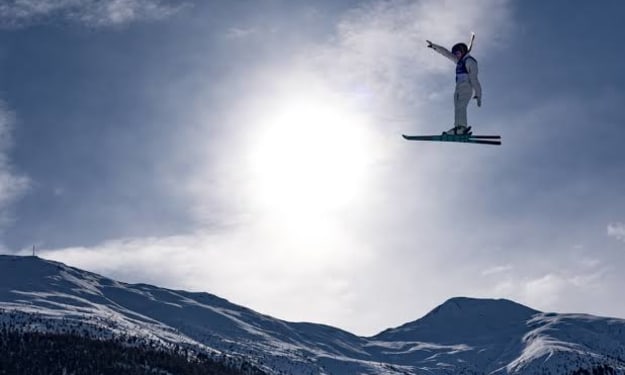
Winter Olympics Must Tackle Environmental Impact Before the Snow Runs Out. AI-Generated.
The future of the Winter Olympics is increasingly threatened by the very climate conditions that once defined it. Rising global temperatures, shrinking glaciers, and unreliable snowfall are forcing organizers to confront an uncomfortable truth: without urgent environmental reform, the Games may soon struggle to find suitable natural winter settings. Recent editions of the Winter Olympics have relied heavily on artificial snow and extensive infrastructure projects to compensate for warming conditions. While technology has allowed competitions to proceed, it has come at a significant environmental cost. Artificial snowmaking requires vast quantities of water and energy, placing additional strain on fragile alpine ecosystems already stressed by climate change. Climate Change and Vanishing Snow Scientists warn that many traditional Winter Olympics host regions may no longer be viable within decades. Areas in the Alps, once considered snow-secure, now experience shorter winters and more frequent rain instead of snow. According to climate research groups, average winter temperatures in mountainous regions have risen by nearly two degrees Celsius over the past century, drastically reducing dependable snow cover. This trend is forcing Olympic planners to consider fewer and fewer potential host cities. By mid-century, only a small number of high-altitude or northern locations may be able to provide natural snow conditions for outdoor events such as skiing, snowboarding, and biathlon. The Environmental Cost of Hosting Beyond snowmaking, the construction of Olympic venues has long raised environmental concerns. New roads, hotels, and ski facilities often require deforestation and large-scale land reshaping. After the Games end, many venues are underused or abandoned, leaving behind what critics call “white elephants” in sensitive landscapes. Transport is another major contributor to the carbon footprint. Tens of thousands of athletes, officials, media personnel, and spectators travel internationally to attend the Games, producing millions of tons of carbon emissions. For an event that celebrates human endurance and natural beauty, this contradiction has become increasingly difficult to ignore. Calls for Reform Environmental groups and athletes alike are urging the International Olympic Committee (IOC) to adopt stricter sustainability standards. Some propose limiting host cities to a fixed rotation of climate-resilient venues rather than building new sites every four years. This would reduce construction emissions and allow organizers to invest in long-term green infrastructure. Others suggest shifting more events indoors or redesigning sports formats to reduce reliance on perfect snow conditions. Innovations in energy use, such as fully renewable-powered venues and electric transport systems, are also gaining support. The IOC has already pledged to make future Games climate-positive, promising to cut emissions and offset remaining carbon output. However, critics argue that offsets alone are not enough and that fundamental changes in how the Games are planned and hosted are required. Athletes Speak Out Many athletes who train in mountain environments are among the most vocal advocates for change. They witness disappearing glaciers and unpredictable seasons firsthand. Several Olympic champions have joined climate campaigns, warning that winter sports themselves are at risk of becoming inaccessible to future generations. “You can’t celebrate snow sports if there’s no snow left,” one former skier remarked. “Protecting the climate is protecting our sport.” Their message resonates with younger audiences, who increasingly expect major global events to demonstrate environmental responsibility. A Race Against Time The challenge now facing the Winter Olympics is not only logistical but moral. As one of the world’s most visible sporting spectacles, the Games carry symbolic weight. They can either continue to adapt in ways that worsen environmental damage or become a model for sustainable international events. If current warming trends continue, experts warn that future Winter Olympics could be confined to a handful of locations with artificial conditions resembling theme parks rather than natural winter landscapes. Such a shift would undermine the spirit of the Games, which has always been rooted in ice, snow, and mountains. Conclusion The Winter Olympics stand at a crossroads. Climate change has transformed snow from a guarantee into a luxury, and the environmental cost of maintaining the Games is rising sharply. To survive, the Olympics must evolve—by cutting emissions, rethinking host locations, and embracing genuine sustainability rather than temporary fixes. Without decisive action, the world’s greatest winter sporting event may find itself running out of snow—and time.
By Fiaz Ahmed 4 days ago in Earth