Deji Akomolafe
Bio
Stories (512)
Filter by community
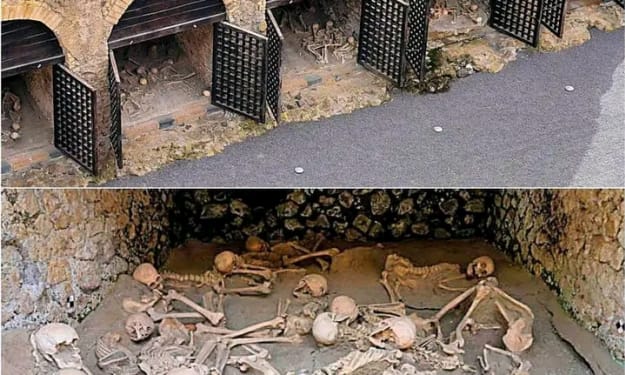
A Frozen Moment in Time: The Beachfront of Herculaneum
On a tragic day in 79 AD, Mount Vesuvius erupted with cataclysmic force, forever altering the landscape of the Roman Empire. While the nearby city of Pompeii often takes center stage in discussions of this disaster, the neighboring city of Herculaneum holds an equally haunting and compelling story. Unlike Pompeii, which was buried under a layer of ash, Herculaneum was engulfed by a river of superheated volcanic mud and pyroclastic surges. This thick covering preserved the city in remarkable detail, offering us a rare and intimate glimpse into the lives of the ancient Romans.
By Deji Akomolafeabout a year ago in History
Devil's Tower National Monument: The Mysterious Monolith That Defies Explanation
Perched in the northeastern corner of Wyoming, Devil's Tower National Monument rises dramatically from the surrounding prairies and the nearby Black Hills. Its sheer vertical columns and towering presence make it one of the most recognizable landmarks in the United States. Officially designated as the nation's first national monument in 1906 by President Theodore Roosevelt, the imposing structure draws thousands of visitors each year. But beyond its visual spectacle, what truly captivates and mystifies people about Devil's Tower is the deep sense of mystery surrounding its formation and the stories that surround it.
By Deji Akomolafeabout a year ago in History
The Oseberg Ship: A Masterpiece of Viking Craftsmanship and Burial Rituals
In the heart of Norway's rich Viking history lies a legendary vessel that continues to captivate historians, archaeologists, and visitors alike—the Oseberg ship. This iconic Viking ship, discovered in 1904, stands as one of the finest and most remarkable examples of Viking craftsmanship, culture, and burial traditions. Built around 820 AD, the Oseberg ship has survived the test of time, not only as an artifact of historical significance but also as a symbol of the seafaring prowess and spiritual beliefs of the Vikings. Over a century after its rediscovery, the ship remains a centerpiece of Norwegian cultural heritage, housed at the Viking Ship Museum on Bygdøy in Oslo.
By Deji Akomolafeabout a year ago in History
The Early Life and Reign of Oba Sir Titus Martins Adesoji Tadeniawo Aderemi
In the annals of Nigerian history, few figures are as revered and remembered as Oba Sir Titus Martins Adesoji Tadeniawo Aderemi, also known as Atobatele I, the 49th Ooni of Ile Ife. His reign as the spiritual and traditional leader of the Yoruba people was not only remarkable because of the time in which he ruled, but also due to the personal qualities and vision he brought to his leadership. Born on November 15, 1889, in the midst of the Yoruba civil war, Adesoji Aderemi's life was deeply intertwined with the cultural, social, and political evolution of the Yoruba nation and Nigeria as a whole.
By Deji Akomolafeabout a year ago in History
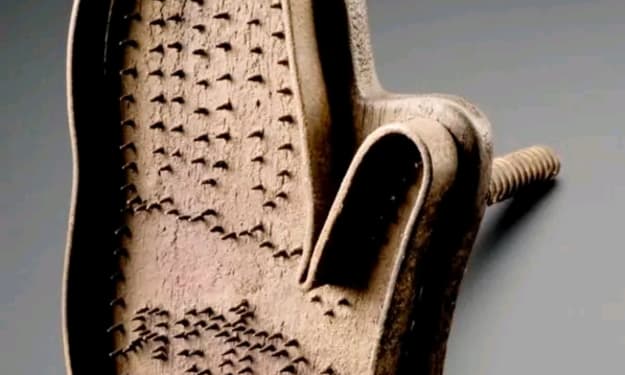
The Hand Brand: A Brutal Mark of Military Punishment in the British Army
In the mid-17th century, during the tumultuous years of the English Civil War (1641-1651), the British Army employed various methods to maintain discipline and punish those who broke military laws. Among these, one of the most severe and enduring punishments was branding, a physical and often permanent mark that identified deserters and criminals within the ranks. The hand brand, a tool used during this period, became an infamous symbol of this brutal form of punishment. Featuring the initials "CR" surrounded by a crown, it likely stood for Carolus Rex, a Latin reference to King Charles I, who reigned during the Civil War until his execution for treason in 1649.
By Deji Akomolafeabout a year ago in History
The Battle of Hafrsfjord and the Monument of Sverd i Fjell
In the late 9th century, a battle took place in Norway that would forever shape the history and identity of the nation. The Battle of Hafrsfjord, fought around 872-880 AD, marked the culmination of King Harald Fairhair’s efforts to unify the Norwegian clans and establish a single kingdom. This monumental victory did not just bring about political unity—it laid the foundation for the development of Norway as a unified nation-state.
By Deji Akomolafeabout a year ago in History
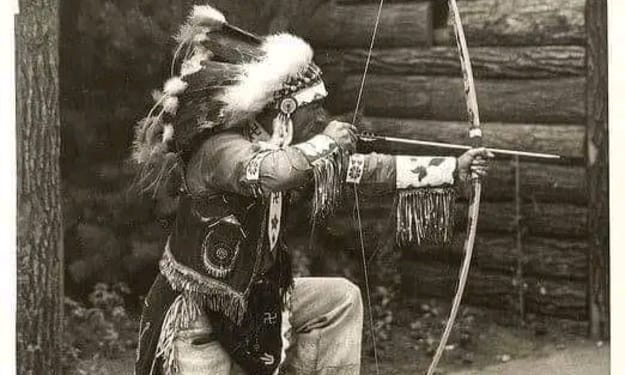
The Native American Origins of U.S. State Names: Unveiling the Meanings
The history and culture of the United States are deeply intertwined with the legacy of Native American tribes. One of the most fascinating connections to this rich heritage is found in the names of its states. Half of all U.S. states—25 to be exact—carry names derived from Native American languages, each with unique meanings rooted in the landscapes, tribes, and natural elements that defined the regions long before European settlers arrived.
By Deji Akomolafeabout a year ago in History
Unearthing History: The Discovery of the World’s Only Intact Roman Legionary Shield
In the realm of archaeology, few discoveries hold the same weight as that of the world’s only intact Roman legionary shield. Unearthed in the 1930s at the ancient site of Dura-Europos in modern-day Syria, this extraordinary artifact offers a rare and invaluable glimpse into the military life of Roman soldiers during the early 3rd century AD. The shield not only serves as a testament to the craftsmanship of the Roman military but also acts as a portal through which we can understand the complexities of their daily lives.
By Deji Akomolafeabout a year ago in History
The Curious History of Mortsafes: Guarding the Dead from Body Snatchers
Wandering through old cemeteries, you might stumble upon graves with eerie, cage-like structures surrounding them. These are not relics of a bygone era meant to keep zombies from rising from their graves. Instead, they are known as mortsafes, and they have a very different purpose rooted in the macabre history of the 18th and 19th centuries.
By Deji Akomolafe2 years ago in History
The Unyielding Spirit of Navy SEAL Mike Day: A Tale of Survival and Service
In the book of military history, stories of extraordinary bravery and resilience abound, but few are as astonishing as that of U.S. Navy SEAL Mike Day. In 2007, Day faced an unimaginable ordeal that would test the limits of human endurance and fortitude. Shot 27 times by al-Qaeda militants and hit by a grenade, Day not only survived but emerged victorious, defeating all four attackers and walking away from the scene without assistance. His journey of survival, recovery, and dedication to supporting fellow veterans is a testament to his unyielding spirit and commitment to service.
By Deji Akomolafe2 years ago in Serve
Le Passe-muraille: The Man Who Walked Through Walls
In the heart of Paris, amidst the post-war recovery of the 1940s, there arose a story that captured the imagination of many—a tale blending the ordinary with the fantastical, creating a narrative that resonated with both young and old. This story, "Le Passe-muraille" or "The Passer Through Walls," was penned by the celebrated French author Marcel Aymé in 1943. It tells the whimsical yet cautionary tale of a man who discovers he has the extraordinary ability to pass through walls.
By Deji Akomolafe2 years ago in Horror
The Mummies of Venzone: A Village's Unique Relationship with Death
In the picturesque village of Venzone, Italy, nestled in the foothills of the Alps, an extraordinary and macabre tradition has persisted for centuries. Here, residents have a unique relationship with their deceased relatives, going beyond the boundaries of typical mourning practices. In Venzone, it is not uncommon for families to walk around with the mummified remains of their loved ones, integrating them into their daily lives in ways that might seem surreal to outsiders. This custom, deeply rooted in history and shaped by the Great Plague, provides a fascinating glimpse into how cultural practices around death and remembrance can vary dramatically across the world.
By Deji Akomolafe2 years ago in Humans