
The Curious History of Mortsafes: Guarding the Dead from Body Snatchers
Save protection

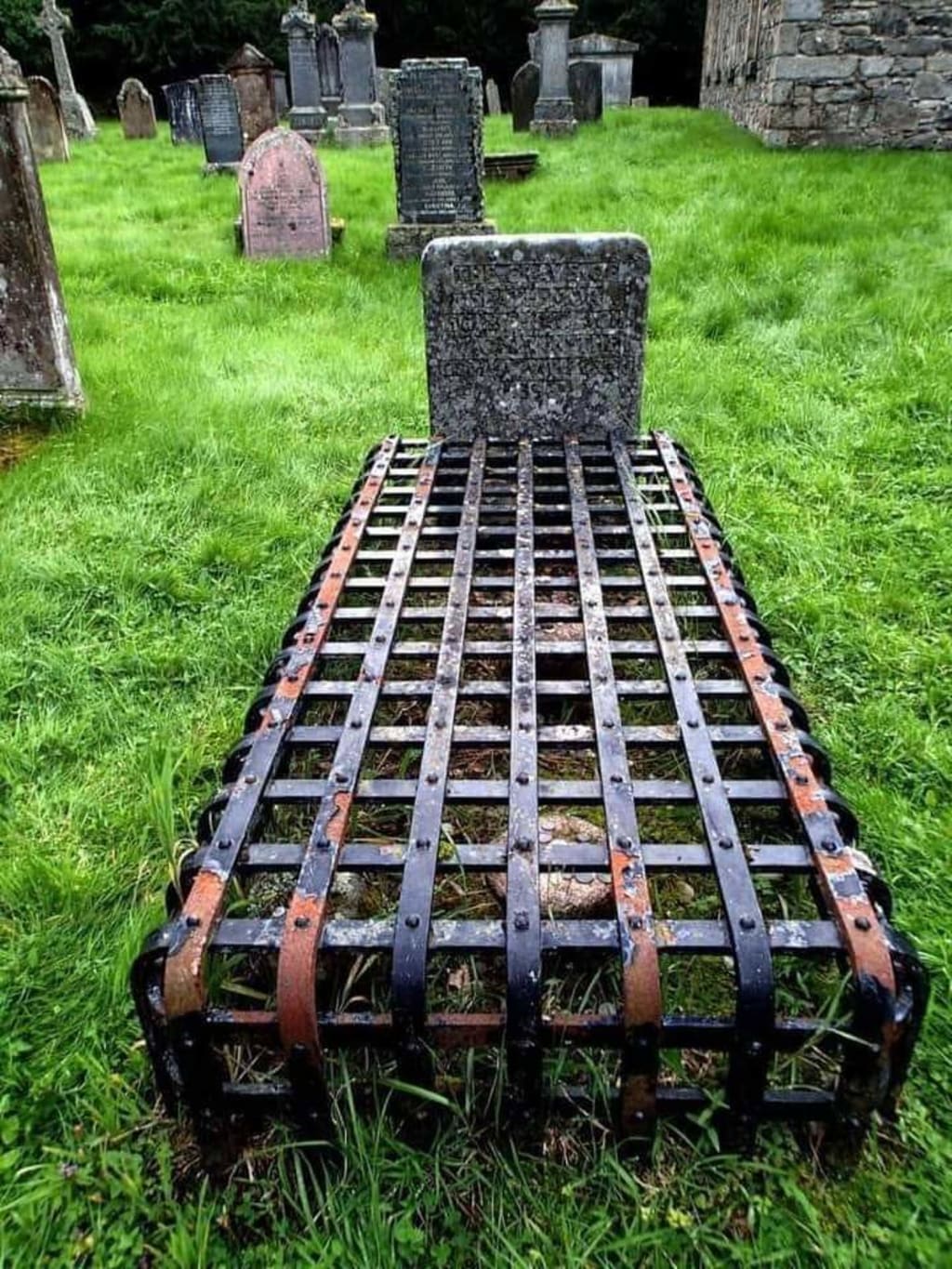
Wandering through old cemeteries, you might stumble upon graves with eerie, cage-like structures surrounding them. These are not relics of a bygone era meant to keep zombies from rising from their graves. Instead, they are known as mortsafes, and they have a very different purpose rooted in the macabre history of the 18th and 19th centuries.
The Rise of Body Snatching
In the 18th and early 19th centuries, the demand for cadavers in medical schools in England and Scotland skyrocketed. With the advancement of medical science and the establishment of anatomy schools, the need for bodies for dissection and study became urgent. Unfortunately, the legal supply of bodies, primarily from executed criminals, was insufficient to meet this demand.
This shortage gave rise to a grisly profession: body snatching. Also known as resurrectionists, body snatchers exhumed fresh corpses from their graves and sold them to medical schools for a handsome profit. The practice was illegal and deeply disturbing to the public, but the high demand and lucrative rewards made it a thriving underground industry.
The Advent of Mortsafes
To combat the rampant body snatching, people began taking measures to protect the graves of their loved ones. Enter the mortsafe. First appearing around 1816, mortsafes were designed to prevent body snatchers from accessing and stealing the bodies buried within. These devices came in two primary styles:
Iron Cage Frames: These were cage-like iron frames that fit snugly around the coffin itself. The iron bars formed a barrier that body snatchers would find extremely difficult, if not impossible, to breach without attracting attention or spending an inordinate amount of time.
Heavy Iron Sheaths: The second style was a more robust and heavier structure, also made of iron, that slid over the coffin like an over-coffin or sheath. This type was even more formidable, providing a nearly impregnable defense against would-be resurrectionists.
Both types of mortsafes were often locked in place, further ensuring the security of the grave. These devices were not intended to remain in place permanently. They were usually installed for a few weeks to a few months until the body was sufficiently decomposed to be of no use to medical schools, at which point they could be removed and reused.
The Mechanics and Installation of Mortsafes
The process of installing a mortsafe involved several steps. After the coffin was lowered into the grave, the iron cage or sheath was positioned over it. In the case of the iron cage frame, the bars were either welded together or locked in place with a padlock. The heavier iron sheath required more effort to install due to its weight and size but offered unparalleled protection.
These devices were often rented from blacksmiths or specialized craftsmen who manufactured them. Some churches and cemeteries even owned mortsafes that they would lend to families in need. This communal approach helped alleviate the financial burden on grieving families while ensuring that graves were protected from body snatchers.
Mortsafes and Public Sentiment
The use of mortsafes reflects the public's intense fear and revulsion towards body snatching. The idea that a loved one's grave could be desecrated and their body stolen for profit was abhorrent to many. Funerals and burials were deeply significant, and the sanctity of the grave was paramount. The installation of mortsafes provided peace of mind to families, knowing that their deceased relatives would remain undisturbed.
The presence of mortsafes also served as a deterrent. The sight of these formidable structures signaled to body snatchers that the grave was well-protected, encouraging them to look elsewhere for easier targets. This, in turn, helped reduce the overall incidence of body snatching in areas where mortsafes were commonly used.
The Decline of Body Snatching and Mortsafes
By the mid-19th century, the practice of body snatching began to wane. Several factors contributed to this decline. The Anatomy Act of 1832 in the United Kingdom played a crucial role. This legislation allowed medical schools to obtain unclaimed bodies from workhouses and hospitals, providing a legal and steady supply of cadavers for dissection. With the new law in place, the demand for illegally obtained bodies diminished significantly.
Additionally, advances in cemetery security, such as watchtowers and hired guards, further discouraged body snatchers. The combination of legal reforms and improved security measures rendered the mortsafe increasingly obsolete.
Mortsafes Today
Today, mortsafes can still be found in some older cemeteries, serving as historical curiosities and reminders of a darker period in medical history. These iron structures stand as testament to the lengths to which people went to protect their deceased loved ones from the clutches of body snatchers. They also highlight the intersection of medical science, law, and societal values during a time of rapid advancement and change.
For those with an interest in history and the macabre, visiting cemeteries with mortsafes can provide a fascinating glimpse into the past. These relics offer a tangible connection to the stories of fear, protection, and the ongoing struggle to balance the needs of science with the respect for human dignity.
Conclusion
The story of mortsafes is a compelling chapter in the history of medical science and societal response to body snatching. These iron guardians of the grave symbolize a period when the sanctity of burial sites was fiercely defended against the encroaching needs of medical advancement. While the practice of using mortsafes has long since faded, their presence in cemeteries continues to intrigue and remind us of the enduring human need to protect and honor the dead.
About the Creator
Reader insights
Outstanding
Excellent work. Looking forward to reading more!
Top insight
Excellent storytelling
Original narrative & well developed characters
Keep reading
More stories from Deji Akomolafe and writers in History and other communities.
The "Soyjack" Torture Mask: A Chilling Relic from 19th Century Germany
In the book of history, few artifacts convey the darker side of human ingenuity as powerfully as torture devices. Among these grim tools, the "Soyjack" torture mask stands out as a particularly haunting relic. Originating from 19th century Germany, this bronze mask not only symbolizes the cruelty of the past but also serves as a poignant reminder of the lengths to which societies have gone to enforce conformity and punish dissent. This blog post delves into the history, design, and significance of the Soyjack torture mask, exploring its context within the broader framework of historical punishment and control.
By Deji Akomolafe2 years ago in History
The Queen of Jhansi : The British Must Never Capture My Body”
In the long history of resistance against colonial rule in the Indian subcontinent, few figures shine as brightly as Rani Lakshmibai, the legendary Queen of Jhansi. Remembered for her courage, leadership, and unwavering determination, she became one of the most powerful symbols of defiance during the Indian Rebellion of 1857. Her story is not only about war but also about dignity, honor, and a final wish that echoed through history: the British must never capture her body.
By Irshad Abbasi 4 days ago in History


Comments
There are no comments for this story
Be the first to respond and start the conversation.