
The Native American Origins of U.S. State Names: Unveiling the Meanings
Back in history

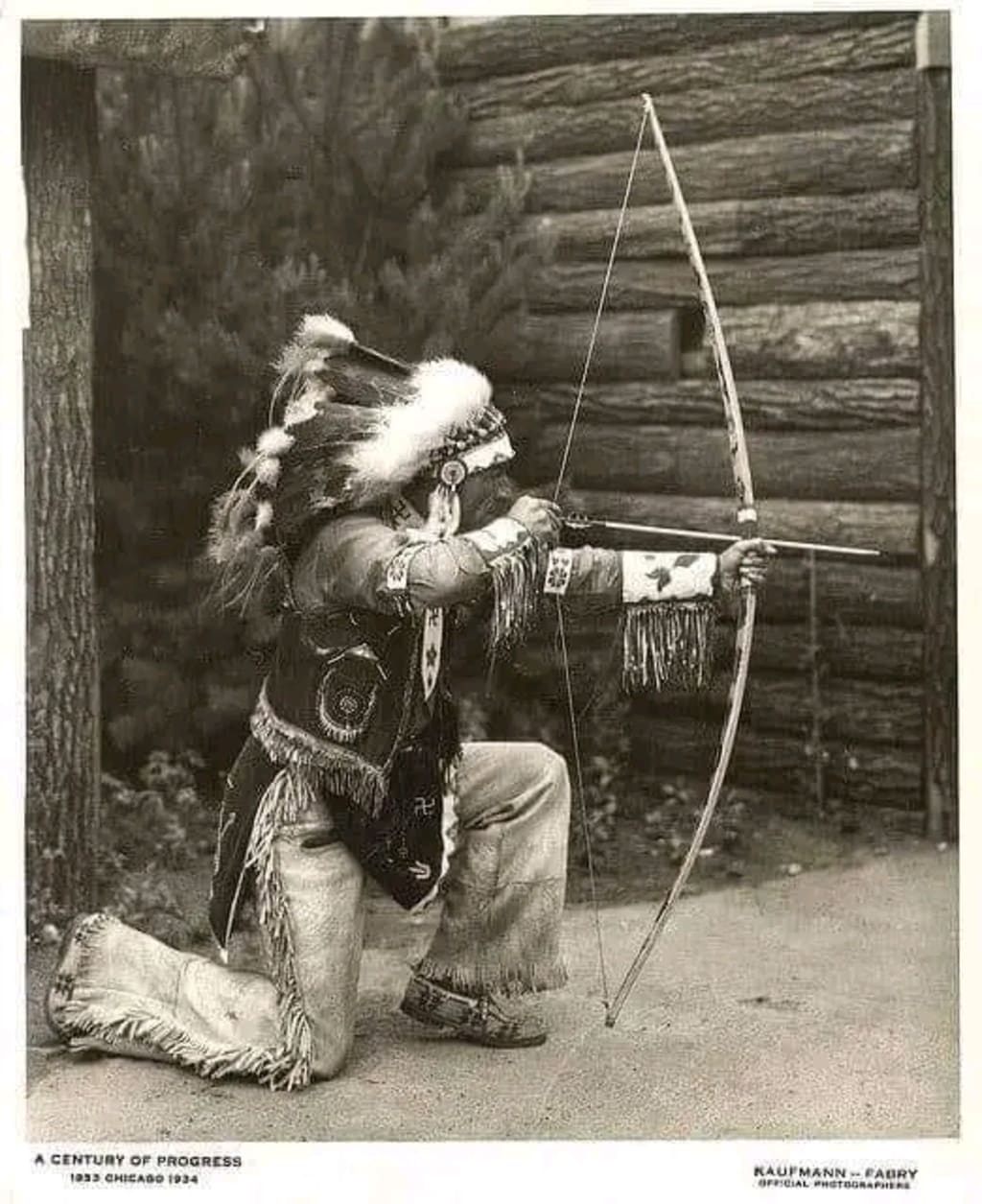
The history and culture of the United States are deeply intertwined with the legacy of Native American tribes. One of the most fascinating connections to this rich heritage is found in the names of its states. Half of all U.S. states—25 to be exact—carry names derived from Native American languages, each with unique meanings rooted in the landscapes, tribes, and natural elements that defined the regions long before European settlers arrived.
In this blog post, we will explore these 25 states and the meanings behind their Native American names, listed in alphabetical order.
1. Alabama
The state of Alabama gets its name from the Alabama, or Alibamu, tribe, a Muskogean-speaking tribe that once inhabited the region. There is some debate about the exact meaning of the name. Some sources suggest that it means "clearers of the thicket," a reference to the tribe’s practice of clearing land for agricultural use. Others believe it translates to "herb gatherers," highlighting the tribe’s reliance on native plants for medicine and sustenance.
2. Alaska
Alaska’s name is derived from the Aleut word "alaxsxaq," which means "the mainland." The Aleut people, native to the Aleutian Islands and coastal regions of Alaska, used this word to describe the massive landmass to the east, setting it apart from the islands they called home.
3. Arizona
Arizona’s name comes from the O'odham word "alĭ ṣonak," which translates to "small spring." This name is believed to refer to a small body of water near the border between present-day Arizona and Mexico, highlighting the importance of water in this arid desert region.
4. Connecticut
Connecticut’s name originates from the Mohican word "quonehtacut," meaning "place of long tidal river." This is a reference to the Connecticut River, which runs through the state and was a vital waterway for the Native American tribes that lived in the region.
5. Hawaii
The name Hawaii comes directly from the Hawaiian language and means "homeland" or "place of the gods." The indigenous Polynesian people who settled on the Hawaiian Islands gave the state this name to reflect its significance as their ancestral homeland.
6. Illinois
Illinois is named after the Illiniwek, a confederation of several Native American tribes that lived in the region. The word "Illiniwek" translates to "men" or "warriors." The name was later adapted to Illinois by French settlers.
7. Iowa
Iowa is named after the Ioway tribe, a Siouan-speaking people native to the region. The name Ioway is believed to mean "gray snow," a poetic reference to the winter landscape commonly experienced by the tribe in the area.
8. Kansas
Kansas is named after the Kansa tribe, whose name means "south wind people." The Kansa were a Plains tribe, and their name likely refers to their geographic location and the prevailing winds that swept across the Great Plains.
9. Kentucky
The origins of Kentucky’s name are somewhat unclear, but it is widely believed to have come from the Iroquoian word "Kentake," meaning "on the meadow" or "land of meadows." This reflects the region’s fertile land and abundance of natural resources, which made it an ideal area for hunting and farming.
10. Massachusetts
Massachusetts is named after the Algonquin word "Massadchu-es-et," which translates to "great-hill-small-place." This likely refers to the Blue Hills, a small range of hills located near present-day Boston, which were a prominent geographical feature for the Native American tribes of the area.
11. Michigan
The state of Michigan gets its name from the Chippewa (Ojibwe) word "Michigama," meaning "large lake." This is a fitting name given Michigan’s location, surrounded by the Great Lakes, which have played a central role in the state’s history and development.
12. Minnesota
Minnesota’s name comes from the Dakota Indian word "Minisota," meaning "white water." This name refers to the state’s many rivers and lakes, particularly the Minnesota River, which was central to the Dakota people’s way of life.
13. Mississippi
Mississippi’s name is derived from the Choctaw word "Misi-ziibi," which translates to "great river" or "father of waters." The Mississippi River, one of the longest and most important rivers in North America, was named by the Choctaw people, who relied on it for transportation, trade, and sustenance.
14. Missouri
The state of Missouri is named after the Missouri tribe, whose name means "those who have dugout canoes." The Missouri people lived along the Missouri River, which was a major transportation route for both the tribe and the European settlers who followed.
15. Nebraska
Nebraska’s name comes from the Otoe word "Nebrathka," meaning "flat water." This refers to the Platte River, a shallow but wide river that flows through the state, providing water and resources for the Native tribes that once inhabited the area.
16. New Mexico
While the name New Mexico reflects Spanish colonial influence, it is believed to be connected to the Nahuatl (Aztec) word "Mexico," which means "place of the Mexica." The Mexica were an indigenous people of the Valley of Mexico, and their influence extended northward through trade and migration.
17. North Dakota
North Dakota is named after the Dakota Sioux, one of the dominant Native American tribes in the region. The word "Dakota" means "allies" or "friends," reflecting the tribe’s sense of community and cooperation.
18. Ohio
Ohio’s name is derived from the Iroquois word "O-Y-O," meaning "great river." This is a reference to the Ohio River, a major waterway that played a crucial role in the lives of Native American tribes and later, European settlers.
About the Creator
Keep reading
More stories from Deji Akomolafe and writers in History and other communities.
Unearthing History: The Discovery of the World’s Only Intact Roman Legionary Shield
In the realm of archaeology, few discoveries hold the same weight as that of the world’s only intact Roman legionary shield. Unearthed in the 1930s at the ancient site of Dura-Europos in modern-day Syria, this extraordinary artifact offers a rare and invaluable glimpse into the military life of Roman soldiers during the early 3rd century AD. The shield not only serves as a testament to the craftsmanship of the Roman military but also acts as a portal through which we can understand the complexities of their daily lives.
By Deji Akomolafeabout a year ago in History
No ICE, No KKK, No Fascist USA
"I don't 'do' politics." Politics will do you, regardless. Watching from the sidelines for the last year I can see far too many similarities in the way Trump's ICE Gestapo is to Nazi Germany. Considering the United States just invaded Venezuela and kidnapped their President and his wife I would say we are there.
By Lyvia Jack7 days ago in History
Which Pastoral Dresses Are a Must-Have for Every Minister?
When it comes to leading a congregation, appearance matters as much as heart and spirit. Every minister needs clothing that reflects grace, professionalism, and faith. Pastoral dresses are a perfect choice for women ministers, offering elegance and comfort. In this guide, we’ll explore which styles are essential for any minister and why having the right women’s clerical wear can make a big difference.
By Sameera eclergysabout 3 hours ago in History




Comments
There are no comments for this story
Be the first to respond and start the conversation.