
What Voice Cloning Technology Means for Creators and Digital Identity
What Voice Cloning Technology Means for Creators and Digital Identity

The rise of artificial intelligence has reshaped the creative landscape in countless ways, from AI-generated visual art to automated music composition, and one of the most intriguing frontiers today is voice cloning. With tools that let users clone your voice using only a short sample of speech, creators and digital communicators are discovering new ways to produce audio content that feels natural and expressive.
But voice cloning technology does more than automate narration. It raises important questions about identity, authenticity, consent, and the future of creative expression.
What voice cloning technology does
Voice cloning uses deep learning models trained on large datasets of human speech to reproduce a specific person’s voice characteristics. Modern systems generate audio that captures unique aspects of timbre, cadence, and inflection, making the synthesized voice sound remarkably close to the original speaker, sometimes even indistinguishable to casual listeners.
This capability has clear creative appeal. Creators can use cloned voices to produce audiobooks, podcasts, character dialogue, or personalised content without requiring expensive studio time or repeated recording sessions.
Creative efficiency and expanded possibilities
For content creators, voice cloning opens doors to productivity and experimentation. Instead of spending hours recording and re-recording lines, creators can tweak scripts and regenerate voice audio on the fly. This accelerates workflows in podcasting, video narration, and interactive media.
In animation and game development, voice cloning allows for consistent character voices without the scheduling challenges of traditional voice acting. A creator might prototype dialogue with a cloned voice long before a budgeted recording session.
Preserving continuity for creators
Voice can be a key part of an individual’s digital “brand” or public persona. For creators who release regular audio content, such as educators, influencers, or journalists, voice cloning can preserve continuity and recognisability even when schedules are tight or circumstances prevent studio recording.
It can also assist creators who experience temporary or permanent challenges with vocal performance, enabling them to maintain audio presence using their own synthesized voice.
Accessibility and language diversity
Voice cloning can also advance accessibility. Users who struggle with traditional speech production, due to medical conditions, age, or disability, can benefit from synthesised voices that reflect their own vocal identity or preferred style.
Additionally, cloned voices can be used across languages and contexts, helping creators produce multilingual content while maintaining brand or personal identity.
Voice as part of digital identity
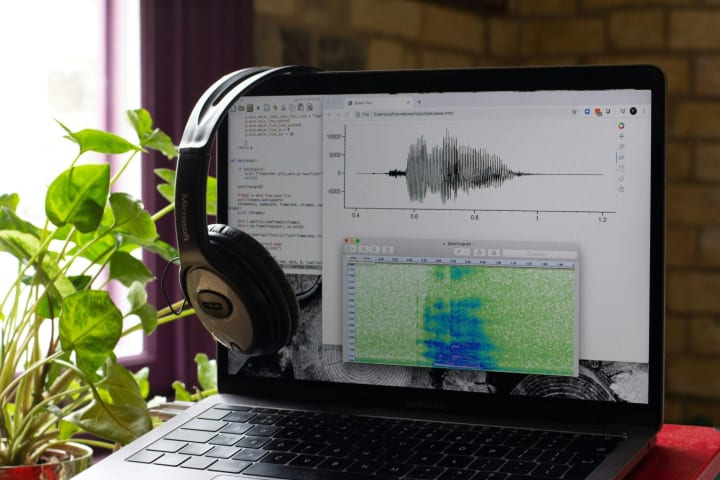
As voice cloning becomes more realistic, voice itself becomes part of a person’s digital identity, much like a username, avatar, or written style. This raises questions about ownership and representation.
A cloned voice tied to a public figure, influencer, or creator carries associations that go beyond mere audio quality. Listeners may attribute intent, emotion, or credibility based solely on a familiar voice, even when the content is generated rather than spoken originally.
Ethical considerations and consent
The importance of ethical use cannot be overstated. Voice cloning should always respect consent and ownership. Using a cloned voice without clear permission, especially in commercial contexts, can mislead audiences and violate personal or legal rights.
Creators using voice cloning technology should be transparent about its use and obtain consent from anyone whose voice is being cloned. Clear communication builds trust and helps listeners understand the nature of the content they are hearing.
Misuse and misinformation risks
Realistic voice synthesis has potential risks, particularly if used to create deceptive or manipulative content. Deepfake audio, recordings that mimic a real speaker saying things they never actually said, can erode trust and spread misinformation.
Mitigating these risks requires ethical frameworks, industry standards, and technological safeguards. Authenticity markers, consent protocols, and audio verification tools can help ensure that voice cloning enhances creativity without undermining integrity.
Intellectual property and legal frameworks
The legal landscape around cloned voices is still developing. Voice recordings, like other forms of personal data, may be subject to intellectual property or personality rights depending on jurisdiction. As voice cloning grows more advanced, legal frameworks will likely evolve to address ownership, licensing, and appropriate use cases.
Creators and businesses should be mindful of these emerging regulations and seek clarity when using voice cloning in commercial or widely distributed content.
Industry perspective on voice technology
Research in communication science suggests that voice plays a powerful role in how messages are perceived. A study in the Journal of the Acoustical Society of America highlights that subtle voice characteristics convey affect, personality, and social cues, influencing listener interpretation and engagement.
This underscores the significance of voice as more than a technical output: it is a medium of human connection that carries emotional and cognitive weight.
Best practices for creators
To maximise the benefits of voice cloning while managing ethical considerations, creators should:
● Obtain explicit consent from anyone whose voice is cloned
● Be transparent with audiences about the use of AI-generated voice
● Combine human oversight with automated generation to ensure quality and accuracy
● Stay informed about legal and ethical guidelines in their region
These practices help ensure voice cloning contributes positively to creative ecosystems.
About the Creator
aliyashahzadi
My Name is Aliya Shahzadi
I'm SEO expert
Keep reading
More stories from aliyashahzadi and writers in Art and other communities.
Dog Shoes for Small Dogs and Puppy Shoes A Practical, Paw-Friendly Guide
Small dogs and puppies may look tough, but their paws often need more protection than people realize. Their bodies are lighter, their paws are smaller, and many of them spend a lot of time on surfaces that were never designed for delicate paw pads. Add cold sidewalks, hot pavement, rough gravel, wet grass, or even slippery indoor floors, and you start to see why dog footwear has become more than just a cute trend.
By aliyashahzadiabout a month ago in Art




Comments
There are no comments for this story
Be the first to respond and start the conversation.