
What is Architectural BIM Services | Importance and Benefits
Architectural BIM Services Benefits and Importance

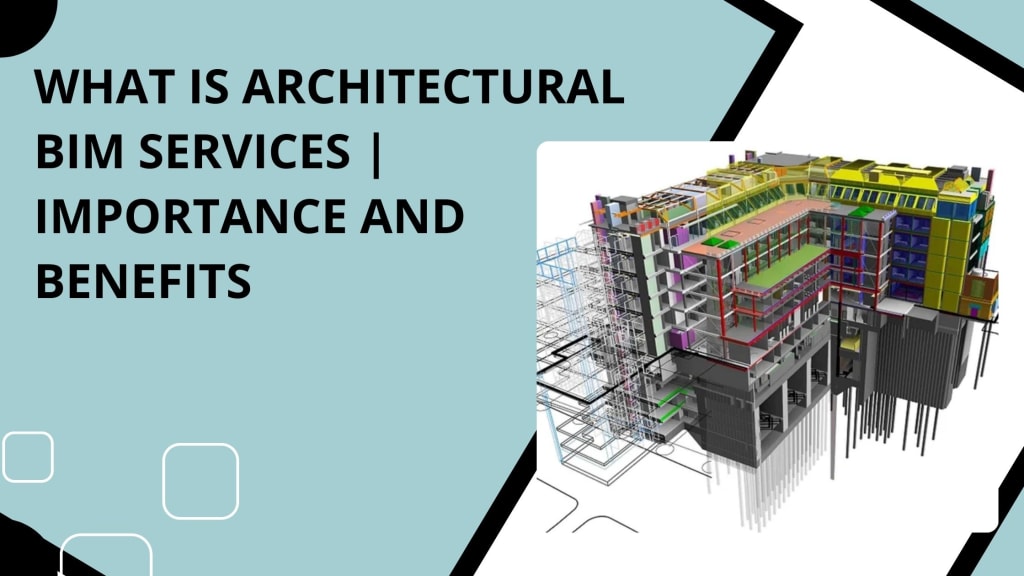
The architectural landscape is no longer confined to paper and blueprints. Building Information Modelling has sparked a quiet revolution, turning traditional design methods on their head.
With BIM, architects aren’t just imagining spaces; they’re digitally constructing them with unparalleled precision and collaboration. This transformation allows designers to predict and resolve potential issues long before construction begins, saving time, reducing errors, and boosting creativity.
Today, we'll take a closer look at how Architectural BIM Services are driving this change, explore the pivotal role of BIM engineers, and uncover the undeniable benefits that come with this game-changing technology.
What is Architectural BIM Services?
Architectural BIM Services refer to the application of Building Information Modelling in the architectural field. BIM is a process that creates digital representations of buildings that go beyond just 3D models. These models incorporate detailed data about every aspect of the building—from its geometry to the materials used, to information on heating, electrical, and plumbing systems.
Architectural BIM Services ensure that all stakeholders, including architects, engineers, contractors, and clients, are on the same page. It facilitates better communication and collaboration, ensuring that projects are executed with high precision and reduced errors.
BIM services include the creation of 3D models, clash detection, coordination, and producing accurate documentation. These services enable architects to visualize the project before construction even begins, which helps in making more informed design decisions and mitigating risks.
What Does an Architectural BIM Engineer Do?
An architectural BIM engineer plays a crucial role in the design and development of building projects. Their job goes beyond simply drawing plans. They use BIM software to build digital representations of architectural designs, integrating data from various disciplines such as structural engineering and mechanical systems.
Here’s what a typical day for a BIM engineer might look like:
●3D Model Creation: They create detailed 3D models that accurately depict the building’s design, materials, and systems.
●Collaboration: BIM engineers work closely with architects, contractors, and clients to ensure everyone’s vision aligns. They manage collaboration platforms to ensure all team members have access to the most up-to-date models and information.
●Coordination: A large part of their role is detecting and resolving clashes between different systems (for example, ensuring plumbing lines don’t interfere with electrical wiring).
●Documentation: They also produce detailed documentation, which includes not just blueprints but also schedules and material quantities, making the construction process smoother and more cost-efficient.
Why Architects Love BIM
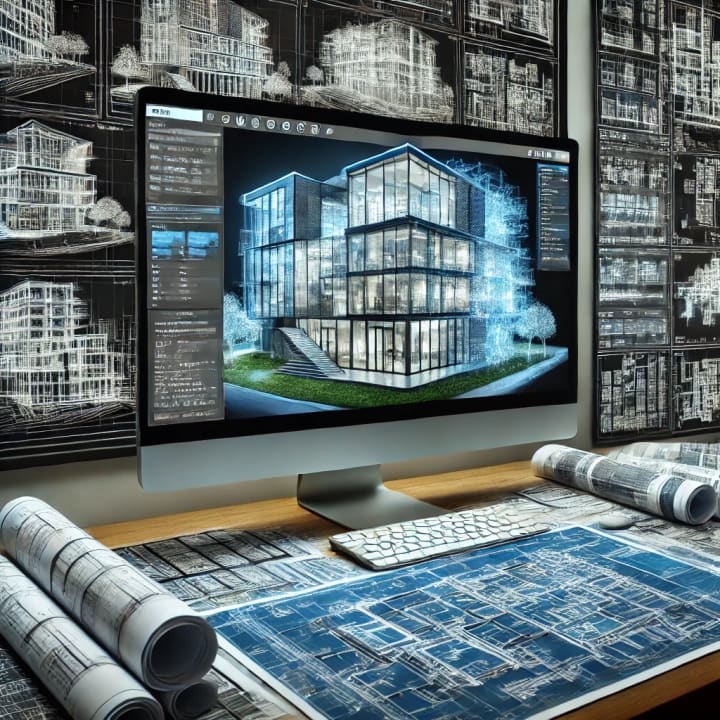
Architects across the globe are increasingly embracing Building Information Modelling for a variety of reasons. At the heart of BIM lies its ability to provide a more integrated, efficient, and error-free design process. Let’s explore why architects love BIM:
Visualization: With Architectural BIM Design Services, architects can visualize their designs in 3D and even 4D (time), allowing them to explore how their designs will look and function in the real world.
Accuracy: Traditional drafting methods can sometimes lead to discrepancies between different plans. BIM reduces these errors by integrating all aspects into a single model.
Sustainability: Architects can use BIM to assess energy efficiency, daylight exposure, and material sustainability in the early design stages. This allows them to create greener buildings that are more environmentally friendly.
Collaboration: In complex projects, communication among architects, engineers, and contractors can often become challenging. BIM creates a shared platform where all project members can collaborate seamlessly.
How Architectural BIM Services Help Architects in the Design Process?
Architectural BIM Services are a game changer for architects, especially in the design process. They offer numerous advantages that significantly enhance the workflow.
Early Stage Visualization: Architectural BIM allows architects to visualize the project from the conceptual phase. They can create multiple design options quickly, helping clients understand the look and feel of the project before finalizing the design.
Improved Design Quality: BIM helps architects maintain the highest design quality. As all building data is integrated into one model, architects can assess how different elements—such as walls, windows, and systems—interact with each other.
Enhanced Coordination: Coordinating different aspects of a building project is often complex. BIM reduces this complexity by allowing architects to work collaboratively with engineers, contractors, and other team members in real-time. This reduces the risk of miscommunication.
Data-Driven Decisions: With BIM, architects can access data about a building’s performance. They can analyze environmental conditions, energy efficiency, and building lifecycle costs. This allows for more informed design decisions that balance aesthetic appeal with functionality and sustainability.
Benefits of Architectural BIM Services
There are many tangible benefits that come with utilizing Architectural BIM Services. From cost savings to reduced errors, here’s how BIM is improving the field of architecture:
●Reduced Design and Construction Errors: Traditional design methods can sometimes lead to errors that only become apparent during construction, causing delays and cost overruns. BIM detects these errors early in the design phase, significantly reducing the chances of mistakes on-site.
●Time and Cost Efficiency: By automating processes like material take-offs and clash detection, BIM reduces project timelines and lowers costs.
●Improved Client Communication: Clients can see highly detailed visualizations of their projects, helping them better understand the design and make informed decisions.
●Sustainability: BIM allows for the integration of energy analysis tools, enabling architects to create more sustainable and energy-efficient buildings.
●Life-Cycle Management: With BIM, architects can create models that can be updated throughout the building’s life. This helps with facility management, renovation, and maintenance long after the building is complete.
Importance of Architectural BIM Services
Why is Architectural BIM so important? Let’s break it down:
Enhanced Collaboration: One of the key advantages of BIM is that it fosters better collaboration. Instead of working in isolation, architects, engineers, and contractors can all work from the same digital model. This reduces miscommunication and ensures that everyone is aligned on the project’s goals.
Future-Proof Designs: As buildings become more complex and sustainable design practices become the norm, BIM helps future-proof architectural designs. It allows architects to design buildings that can easily adapt to changing technologies and environmental standards.
Risk Mitigation: Traditional 2D plans often leave room for misinterpretation, which can lead to mistakes. BIM reduces this risk by providing a comprehensive 3D model that all team members can understand, ensuring the design is executed as planned.
Better Project Management: BIM is not just a design tool; it’s a project management tool. It integrates cost estimates, timelines, and material quantities, making it easier to manage the entire project from start to finish.
Client Satisfaction: Since BIM allows for better visualization and clearer communication, clients are often more satisfied with the results. They can see exactly what the building will look like and understand its functionality before construction begins.
Conclusion
Architectural BIM Services are transforming the world of architecture by making the design process more efficient, precise, and collaborative. From reducing errors to improving sustainability, BIM is helping architects deliver better buildings for their clients. Whether you’re an architect, a contractor, or a client, understanding the value of Building Information Modelling is essential in today’s construction industry.
BIM is not just a trend—it’s the future of architecture. And with its ability to streamline processes, enhance collaboration, and deliver higher quality buildings, it’s easy to see why Architectural BIM Design Services have become an integral part of modern architecture.
About the Creator
lisa Brown
Building Information Modelling delivers high quality out performing designs in Electrical BIM Services. We collectively work as a team and we believe in delivering end to end solutions in electrical designs and drawings.
Keep reading
More stories from lisa Brown and writers in Art and other communities.
What is BIM? What you need to know about Building Information Modeling
Imagine walking into a construction site, and instead of relying on stacks of blueprints, everyone is working off a single, digital 3D model of the project. That’s the power of BIM – Building Information Modeling. It’s more than just a buzzword in the architecture, engineering, and construction industries. It’s a game-changing process that has redefined how buildings are designed, built, and managed.
By lisa Brownabout a year ago in Art
Impressive Artwork by Odilon Redon
French symbolist artist Odilon Redon was famous for his drawings in the 1880s. The artist’s artworks were mentioned in the popular 1884 novel “A Rebours,” or “Against the Grain,” by Joris-Karl Hysmans. His later artworks were created in oils and pastels. He developed an interest in Hinduism and Buddhism, and this interest in mysticism is reflected in his works of art.
By Rasma Raisters7 days ago in Art
A Dummies Guide to UX Basics
Designing a website that incorporates UX design elements is becoming more in demand as businesses begin to understand the importance of UX. Having useless bells and whistles on your website, no longer makes it a good design. Creating the right balance between an excellent user experience and the functionality of the site for your business goals is paramount.
By Dena Falken Esqabout 17 hours ago in Art


Comments
There are no comments for this story
Be the first to respond and start the conversation.